10.22.2026
Will Higher Rates Cramp the Markets?
Anyone who has run a marathon knows the last six miles are brutal — no matter how well the first…


January is a time to reflect on the past year and assess what went right and what went wrong, and asset allocation is no different in this regard. Elevated valuations at the start of 2016 did not hold back U.S. equities as they climbed to record highs; small-caps were the outright winner with a 21% return. These smaller-cap companies received a post-election boost as they were expected to be less affected by the strengthening dollar and potential trade policies enacted by Trump, since they do not typically conduct much international business. The knock-on benefits of a potential lower corporate tax rate also helped propel small-cap equities higher after the election.
Internationally, slowing growth concerns were a determinant of performance. The “anti-establishment” sentiment seen in Europe was a major source of uncertainty. Emerging markets were the most appealing in terms of relative valuations, which helped them deliver double-digit returns after three consecutive negative years.
Lastly, fixed income was led by high yield bonds which rallied back from an end-of-year dip in 2015, with lower quality issues leading the way. Long duration bonds were also a top performer within fixed income, as were bank loans. After the Trump victory revived inflation expectations, TIPS became a topic of discussion. Realistically, as policies will take time to implement, inflation will manifest slowly and will be only one of a few indicators to monitor.
Of course, 2016 is behind us and investors are at this point more interested in what the markets will bring us in 2017. While predicting market winners and losers each year is a difficult exercise, it is safe to say that we will not see a repeat of 2016 asset class performance, and maintaining a diversified portfolio with disciplined rebalancing will help to mitigate risk no matter what happens across the global markets.
The opinions expressed herein are those of Marquette Associates, Inc. (“Marquette”), and are subject to change without notice. This material is not financial advice or an offer to purchase or sell any product. Marquette reserves the right to modify its current investment strategies and techniques based on changing market dynamics or client needs.

10.22.2026
Anyone who has run a marathon knows the last six miles are brutal — no matter how well the first…
10.19.2026
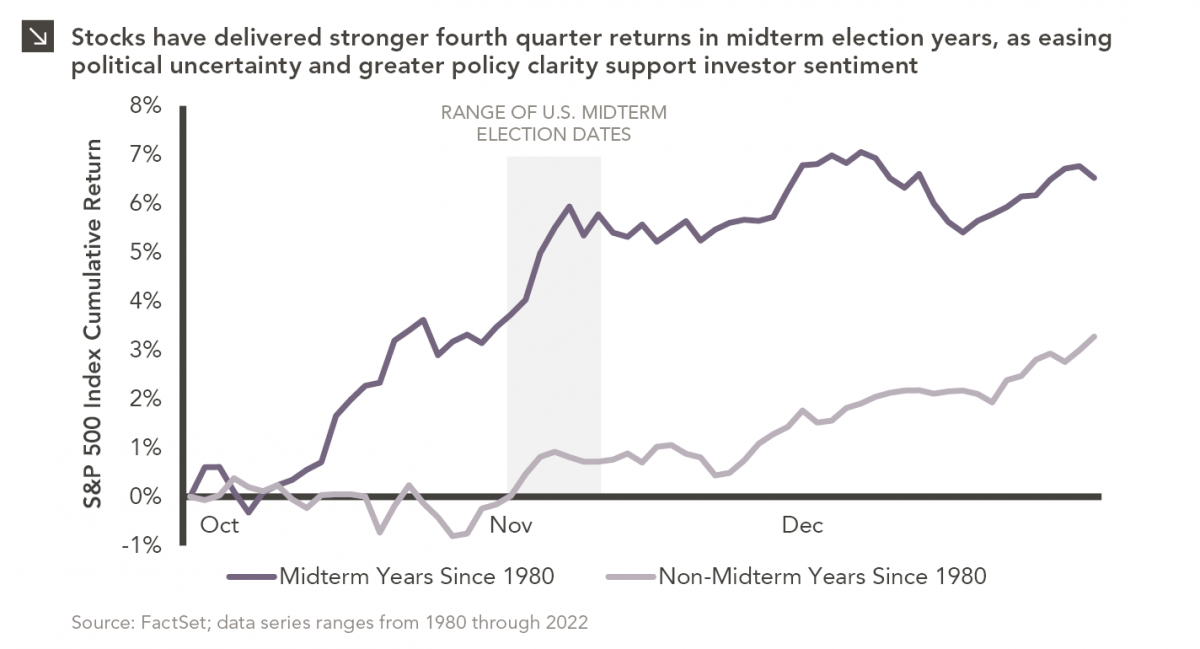
Since 1980, the S&P 500 Index has generally performed well in the weeks surrounding U.S. midterm elections. Specifically, the index…
10.12.2026
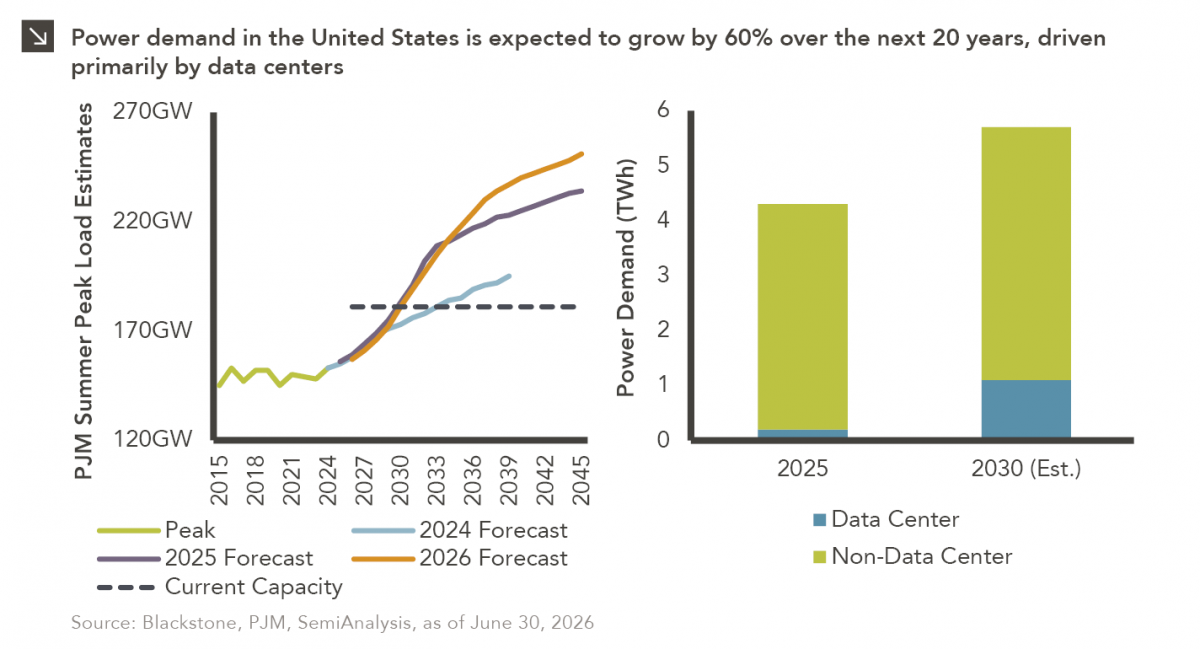
This week’s chart highlights the accelerating growth of electricity demand in the U.S., which has been driven primarily by the…

10.08.2026
LIVE WEBINAR — OCTOBER 22 Please join Marquette’s research team for our 3Q 2026 Market Insights Webinar…
10.05.2026
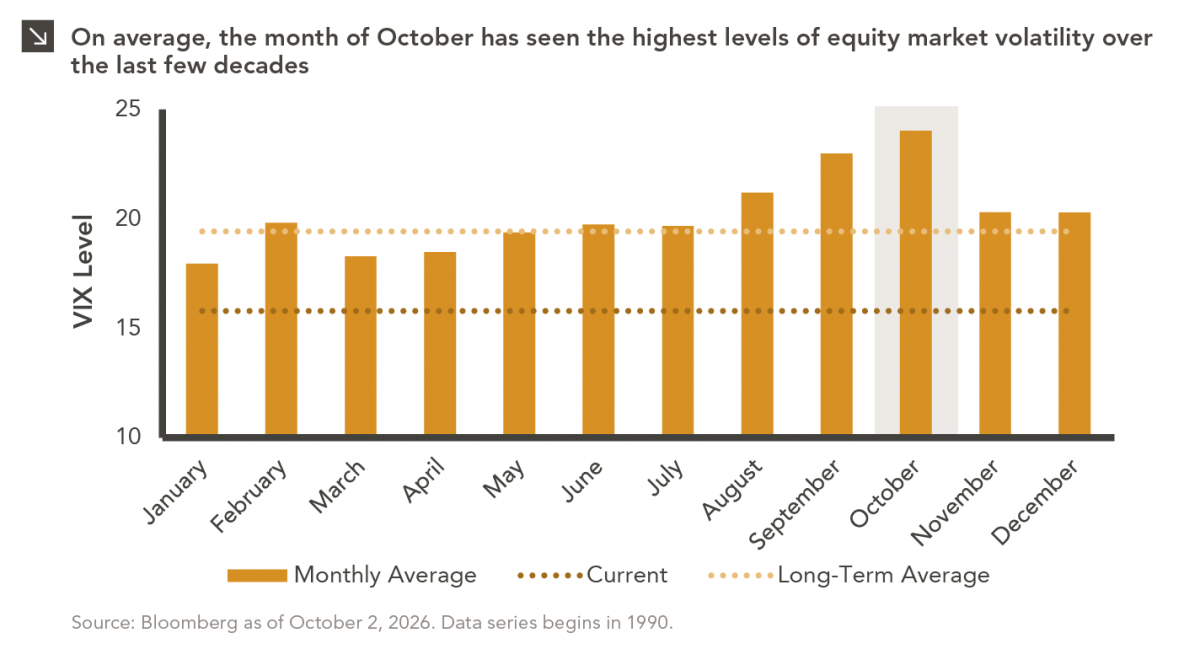
For investors, the spookiest thing about October might not be the ghosts and monsters that are bound to show up…
09.28.2026
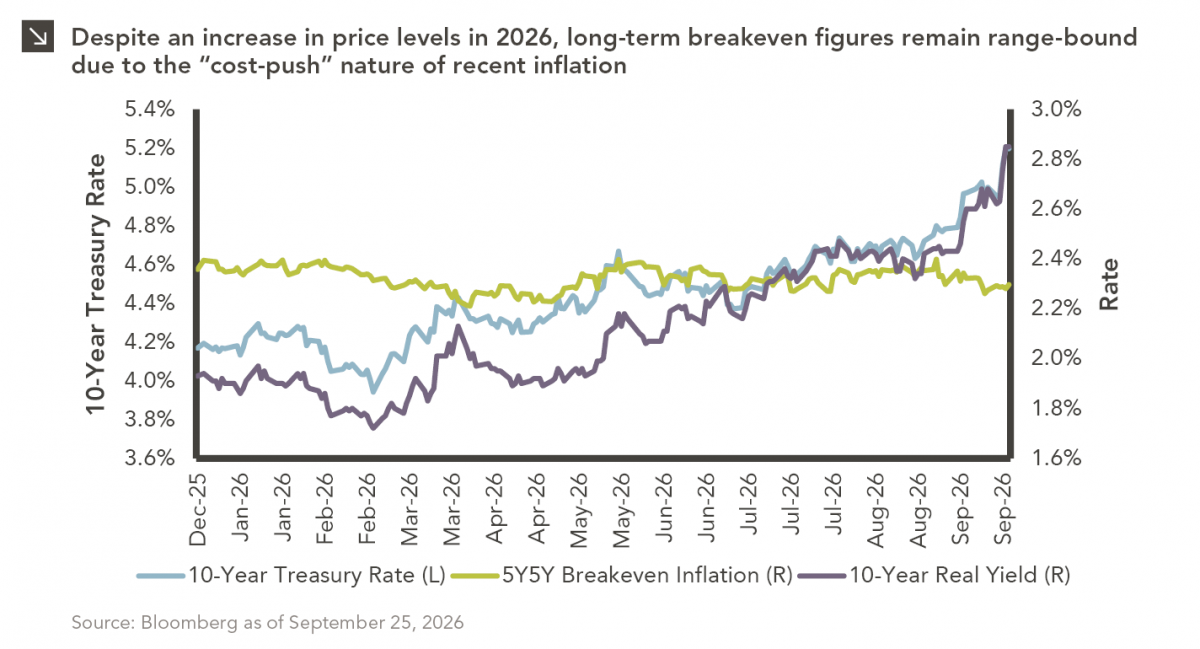
The phrase “expectations of higher inflation” has become a staple in financial news to explain the increase in nominal U.S….
Research alerts keep you updated on our latest research publications. Simply enter your contact information, choose the research alerts you would like to receive and click Subscribe. Alerts will be sent as research is published.
We respect your privacy. We will never share or sell your information.
If you have questions or need further information, please contact us directly and we will respond to your inquiry within 24 hours.
Contact Us >