Greg Leonberger, FSA, EA, MAAA, FCA
Partner, Director of Research


Each year, investors face numerous questions that can impact their portfolios, and 2018 is no different. How will tax reform further impact the capital markets? How much – and often – will the Fed raise rates in the coming year? Can international equities continue to outperform their U.S. counterparts? Should we be concerned about the levels of dry powder in the private equity market? These topics among many others are covered in the following articles as we offer our annual market preview newsletters. In the links below, readers will find a preview newsletter for each asset class that we cover, as well as a general U.S. economic preview. Each article contains insightful analysis and key themes to monitor over the coming year, themes which will underlie the actual performance of the asset classes covered. We hope that this set of articles can assist you and your committees as you plan for 2018. Should you have any questions about any of the content, please feel free to contact myself or any of the authors or consultants here at Marquette. We also have a webinar recording available by request if you would like to hear a high-level presentation of the topics presented in these articles. Happy New Year!
U.S. Economy by Jeffrey Hoffmeyer, CFA, Lead Analyst, Asset Allocation
Fixed Income by Ben Mohr, CFA, Senior Research Analyst, Fixed Income
U.S. Equities by Samantha T. Grant, CFA, CAIA, Senior Research Analyst, U.S. Equities & Rob Britenbach, CIPM, Research Analyst, U.S. Equities
Non-U.S. Equities by David Hernandez, CFA, Senior Research Analyst, International Equities
Real Estate by Jeremy Zirin, CAIA, Senior Research Analyst, Real Assets
Infrastructure by Jeremy Zirin, CAIA, Senior Research Analyst, Real Assets
Hedge Funds by Joe McGuane, Senior Research Analyst, Alternatives
Private Equity by Derek Schmidt, CFA, CAIA, Senior Research Analyst, Private Equity

The opinions expressed herein are those of Marquette Associates, Inc. (“Marquette”), and are subject to change without notice. This material is not financial advice or an offer to purchase or sell any product. Marquette reserves the right to modify its current investment strategies and techniques based on changing market dynamics or client needs.
10.19.2026
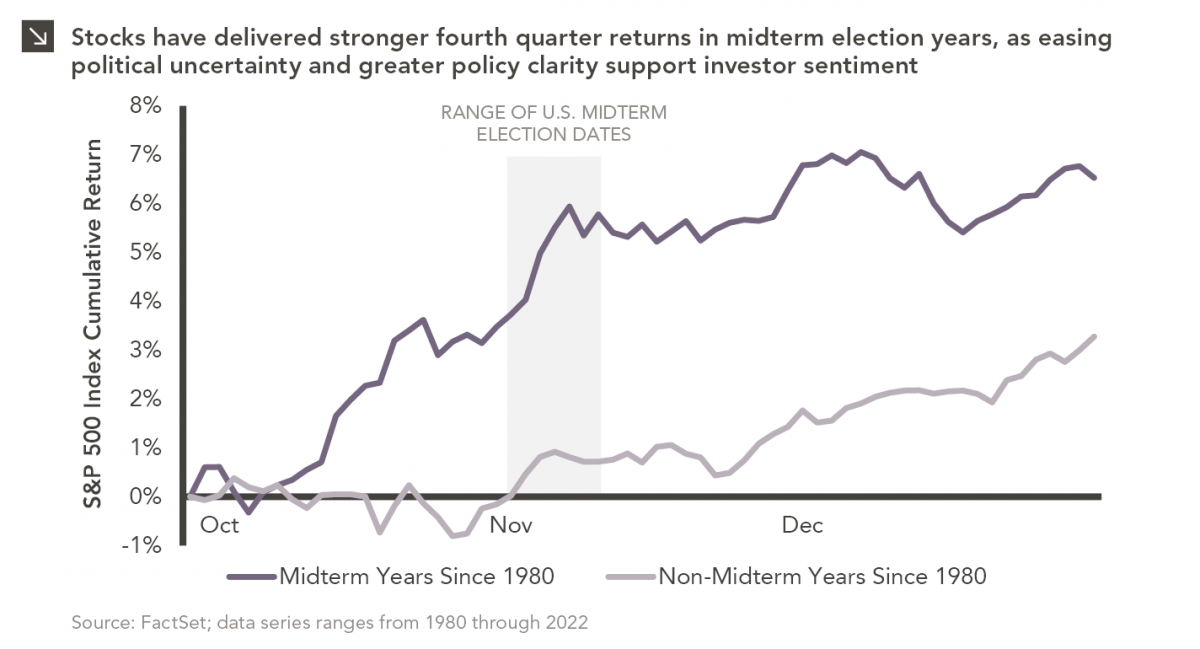
Since 1980, the S&P 500 Index has generally performed well in the weeks surrounding U.S. midterm elections. Specifically, the index…
10.12.2026
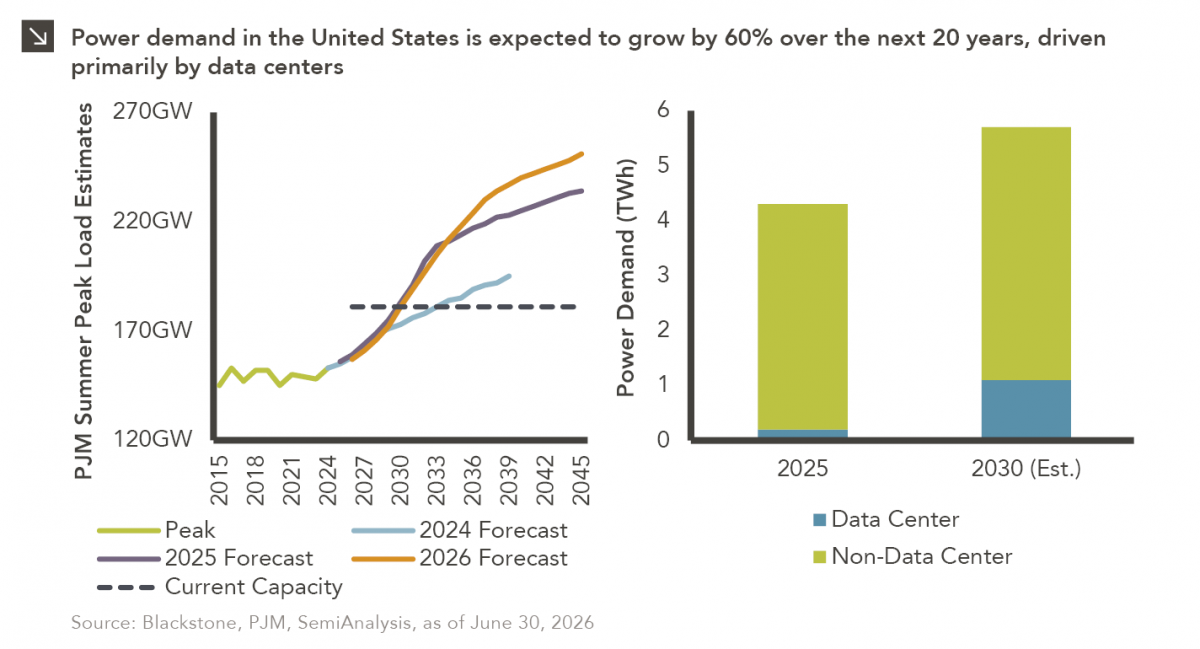
This week’s chart highlights the accelerating growth of electricity demand in the U.S., which has been driven primarily by the…

10.08.2026
LIVE WEBINAR — OCTOBER 22 Please join Marquette’s research team for our 3Q 2026 Market Insights Webinar…
10.05.2026
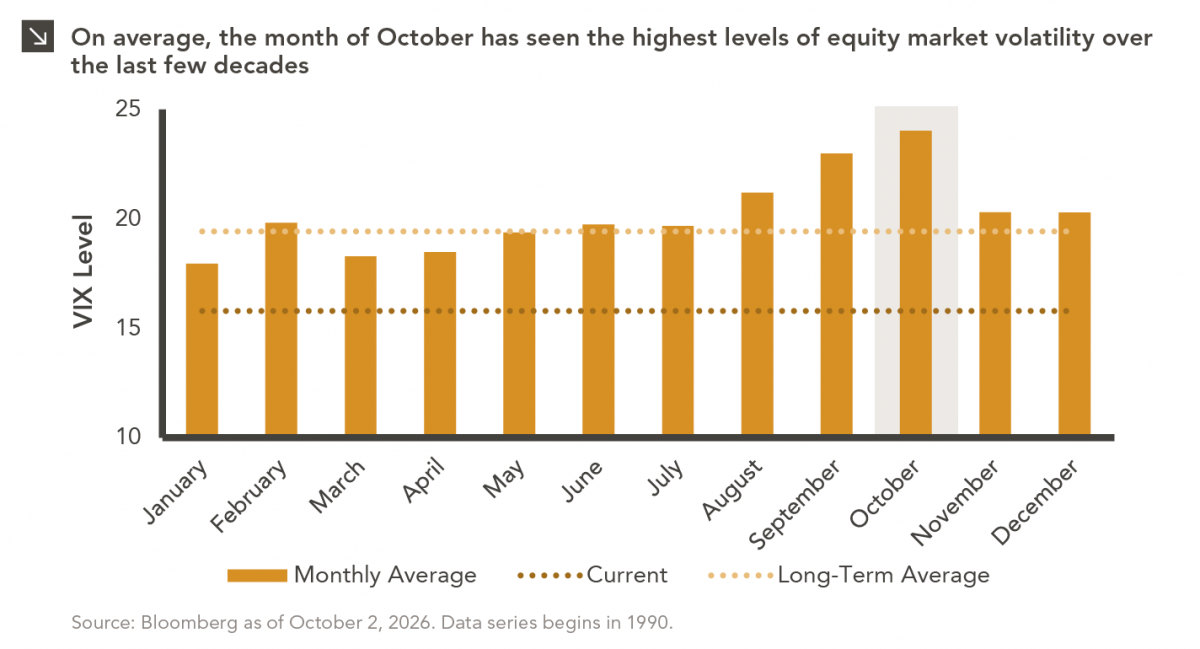
For investors, the spookiest thing about October might not be the ghosts and monsters that are bound to show up…
09.28.2026
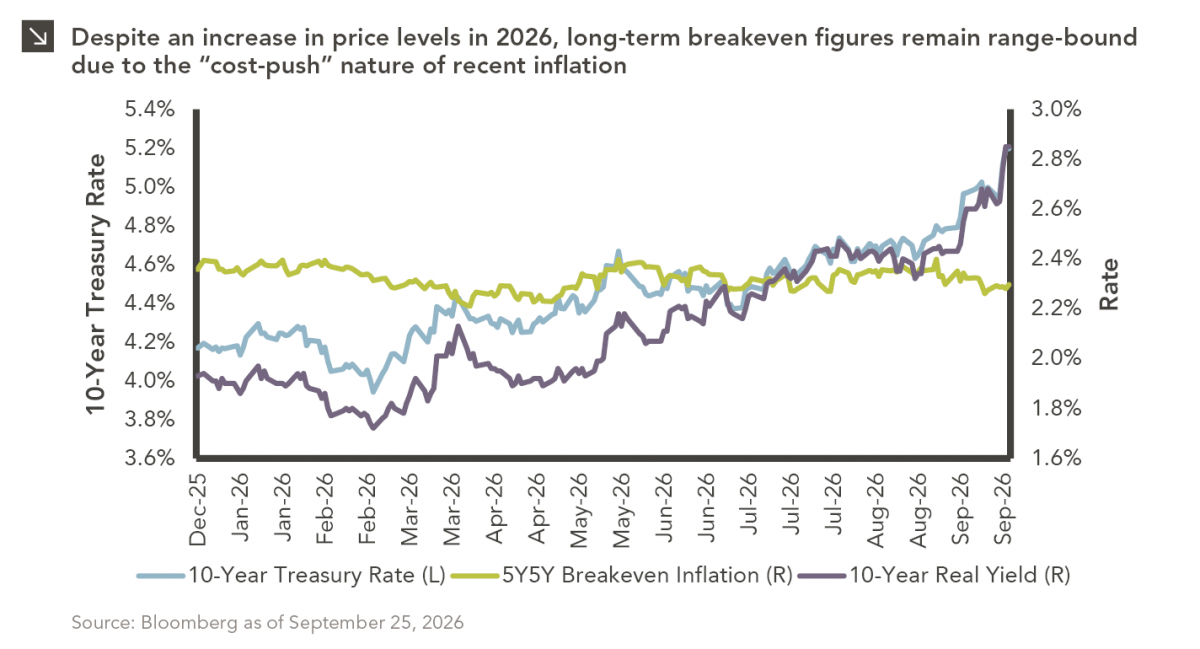
The phrase “expectations of higher inflation” has become a staple in financial news to explain the increase in nominal U.S….
09.21.2026
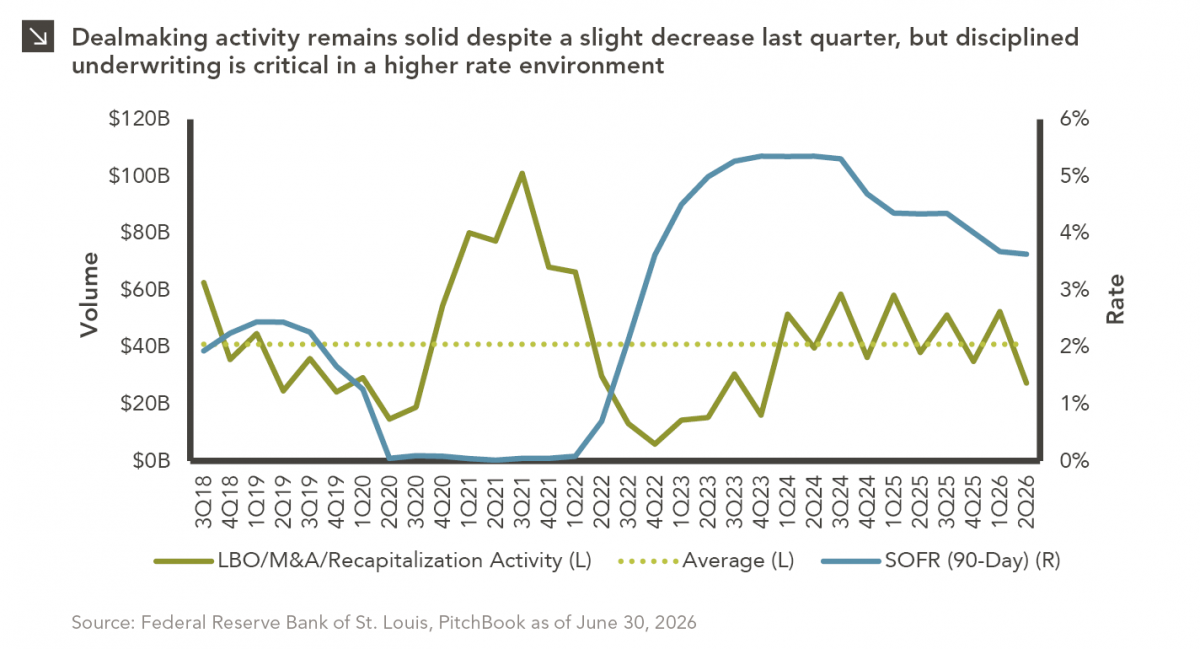
For much of the past several years, the conventional view has been that higher interest rates and stretched valuations would…
Research alerts keep you updated on our latest research publications. Simply enter your contact information, choose the research alerts you would like to receive and click Subscribe. Alerts will be sent as research is published.
We respect your privacy. We will never share or sell your information.
If you have questions or need further information, please contact us directly and we will respond to your inquiry within 24 hours.
Contact Us >