Greg Leonberger, FSA, EA, MAAA, FCA
Partner, Director of Research


2020 was a year like no other and has left investors across the world wondering what the future looks like. Will vaccines prove effective in halting a pandemic that spread like wildfire across the globe? What will the impact of a new administration in Washington be on economies and markets? How much additional stimulus will be injected into the economy? And most broadly, will things ever get back to “normal”? While there are no easy answers to these questions, 2021 promises to be another volatile year, most especially until there has been sufficient roll-out and distribution of vaccines to contain the COVID-19 outbreak that continues to haunt economic growth across the globe.
Remarkably, 2020 ended up as a positive year for financial markets despite a massive sell-off in the equity and credit markets during February and March. Paradoxically, 2021 may be a less eventful year but at the same time a lower overall return environment, given that much of the optimism about economic re-openings and stimulus has already been priced into the markets. Nonetheless, there are a variety of factors worth monitoring over the next year which will directly impact market returns. Similar to past years, we offer our 2021 market preview newsletters for each of the primary asset classes we cover, with in-depth analysis of last year’s performance as well as trends, themes, opportunities, and risks to watch for in 2021.
We hope these materials can assist you and your committees as you plan for the coming year and beyond. We have also produced a 2021 Market Preview video if you would like to hear a high-level summary of the market previews. Should you have any questions about anything related to these materials, please feel free to reach out to any of us for further assistance. Here’s to a return to normalcy in 2021!
U.S. Economy: Are Better Days Ahead?
by Brandon Von Feldt, CFA, Research Analyst
Fixed Income: Poised for Further Recovery with Undertones of Exuberance
by Ben Mohr, CFA, Director of Fixed Income
U.S. Equities: Birth of a New Market
by Samantha T. Grant, CFA, CAIA, Assistant Vice President,
Colleen Flannery, Research Analyst, U.S. Equities, and
Evan Frazier, CAIA, Research Analyst, U.S. Equities
Non-U.S. Equities: Constructive but Cautious
by David Hernandez, CFA, Senior Research Analyst, Non-U.S. Equities, and
Nicole Johnson-Barnes, CFA, Senior Research Analyst, Global Equities
Hedge Funds: Poised for Another Record Year?
by Joe McGuane, CFA, Senior Research Analyst, Alternatives
and Jessica Noviskis, CFA, Senior Research Analyst, Hedge Funds
Real Estate: Finding the New Normal
by Will DuPree, Senior Research Analyst, Real Assets
Infrastructure: An Evolving Opportunity Set, but an Essential Allocation
by Will DuPree, Senior Research Analyst, Real Assets
Private Equity: Both Quality and Growth Shine Brightly in 2020
by Derek Schmidt, CFA, CAIA, Director of Private Equity
Private Credit: Two Steps Forward, One Step Back
by Brett Graffy, CAIA, Research Analyst
Download the combined files > Traditional and Alternatives

The opinions expressed herein are those of Marquette Associates, Inc. (“Marquette”), and are subject to change without notice. This material is not financial advice or an offer to purchase or sell any product. Marquette reserves the right to modify its current investment strategies and techniques based on changing market dynamics or client needs.
10.12.2026
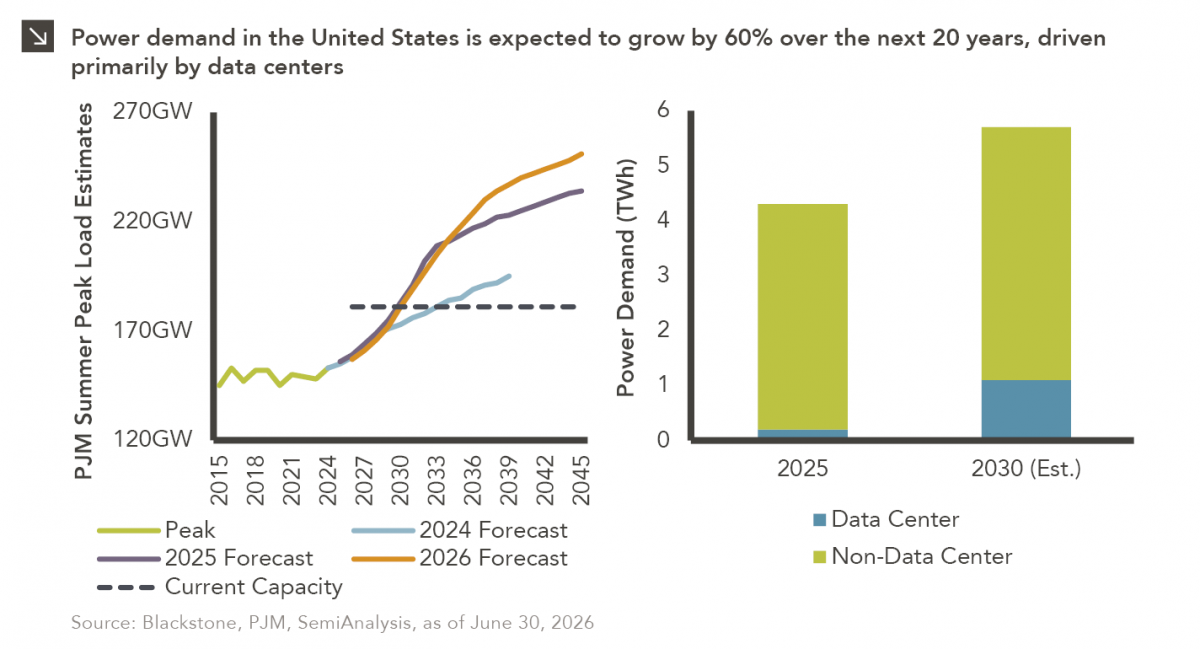
This week’s chart highlights the accelerating growth of electricity demand in the U.S., which has been driven primarily by the…

10.08.2026
LIVE WEBINAR — OCTOBER 22 Please join Marquette’s research team for our 3Q 2026 Market Insights Webinar…
10.05.2026
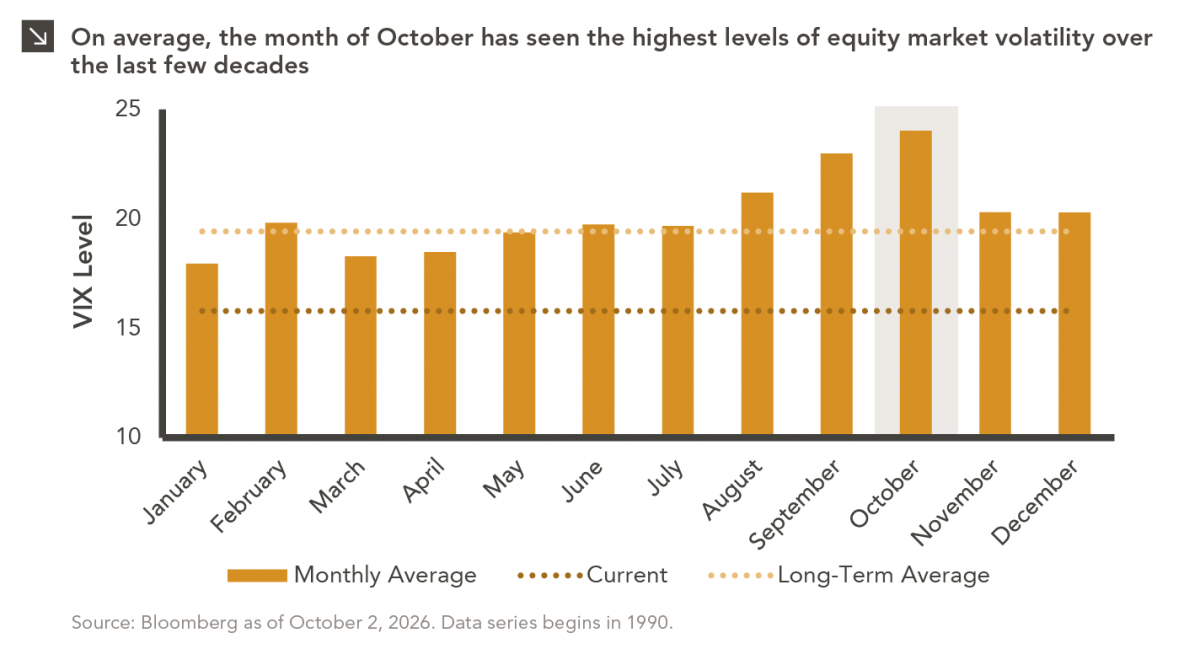
For investors, the spookiest thing about October might not be the ghosts and monsters that are bound to show up…
09.28.2026
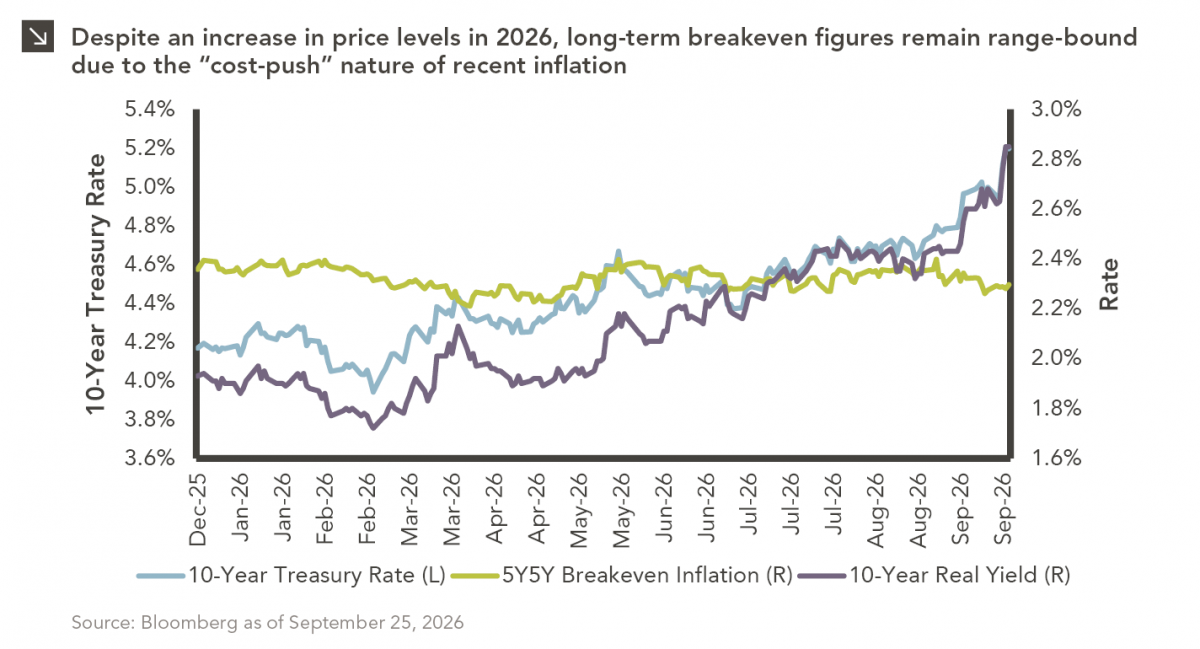
The phrase “expectations of higher inflation” has become a staple in financial news to explain the increase in nominal U.S….
09.21.2026
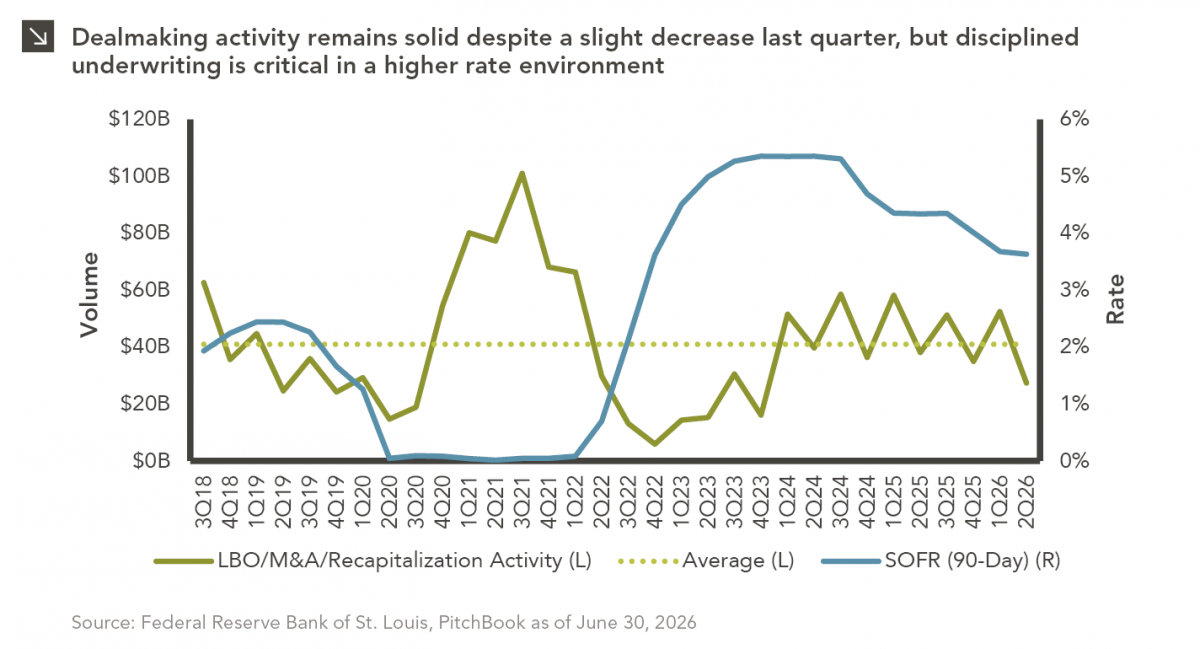
For much of the past several years, the conventional view has been that higher interest rates and stretched valuations would…
09.15.2026
Over the past decade, continuation vehicles (“CV”) have become one of the fastest-growing trends in private equity. Private equity funds…
Research alerts keep you updated on our latest research publications. Simply enter your contact information, choose the research alerts you would like to receive and click Subscribe. Alerts will be sent as research is published.
We respect your privacy. We will never share or sell your information.
If you have questions or need further information, please contact us directly and we will respond to your inquiry within 24 hours.
Contact Us >