10.22.2026
Will Higher Rates Cramp the Markets?
Anyone who has run a marathon knows the last six miles are brutal — no matter how well the first…


Our fourth quarter Investment Perspectives Newsletter provides an overview of 2008’s turbulent events in each asset class. We also highlight potential investment opportunities going into 2009.
No opening sentence can convey how difficult a year 2008 was for the financial markets. Most domestic equity indexes suffered losses over 35%, international stocks were crushed, fixed income prices dropped off a cliff as yields spiked, real estate values continued to fall and hedge funds blew up while getting hit with redemptions; it was the classic “correlation goes to one” as all asset classes delivered painfully negative returns. In total, close to $29 trillion was lost as a result of the global equity market declines. The only safe haven from the market carnage was in U.S. Treasuries, and investors flocked in droves, even accepting a negative yield on T-Bills for the comfort of (mostly) preserving the principal value of their assets. This “flight to quality” was representative of the fear running through investors as they took their money and made a mad dash for the exits. Their exit along with forced selling (“deleveraging”) and limited liquidity from hedge funds, investment banks and other speculators collectively fueled the second worst calendar year return on record. The only worse year was 1931 when the S&P 500 fell 43.4% in the midst of the Great Depression. Although the economy has not dipped to Depression-era lows, 2008 was a painful year.
The opinions expressed herein are those of Marquette Associates, Inc. (“Marquette”), and are subject to change without notice. This material is not financial advice or an offer to purchase or sell any product. Marquette reserves the right to modify its current investment strategies and techniques based on changing market dynamics or client needs.
10.22.2026
Anyone who has run a marathon knows the last six miles are brutal — no matter how well the first…
10.19.2026
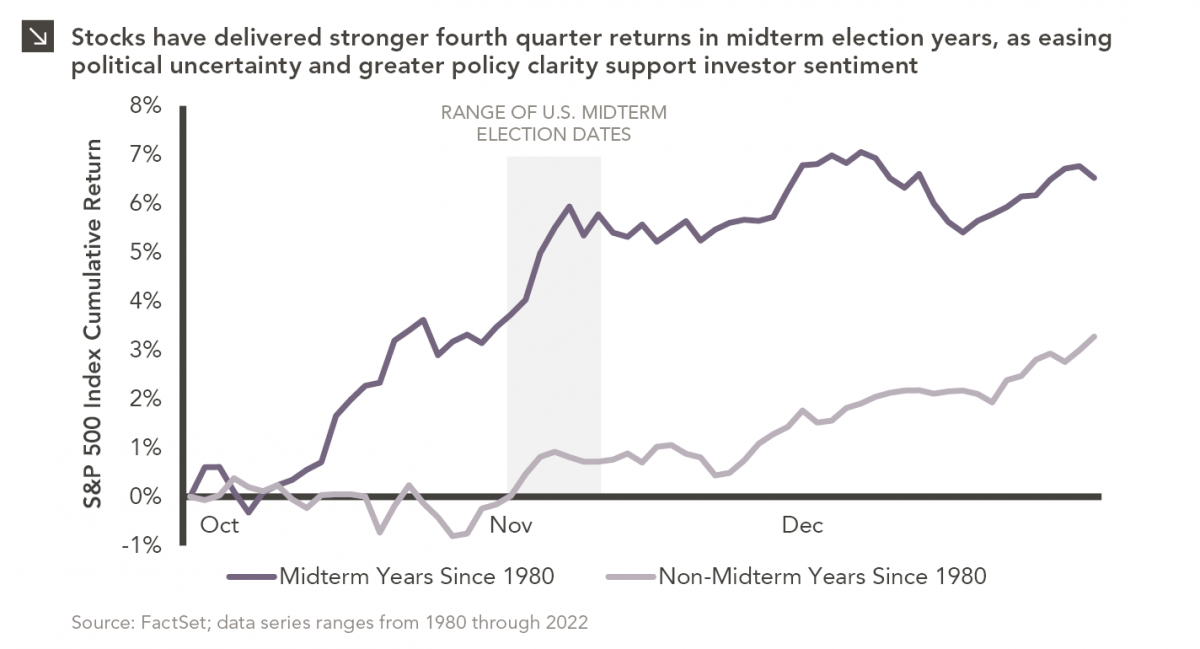
Since 1980, the S&P 500 Index has generally performed well in the weeks surrounding U.S. midterm elections. Specifically, the index…

10.08.2026
LIVE WEBINAR — OCTOBER 22 Please join Marquette’s research team for our 3Q 2026 Market Insights Webinar…
09.28.2026
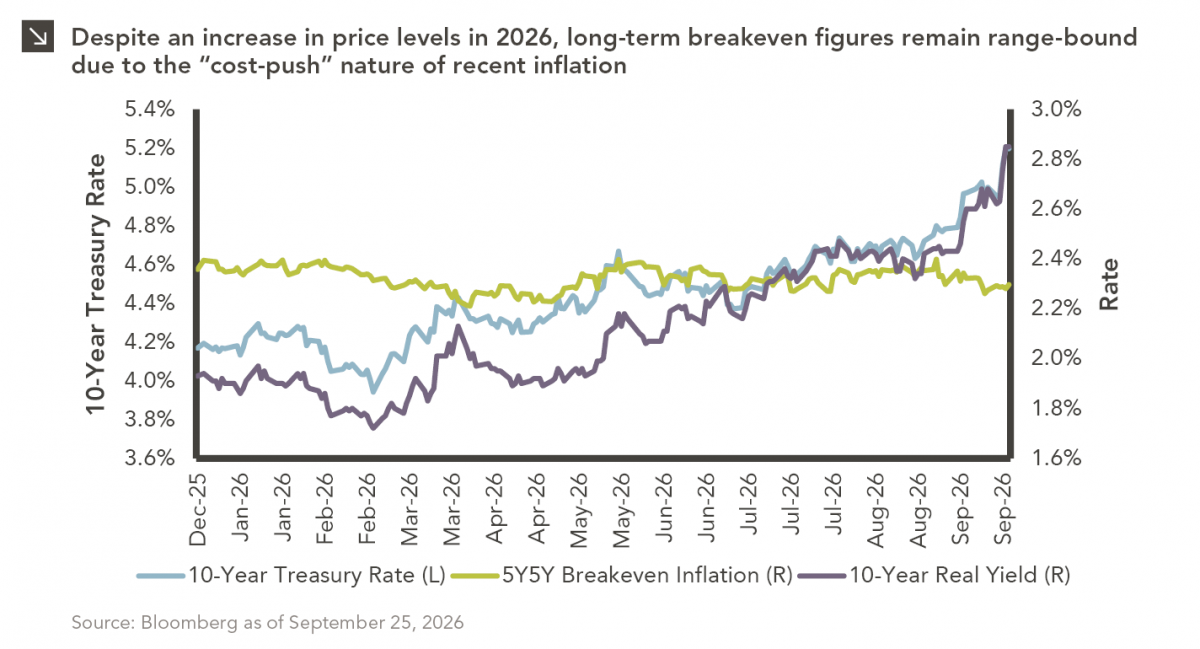
The phrase “expectations of higher inflation” has become a staple in financial news to explain the increase in nominal U.S….
09.15.2026
Over the past decade, continuation vehicles (“CV”) have become one of the fastest-growing trends in private equity. Private equity funds…
08.03.2026
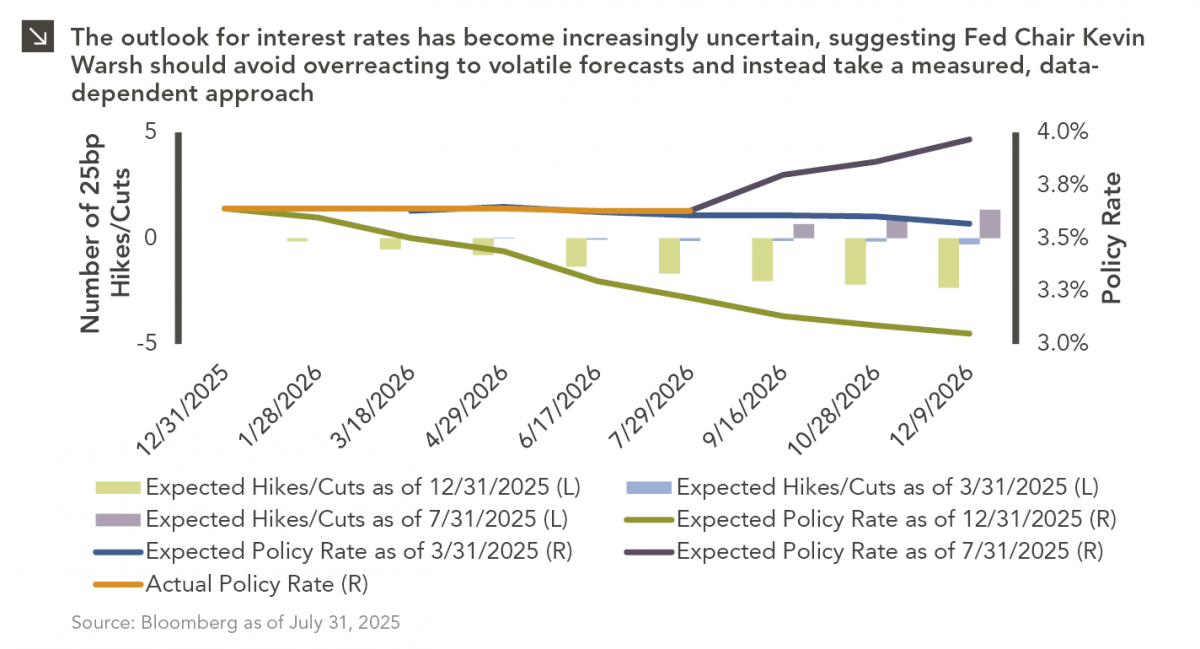
In the cinematic masterpiece Rocky IV, Rocky gets dazed by his opponent, Captain Ivan Drago, and complains that he sees…
Research alerts keep you updated on our latest research publications. Simply enter your contact information, choose the research alerts you would like to receive and click Subscribe. Alerts will be sent as research is published.
We respect your privacy. We will never share or sell your information.
If you have questions or need further information, please contact us directly and we will respond to your inquiry within 24 hours.
Contact Us >