Mike Spychalski, CAIA
Vice President


On October 7th, the Bureau of Labor Statistics released the August Job Openings and Labor Turnover Survey (JOLTS), which showed that the number of job openings waiting to be filled in the United States rose to 4.84 million. The 4.84 million vacant jobs in August is the highest number of job openings in the U.S. since January 2001, and is the third highest number of job openings on record since the inception of the JOLTS survey in 2000. The number of open jobs in the U.S. grew by 910,000 for the 12 month period ending August 31, which is the largest year-over-year increase in job openings since the JOLTS survey began. The large and growing number of open jobs in the U.S. indicates that the strong employment growth experienced recently is likely to continue into 2015.
The fact that there are a near-record number of vacant jobs in the U.S. while the unemployment rate is above the long-term average is a sign that employers are having difficulty finding qualified candidates for open positions. However, if this trend continues it will eventually start to put upward pressure on wages, which could be a bit of a double-edged sword. Higher wages would be a positive development for the overall economy, as the low level of wage growth the past several years has been a significant drag on consumer spending, which is the single largest contributor to GDP in the U.S. However, increased wage growth has the potential to put upward pressure on the inflation rate, which would likely force the Fed to raise interest rates more rapidly than the market currently anticipates, and this has the potential be a drag on the equity markets.

The opinions expressed herein are those of Marquette Associates, Inc. (“Marquette”), and are subject to change without notice. This material is not financial advice or an offer to purchase or sell any product. Marquette reserves the right to modify its current investment strategies and techniques based on changing market dynamics or client needs.
10.12.2026
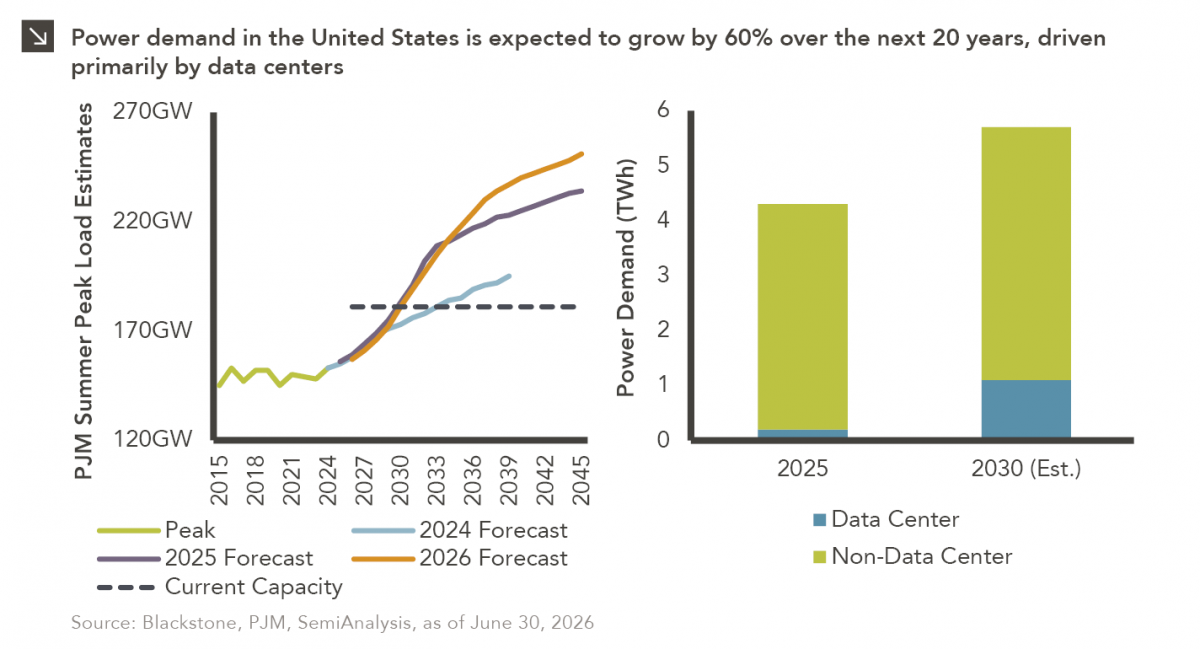
This week’s chart highlights the accelerating growth of electricity demand in the U.S., which has been driven primarily by the…

10.08.2026
LIVE WEBINAR — OCTOBER 22 Please join Marquette’s research team for our 3Q 2026 Market Insights Webinar…
10.05.2026
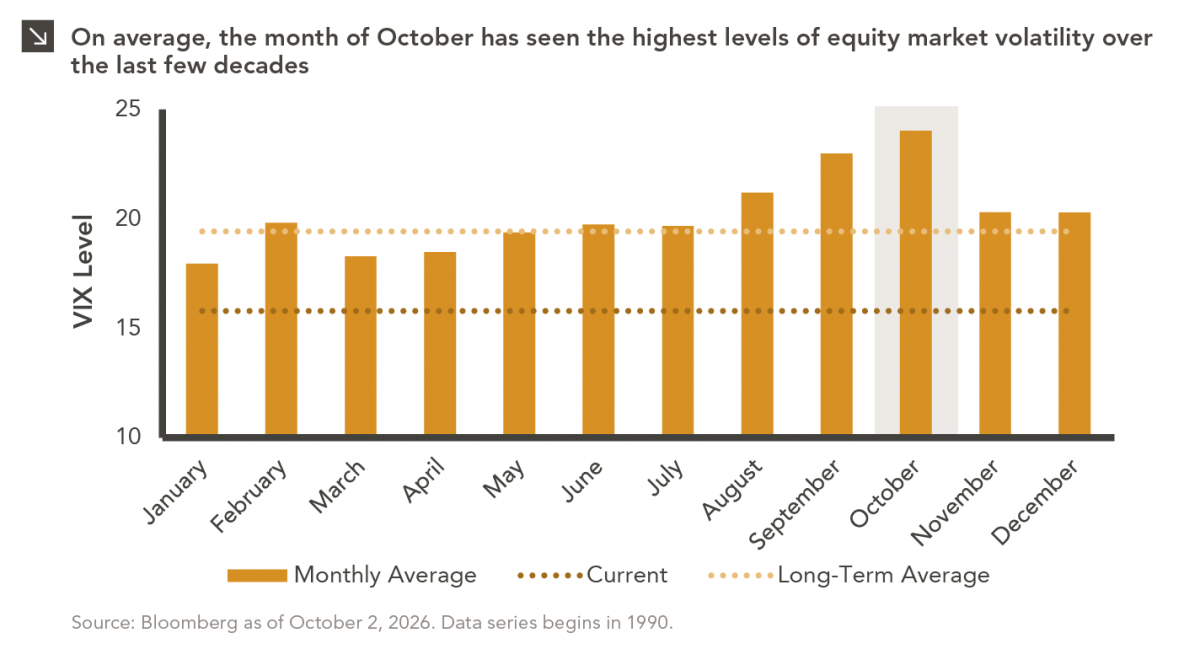
For investors, the spookiest thing about October might not be the ghosts and monsters that are bound to show up…
09.28.2026
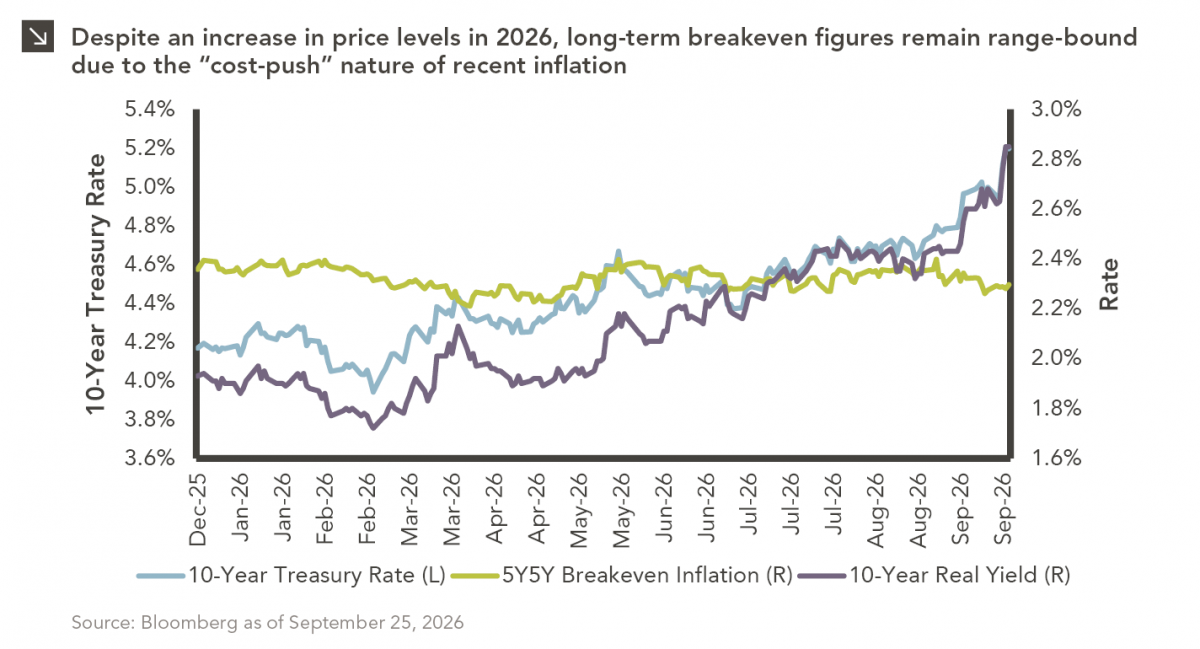
The phrase “expectations of higher inflation” has become a staple in financial news to explain the increase in nominal U.S….
09.21.2026
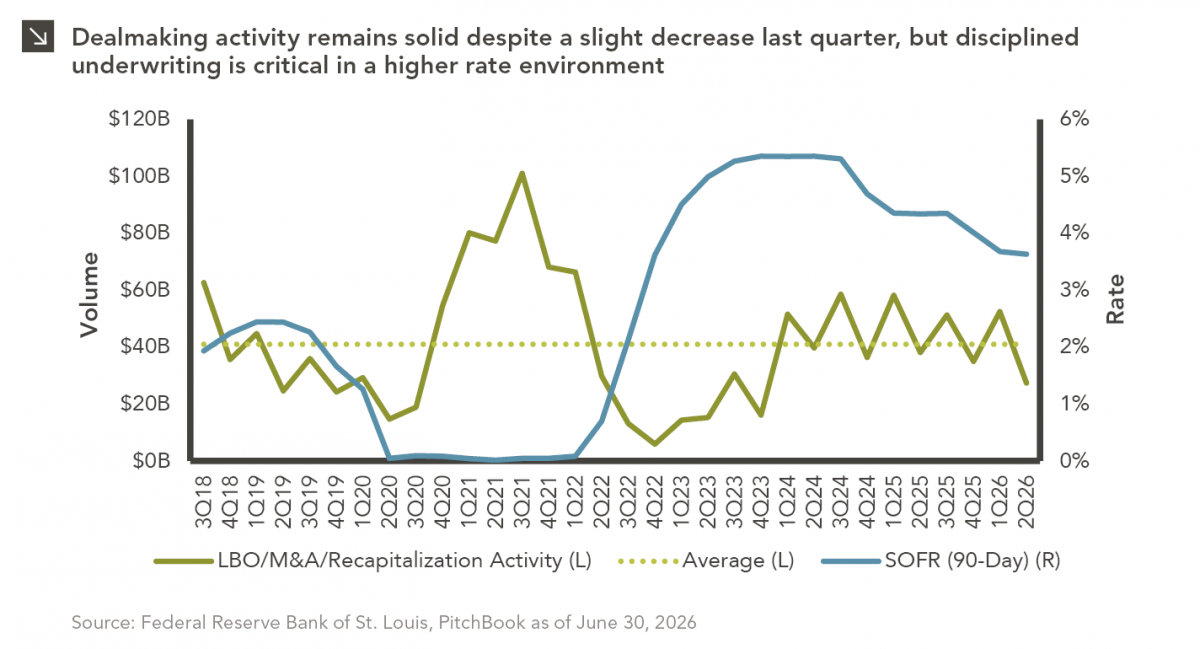
For much of the past several years, the conventional view has been that higher interest rates and stretched valuations would…
09.14.2026
There are many great things about working at Marquette Associates, but “Free Lunch Tuesday” is right at the top of…
Research alerts keep you updated on our latest research publications. Simply enter your contact information, choose the research alerts you would like to receive and click Subscribe. Alerts will be sent as research is published.
We respect your privacy. We will never share or sell your information.
If you have questions or need further information, please contact us directly and we will respond to your inquiry within 24 hours.
Contact Us >