10.19.2026
Divided We Rise?
Since 1980, the S&P 500 Index has generally performed well in the weeks surrounding U.S. midterm elections. Specifically, the index…


On September 25, MSCI, Inc. — a leading global provider of research-based indices and analytics — announced its plans to consult on a further weight increase to China A-shares in the MSCI Global Investable Market Indexes. The changes under consideration include quadrupling the weighting of Chinese A-share large companies in its global benchmarks, adding mid-cap names, and including ChiNext as an eligible stock exchange segment. This consultation follows the successful implementation of an initial 5% inclusion of China A-shares in the MSCI China and related composite indices (such as the MSCI Emerging Markets Index) in May and August 2018.
Let’s unpack the full proposal, piece by piece. The first change would be an increase to the inclusion factor of China A-share large cap securities from 5% to 20% over two phases. Specifically, MSCI would target a 7.5% increase coinciding with their May 2019 semi-annual index review and another 7.5% bump up with their August 2019 quarterly index review. Second, MSCI would increase the list of eligible Chinese stock exchange segments by adding the ChiNext board of the Shenzhen Stock Exchange during the May 2019 review. The ChiNext board, where most technology firms make their debut, represents 20% of the total China A-shares opportunity set and has a larger free-float adjusted market capitalization than Shenzhen main and SME boards. Lastly, China A-share mid cap securities would be included with a 20% inclusion factor as part of the May 2020 semi-annual index review.
MSCI’s rationale for the suggested expansion of A-share inclusion is largely driven by the incremental improvements in market accessibility implemented by China. Since the announcement of MSCI China A shares inclusions in July 2017, the daily trading limit and number of new accounts opened has significantly increased within the Stock Connect program, which is an investment channel between Hong Kong, Shanghai, and Shenzhen that allows international and mainland Chinese investors to trade securities in each other’s markets. There has also been a considerable drop in the number of trading suspensions. For example, the number of large cap trade suspensions in the MSCI China A International IMI Index has decreased from 16 to zero over the past 15 months.
The above chart depicts the pro-forma country weights should these changes be implemented. As indicated, Chinese A-shares’ portion of the index would increase from 0.7% to 3.4%. The anticipated net effect would be a slight increase in China’s overall representation in the MSCI Emerging Markets index by 1.0%.
While MSCI’s consultation may or may not lead to changes in the MSCI indices, this proposal indicates growing confidence in market liberalization within China. And, if implemented, these moves will increase foreign investor inflows into China’s $7 trillion stock market. Chinese markets have been able to handle increased trading volumes. This reaffirms our view that institutional investors will increasingly have exposure to China’s local markets over medium to long term.
The opinions expressed herein are those of Marquette Associates, Inc. (“Marquette”), and are subject to change without notice. This material is not financial advice or an offer to purchase or sell any product. Marquette reserves the right to modify its current investment strategies and techniques based on changing market dynamics or client needs.
The opinions expressed herein are those of Marquette Associates, Inc. (“Marquette”), and are subject to change without notice. This material is not financial advice or an offer to purchase or sell any product. Marquette reserves the right to modify its current investment strategies and techniques based on changing market dynamics or client needs.
10.19.2026
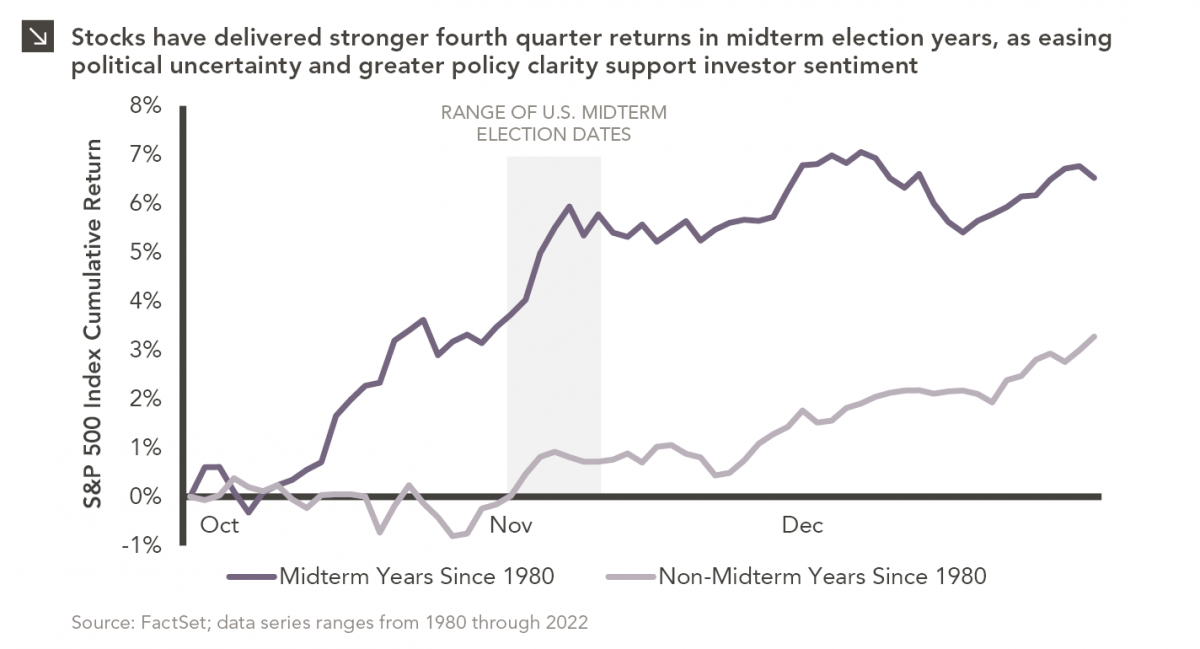
Since 1980, the S&P 500 Index has generally performed well in the weeks surrounding U.S. midterm elections. Specifically, the index…
10.12.2026
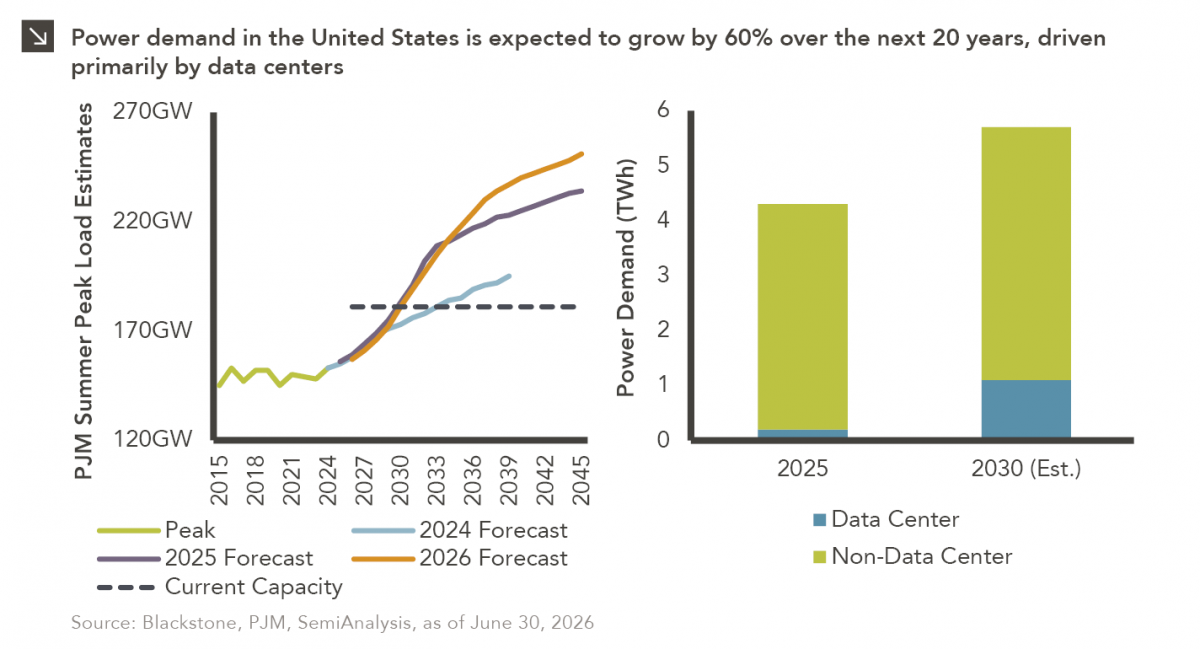
This week’s chart highlights the accelerating growth of electricity demand in the U.S., which has been driven primarily by the…

10.08.2026
LIVE WEBINAR — OCTOBER 22 Please join Marquette’s research team for our 3Q 2026 Market Insights Webinar…
10.05.2026
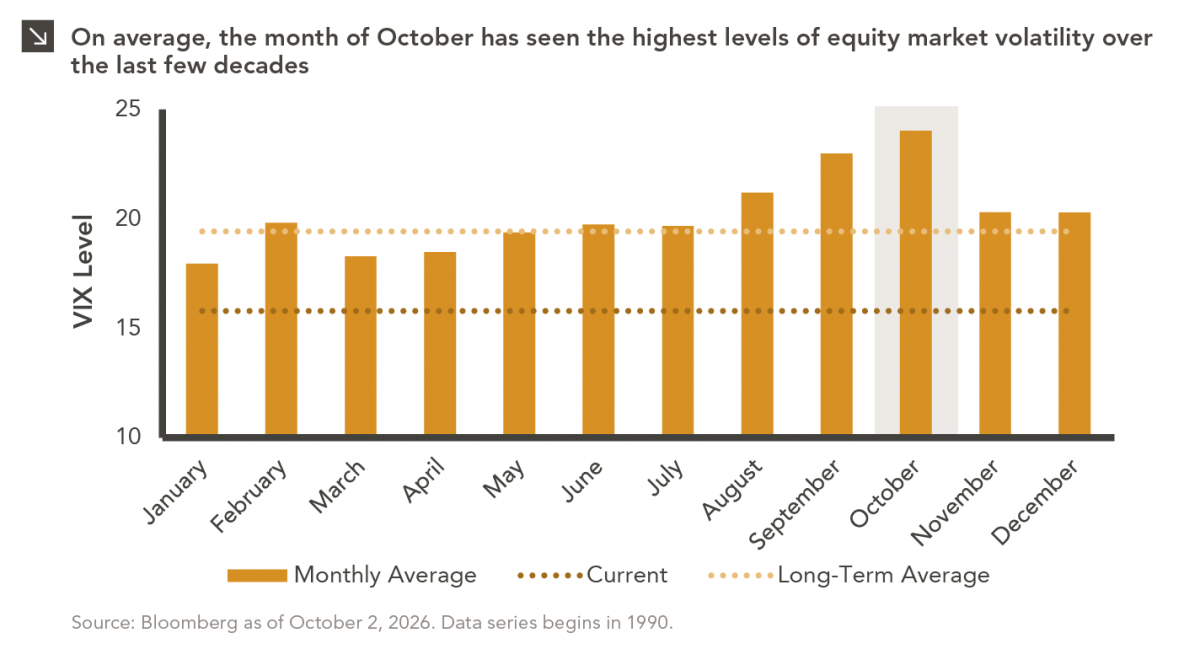
For investors, the spookiest thing about October might not be the ghosts and monsters that are bound to show up…
09.28.2026
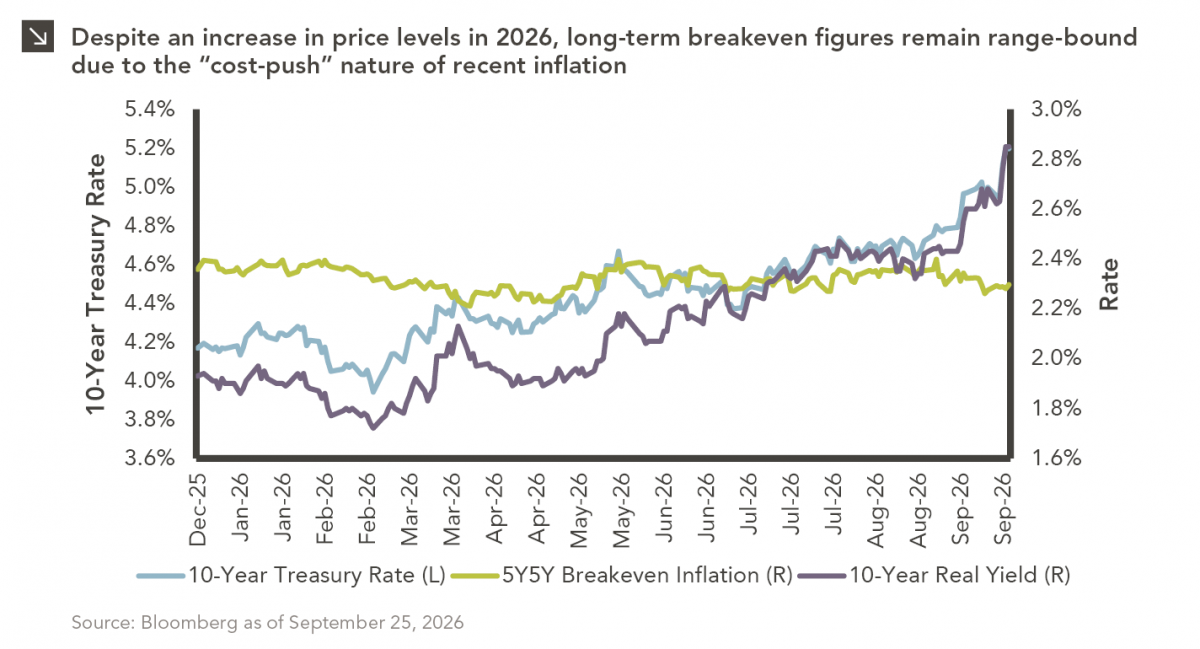
The phrase “expectations of higher inflation” has become a staple in financial news to explain the increase in nominal U.S….
09.21.2026
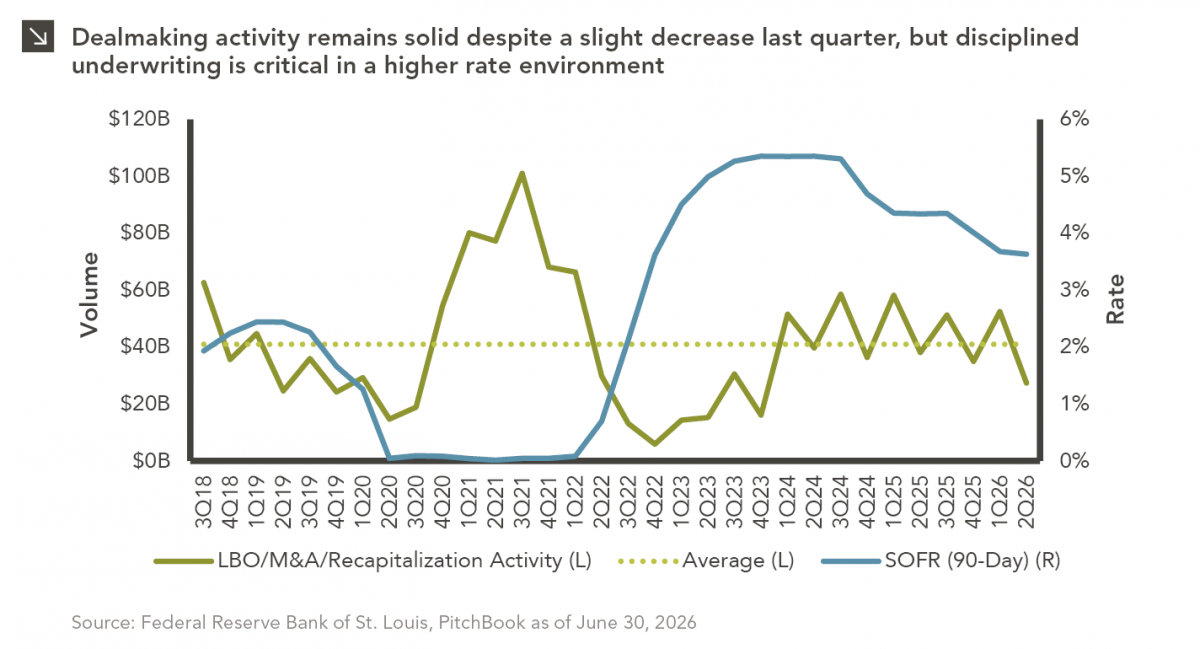
For much of the past several years, the conventional view has been that higher interest rates and stretched valuations would…
Research alerts keep you updated on our latest research publications. Simply enter your contact information, choose the research alerts you would like to receive and click Subscribe. Alerts will be sent as research is published.
We respect your privacy. We will never share or sell your information.
If you have questions or need further information, please contact us directly and we will respond to your inquiry within 24 hours.
Contact Us >