10.22.2026
Will Higher Rates Cramp the Markets?
Anyone who has run a marathon knows the last six miles are brutal — no matter how well the first…


With headline inflation hitting a 41-year high, the market has become increasingly skeptical of the Federal Reserve’s ability to combat rising price levels for consumers and producers alike. As market participants await additional action from the Fed, core inflation numbers have broken away from historical trends with core CPI exceeding core services since March last year. Core CPI, which includes all items except food and energy, has historically stayed near 2% and below core services. As the U.S. began to reopen in early 2021, the increased demand for goods amidst supply chain stresses was quickly followed by a rapid rise in core CPI. Recent geopolitical conflicts such as Russia’s invasion of Ukraine and lasting pandemic mitigation measures taken by China have only exacerbated supply chain disruptions as global trade remains stifled. While policymakers were initially confident in the transitory nature of inflation, it has proved more persistent, with the U.S. now entering a period of a wage-price spiral as higher prices and higher wages threaten a prolonged period of elevated price levels. In addition to supply chain matters, employment dynamics within the U.S. have left many sectors of the economy seeking workers, with many companies resorting to wage increases to maintain or expand their workforce. While wage growth has continued to lag inflation, it has contributed to core services significantly, with year-over-year increases reaching levels not seen in over 20 years. While it remains to be seen whether overall inflation has peaked, it is likely that core services inflation will remain for the time being as persistent labor shortages keep upward pressure on wages.
Print PDF > A Tale of Two CPIs
The opinions expressed herein are those of Marquette Associates, Inc. (“Marquette”), and are subject to change without notice. This material is not financial advice or an offer to purchase or sell any product. Marquette reserves the right to modify its current investment strategies and techniques based on changing market dynamics or client needs.

10.22.2026
Anyone who has run a marathon knows the last six miles are brutal — no matter how well the first…
10.19.2026
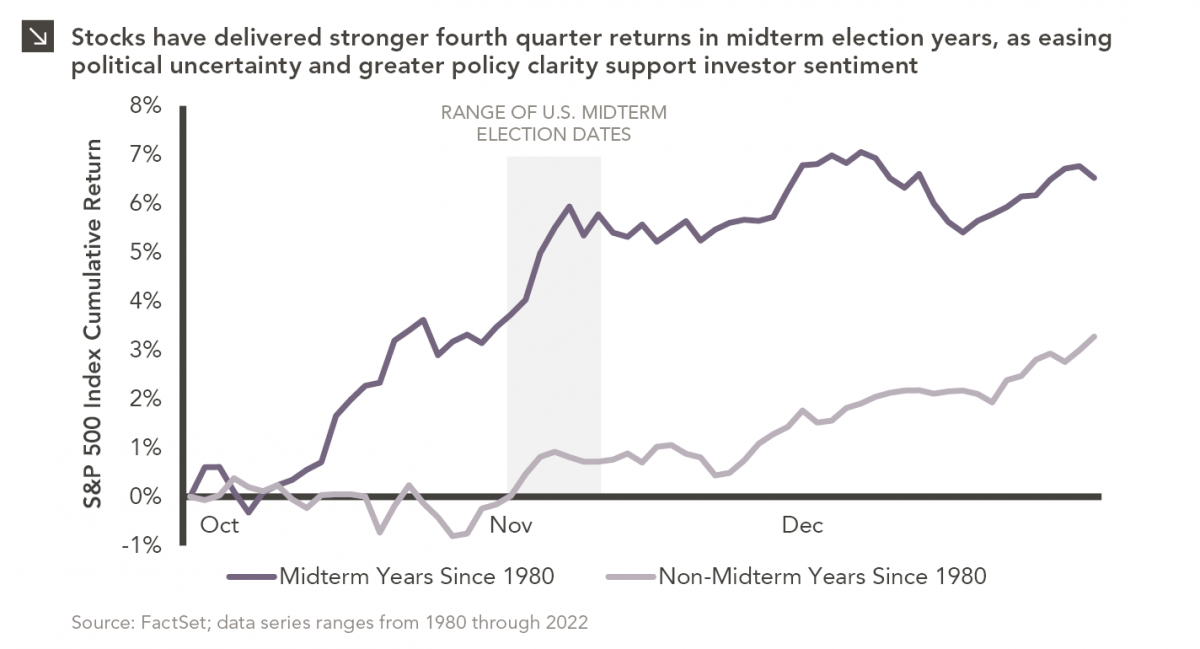
Since 1980, the S&P 500 Index has generally performed well in the weeks surrounding U.S. midterm elections. Specifically, the index…
10.12.2026
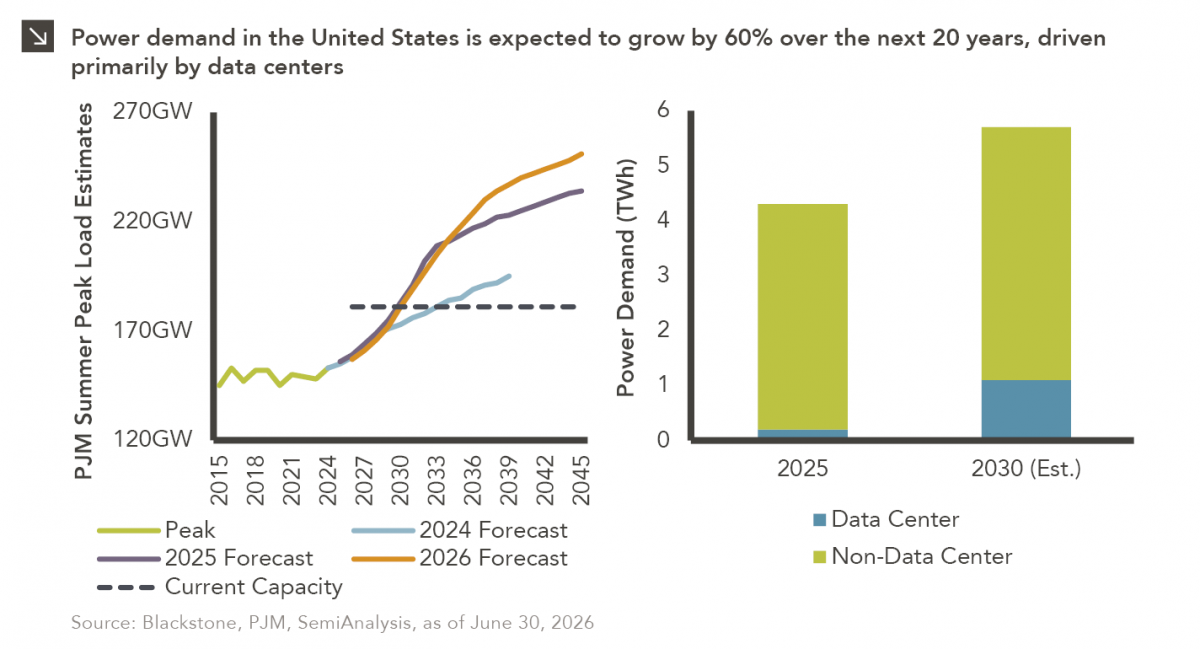
This week’s chart highlights the accelerating growth of electricity demand in the U.S., which has been driven primarily by the…

10.08.2026
LIVE WEBINAR — OCTOBER 22 Please join Marquette’s research team for our 3Q 2026 Market Insights Webinar…
10.05.2026
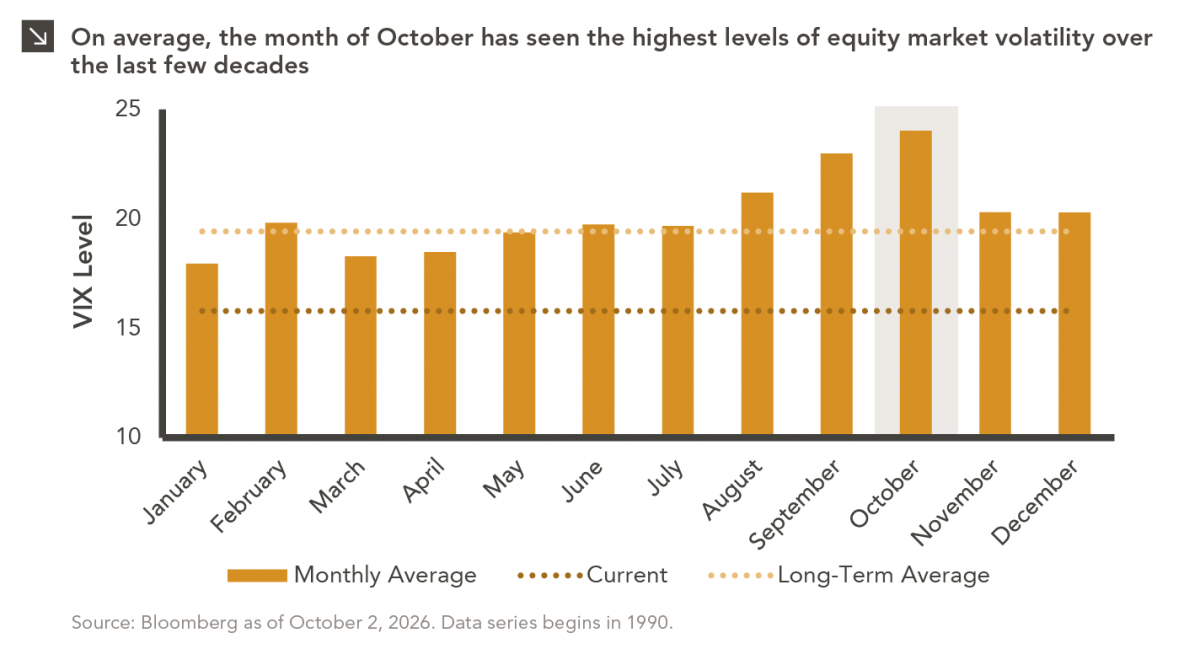
For investors, the spookiest thing about October might not be the ghosts and monsters that are bound to show up…
09.28.2026
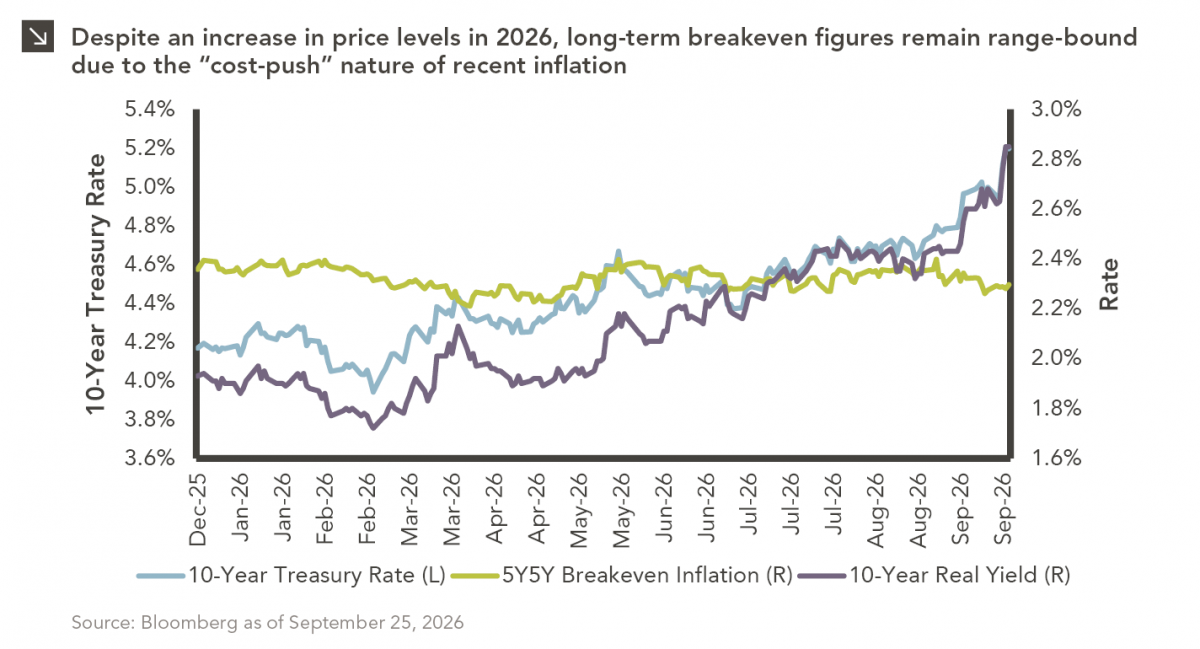
The phrase “expectations of higher inflation” has become a staple in financial news to explain the increase in nominal U.S….
Research alerts keep you updated on our latest research publications. Simply enter your contact information, choose the research alerts you would like to receive and click Subscribe. Alerts will be sent as research is published.
We respect your privacy. We will never share or sell your information.
If you have questions or need further information, please contact us directly and we will respond to your inquiry within 24 hours.
Contact Us >