10.08.2026
3Q 2026 Market Insights
This video is a recording of a live webinar held October 22 by Marquette’s research team analyzing the third quarter…


Although travelers have happily bid farewell to pandemic-related restrictions and returned to the skies en masse, airline stocks seem to have missed the memo on bouncing back to pre-COVID levels. To that point, the Dow Jones U.S. Airlines Index has returned roughly -35% since the start of the pandemic. This cumulative performance figure is despite a surge in the index in the wake of vaccine announcements in late 2020, as well as the fact that that this summer may be the busiest travel season the U.S. has ever seen. These dynamics can be observed in this week’s chart.
The dichotomy between booming travel numbers and lackluster airline stock performance can be attributed to several challenges facing the industry. Specifically, while increased passenger volumes boost revenues for major airlines, these businesses continue to grapple with profit margin pressures stemming from soaring operational costs. For instance, higher oil prices (now $80 per barrel compared to roughly $55 before the pandemic) have proved to be a significant headwind for airlines. Additionally, ongoing issues including pilot and crew shortages, escalating wages, operational inefficiencies, and higher maintenance expenses have further constrained airline profitability in recent time. Spending on corporate travel has also been somewhat tepid over the last few years as well, which has presented problems for airlines that offer premium upgrades such as business class seating.
In conclusion, the challenges faced by airlines will likely persist into the near future, though robust passenger volumes are certainly a cause for optimism. As it relates to investor exposure to these types of stocks in general, four major airlines (American, Delta, Southwest, and United) are constituents of the S&P 500 Index, and these carriers comprise roughly 0.2% of the benchmark. In other words, adequate diversification should mitigate the impacts of the headwinds described above at the portfolio level.
Print PDFThe opinions expressed herein are those of Marquette Associates, Inc. (“Marquette”), and are subject to change without notice. This material is not financial advice or an offer to purchase or sell any product. Marquette reserves the right to modify its current investment strategies and techniques based on changing market dynamics or client needs.

10.08.2026
This video is a recording of a live webinar held October 22 by Marquette’s research team analyzing the third quarter…

10.22.2026
Anyone who has run a marathon knows the last six miles are brutal — no matter how well the first…
10.19.2026
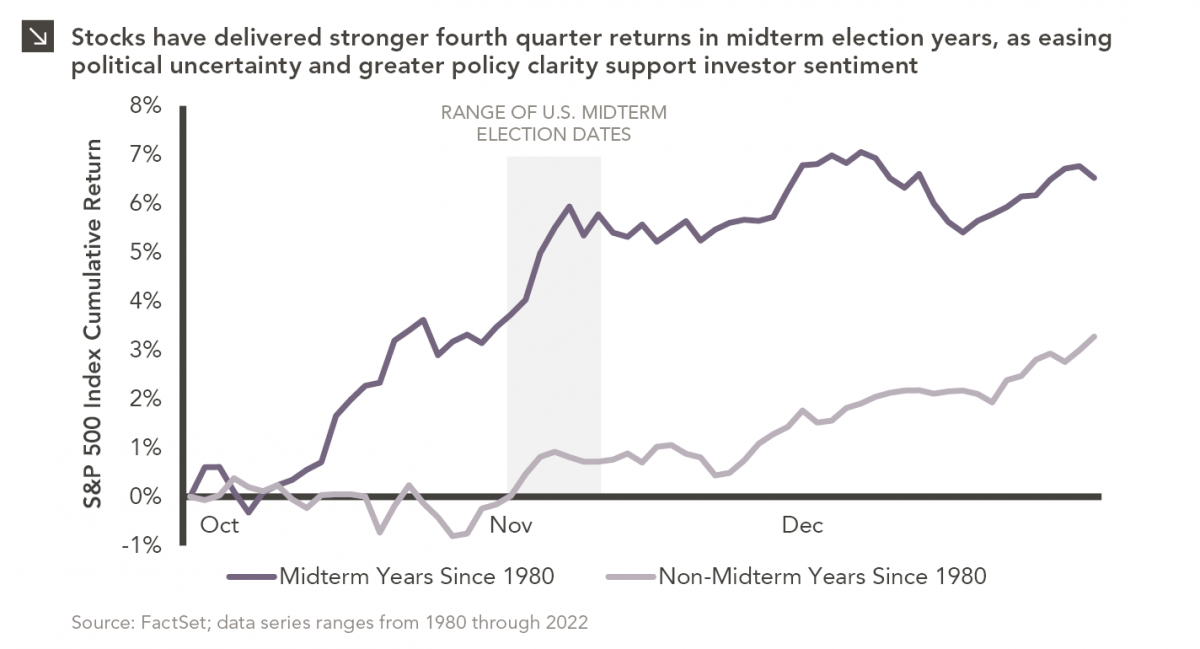
Since 1980, the S&P 500 Index has generally performed well in the weeks surrounding U.S. midterm elections. Specifically, the index…
10.12.2026
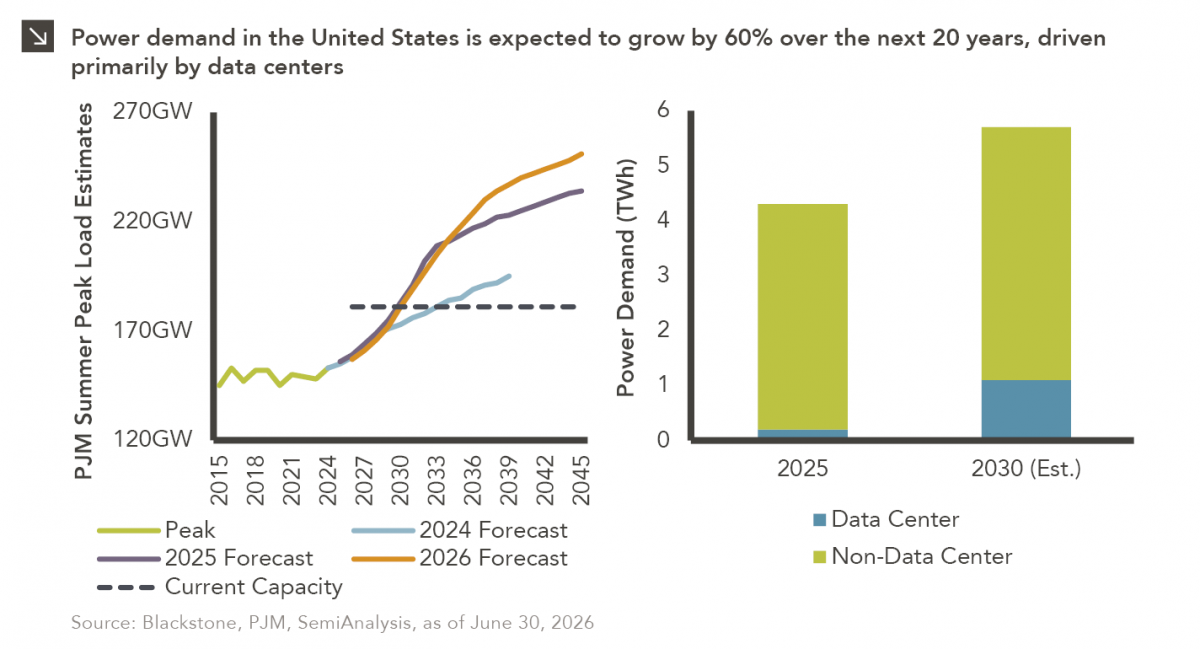
This week’s chart highlights the accelerating growth of electricity demand in the U.S., which has been driven primarily by the…
10.05.2026
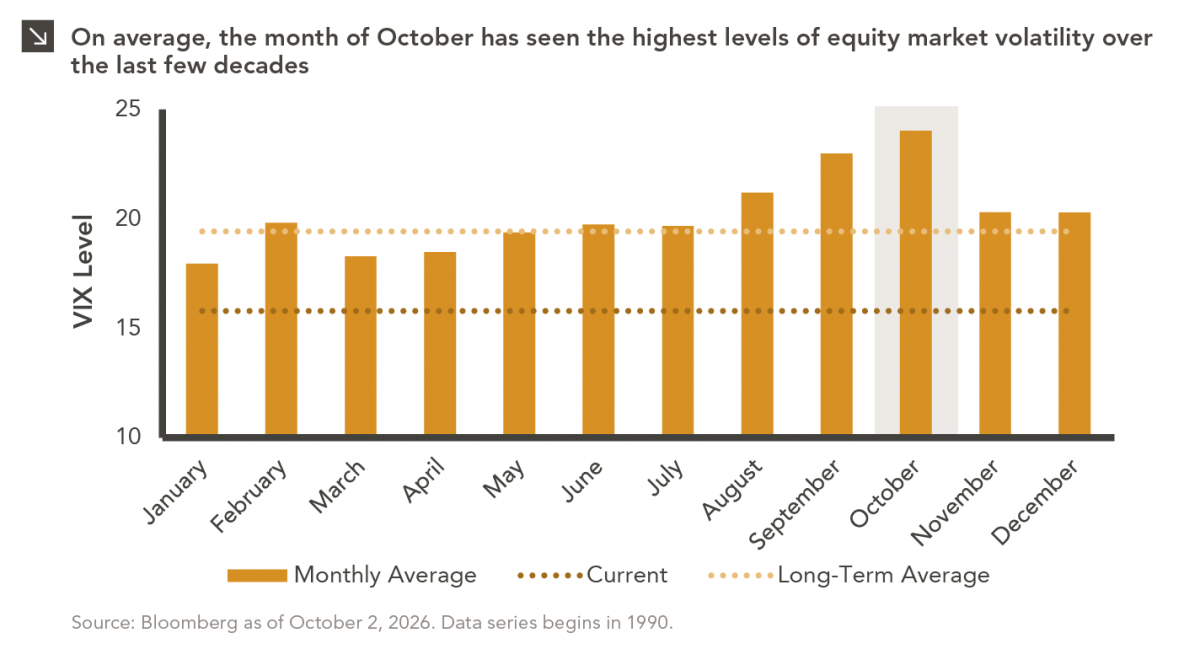
For investors, the spookiest thing about October might not be the ghosts and monsters that are bound to show up…
09.28.2026
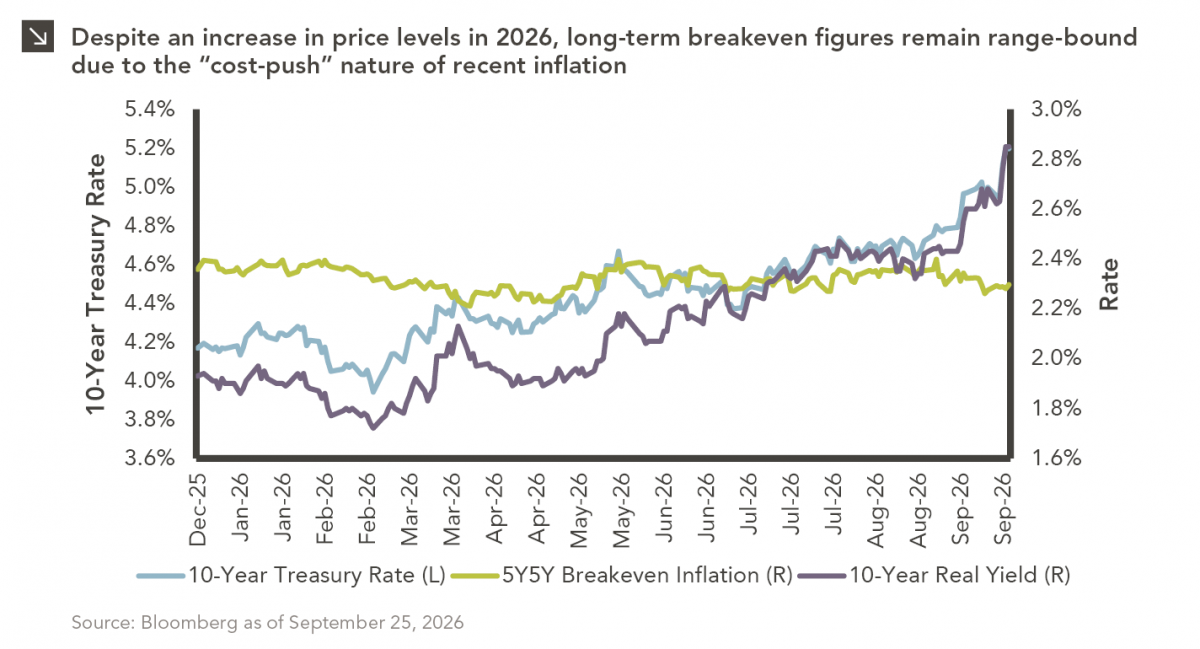
The phrase “expectations of higher inflation” has become a staple in financial news to explain the increase in nominal U.S….
Research alerts keep you updated on our latest research publications. Simply enter your contact information, choose the research alerts you would like to receive and click Subscribe. Alerts will be sent as research is published.
We respect your privacy. We will never share or sell your information.
If you have questions or need further information, please contact us directly and we will respond to your inquiry within 24 hours.
Contact Us >