10.22.2026
Will Higher Rates Cramp the Markets?
Anyone who has run a marathon knows the last six miles are brutal — no matter how well the first…


One cannot walk down the street, shop at a mall, or sit next to someone on an airplane without those ubiquitous white ear buds visibly present. With the introduction of Apple’s iPod on October 23, 2001, and the subsequent releases of the iPhone (June 2007) and the iPad (January 2010), Apple’s technologies have been accepted as the premiere gadgets to own. This success has catapulted Apple to be one of the best performing companies in the United States and the world.
On March 19th, Apple made news once again by declaring the payout of a dividend, the first time since December 1995, and a buy-back program of company stock. Apple currently has $100 billion of cash on its balance sheet. Investors and pundits alike have wondered, what will Apple do with all that cash? Keep investing in the business? Increase the retail presence? Buy a strategic partner? Buy a competitor? Buy back stock? Those questions have been put to rest, at least for now.
Apple announced a $2.65 per share dividend that will begin in July 2012. This represents a 0.45% quarterly yield and a 1.81% annual yield (dividend / share price). The $10 billion released for the stock buy-back program will begin in the fourth quarter of 2012. All in, this plan will cost the company approximately $40 billion over the next three years ($29.7 billion for the dividends and $10 billion for the buy back).
The price of Apple stock has steadily increased over time (as depicted in the chart above), resulting in an increased market capitalization of the company. With approximately 932.4 million shares outstanding, the company has a market capitalization value of over $560.5 billion. Apple is easily the largest constituent in the S&P 500. Exxon Mobil is the next closest company at $408.6 billion.
The opinions expressed herein are those of Marquette Associates, Inc. (“Marquette”), and are subject to change without notice. This material is not financial advice or an offer to purchase or sell any product. Marquette reserves the right to modify its current investment strategies and techniques based on changing market dynamics or client needs.

10.22.2026
Anyone who has run a marathon knows the last six miles are brutal — no matter how well the first…
10.19.2026
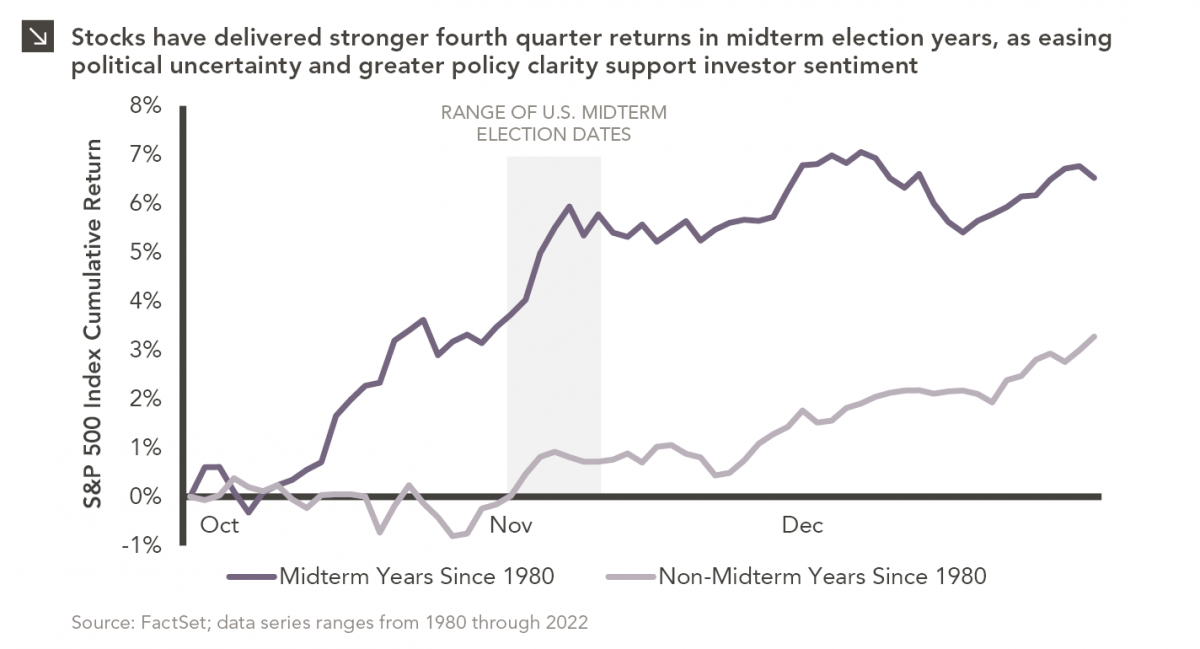
Since 1980, the S&P 500 Index has generally performed well in the weeks surrounding U.S. midterm elections. Specifically, the index…
10.12.2026
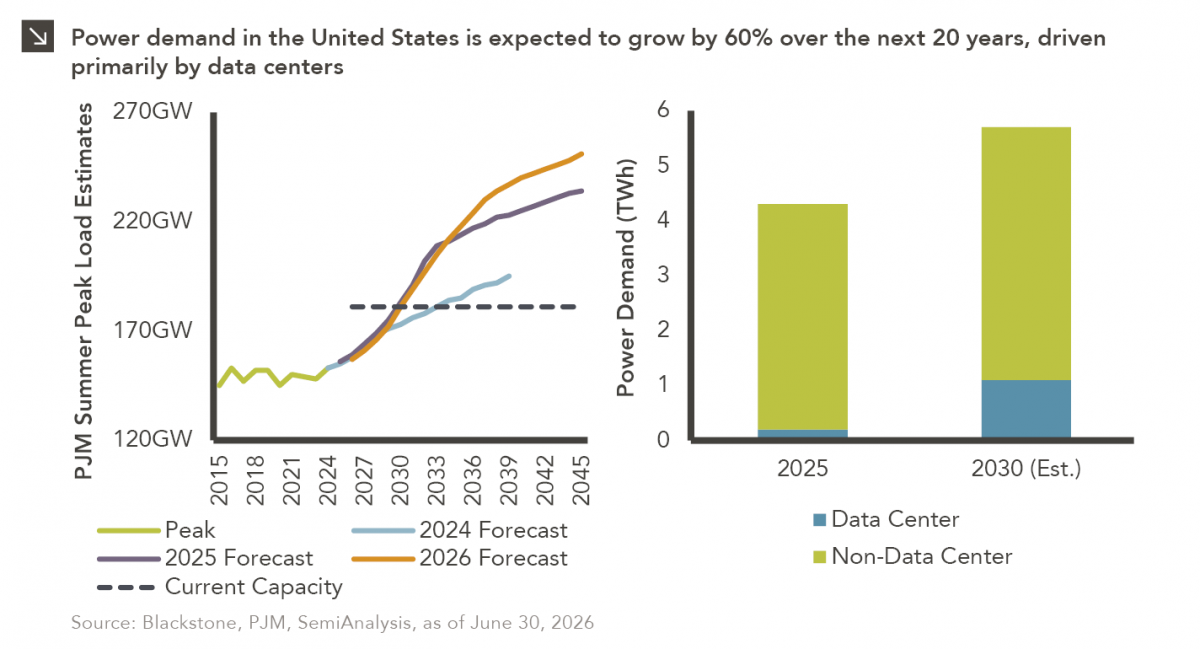
This week’s chart highlights the accelerating growth of electricity demand in the U.S., which has been driven primarily by the…

10.08.2026
LIVE WEBINAR — OCTOBER 22 Please join Marquette’s research team for our 3Q 2026 Market Insights Webinar…
10.05.2026
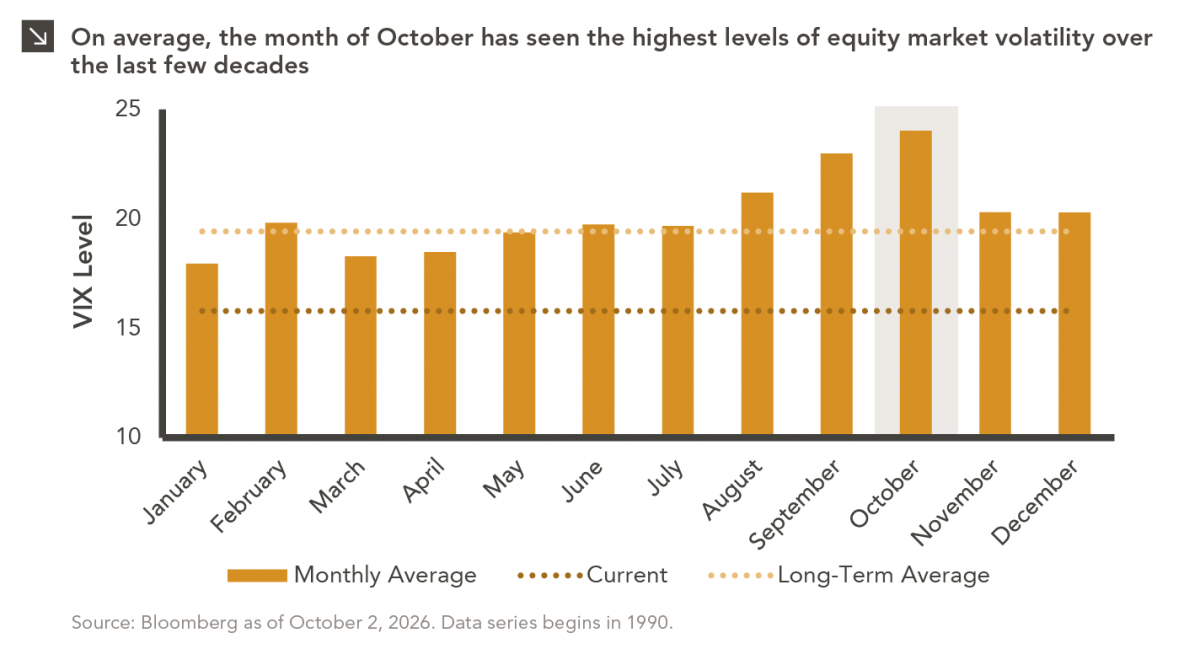
For investors, the spookiest thing about October might not be the ghosts and monsters that are bound to show up…
09.28.2026
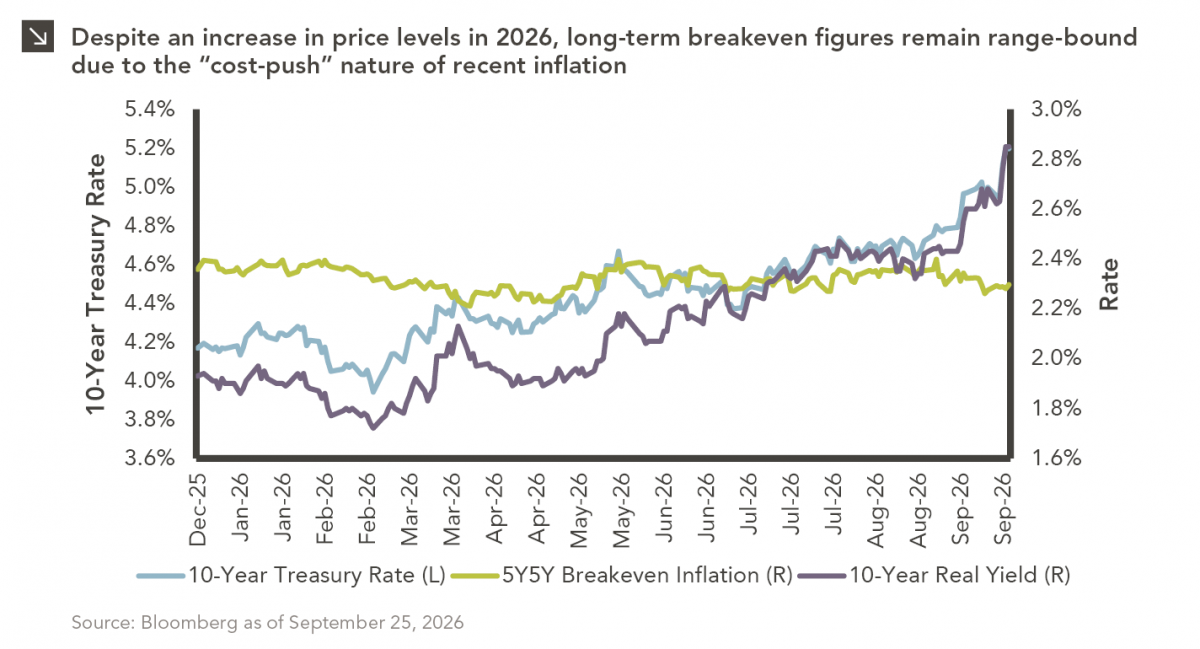
The phrase “expectations of higher inflation” has become a staple in financial news to explain the increase in nominal U.S….
Research alerts keep you updated on our latest research publications. Simply enter your contact information, choose the research alerts you would like to receive and click Subscribe. Alerts will be sent as research is published.
We respect your privacy. We will never share or sell your information.
If you have questions or need further information, please contact us directly and we will respond to your inquiry within 24 hours.
Contact Us >