10.22.2026
Will Higher Rates Cramp the Markets?
Anyone who has run a marathon knows the last six miles are brutal — no matter how well the first…


For much of the last two years, big name tech stocks had been tantalizing fruit for investors willing to pay up for growth. Enter 2022. After peaking on January 4th, the S&P 500 has taken a nosedive, led by those same tech stocks. Since 2018, the Information Technology sector has grown from a 20.1% weight in the S&P 500 to 26.8%, setting it up to now have an outsized impact as equities correct. The largest detractors year-to-date, regardless of GICS sector classification, have business models and value propositions rooted in technological advancement and innovation. The top eight detractors this year are Apple, Microsoft, Amazon, Alphabet, Meta, Tesla, NVIDIA, and Netflix. These eight stocks have cost the index more than 800 basis points year-to-date, almost half of the S&P 500’s -17.6% return.¹
Behind the outsized correction in technology stocks are macro headwinds and rising rates. The instability caused by the Russia/Ukraine war, COVID-related shutdowns in China, ongoing supply chain disruptions, and heightened inflation has led to shifts out of longer-duration growth stocks towards the perceived safety of assets like gold and value stocks. Rising rates are weighing on growth stock multiples and increasing recessionary concerns are reducing confidence in outyear earnings projections. Uncertainty is high and sentiment is weak, and while risks certainly remain, that may eventually help support a market bottom. Up or down, large tech stocks will continue to have a meaningful impact on broader market returns.
Print PDF > When Apple Becomes the Forbidden Fruit
¹As of June 10, 2022
The opinions expressed herein are those of Marquette Associates, Inc. (“Marquette”), and are subject to change without notice. This material is not financial advice or an offer to purchase or sell any product. Marquette reserves the right to modify its current investment strategies and techniques based on changing market dynamics or client needs.

10.22.2026
Anyone who has run a marathon knows the last six miles are brutal — no matter how well the first…
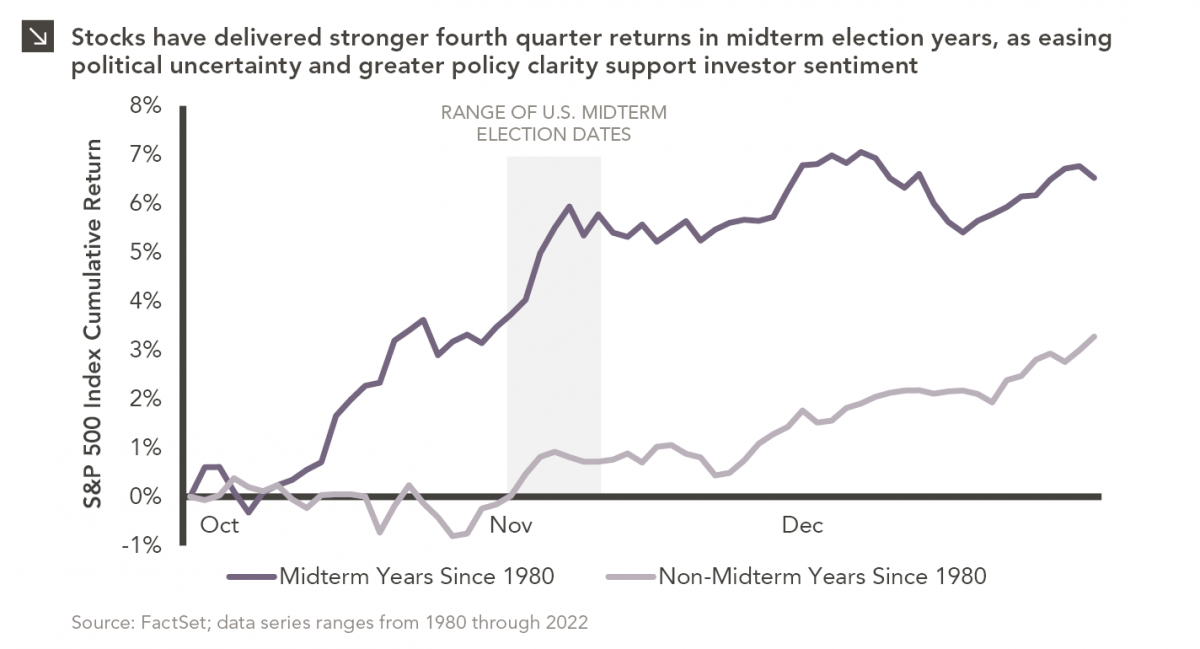
10.19.2026
Since 1980, the S&P 500 Index has generally performed well in the weeks surrounding U.S. midterm elections. Specifically, the index…
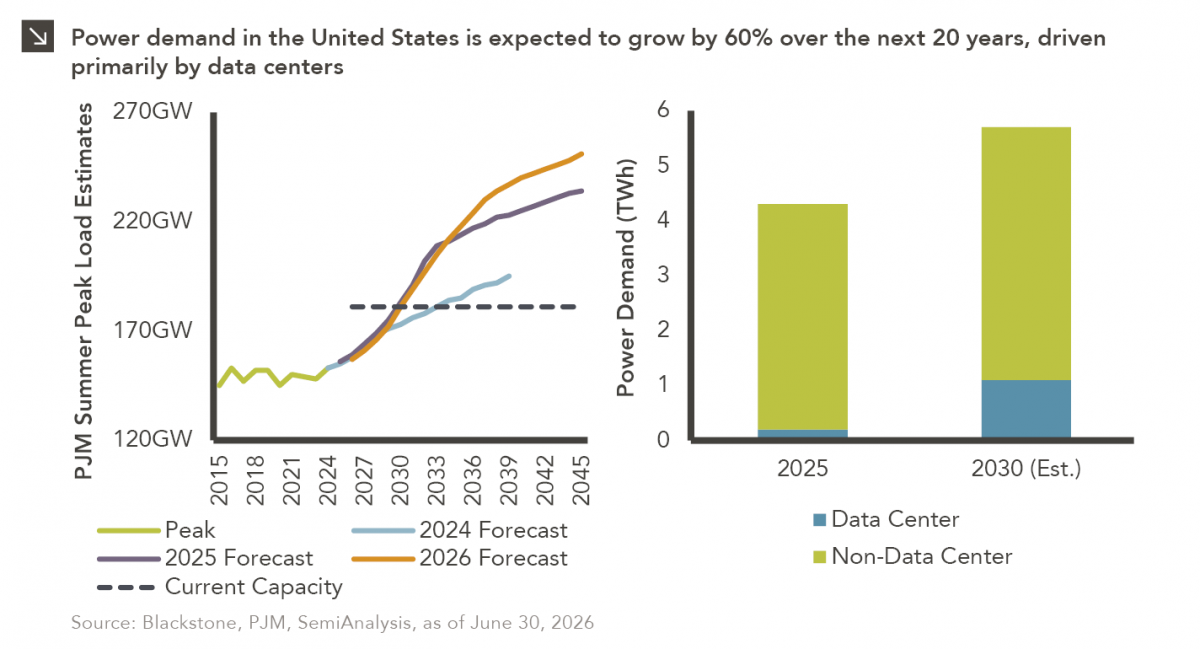
10.12.2026
This week’s chart highlights the accelerating growth of electricity demand in the U.S., which has been driven primarily by the…

10.08.2026
LIVE WEBINAR — OCTOBER 22 Please join Marquette’s research team for our 3Q 2026 Market Insights Webinar…
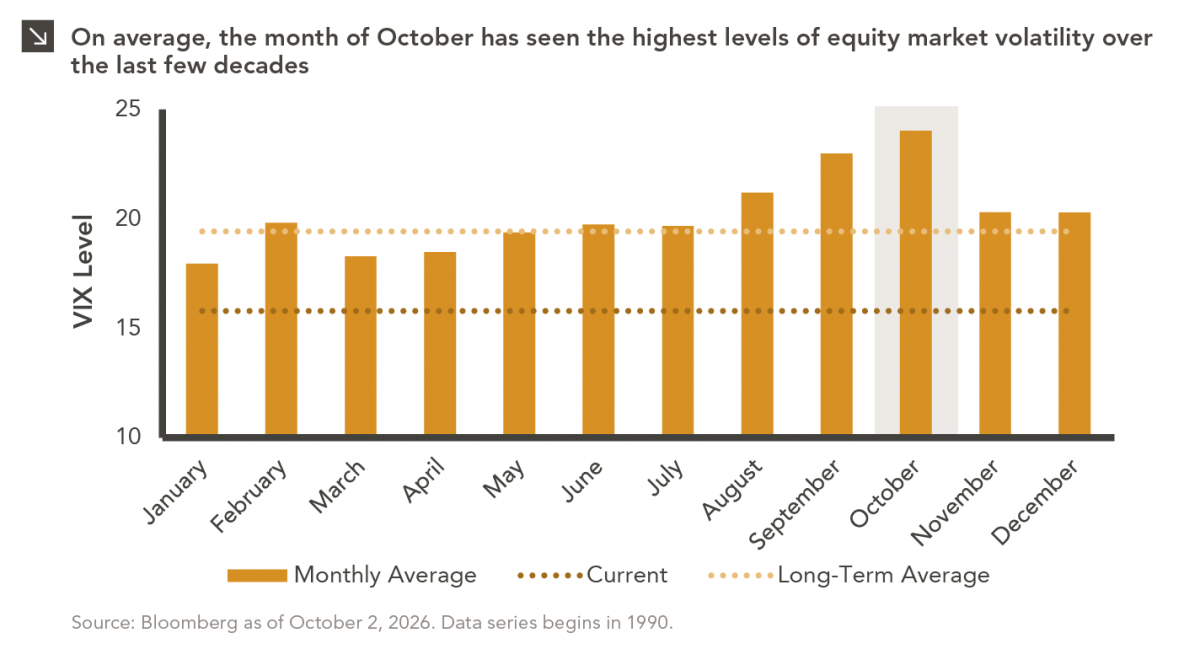
10.05.2026
For investors, the spookiest thing about October might not be the ghosts and monsters that are bound to show up…
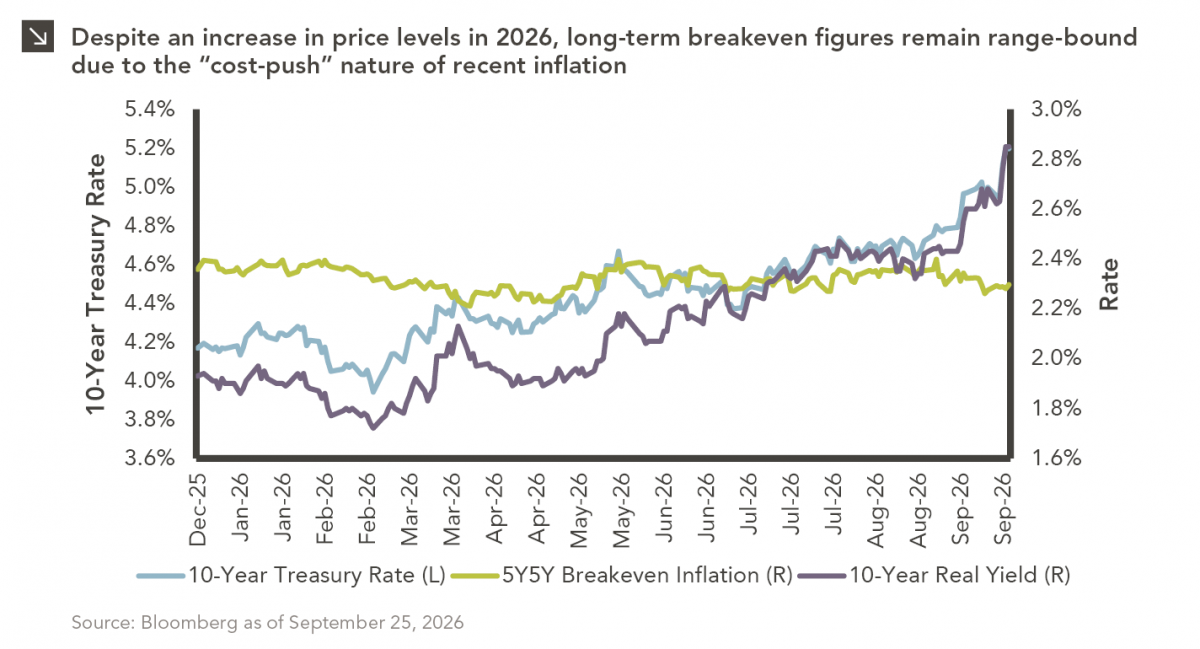
09.28.2026
The phrase “expectations of higher inflation” has become a staple in financial news to explain the increase in nominal U.S….
Research alerts keep you updated on our latest research publications. Simply enter your contact information, choose the research alerts you would like to receive and click Subscribe. Alerts will be sent as research is published.
We respect your privacy. We will never share or sell your information.
If you have questions or need further information, please contact us directly and we will respond to your inquiry within 24 hours.
Contact Us >