Devon Waskiewicz
Client Analyst
Get to Know Devon


Even the most casual observers of market dynamics are likely aware that investor interest in artificial intelligence (AI) has surged in recent time. Within public equity markets, the share prices of companies tied to AI like Meta, Microsoft, and Nvidia have seen massive rallies since the start of the year, and a similar story exists in the world of venture capital. On a year-to-date basis through June 30, 2023, which is the most recent date for which information is available, companies focused on AI-related initiatives received 26% of total U.S. venture funding according to Crunchbase. This number represents a significant increase from the 11% figure posted in 2022. According to Pitchbook, a total of $23.2 billion has been committed to generative AI start-up businesses in 2023 through mid-October, which is already an increase of 250% when compared to last year’s total.
There are several factors that help to explain this surge in investor interest. First, recent advances in the field of generative AI have allowed for the automation of creative processes that have applicability across the market spectrum. To that point, a recent survey conducted by Boston Consulting Group found that roughly 70% of marketing companies are already employing generative AI processes for a variety of use cases including content creation and the personalization of advertising. Additionally, the field of adaptive AI, which includes machine learning, has also seen progress in recent time, with many companies now using these tools in forecasting and data analysis. Indeed, whether these new technologies are utilized to increase efficiency or decrease costs, it is clear that businesses across the economy find the benefits of AI extremely appealing, as do many investors.
Given the significant capital flows into the AI space this year, readers may be questioning the extent to which the current landscape mirrors that of the Dot-Com Bubble of the late 1990s. While it is likely too early to answer that question, it is clear that not all AI-related companies will succeed in the long run, and investors with excessive exposures to the space may be taking on elevated risk levels given a lack of diversification. At the same time, the use cases of AI are clearly significant and broad, so market participants will certainly benefit from some level of exposure to the space across both public and private markets. This dynamic speaks to the importance of investment manager due diligence and selection, which Marquette conducts on an ongoing basis across the asset class spectrum.
Print PDF
The opinions expressed herein are those of Marquette Associates, Inc. (“Marquette”), and are subject to change without notice. This material is not financial advice or an offer to purchase or sell any product. Marquette reserves the right to modify its current investment strategies and techniques based on changing market dynamics or client needs.
10.12.2026
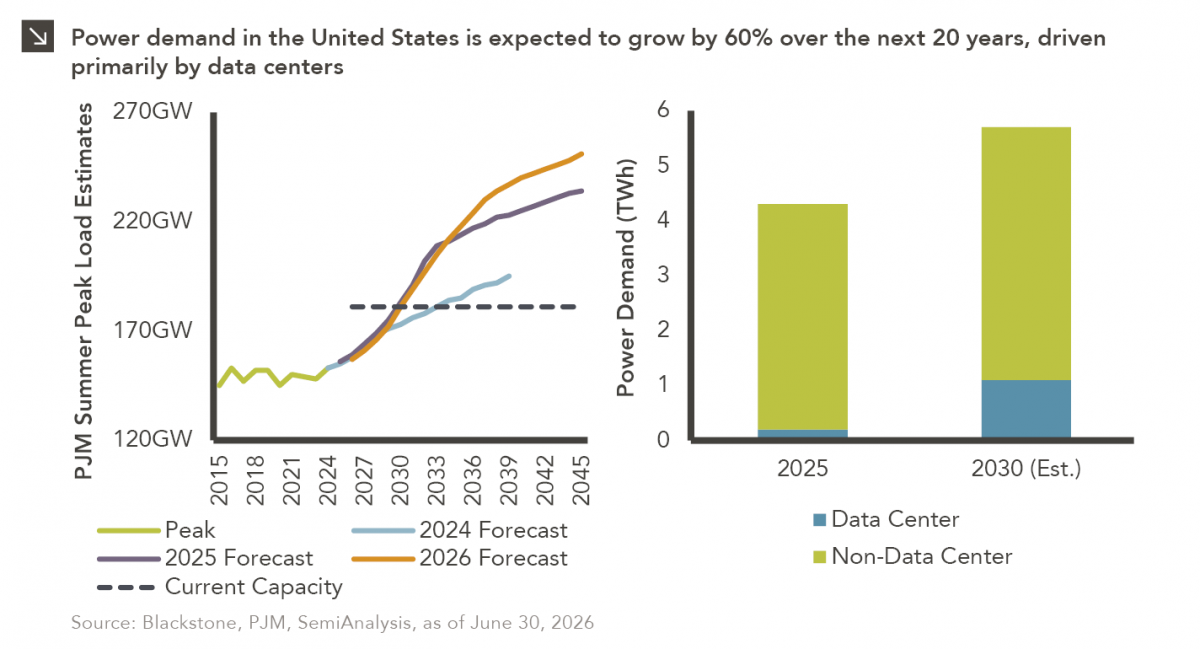
This week’s chart highlights the accelerating growth of electricity demand in the U.S., which has been driven primarily by the…

10.08.2026
LIVE WEBINAR — OCTOBER 22 Please join Marquette’s research team for our 3Q 2026 Market Insights Webinar…
10.05.2026
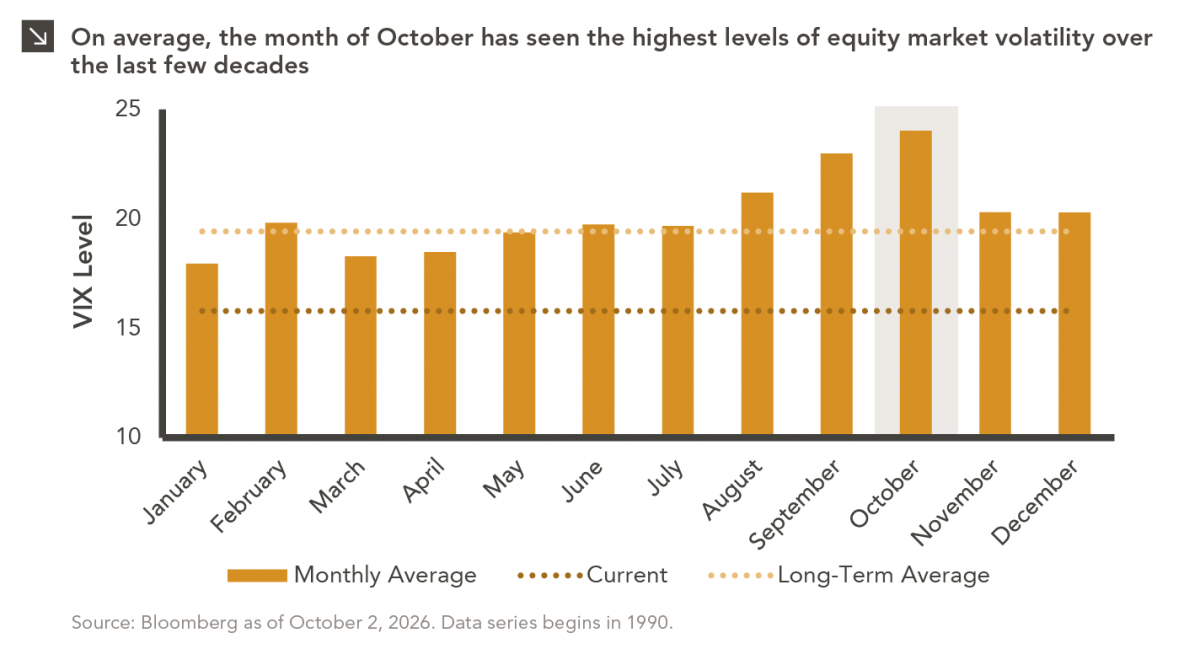
For investors, the spookiest thing about October might not be the ghosts and monsters that are bound to show up…
09.28.2026
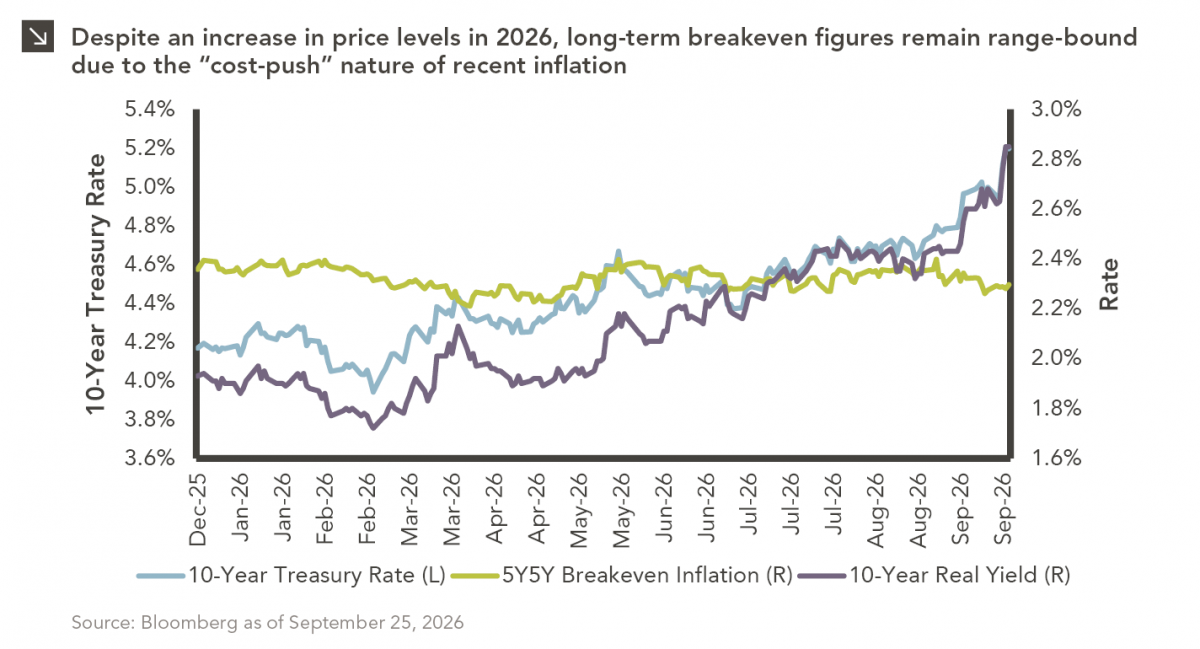
The phrase “expectations of higher inflation” has become a staple in financial news to explain the increase in nominal U.S….
09.21.2026
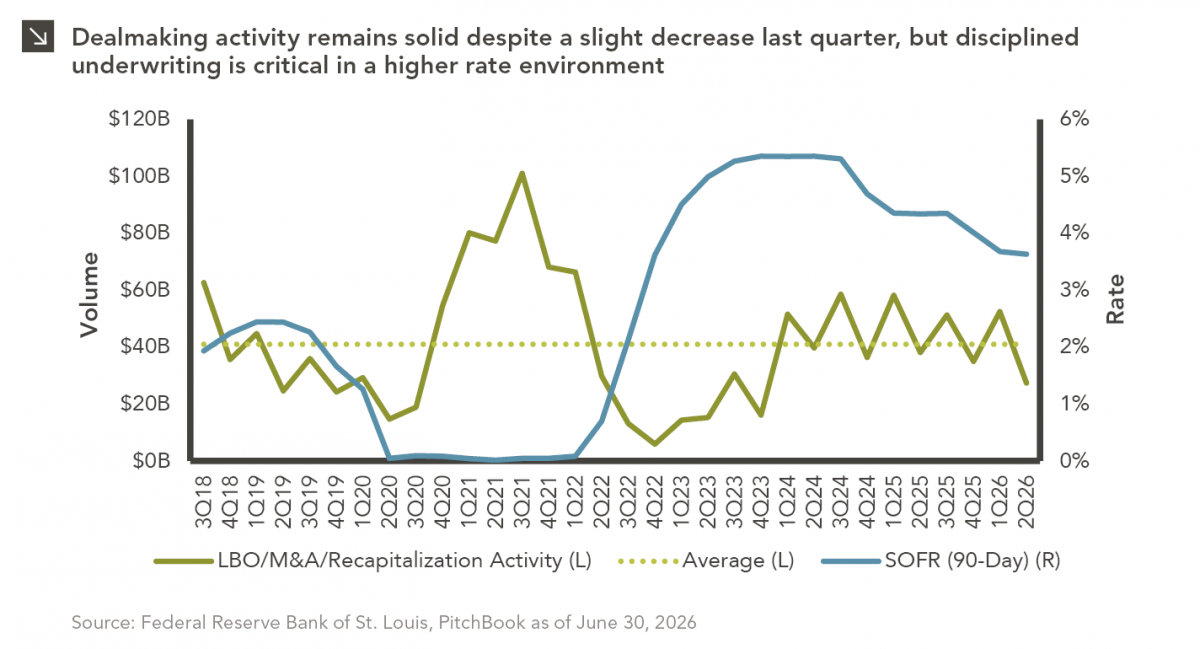
For much of the past several years, the conventional view has been that higher interest rates and stretched valuations would…

09.15.2026
Over the past decade, continuation vehicles (“CV”) have become one of the fastest-growing trends in private equity. Private equity funds…
Research alerts keep you updated on our latest research publications. Simply enter your contact information, choose the research alerts you would like to receive and click Subscribe. Alerts will be sent as research is published.
We respect your privacy. We will never share or sell your information.
If you have questions or need further information, please contact us directly and we will respond to your inquiry within 24 hours.
Contact Us >