10.22.2026
Will Higher Rates Cramp the Markets?
Anyone who has run a marathon knows the last six miles are brutal — no matter how well the first…


Over the past decade, U.S. private equity firms have returned to market sooner and sooner. The fundraising environment for these organizations remains attractive due in large part to strong performance and the persistent gap between private and public market valuations. Furthermore, the current robust dealmaking climate, both in terms of platform investments being made and potential add-on activity throughout the period during which portfolio companies are held, means that managers are both investing their funds more quickly and holding additional capital in reserve. These factors have resulted in more frequent fundraises.
This dynamic of accelerated capital deployment introduces incremental risks for private equity investors, including increased vintage year risk with the potential for greater return dispersion throughout an economic cycle. Moreover, more frequent fundraising could put stress on a private equity firm’s team, both with respect to the investment professionals leading deals and the operational resources executing value creation plans. Finally, more frequent fundraising, if not accompanied by shorter hold periods, will require private equity firms to return to the market more regularly with less realized performance, as potential gains stemming from recently deployed capital will be largely unrealized.
The trend of private equity firms deploying capital more quickly and returning to market sooner puts pressure on limited partners to continuously think strategically about portfolio construction. Thoughtful, consistent investment pacing that is supported by a robust go-forward pipeline of compelling fund opportunities will help to mitigate many of the aforementioned risks. Additionally, a deliberate approach will allow limited partners to prioritize opportunities in which they have the most conviction, gain access to those funds, and capture the outsized return potential of private equity investments.
The opinions expressed herein are those of Marquette Associates, Inc. (“Marquette”), and are subject to change without notice. This material is not financial advice or an offer to purchase or sell any product. Marquette reserves the right to modify its current investment strategies and techniques based on changing market dynamics or client needs.

10.22.2026
Anyone who has run a marathon knows the last six miles are brutal — no matter how well the first…
10.19.2026
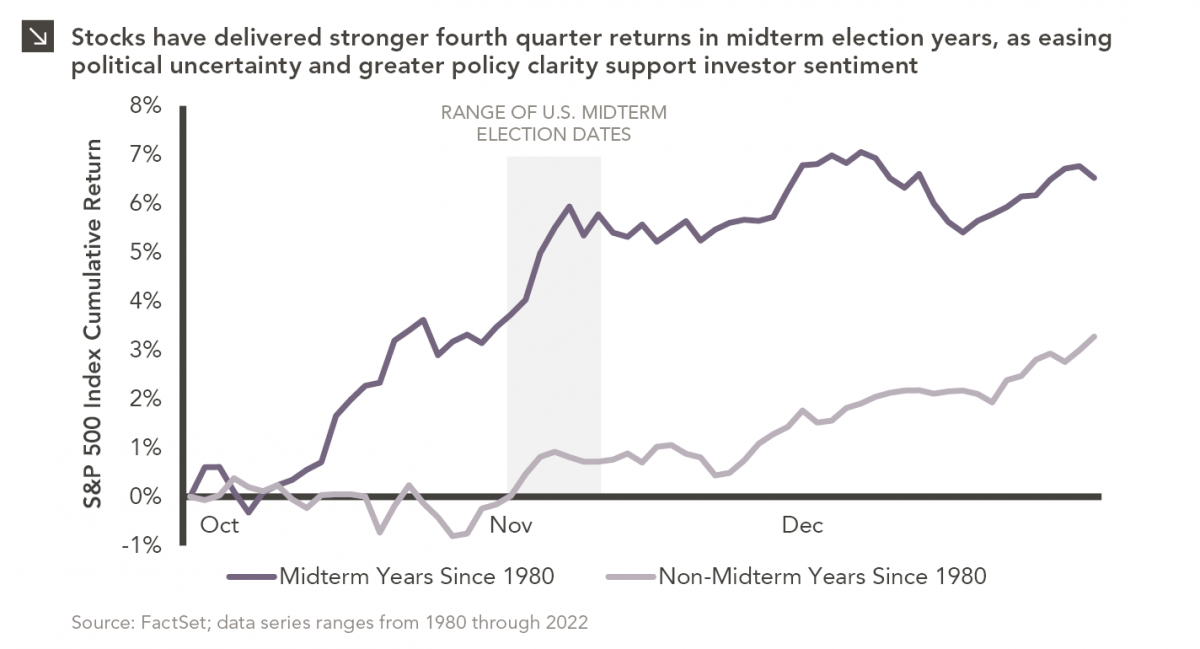
Since 1980, the S&P 500 Index has generally performed well in the weeks surrounding U.S. midterm elections. Specifically, the index…
10.12.2026
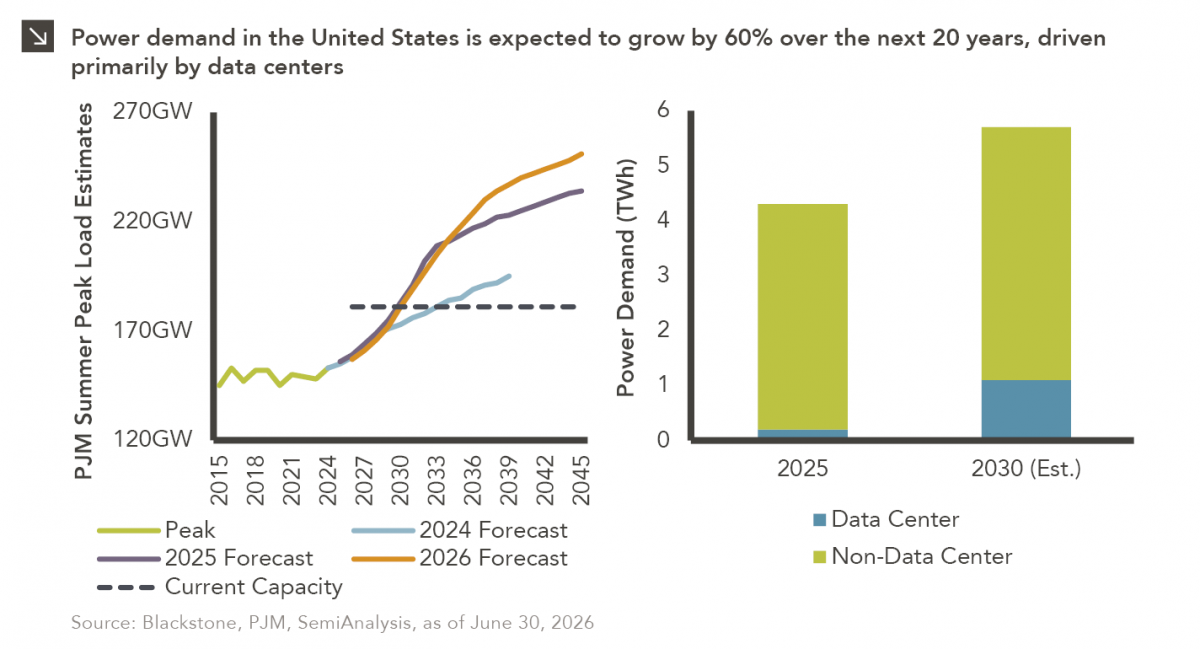
This week’s chart highlights the accelerating growth of electricity demand in the U.S., which has been driven primarily by the…

10.08.2026
LIVE WEBINAR — OCTOBER 22 Please join Marquette’s research team for our 3Q 2026 Market Insights Webinar…
10.05.2026
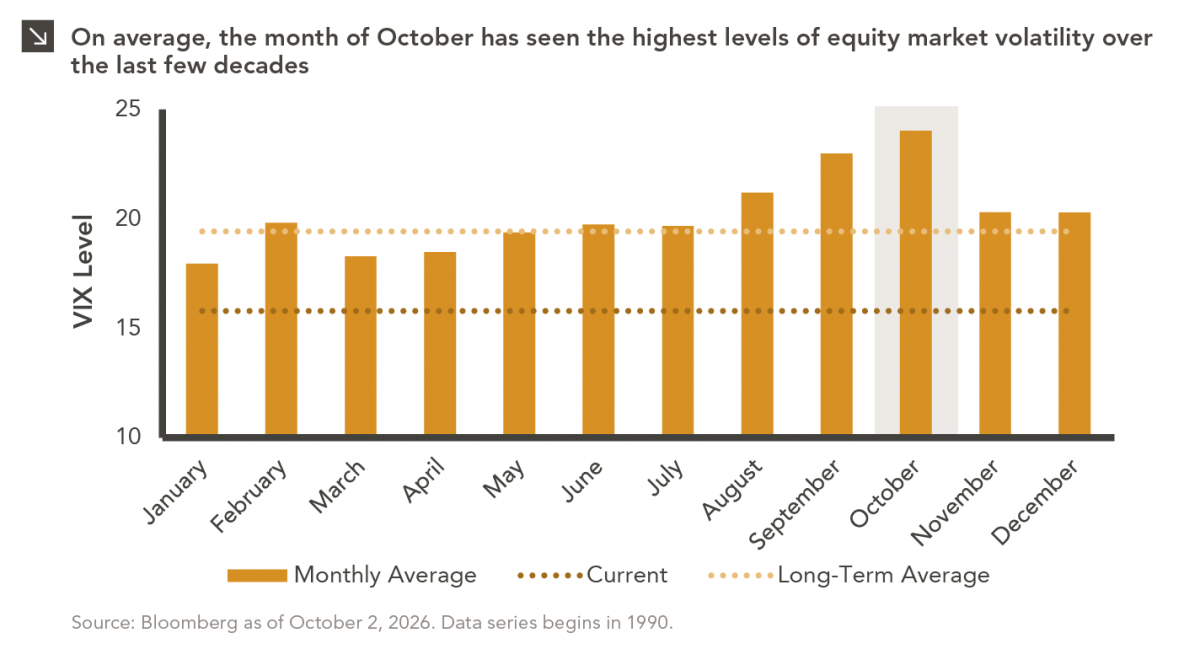
For investors, the spookiest thing about October might not be the ghosts and monsters that are bound to show up…

09.28.2026
The phrase “expectations of higher inflation” has become a staple in financial news to explain the increase in nominal U.S….
Research alerts keep you updated on our latest research publications. Simply enter your contact information, choose the research alerts you would like to receive and click Subscribe. Alerts will be sent as research is published.
We respect your privacy. We will never share or sell your information.
If you have questions or need further information, please contact us directly and we will respond to your inquiry within 24 hours.
Contact Us >