Mike Spychalski, CAIA
Vice President


This week’s Chart of the Week deals with the sovereign debt crisis in Europe. It is an update of a Chart of the Week from January, 2011 when yields on Portuguese bonds were trending towards 7% and there was much speculation in the market that Portugal was in need of a bailout package from the EU. Since then, Portugal received a bailout package from the EU and IMF and the fiscal situation in Italy has become the focus of attention in the markets. Over the past week or two there has been speculation that Italy will be the next country to require a bailout package. Yields on Italian government bonds have been steadily rising throughout the course of the past year, and in recent weeks the yield on the Italian 10-year bond has been trending towards 7%.
The 7% threshold is significant because Greece, Ireland, and Portugal were all forced to request a bailout package from the EU shortly after yields on their 10-year bonds exceeded 7% (based on a rolling 10-day average). The yield on Greek 10-year bonds broke through the 7% threshold on April 16, 2010, and Greece requested a bailout package on April 23, 2010. The yield on the Irish 10-year bond broke through the 7% threshold on November 15, 2010, and Ireland requested a bailout package on November 21, 2010. The yield on Portuguese 10-year bonds broke through the 7% threshold on January 31, 2011, and Portugal requested a bailout package on April 7, 2011. After the November 30 announcement of a coordinated action by six central banks to provide additional liquidity to financial institutions if necessary, yields on Italian 10-year bonds have backed away from the 7% threshold. Given that Italy has very little debt maturing in the final weeks of 2011, it is likely not in immediate need of a bailout package. However, Italy is still facing major fiscal issues over the near term. It has a high debt to GDP ratio (118% as of 12/31/10), a high unemployment rate (8.2% as of 9/30/11), and a low growth rate (0.8% as of 6/30/11). In addition, Italy has over €320 billion in debt maturing in 2012, and unless the market perceives a material improvement in Italy’s fiscal situation, it will be difficult for the yield on its 10-year bonds to stay below the 7% threshold.

The opinions expressed herein are those of Marquette Associates, Inc. (“Marquette”), and are subject to change without notice. This material is not financial advice or an offer to purchase or sell any product. Marquette reserves the right to modify its current investment strategies and techniques based on changing market dynamics or client needs.

10.12.2026
This week’s chart highlights the accelerating growth of electricity demand in the U.S., which has been driven primarily by the…
10.05.2026
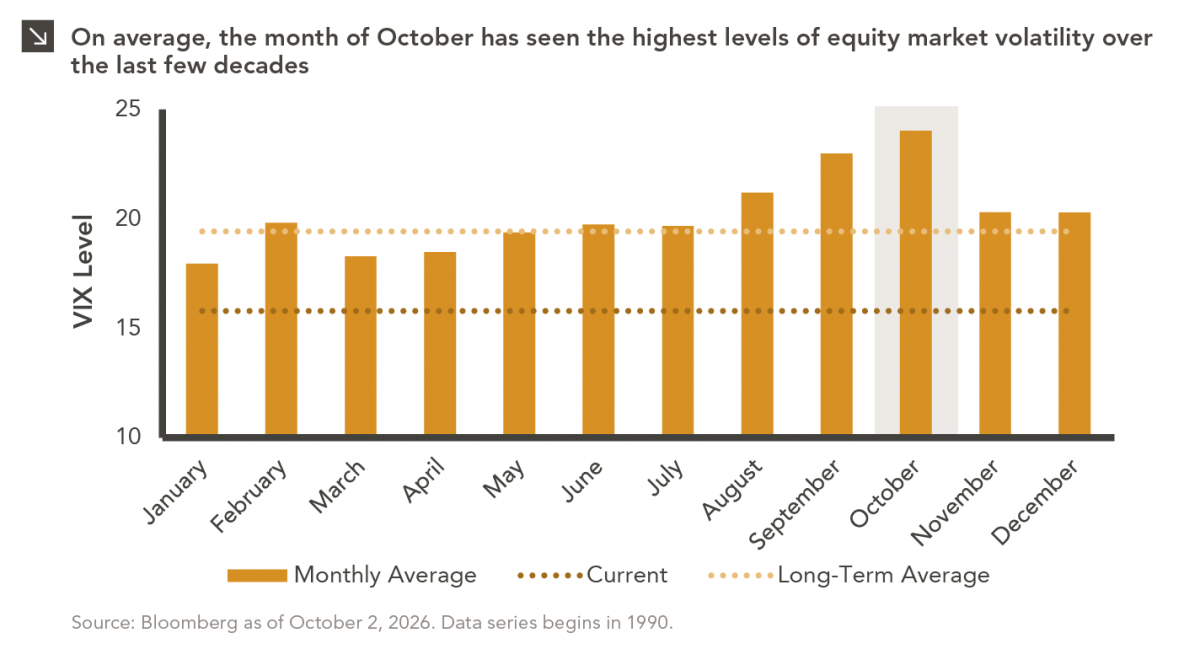
For investors, the spookiest thing about October might not be the ghosts and monsters that are bound to show up…
09.28.2026
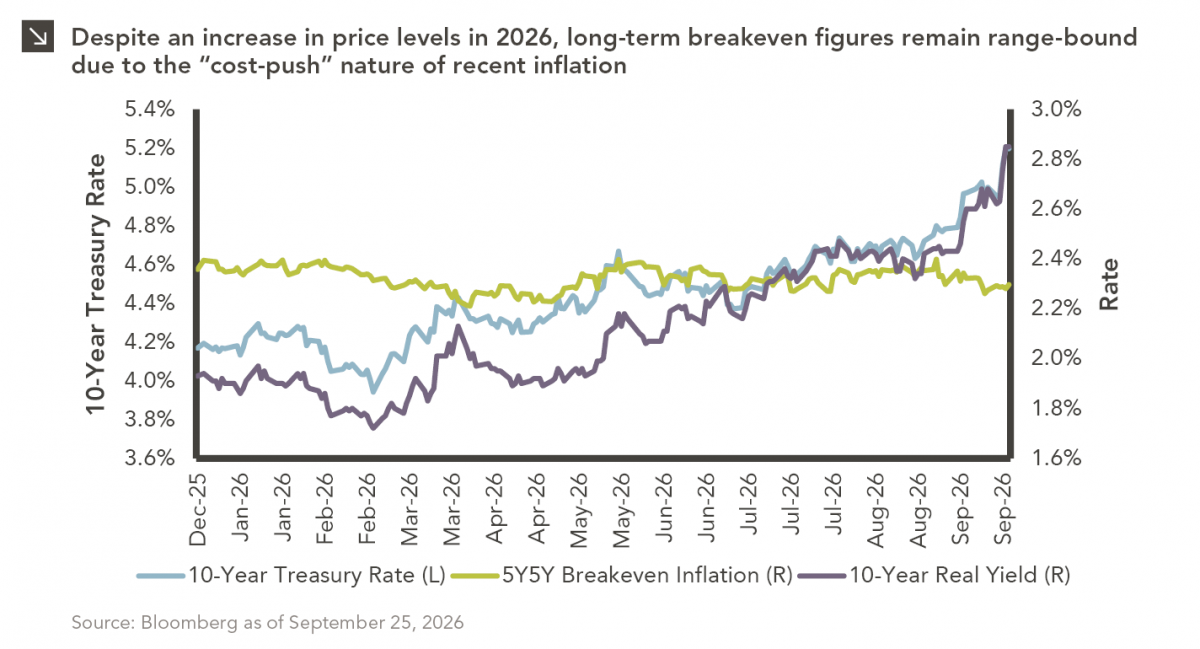
The phrase “expectations of higher inflation” has become a staple in financial news to explain the increase in nominal U.S….
09.21.2026
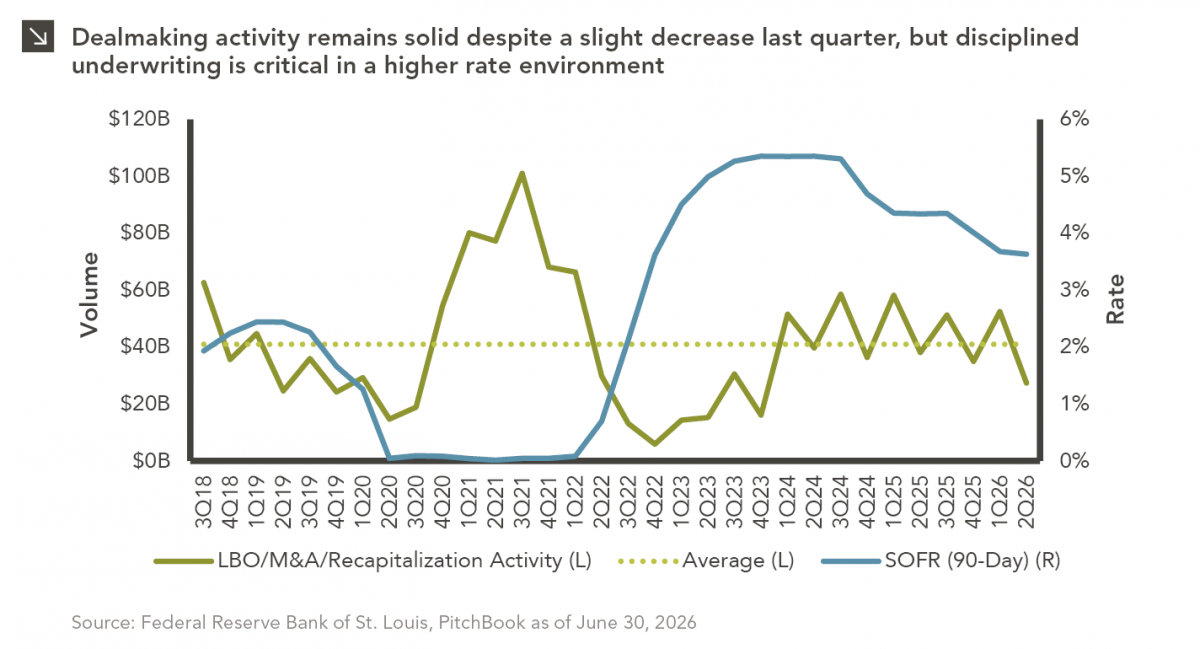
For much of the past several years, the conventional view has been that higher interest rates and stretched valuations would…

09.14.2026
There are many great things about working at Marquette Associates, but “Free Lunch Tuesday” is right at the top of…
09.08.2026
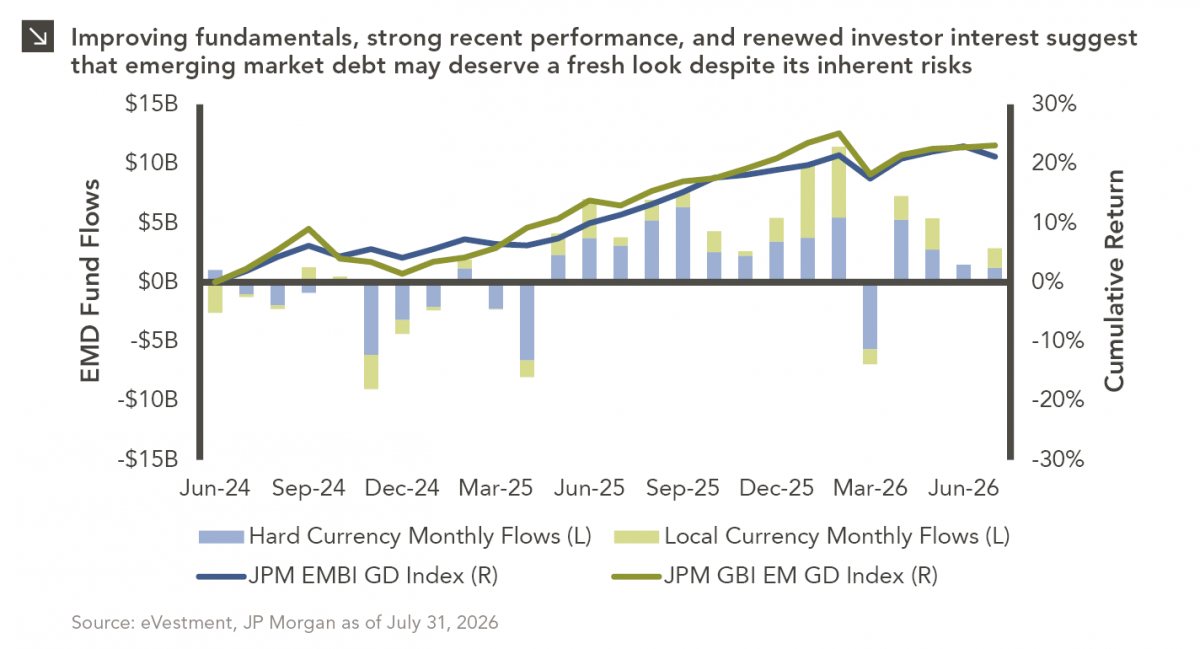
Over the last several years, emerging market debt (EMD) has faced several headwinds, with rising yields across other fixed income…
Research alerts keep you updated on our latest research publications. Simply enter your contact information, choose the research alerts you would like to receive and click Subscribe. Alerts will be sent as research is published.
We respect your privacy. We will never share or sell your information.
If you have questions or need further information, please contact us directly and we will respond to your inquiry within 24 hours.
Contact Us >