10.22.2026
Will Higher Rates Cramp the Markets?
Anyone who has run a marathon knows the last six miles are brutal — no matter how well the first…


Year-to-date, bank loans and high yield bonds have been subject to a variety of market forces similar between the two sectors, but others have impacted each uniquely. While we typically recommend that clients allocate to both sub-investment grade credit asset classes on an equal-weighted basis in order to benefit from each of their strengths as well as the diversification, it is very sound and well-grounded for investors to ask — especially in light of this unprecedented crisis in which we find ourselves — what the unique advantages and disadvantages are from each. Certain investor situations may necessitate maintaining an overweight to one or the other or holding only one.
In this newsletter, we perform a deep dive into the nuances of the performance, technical factors, fundamentals, and valuations between bank loans and high yield in order to make these distinctions. In summary, we determine the merits of a modest overweight of high yield versus bank loans given the current environment due especially to two dynamics — the Fed’s unprecedented purchasing of high yield bonds and weakened bank loan demand as a direct result of weak CLO demand — explored in more detail in the following pages.
Read > Bank Loans vs. High Yield: Is One Safer Than the Other?
The opinions expressed herein are those of Marquette Associates, Inc. (“Marquette”), and are subject to change without notice. This material is not financial advice or an offer to purchase or sell any product. Marquette reserves the right to modify its current investment strategies and techniques based on changing market dynamics or client needs.
10.22.2026
Anyone who has run a marathon knows the last six miles are brutal — no matter how well the first…
10.19.2026
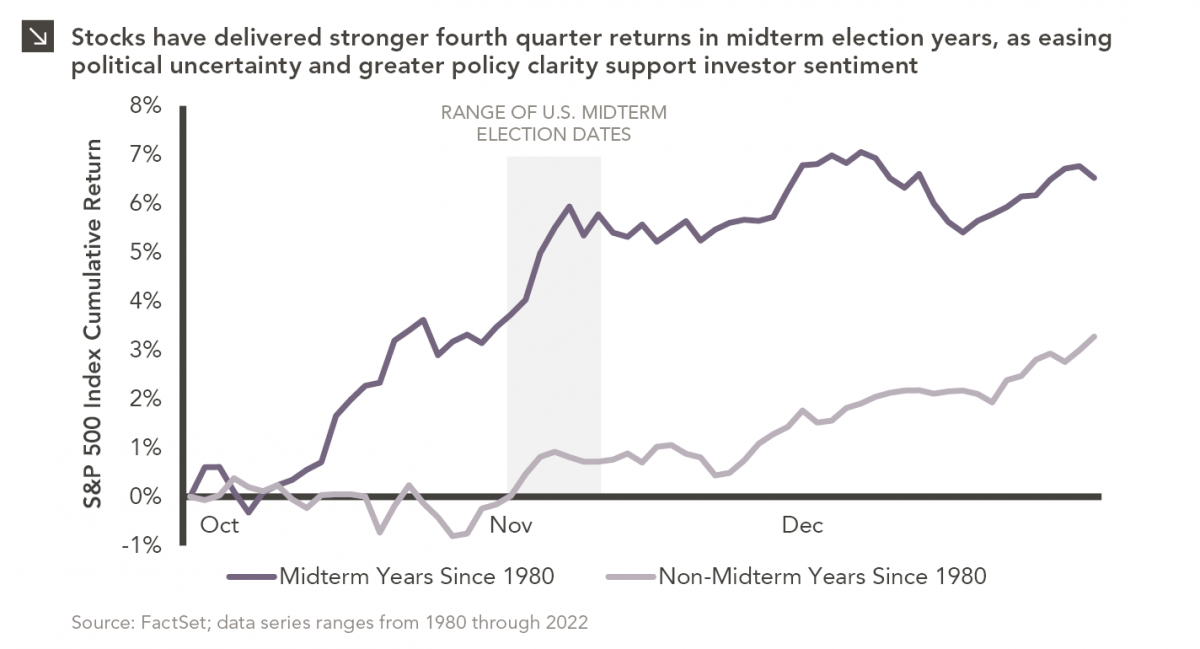
Since 1980, the S&P 500 Index has generally performed well in the weeks surrounding U.S. midterm elections. Specifically, the index…

10.08.2026
LIVE WEBINAR — OCTOBER 22 Please join Marquette’s research team for our 3Q 2026 Market Insights Webinar…
09.28.2026
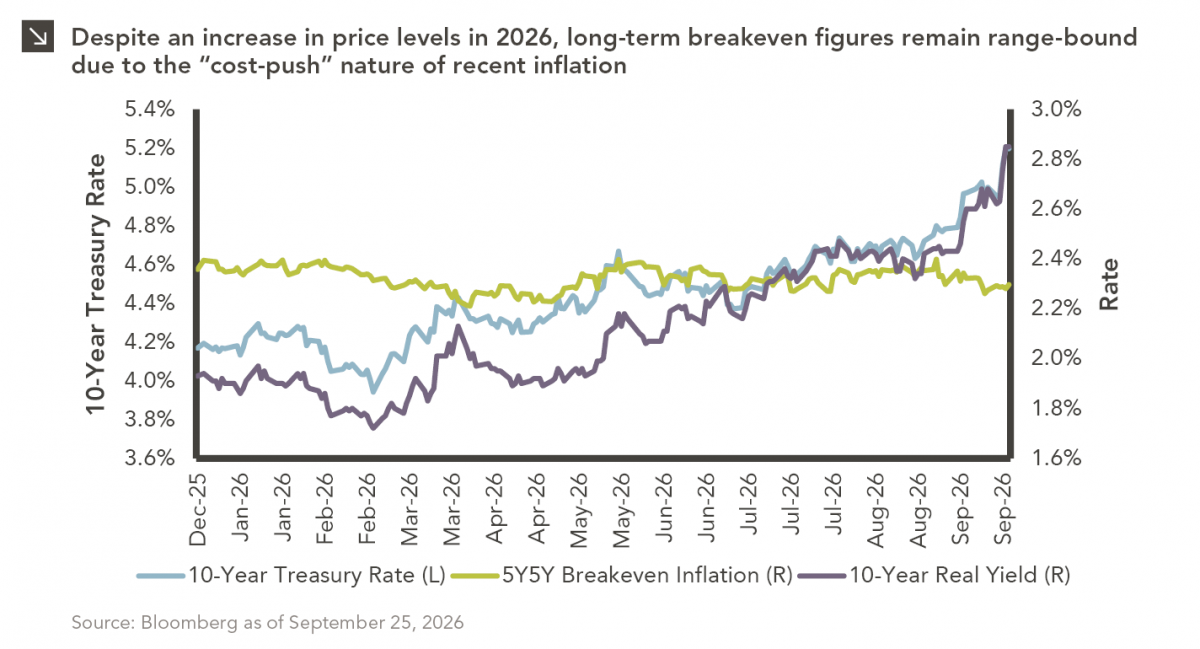
The phrase “expectations of higher inflation” has become a staple in financial news to explain the increase in nominal U.S….
09.15.2026
Over the past decade, continuation vehicles (“CV”) have become one of the fastest-growing trends in private equity. Private equity funds…
09.14.2026
There are many great things about working at Marquette Associates, but “Free Lunch Tuesday” is right at the top of…
Research alerts keep you updated on our latest research publications. Simply enter your contact information, choose the research alerts you would like to receive and click Subscribe. Alerts will be sent as research is published.
We respect your privacy. We will never share or sell your information.
If you have questions or need further information, please contact us directly and we will respond to your inquiry within 24 hours.
Contact Us >