David Hernandez, CFA
Director of Traditional Manager Search


This week we look at the historic net asset flows for bank loans courtesy of Morningstar’s Asset Flows report. February 2013 saw the largest ever monthly net asset inflow for bank loan mutual funds and ETFs. This tops the previous best, January 2011, by 14%. Investors undoubtedly have been attracted to spreads well above the historic median.
In late 2011 with historically wide spreads, high yield experienced its largest net asset inflows and carried that momentum into the following year. Investors were paid off with double digit returns in 2012. Based on net asset flow data, investors are now banking on bank loans to produce strong returns in 2013. Net flows have been positive for eight straight months including the February high. Of course, investments can quickly change course as seen in 2011. The previous largest net inflow for bank loans occurred in January 2011 and was followed by the largest net outflow seven months later leading to disappointing returns that year. Thus while valuations appear compelling and fund flows have been positive, just like anything when it comes to investments, positive returns are not guaranteed!

The opinions expressed herein are those of Marquette Associates, Inc. (“Marquette”), and are subject to change without notice. This material is not financial advice or an offer to purchase or sell any product. Marquette reserves the right to modify its current investment strategies and techniques based on changing market dynamics or client needs.
11.09.2026
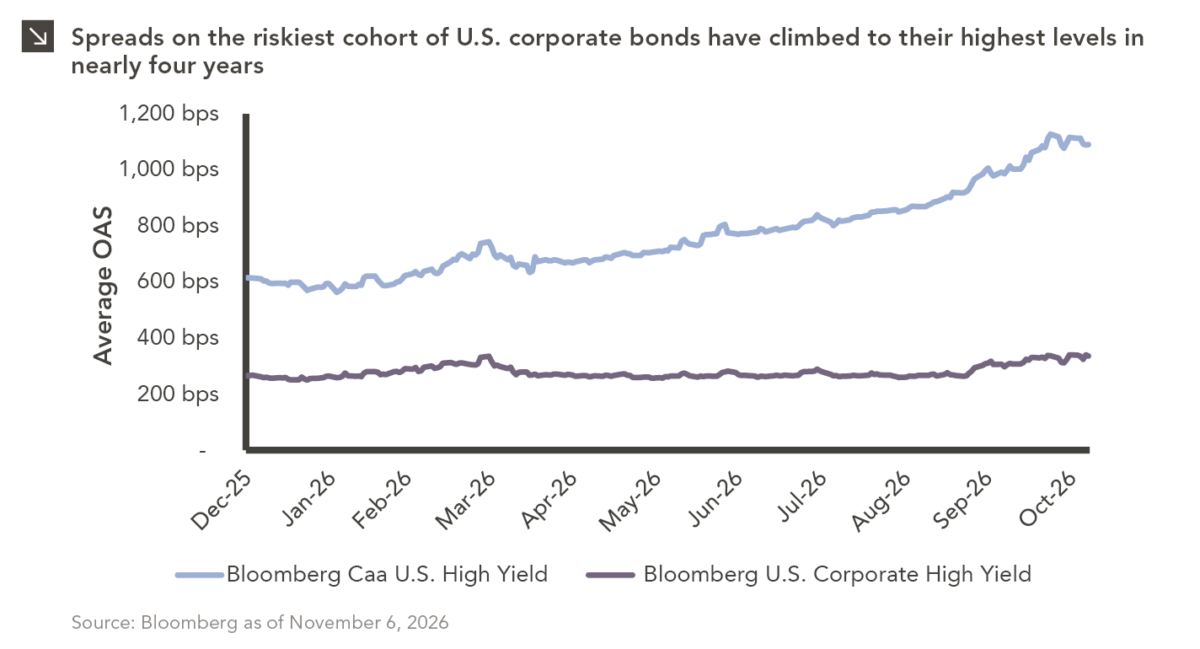
The U.S. distressed debt market is showing increasingly pronounced signs of stress. As of this writing, option-adjusted spreads on CCC-rated…
11.02.2026
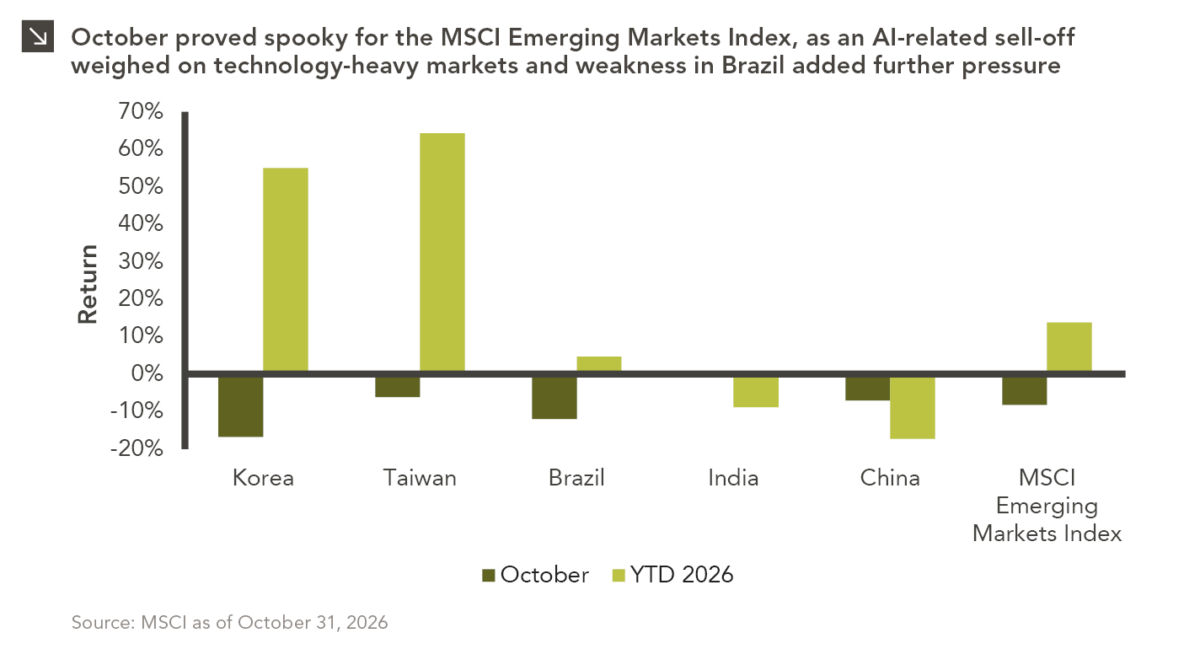
Emerging markets faced a challenging October, with the space declining by around 8.3% amid renewed concerns over the sustainability of…
10.26.2026
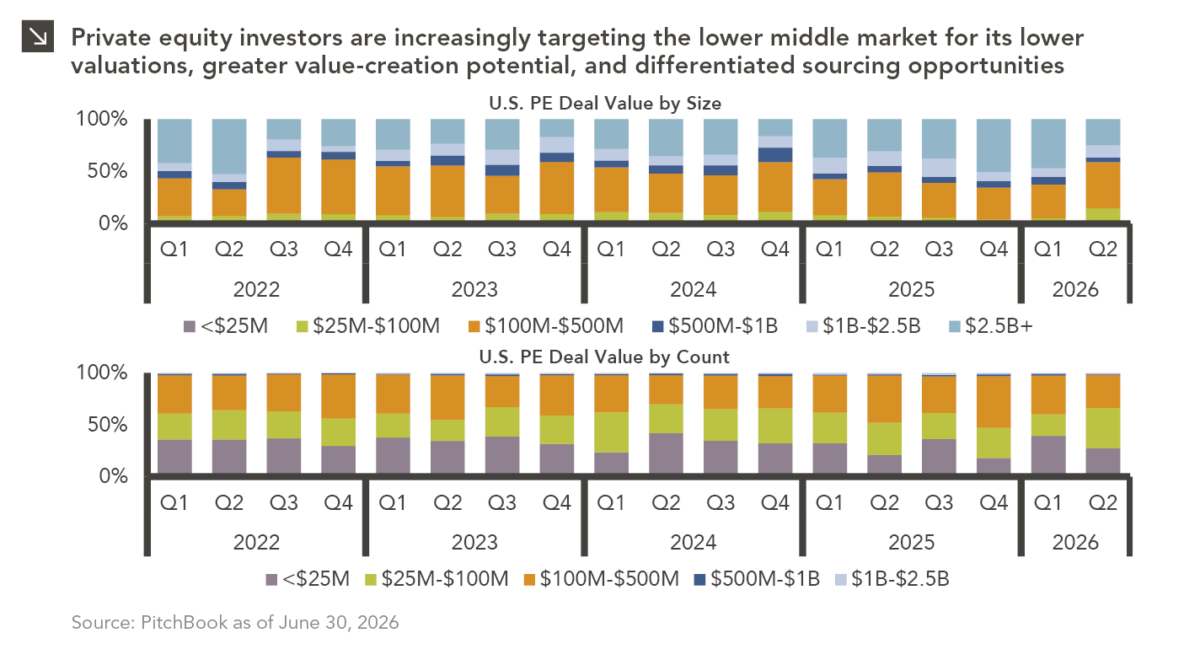
Private equity activity is increasingly shifting toward smaller transactions, with total deal value for transactions of $100 million or less…

10.08.2026
This video is a recording of a live webinar held October 22 by Marquette’s research team analyzing the third quarter…

10.22.2026
Anyone who has run a marathon knows the last six miles are brutal — no matter how well the first…
10.19.2026
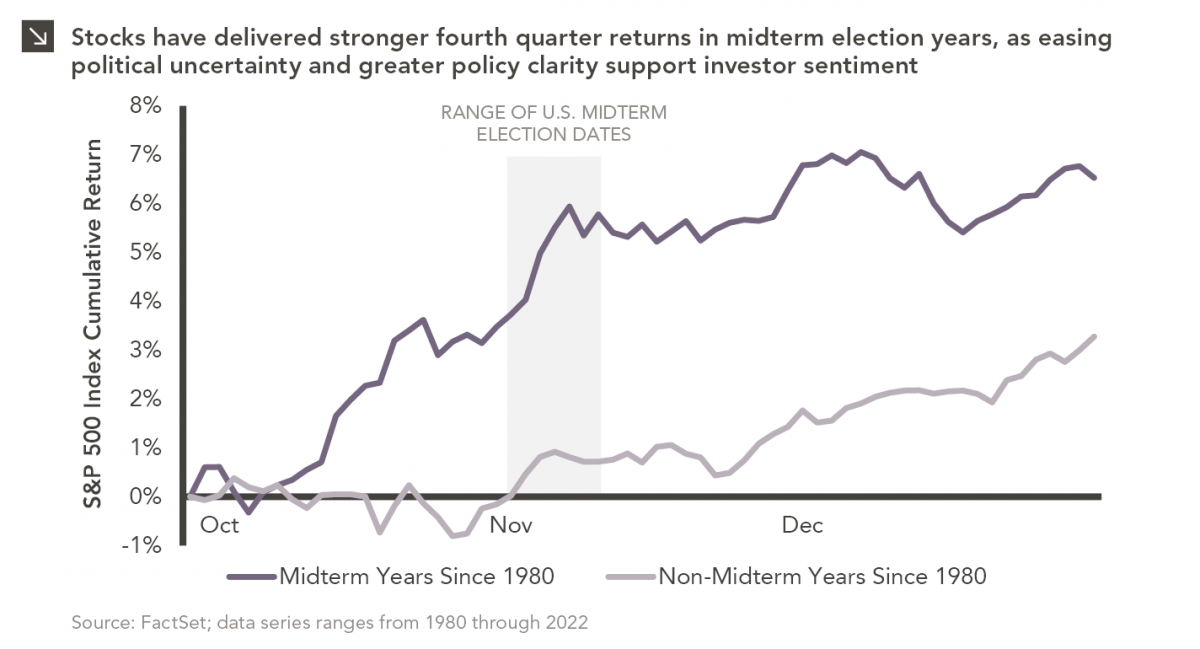
Since 1980, the S&P 500 Index has generally performed well in the weeks surrounding U.S. midterm elections. Specifically, the index…
Research alerts keep you updated on our latest research publications. Simply enter your contact information, choose the research alerts you would like to receive and click Subscribe. Alerts will be sent as research is published.
We respect your privacy. We will never share or sell your information.
If you have questions or need further information, please contact us directly and we will respond to your inquiry within 24 hours.
Contact Us >