10.22.2026
Will Higher Rates Cramp the Markets?
Anyone who has run a marathon knows the last six miles are brutal — no matter how well the first…


One of the most notable economic metrics that has not yet recovered from the recent recession is income and wage growth. This is not surprising: given the high level of unemployment, employers have been able to successfully hire without having to pay a material premium in wages. This trend has been supported by the level of wage growth, which has averaged close to 2%, significantly below its pre-recession average of 3.5%.
However, as the unemployment rate has abated, this trend appears to be reversing itself, at least in terms of future wages expectations on behalf of workers. Our chart this week shows the growing level of workers who expect their incomes to actually increase in the coming years (blue line in the graph). Predictably, the number of workers who expect their incomes to decrease is dropping (red line). Collectively, these patterns suggest a growing confidence that wages will increase, which should translate into more disposable income for consumers. Given that the U.S. economy is one driven by consumption, higher wages should translate into a notable tailwind for economic growth.
The opinions expressed herein are those of Marquette Associates, Inc. (“Marquette”), and are subject to change without notice. This material is not financial advice or an offer to purchase or sell any product. Marquette reserves the right to modify its current investment strategies and techniques based on changing market dynamics or client needs.

10.22.2026
Anyone who has run a marathon knows the last six miles are brutal — no matter how well the first…
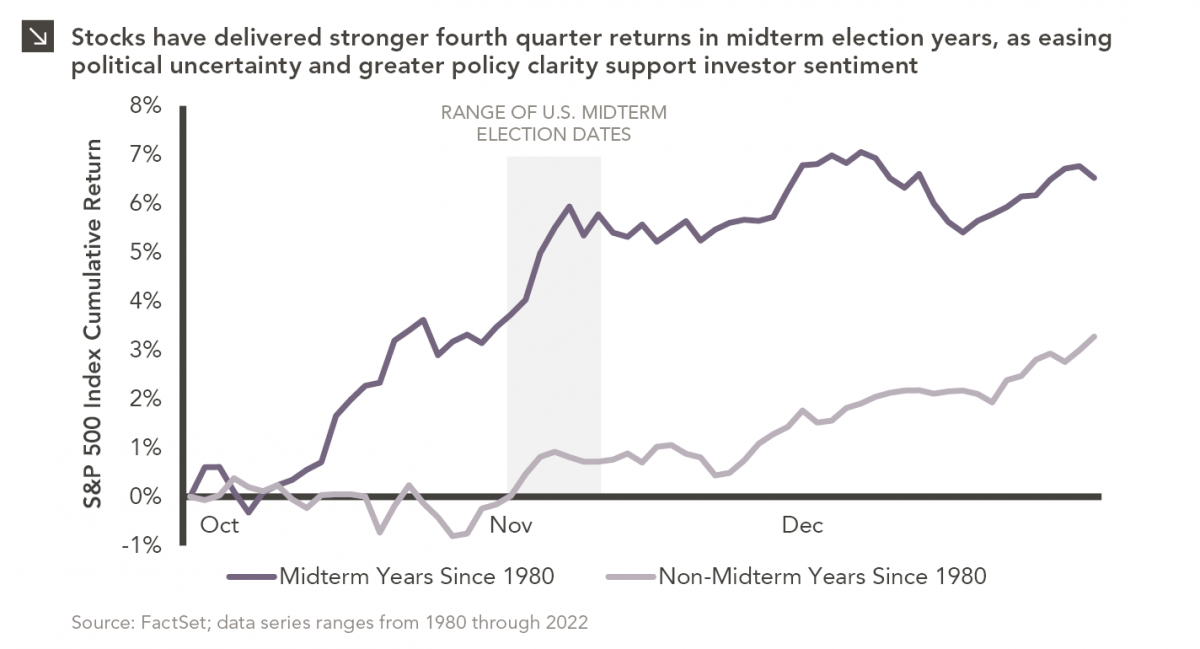
10.19.2026
Since 1980, the S&P 500 Index has generally performed well in the weeks surrounding U.S. midterm elections. Specifically, the index…
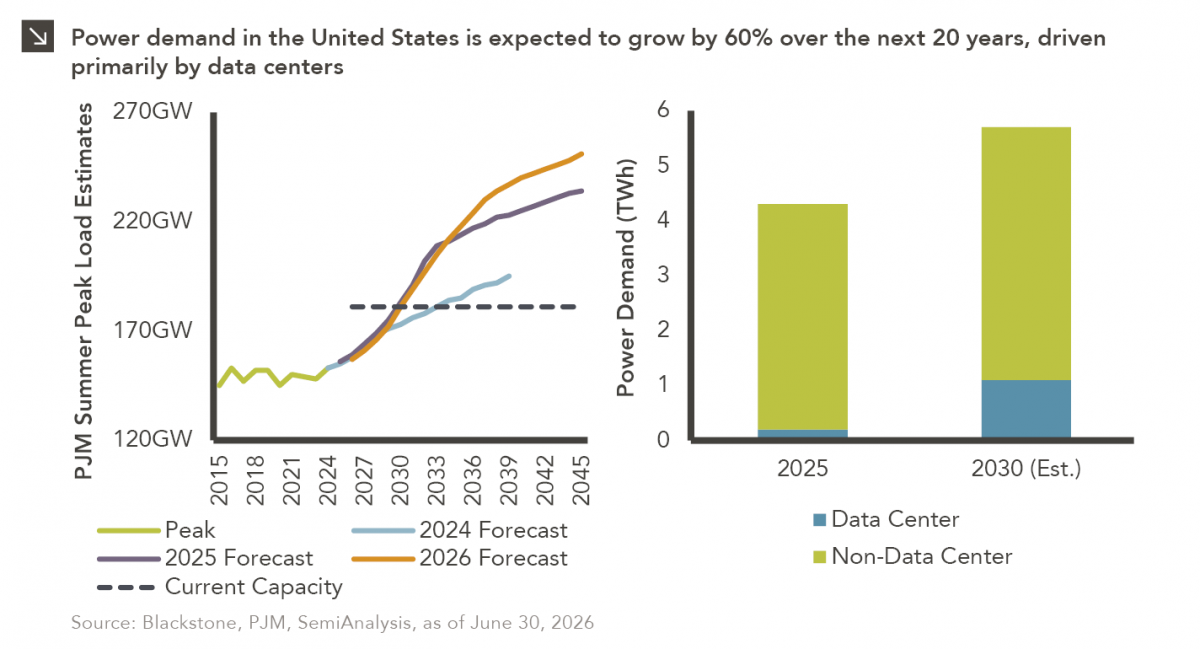
10.12.2026
This week’s chart highlights the accelerating growth of electricity demand in the U.S., which has been driven primarily by the…

10.08.2026
LIVE WEBINAR — OCTOBER 22 Please join Marquette’s research team for our 3Q 2026 Market Insights Webinar…
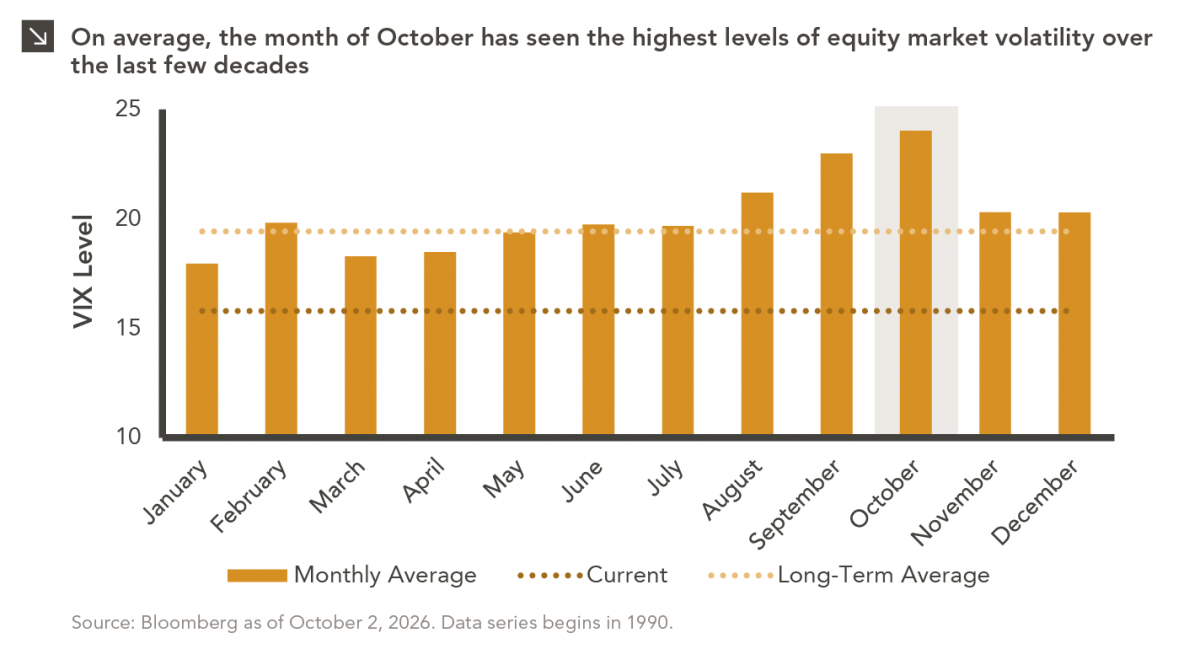
10.05.2026
For investors, the spookiest thing about October might not be the ghosts and monsters that are bound to show up…
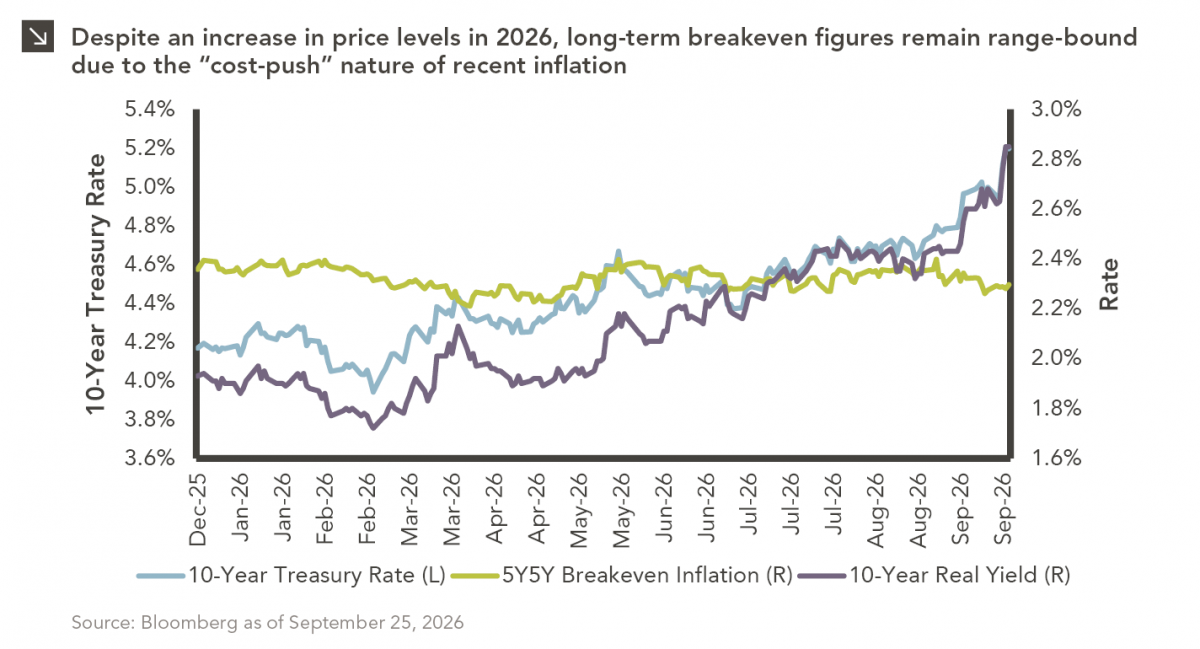
09.28.2026
The phrase “expectations of higher inflation” has become a staple in financial news to explain the increase in nominal U.S….
Research alerts keep you updated on our latest research publications. Simply enter your contact information, choose the research alerts you would like to receive and click Subscribe. Alerts will be sent as research is published.
We respect your privacy. We will never share or sell your information.
If you have questions or need further information, please contact us directly and we will respond to your inquiry within 24 hours.
Contact Us >