10.08.2026
3Q 2026 Market Insights
This video is a recording of a live webinar held October 22 by Marquette’s research team analyzing the third quarter…


The Nasdaq Biotech Index enjoyed another great run in 2014, returning 34% for the year and over 220% since 2011. By comparison, the Nasdaq Index has gained 13% and 75%, respectively, over the same time periods. Currently, the Nasdaq Biotech Index is nearly 60% above its long-term average price-to-book (“P/B”) ratio, and while there’s an argument that most U.S. equities are currently overvalued, the Nasdaq Index is only about 13% above its long-term average P/B ratio. As a comparison, the S&P Biotech Index is about 36% above its long-term average P/B ratio, while the S&P Index is only 23% higher.
These elevated valuation metrics even have biotech bulls questioning if a bubble is emerging in response to so much growth. Though these fundamentals alone may indicate that biotech is on the verge of a correction, there is still hope for the sector. Healthcare spending is a large portion of U.S. GDP and is expected to grow with our substantial aging population. As technologies and research methodologies improve, so do drug research possibilities and opportunities. Some of the prior rises in price may be explained by positive news that is not yet quantifiable or on positive trial data that is not yet able to be capitalized. Because of the lengthy trial and FDA approval processes, along with the current maturation of the sector, many revenue-generating drugs and technologies should come to fruition in the coming years, thus providing optimism for further positive returns from biotechs.
Fundamentals suggest that biotech has already experienced the majority of its run, is overvalued, and would not be an ideal investment for the faint of heart. However, the sector bears watching in the coming year as investors keep an eye out for progressing FDA phase data or new drug releases. Ultimately, in spite of current valuation data, biotechs should continue to deserve a healthy allocation within a well diversified U.S. equity portfolio.
The opinions expressed herein are those of Marquette Associates, Inc. (“Marquette”), and are subject to change without notice. This material is not financial advice or an offer to purchase or sell any product. Marquette reserves the right to modify its current investment strategies and techniques based on changing market dynamics or client needs.

10.08.2026
This video is a recording of a live webinar held October 22 by Marquette’s research team analyzing the third quarter…

10.22.2026
Anyone who has run a marathon knows the last six miles are brutal — no matter how well the first…
10.19.2026
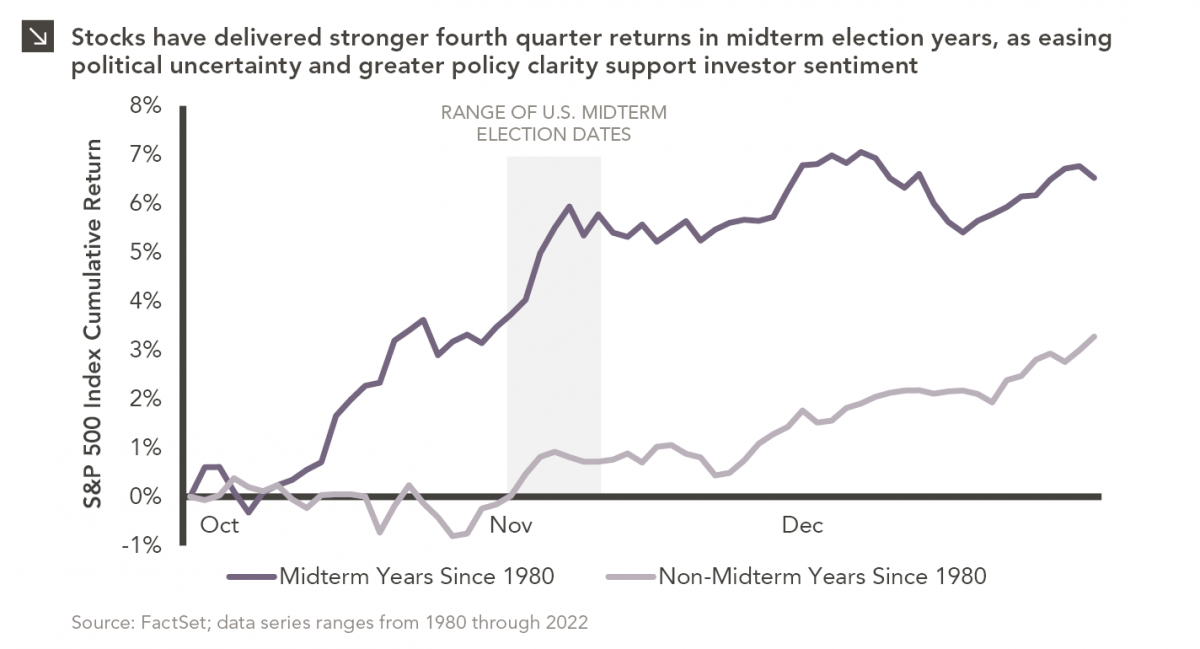
Since 1980, the S&P 500 Index has generally performed well in the weeks surrounding U.S. midterm elections. Specifically, the index…
10.12.2026
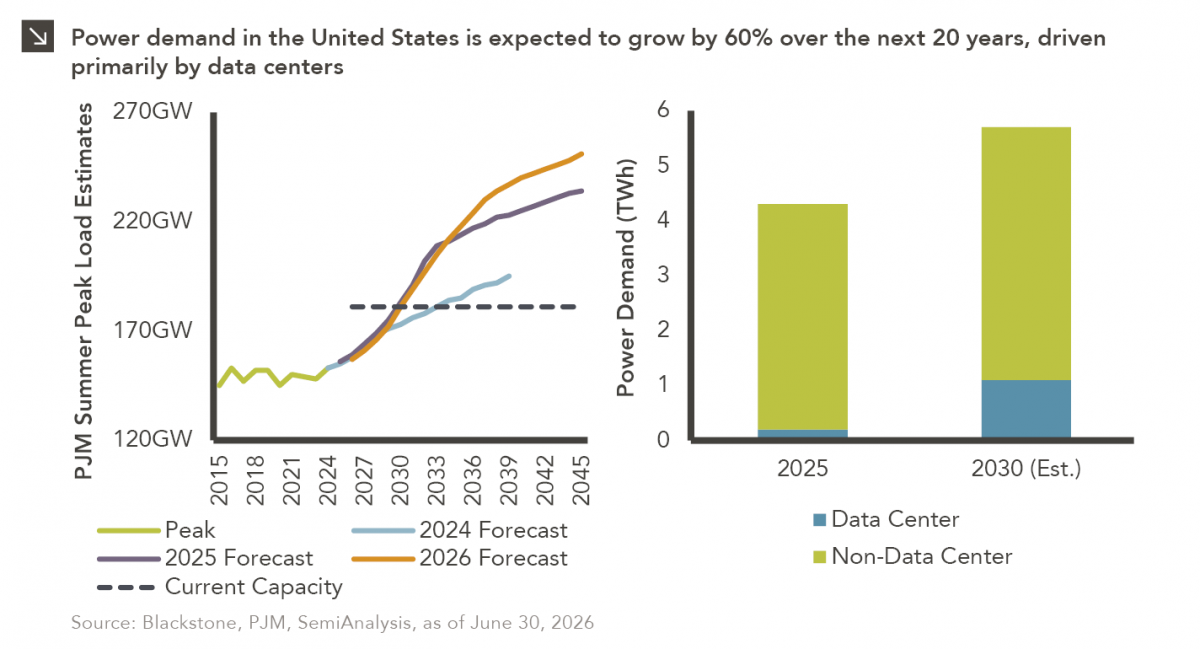
This week’s chart highlights the accelerating growth of electricity demand in the U.S., which has been driven primarily by the…
10.05.2026
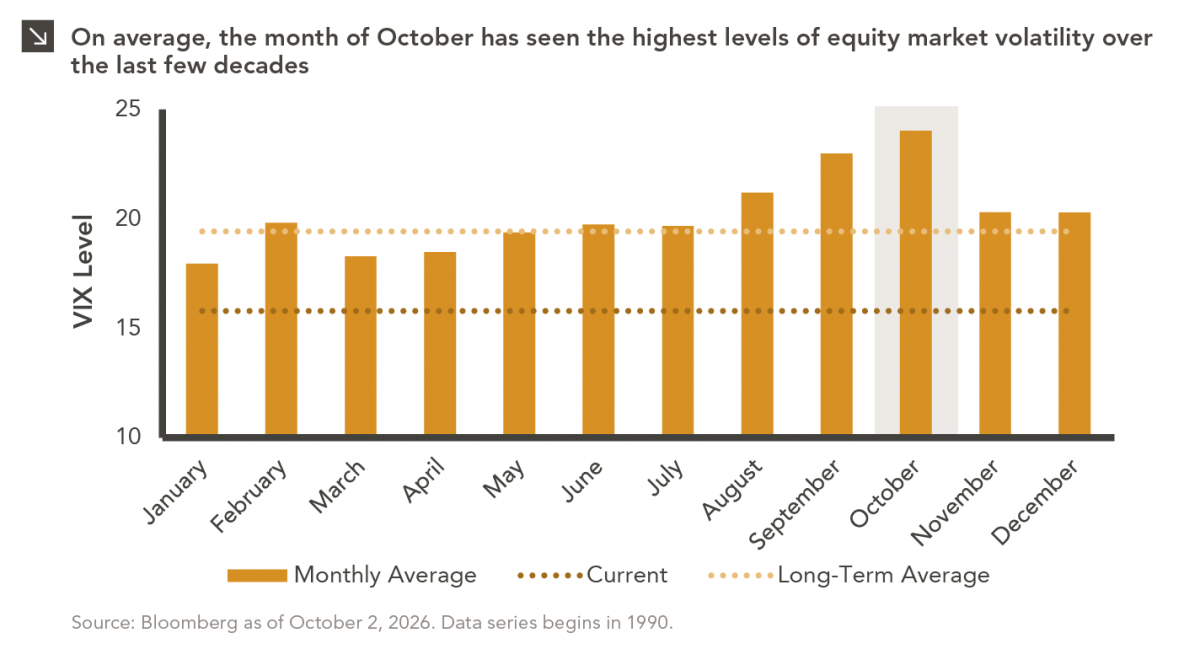
For investors, the spookiest thing about October might not be the ghosts and monsters that are bound to show up…
09.28.2026
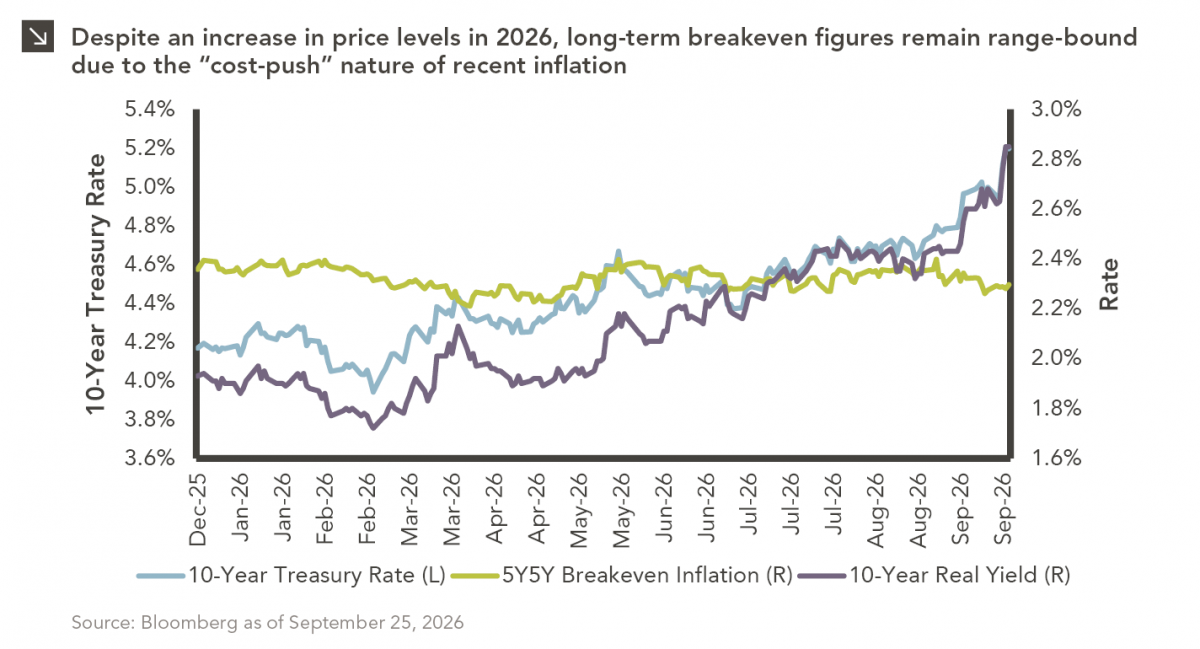
The phrase “expectations of higher inflation” has become a staple in financial news to explain the increase in nominal U.S….
Research alerts keep you updated on our latest research publications. Simply enter your contact information, choose the research alerts you would like to receive and click Subscribe. Alerts will be sent as research is published.
We respect your privacy. We will never share or sell your information.
If you have questions or need further information, please contact us directly and we will respond to your inquiry within 24 hours.
Contact Us >