10.22.2026
Will Higher Rates Cramp the Markets?
Anyone who has run a marathon knows the last six miles are brutal — no matter how well the first…


With merely 21 days left before Britain is due to leave the European Union, global investors are keenly watching their daily news feeds in hopes of clarity on the likely outcome – deal or delay. Note that hard exit was excluded from the list of options. Many economists and leading global financial institutions, like JPMorgan, Credit Suisse, and RBC, have lowered that probability to less than 10%1,2 in response to Prime Minister Theresa May’s compromise on February 28th that allows MPs to vote on a short delay and to rule out a no deal exit in the short term.
So what has exactly transpired since the initial divorce deal’s failed vote and May miraculously passing the no-confidence vote on January 25th? There have been several debates within the Parliament chambers on revisions necessary to secure a positive vote, including an option to remove the 21-day wait period required before voting on an international treaty and amendments to the Irish backstop. As of March 6th, a revised deal between Britain and the European Union has yet to be accepted, with recent talks being characterized as difficult and inconclusive. Albeit too early to know, there’s a strong likelihood that one of the following scenarios will occur: 1) May’s top lawyers will come to compromise with EU and present a palatable deal to Parliament by March 12th, or 2) MPs will vote no on the revised deal and agree to an extension on March 14th.
In this week’s chart, we show FRED’s Economic Policy Uncertainty Index for the United Kingdom3 along with U.K.’s Economic Sentiment Indicator over the last three years. As depicted, indecision over the Brexit outcome remains and drives the uncertainty index into the 450 range, up 56 points from January month-end. At the same time, sentiment within the world’s fifth largest-economy continues to wane as both consumers and many businesses hedge their stakes and prepare for the worst-case scenario, a disorderly Brexit.
Print PDF> Brexit – Deal or Delay?
The opinions expressed herein are those of Marquette Associates, Inc. (“Marquette”), and are subject to change without notice. This material is not financial advice or an offer to purchase or sell any product. Marquette reserves the right to modify its current investment strategies and techniques based on changing market dynamics or client needs.
The opinions expressed herein are those of Marquette Associates, Inc. (“Marquette”), and are subject to change without notice. This material is not financial advice or an offer to purchase or sell any product. Marquette reserves the right to modify its current investment strategies and techniques based on changing market dynamics or client needs.

10.22.2026
Anyone who has run a marathon knows the last six miles are brutal — no matter how well the first…
10.19.2026
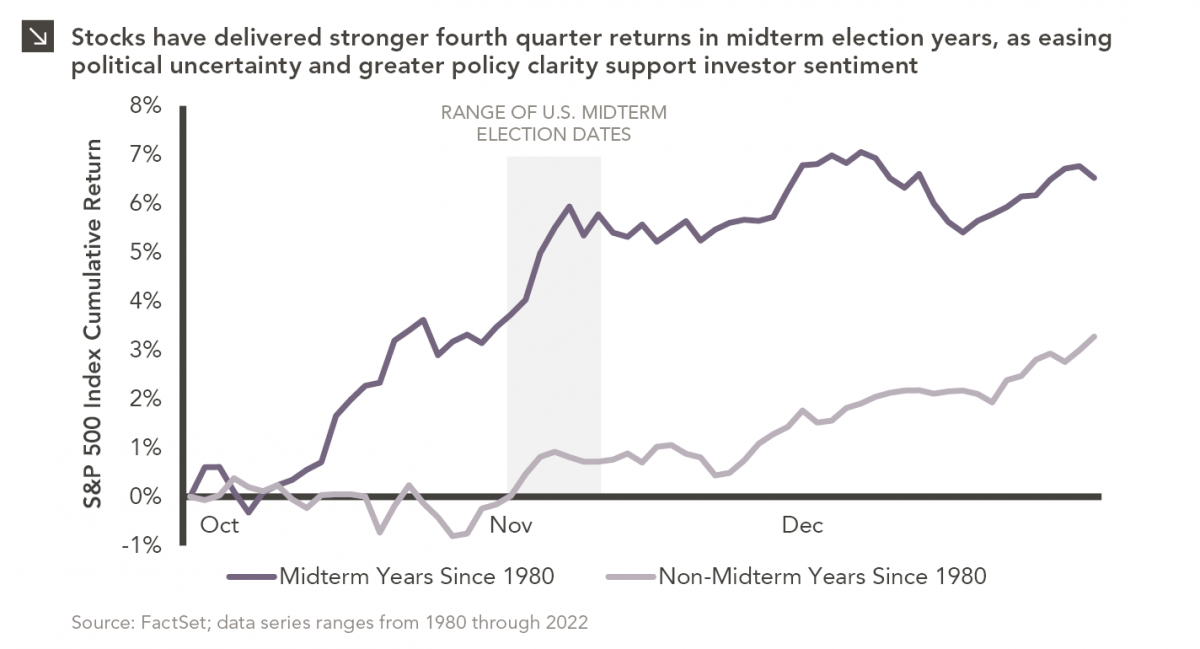
Since 1980, the S&P 500 Index has generally performed well in the weeks surrounding U.S. midterm elections. Specifically, the index…
10.12.2026
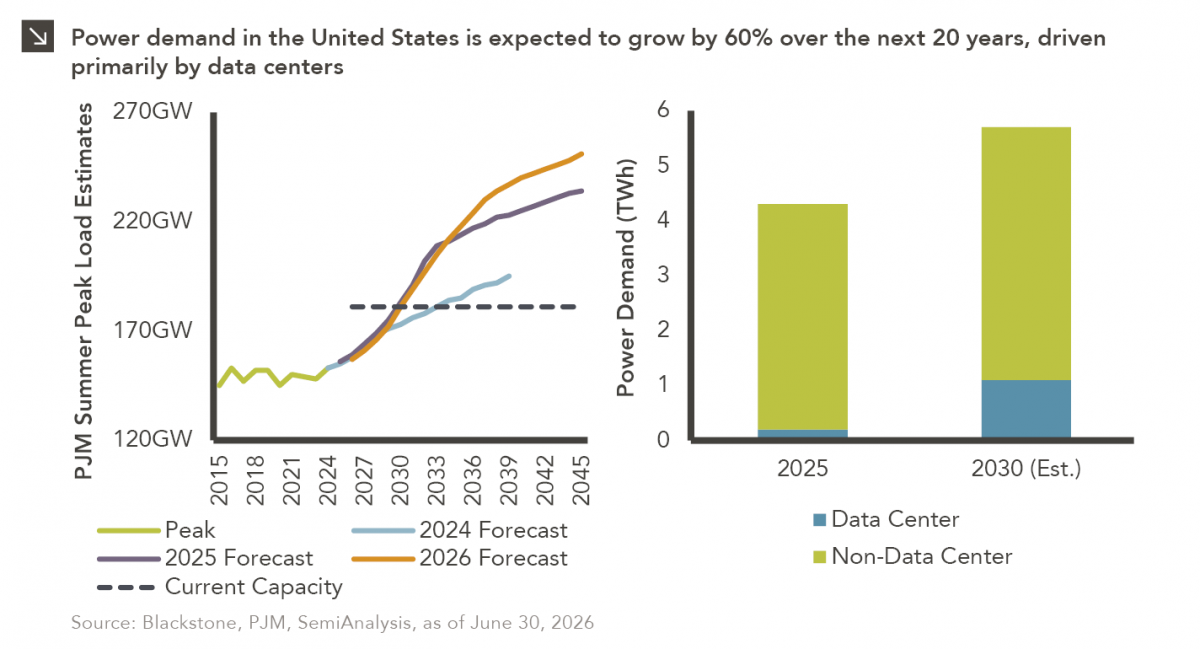
This week’s chart highlights the accelerating growth of electricity demand in the U.S., which has been driven primarily by the…

10.08.2026
LIVE WEBINAR — OCTOBER 22 Please join Marquette’s research team for our 3Q 2026 Market Insights Webinar…
10.05.2026
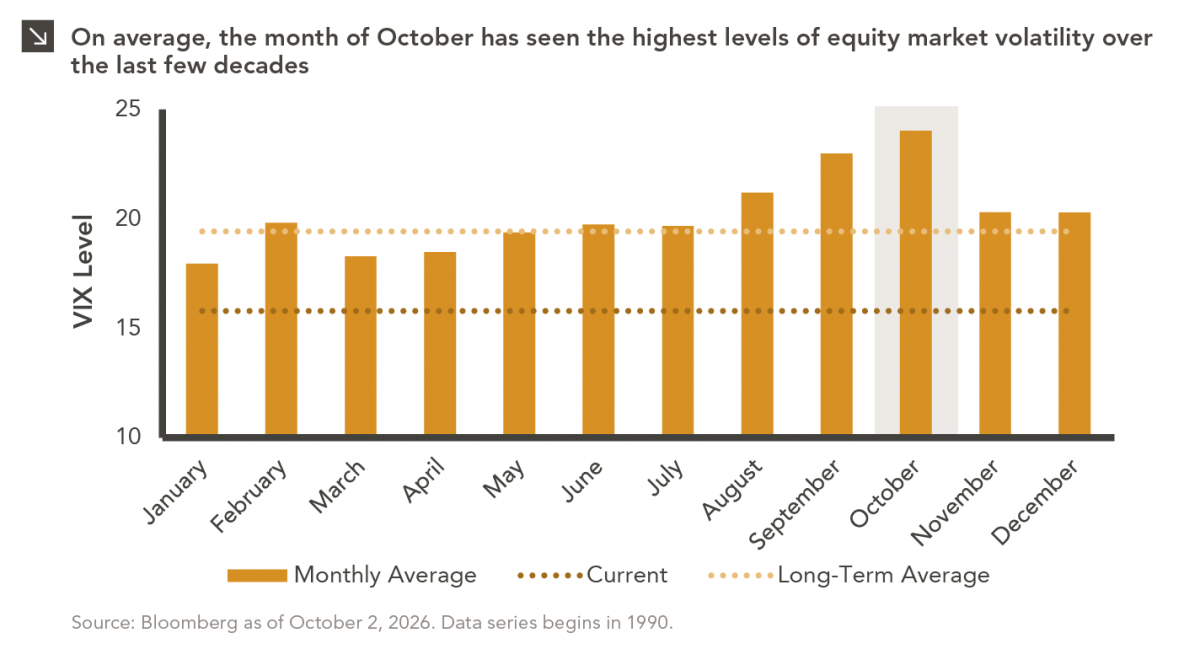
For investors, the spookiest thing about October might not be the ghosts and monsters that are bound to show up…
09.28.2026
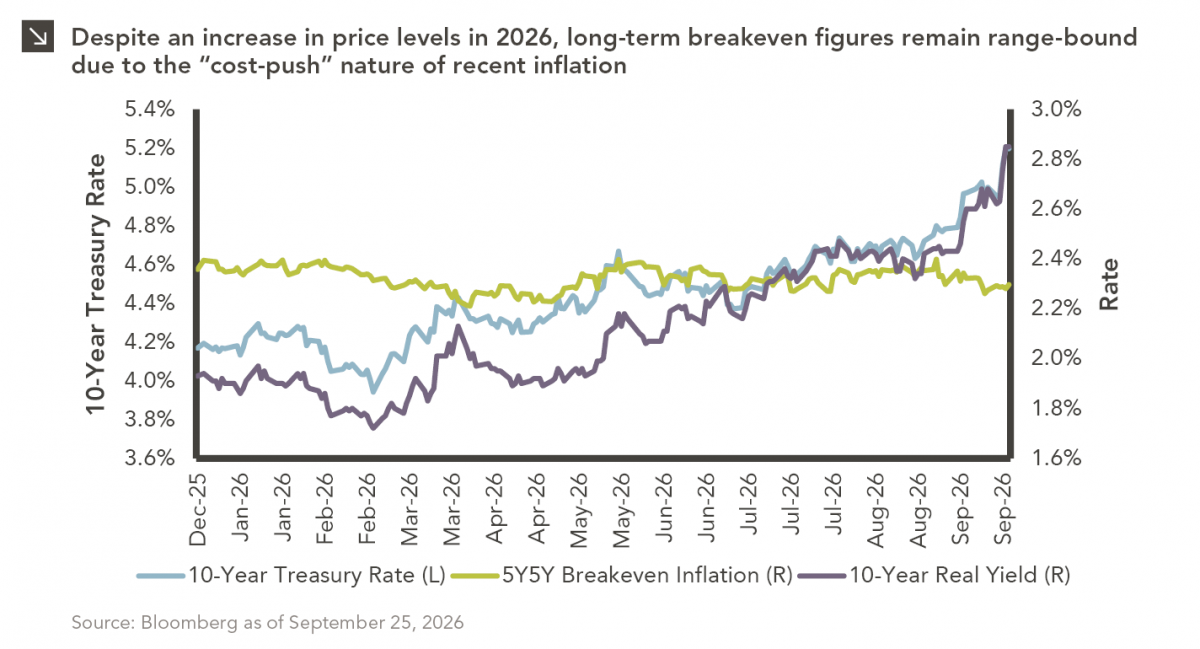
The phrase “expectations of higher inflation” has become a staple in financial news to explain the increase in nominal U.S….
Research alerts keep you updated on our latest research publications. Simply enter your contact information, choose the research alerts you would like to receive and click Subscribe. Alerts will be sent as research is published.
We respect your privacy. We will never share or sell your information.
If you have questions or need further information, please contact us directly and we will respond to your inquiry within 24 hours.
Contact Us >