Eric Gaylord, CFA
Partner


Developed Europe has some tough economic challenges ahead. Italy and Spain just had their credit ratings downgraded putting further pressure on banks holding sovereign debt from the PIIGS nations. While Greece may not be saved from default, European leaders have indicated their commitment to not let its major institutions fail without a fight. Talks surrounding the establishment of a fund to stabilize European banks began to materialize when Belgo-French bank Dexia, crumbling under the weight of its exposure to sovereign debt and toxic assets, was guaranteed a 90 billion euro bailout by Belgium, France, and Luxembourg. For those who believe that the Eurozone will weather the storm, the good news is that stocks are quite cheap for the major European nations as measured by P/E ratios. For example, Germany’s major stock index has a P/E ratio of 9.8 vs. its 15.8 historical median. Compare that to the S&P 500 at 12.4, and you are still looking at some intriguing bargains if you believe that not all of Europe is as weak as its weakest links. Germany’s seasonally adjusted unemployment rate at just 6.9% vs. 9.1% in the U.S. seems to suggest just that. While risks abound, the U.S. stock market is not free of exposure to Europe and Germany and France have shown resolve to keep the Eurozone intact, so maybe it’s time to consider cheaper European stocks once again.
The Euronext 100 Index is comprised of the largest and most liquid stocks traded on the exchange, encompassing French, Dutch, Belgian, and Portugese stocks. The FTSE 100 Index tracks the largest UK companies on the London Stock Exchange. The DAX Index measures the performance of the largest German companies on the Frankfurt Stock Exchange. P/E ratios are sourced from Bloomberg. Historical medians are calculated from the maximum number of data periods available for each respective index

The opinions expressed herein are those of Marquette Associates, Inc. (“Marquette”), and are subject to change without notice. This material is not financial advice or an offer to purchase or sell any product. Marquette reserves the right to modify its current investment strategies and techniques based on changing market dynamics or client needs.
10.12.2026
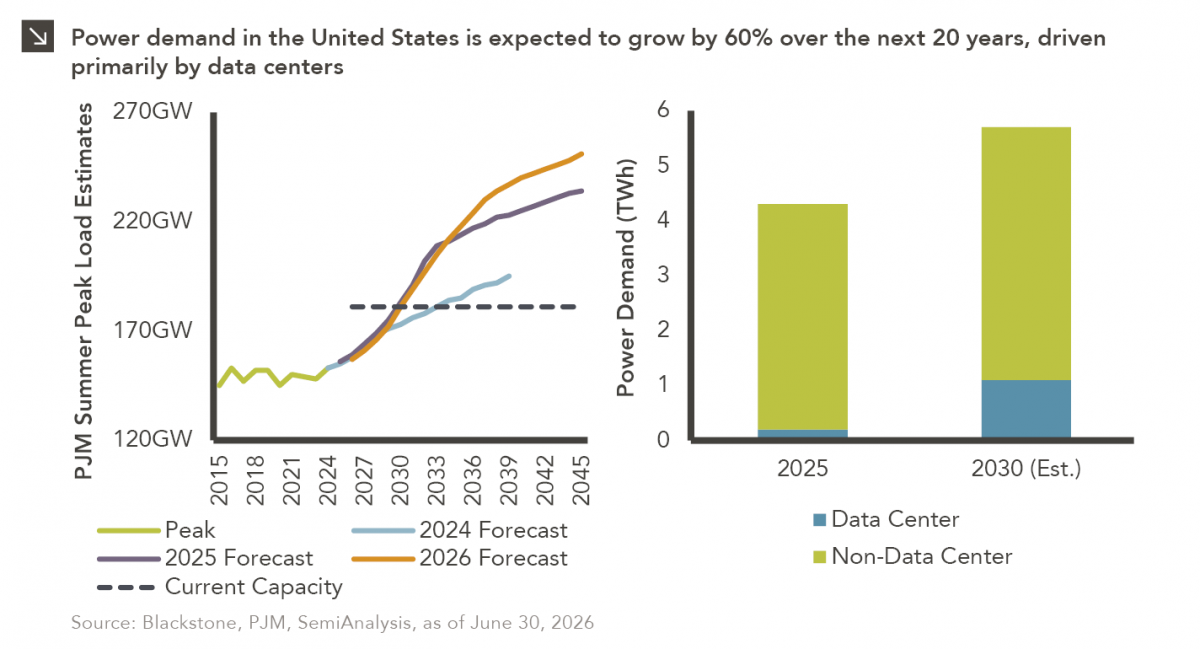
This week’s chart highlights the accelerating growth of electricity demand in the U.S., which has been driven primarily by the…

10.08.2026
LIVE WEBINAR — OCTOBER 22 Please join Marquette’s research team for our 3Q 2026 Market Insights Webinar…
10.05.2026
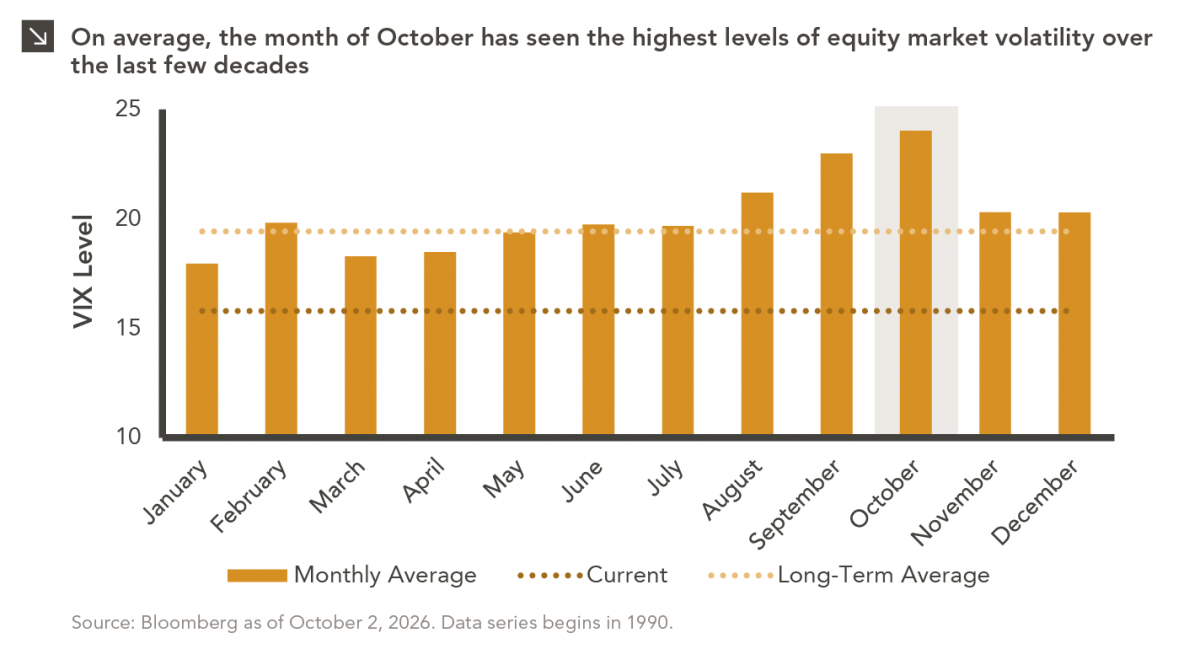
For investors, the spookiest thing about October might not be the ghosts and monsters that are bound to show up…
09.28.2026
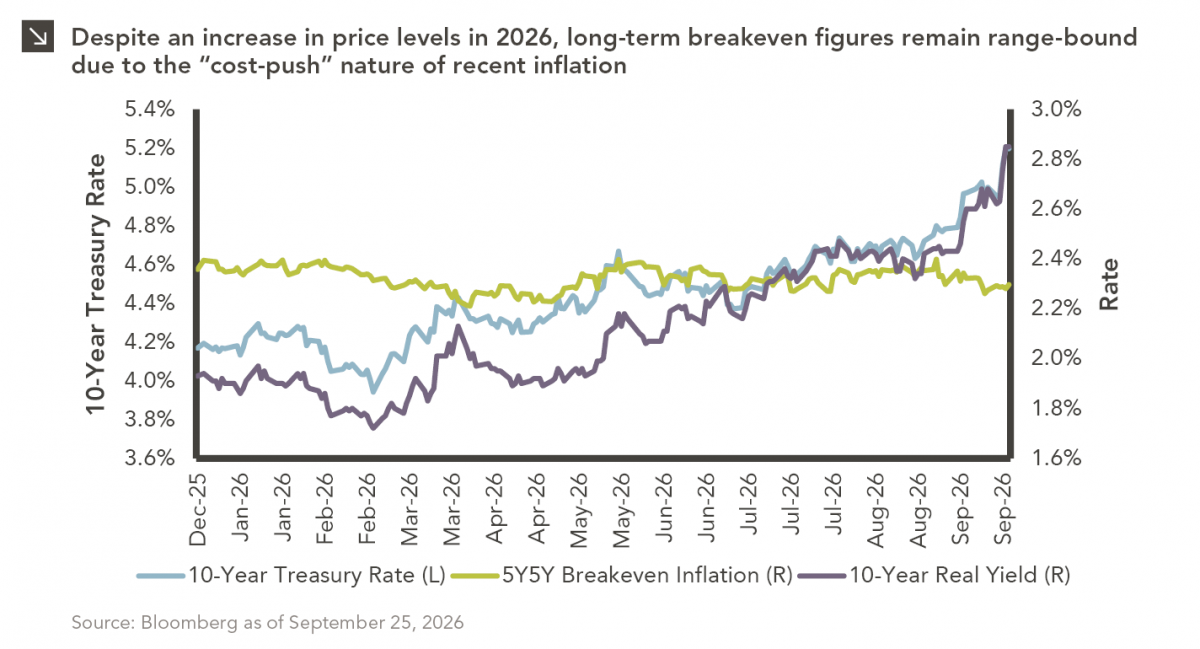
The phrase “expectations of higher inflation” has become a staple in financial news to explain the increase in nominal U.S….
09.21.2026
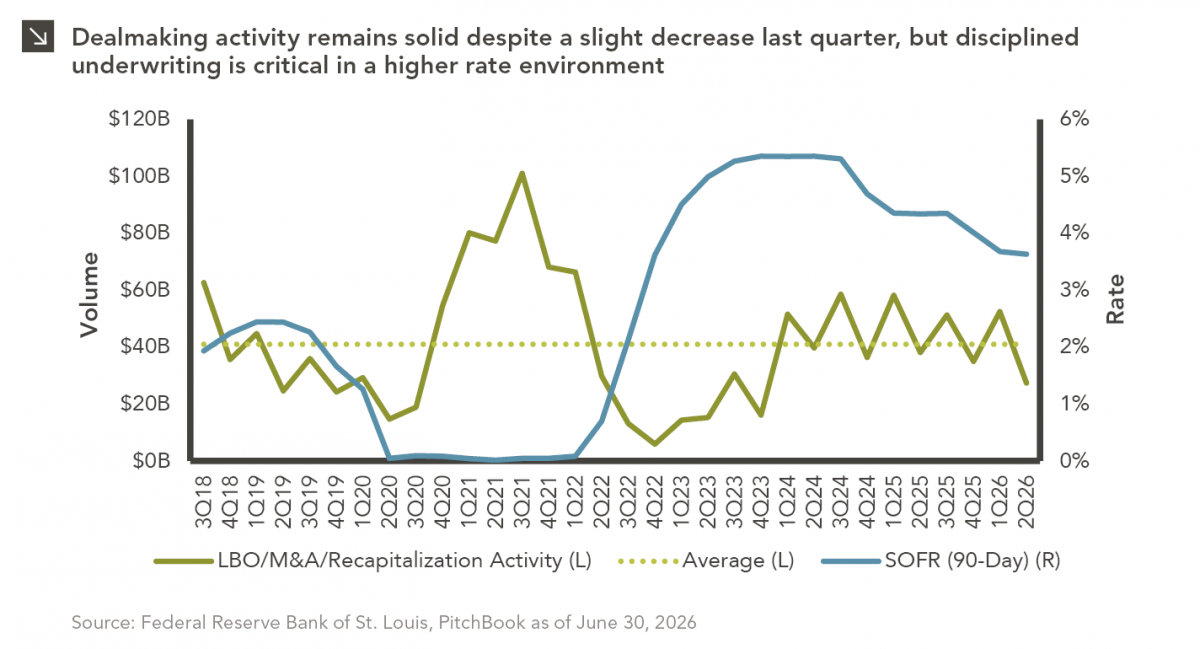
For much of the past several years, the conventional view has been that higher interest rates and stretched valuations would…
09.14.2026
There are many great things about working at Marquette Associates, but “Free Lunch Tuesday” is right at the top of…
Research alerts keep you updated on our latest research publications. Simply enter your contact information, choose the research alerts you would like to receive and click Subscribe. Alerts will be sent as research is published.
We respect your privacy. We will never share or sell your information.
If you have questions or need further information, please contact us directly and we will respond to your inquiry within 24 hours.
Contact Us >