10.19.2026
Divided We Rise?
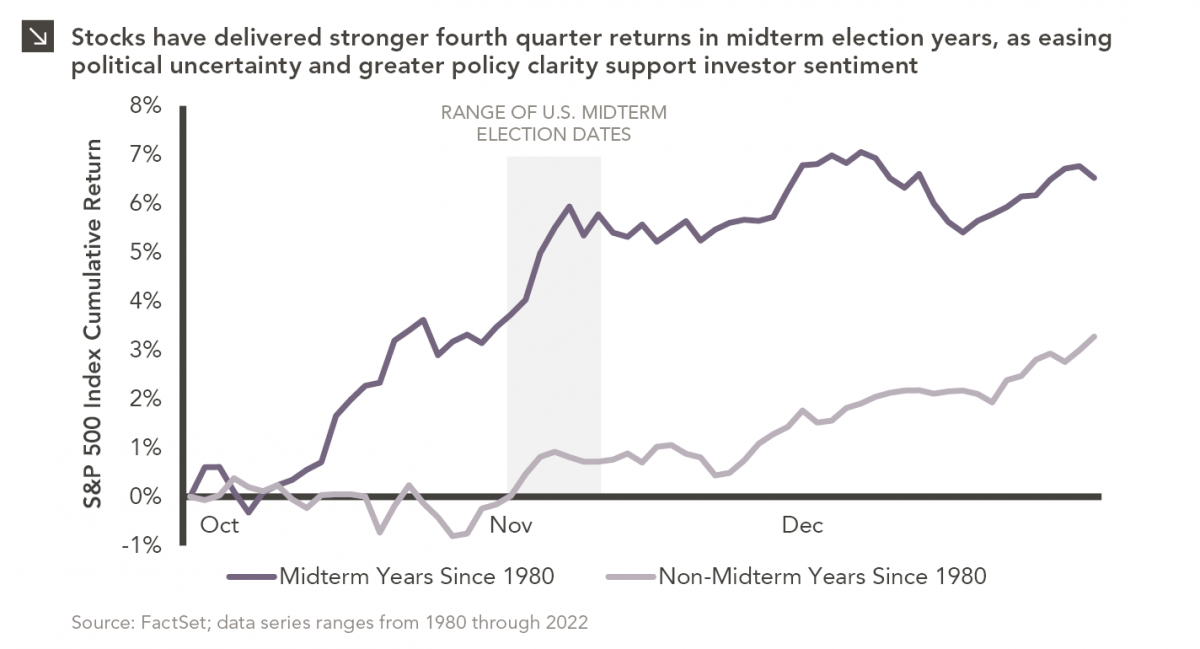
Since 1980, the S&P 500 Index has generally performed well in the weeks surrounding U.S. midterm elections. Specifically, the index…


As oil prices oscillate around $40, market participants continue to wonder how long these low prices will persist. The decline in oil prices, due in part to strong supply growth and lower-than-expected demand growth, has caused headaches for many in the energy industry. Energy companies have made cuts to their CAPEX (capital expenditure) levels and canceled future expansions to reduce spending and maintain low costs. This week’s chart examines the Baker Hughes United States Crude Oil Rotary Rig Counts. Rotary rig counts are often included as an input when analyzing future oil prices — the logic is that a decline in rig counts foreshadows a reduction in supply, and a rise in rig counts precipitates an increase in supply.
Since peaking in October 2014, rig counts have fallen by 60% to the lowest level in over five years. Rig counts saw 29 consecutive weeks of decline between December 2014 and June 2015. The rig counts appeared to consolidate and even ticked up after that 29-week period, with 54 rigs joining the count over a period of 8 positive weeks. This led many investors and market participants to project a continuation of downward pressure on oil prices due to the expected additional supply as a result of the added rigs. However, CAPEX cuts continue in the energy industry, as 42 rigs have come offline since the end of June (with the majority coming offline in September), almost completely reversing the effects of the increase seen in July and August. For investors and market participants, the data suggests that a bottom is forming in the rig counts and energy companies may be nearing the end of their CAPEX cuts. Whether or not this translates into an increase in oil prices remains to be seen.
The opinions expressed herein are those of Marquette Associates, Inc. (“Marquette”), and are subject to change without notice. This material is not financial advice or an offer to purchase or sell any product. Marquette reserves the right to modify its current investment strategies and techniques based on changing market dynamics or client needs.
10.19.2026
Since 1980, the S&P 500 Index has generally performed well in the weeks surrounding U.S. midterm elections. Specifically, the index…
10.12.2026
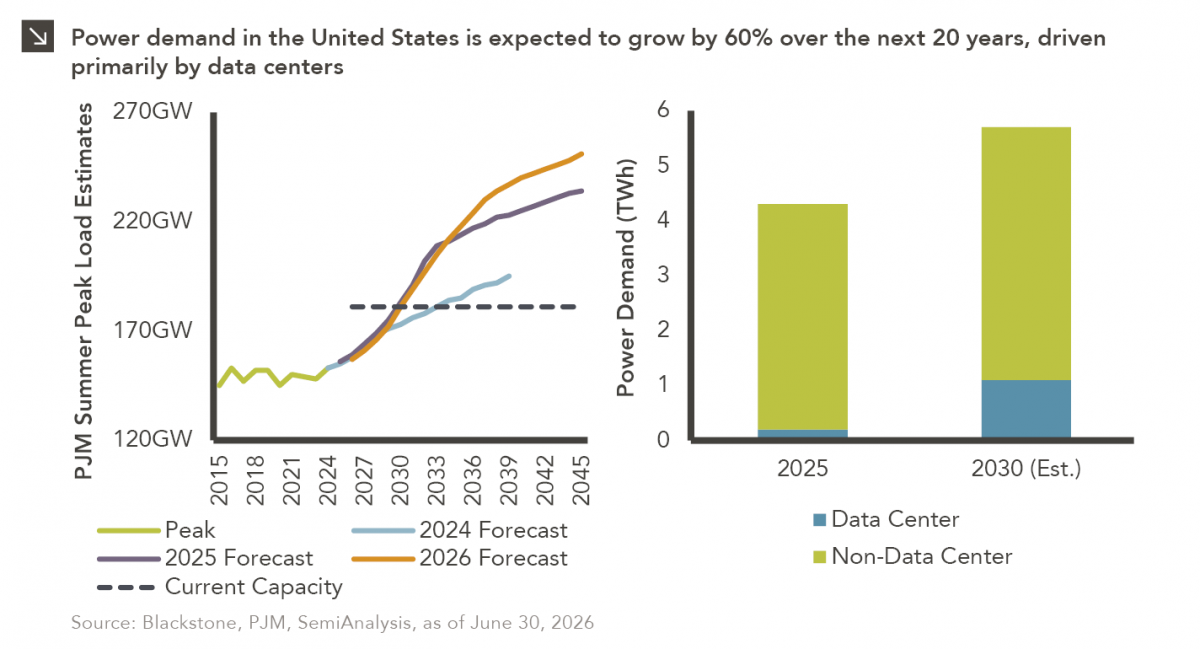
This week’s chart highlights the accelerating growth of electricity demand in the U.S., which has been driven primarily by the…
10.05.2026
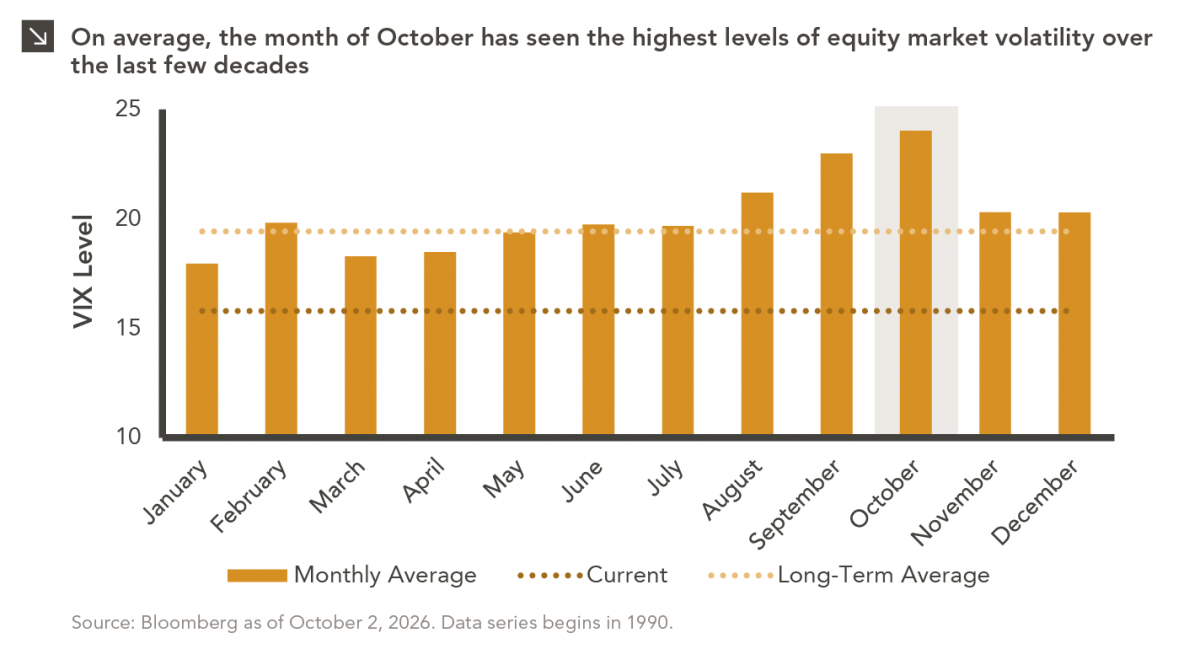
For investors, the spookiest thing about October might not be the ghosts and monsters that are bound to show up…
09.28.2026
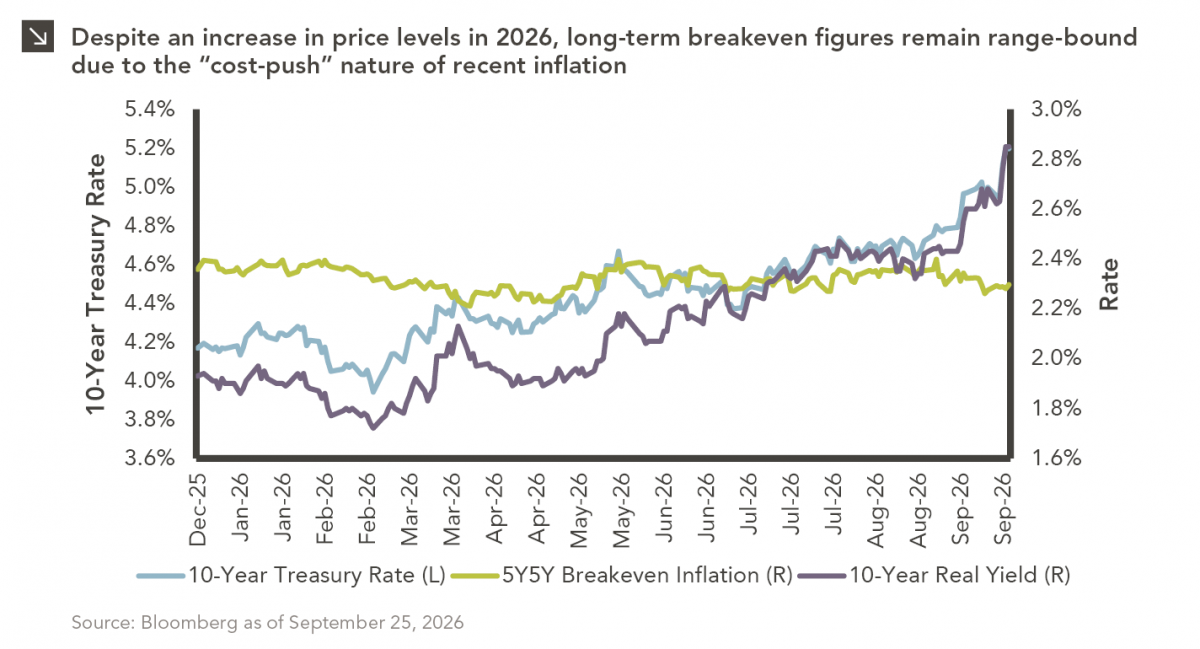
The phrase “expectations of higher inflation” has become a staple in financial news to explain the increase in nominal U.S….
09.21.2026
For much of the past several years, the conventional view has been that higher interest rates and stretched valuations would…
09.14.2026
There are many great things about working at Marquette Associates, but “Free Lunch Tuesday” is right at the top of…
Research alerts keep you updated on our latest research publications. Simply enter your contact information, choose the research alerts you would like to receive and click Subscribe. Alerts will be sent as research is published.
We respect your privacy. We will never share or sell your information.
If you have questions or need further information, please contact us directly and we will respond to your inquiry within 24 hours.
Contact Us >