David Hernandez, CFA
Director of Traditional Manager Search


In 2020, China was a top performer in the global equity market, returning 29.5%. In 2021, however, Chinese equities have struggled relative to peers. In July, the MSCI China Index lost 13.8%, dragging the broader MSCI Emerging Markets Index to a 6.7% loss for the month.
On July 23rd, the Chinese government, as part of its efforts aimed at boosting a declining birth rate, announced that private for-profit education companies were no longer allowed to make a profit. Among other restrictions, these companies are now required to transform into non-profit entities. As a result, two of the largest education companies — New Oriental Education and TAL Education — were down 73.5% and 75.9%, respectively, in July. This dramatic change is a recent event in a series of regulatory actions that have been taken by the Chinese government over the last nine months. Previous changes predominately impacted internet-based businesses.
Chinese equities have sold off as investors assess the risks of the new regulatory climate and the potential impact to future profitability of several key industries. From here, the market will likely remain jittery on Chinese stocks, especially within regulated industries. However, this is not a new phenomenon. We have seen the Chinese government increase regulations in the past after periods of unchecked growth. The online gaming industry, for example, came under pressure in 2018 when the Chinese government imposed a curfew for minors as a means of limiting gaming consumption. In those past instances, the market recalibrated to the new regulatory environment and the resulting winners and losers were identified. We anticipate a similar outcome in this case.
Print PDF > Chinese Equities Sold Off in July

The opinions expressed herein are those of Marquette Associates, Inc. (“Marquette”), and are subject to change without notice. This material is not financial advice or an offer to purchase or sell any product. Marquette reserves the right to modify its current investment strategies and techniques based on changing market dynamics or client needs.
10.19.2026
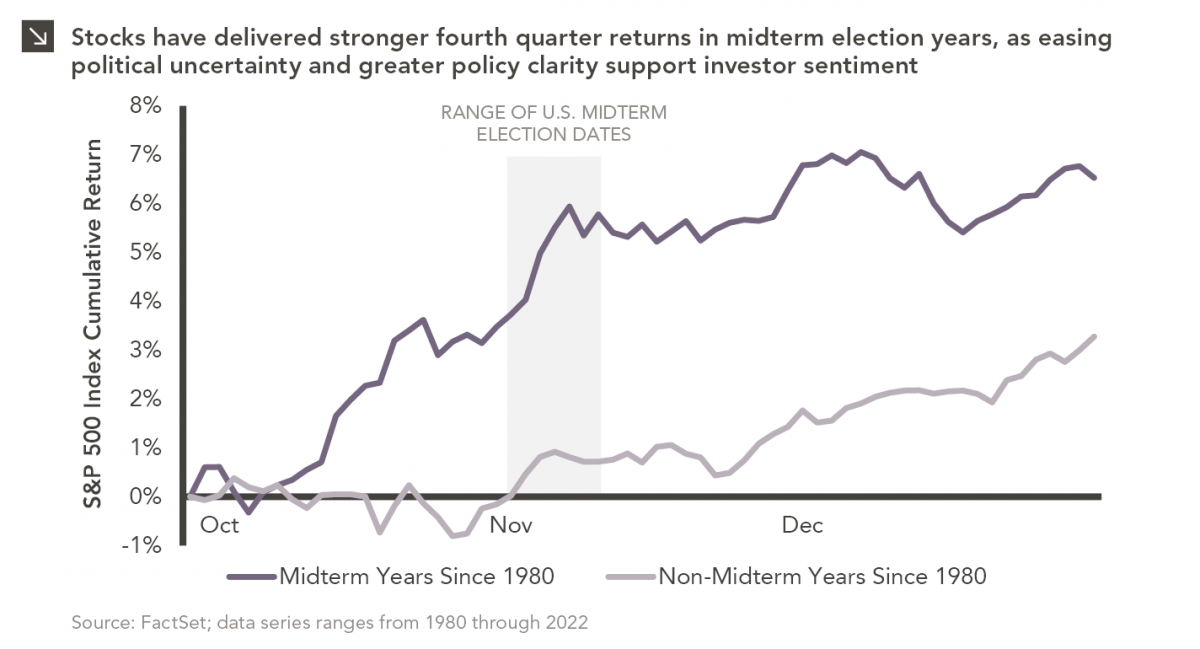
Since 1980, the S&P 500 Index has generally performed well in the weeks surrounding U.S. midterm elections. Specifically, the index…
10.12.2026
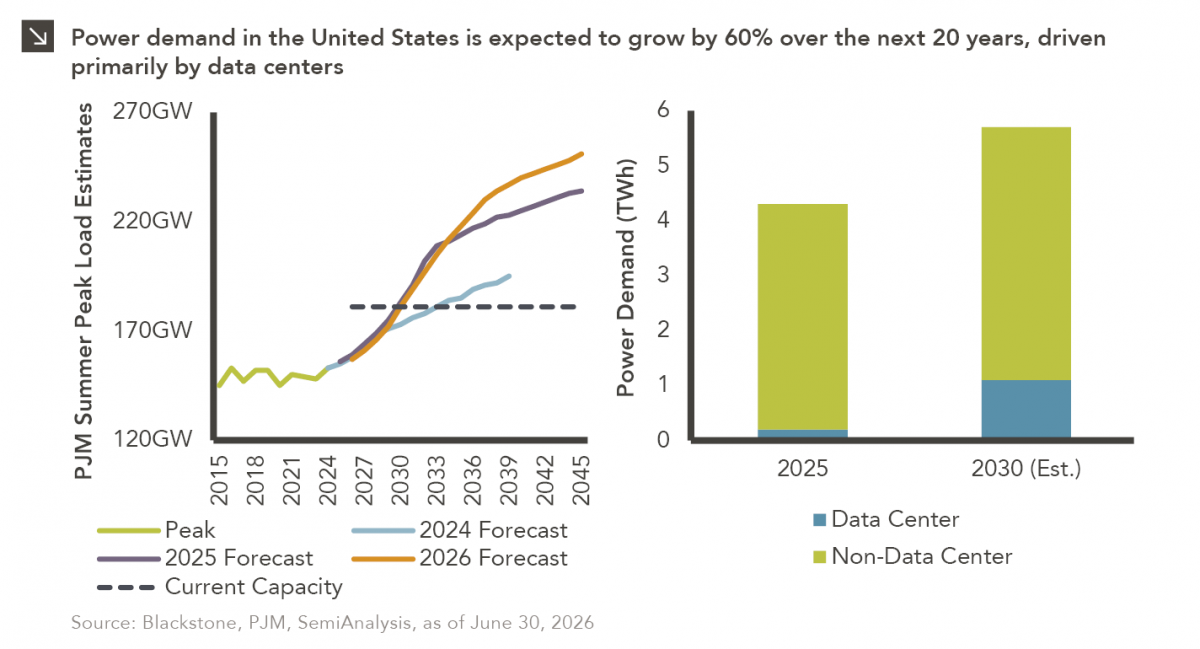
This week’s chart highlights the accelerating growth of electricity demand in the U.S., which has been driven primarily by the…

10.08.2026
LIVE WEBINAR — OCTOBER 22 Please join Marquette’s research team for our 3Q 2026 Market Insights Webinar…
10.05.2026
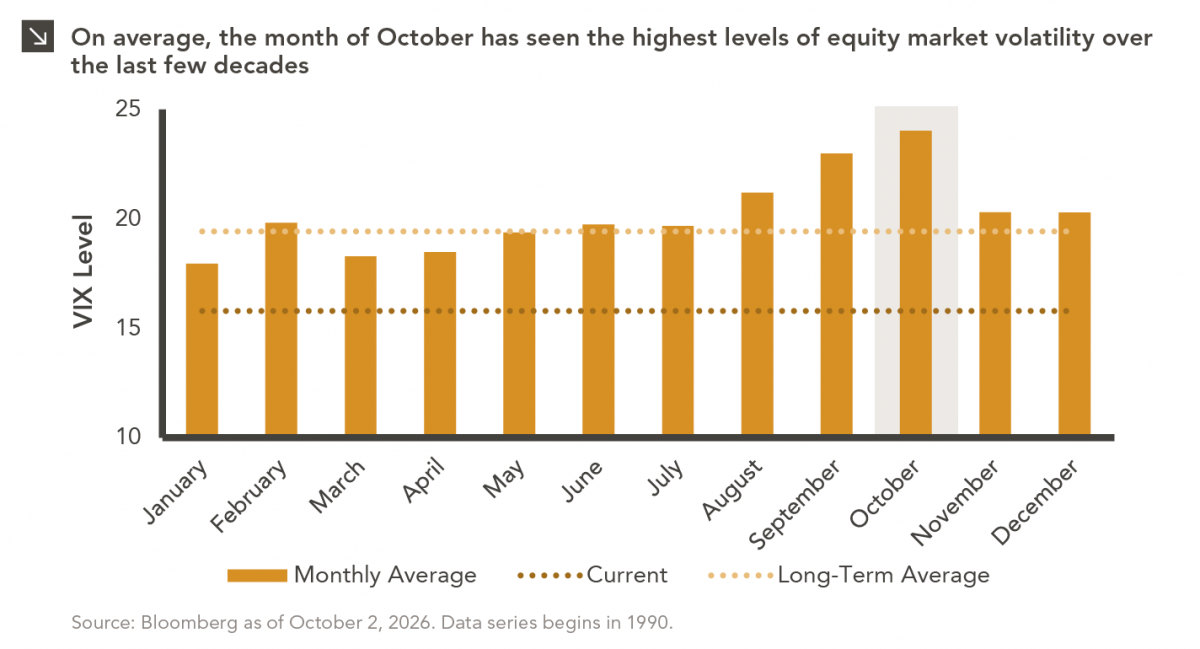
For investors, the spookiest thing about October might not be the ghosts and monsters that are bound to show up…
09.28.2026
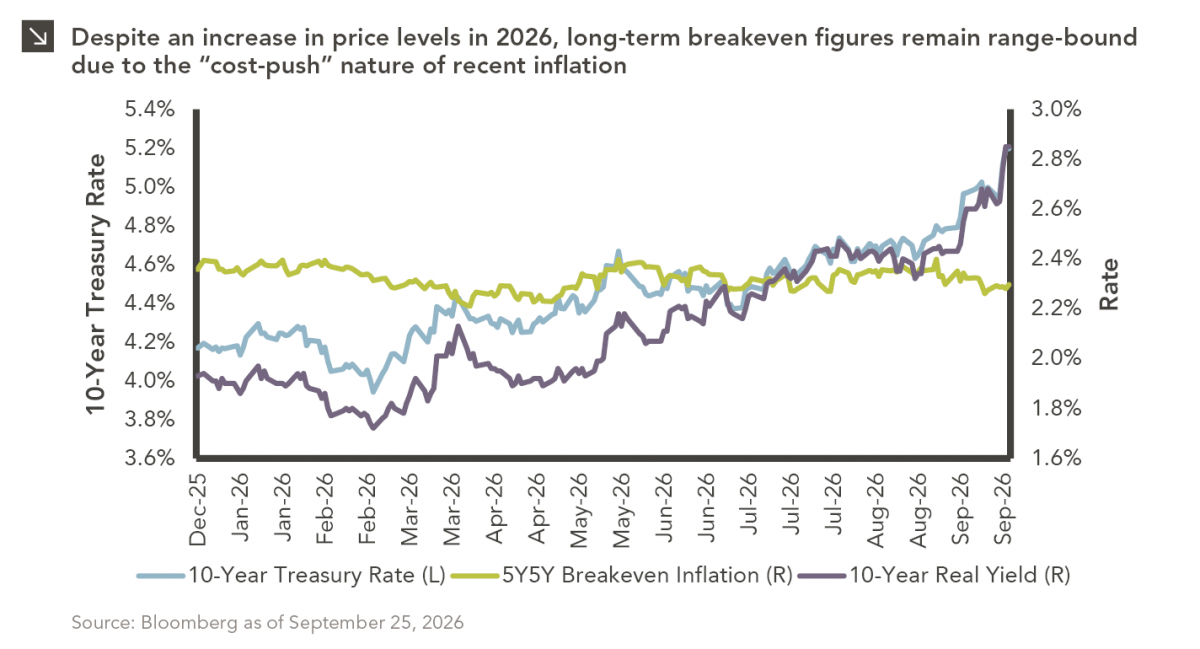
The phrase “expectations of higher inflation” has become a staple in financial news to explain the increase in nominal U.S….
09.21.2026
For much of the past several years, the conventional view has been that higher interest rates and stretched valuations would…
Research alerts keep you updated on our latest research publications. Simply enter your contact information, choose the research alerts you would like to receive and click Subscribe. Alerts will be sent as research is published.
We respect your privacy. We will never share or sell your information.
If you have questions or need further information, please contact us directly and we will respond to your inquiry within 24 hours.
Contact Us >