10.08.2026
3Q 2026 Market Insights
This video is a recording of a live webinar held October 22 by Marquette’s research team analyzing the third quarter…


Nearly a month into summer, the tragedy of COVID-19 rages on globally and in the U.S. As of July 13th, America’s death toll sat at over 135,000 with total cases approaching 3.4 million. The good news is that a number of virus hot spots have largely been tamed, most notably New York. To maintain this progress, Governor Cuomo implemented a mandatory quarantine period for travelers arriving from a number of other states. Elected officials in other once hard-hit locations, including Chicago Mayor Lori Lightfoot, have followed suit. Yet, despite the progress in some parts of the country, others are going in the opposite direction.
Two of the most populous states, California and Florida, have made headlines recently for their surging cases but differing responses. As of July 13th, California had 336,508 positive COVID-19 cases. Accelerating this grim total was a notable increase in the infection rate during June, which has continued into July. In response, Governor Newsom announced renewed restrictions this past Monday, and although not as wide-ranging as the initial spring lockdown, they are effectively a statewide ban on indoor activity with 80% of California residents affected. Also newsworthy was the announcement by both the Los Angeles and San Diego school districts that the school year will begin fully online.
Facing just as significant a problem, Florida’s case count sat at 291,629 on July 13th. Despite the rising cases and recently deemed “epicenter”¹ of Miami, Florida’s Commissioner of the Department of Education issued an order on July 7th that all of the state’s schools open for full-time in-person learning next month. After another week of surging cases, support for this directive was offered by Senator Marco Rubio on Monday, noting that “additional measures” be taken in hot spot locations. And, in the Sunshine State, it’s not just schools that are heading towards a return to normalcy. Disney World opened its doors for the first time since March last weekend.
The divergence in responses between these two coastal states highlights the differences in opinion witnessed since the start of the pandemic and helps explain the inconsistent success rates across states in controlling the outbreak. Though progress has been notable in the U.S., this most recent pattern suggests that a more uniform approach to battling the pandemic could help reduce the spread of COVID-19. The coming months will be telling for financial markets: the longer that the pandemic surges, the more volatility and headwinds will dominate the headlines and investor returns. On the other hand, if a more uniform and consistent approach can be embraced, the curve is sure to be shortened and a return to normalcy should be expected sooner rather than later.
Print PDF > Coastal COVID: Diverging State Responses
¹Dr. Lillian Abbo, University of Miami, via NPR
The opinions expressed herein are those of Marquette Associates, Inc. (“Marquette”), and are subject to change without notice. This material is not financial advice or an offer to purchase or sell any product. Marquette reserves the right to modify its current investment strategies and techniques based on changing market dynamics or client needs.

10.08.2026
This video is a recording of a live webinar held October 22 by Marquette’s research team analyzing the third quarter…

10.22.2026
Anyone who has run a marathon knows the last six miles are brutal — no matter how well the first…
10.19.2026
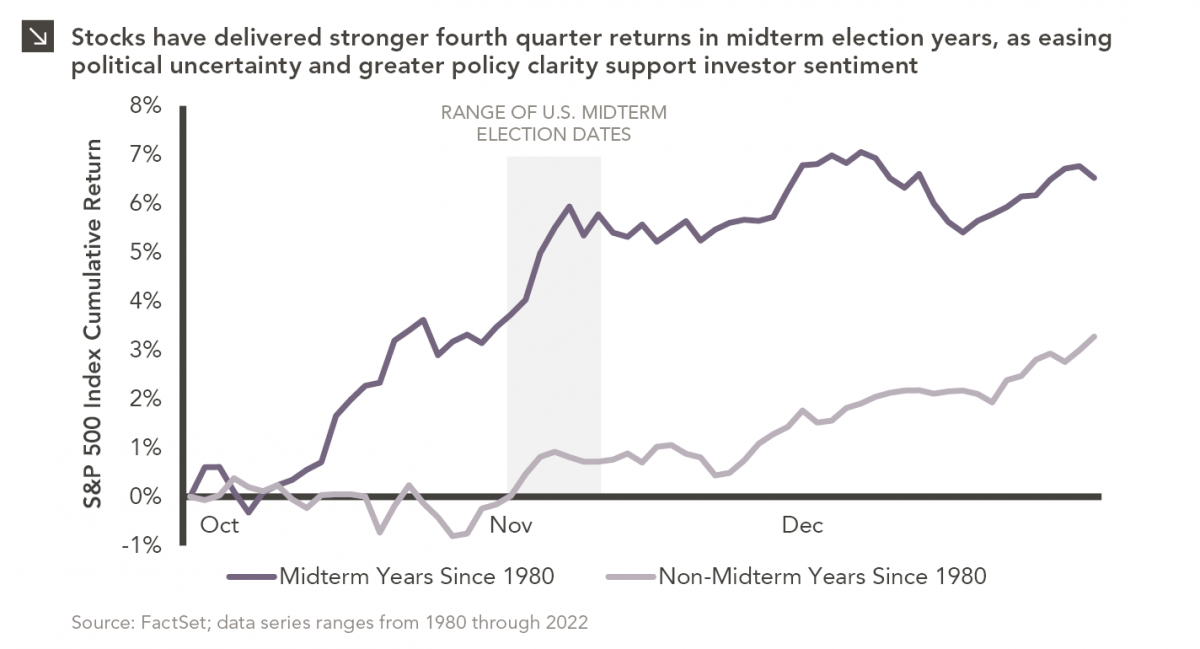
Since 1980, the S&P 500 Index has generally performed well in the weeks surrounding U.S. midterm elections. Specifically, the index…
10.12.2026
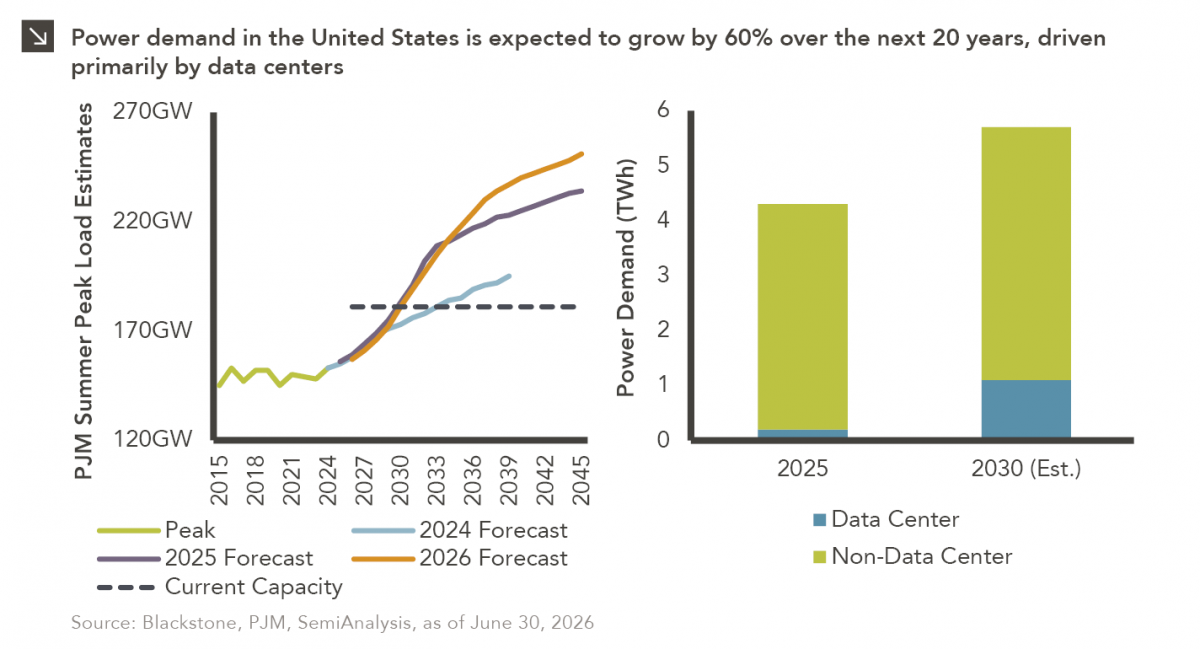
This week’s chart highlights the accelerating growth of electricity demand in the U.S., which has been driven primarily by the…
10.05.2026
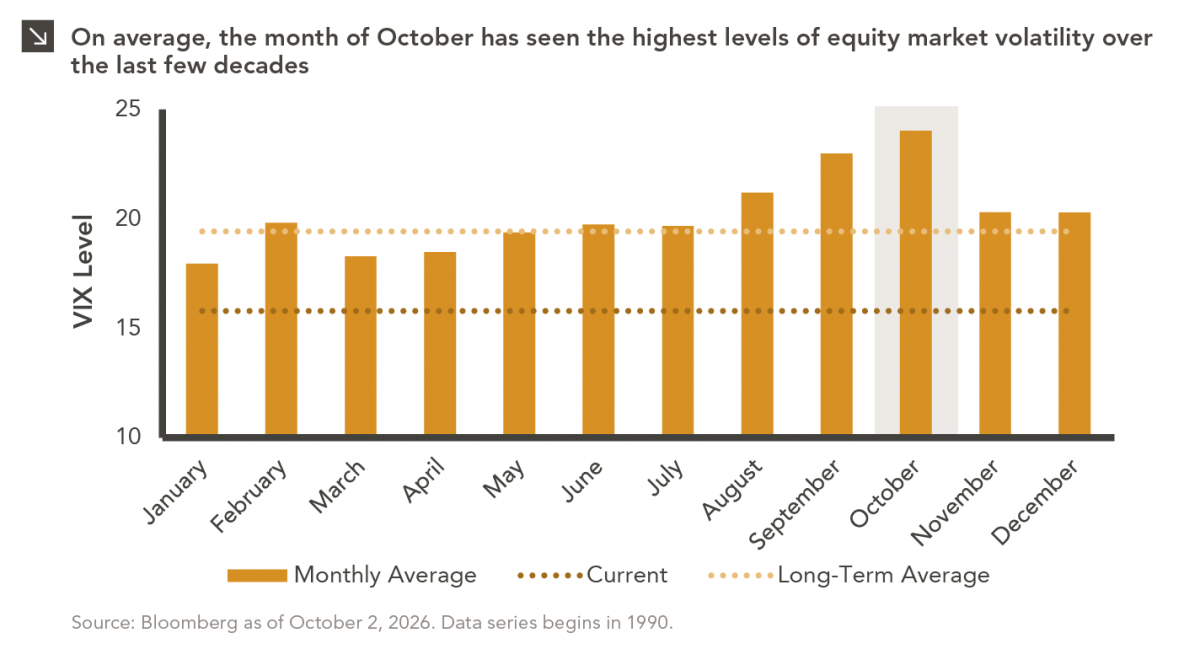
For investors, the spookiest thing about October might not be the ghosts and monsters that are bound to show up…
09.28.2026
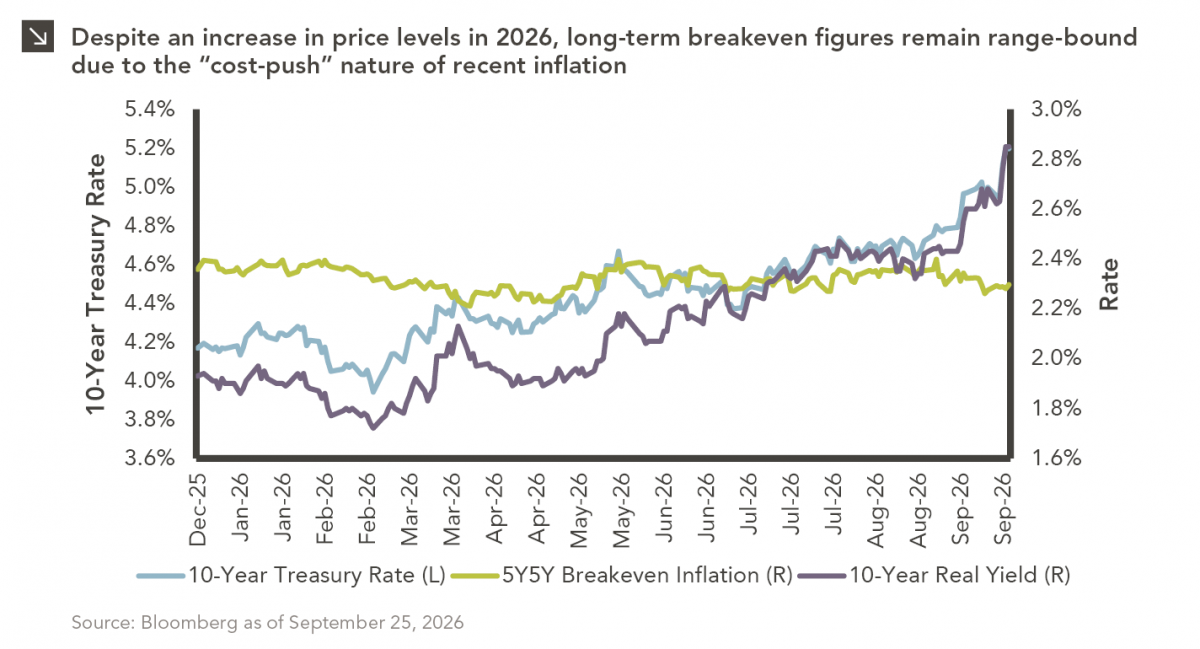
The phrase “expectations of higher inflation” has become a staple in financial news to explain the increase in nominal U.S….
Research alerts keep you updated on our latest research publications. Simply enter your contact information, choose the research alerts you would like to receive and click Subscribe. Alerts will be sent as research is published.
We respect your privacy. We will never share or sell your information.
If you have questions or need further information, please contact us directly and we will respond to your inquiry within 24 hours.
Contact Us >