Jesus Jimenez
Partner


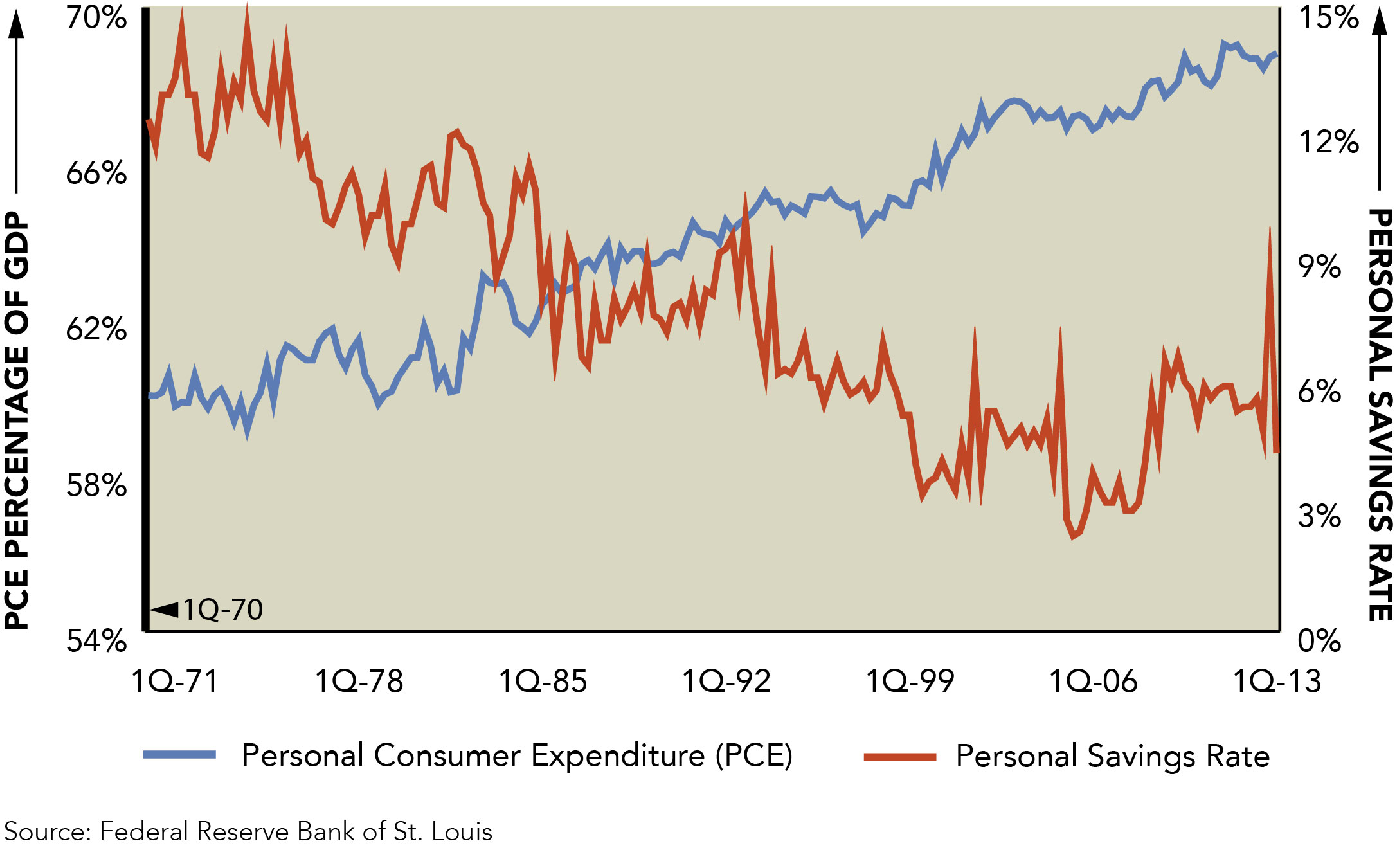
This week’s Chart of the Week examines the importance of personal consumer expenditures (PCE) on the U.S. economy. From 1970 to 1st quarter 2013, PCE has grown from 60% to 69% of GDP as the health of the economy has become more dependent on consumers. While many factors can account for the PCE figure, one of the more telling data points is the personal savings rate: if consumers are spending more, they must naturally be saving less. Not surprisingly, the personal savings rate has declined from 12.3% in 1970, indicating a trend of consumers saving less and spending more. Savings rates hit all time lows leading up to the recent recession as consumers spent outside of their means in an overheated economy. In reaction to the economic downturn, consumers became conservative and increased their savings, applying further negative pressure to an already troubled economy. Currently the savings rate has trended back down, a sign that fear has subsided and investors are spending more. This coupled with favorable trends in housing and consumer confidence are positive indicators for future economic growth.

The opinions expressed herein are those of Marquette Associates, Inc. (“Marquette”), and are subject to change without notice. This material is not financial advice or an offer to purchase or sell any product. Marquette reserves the right to modify its current investment strategies and techniques based on changing market dynamics or client needs.
10.12.2026
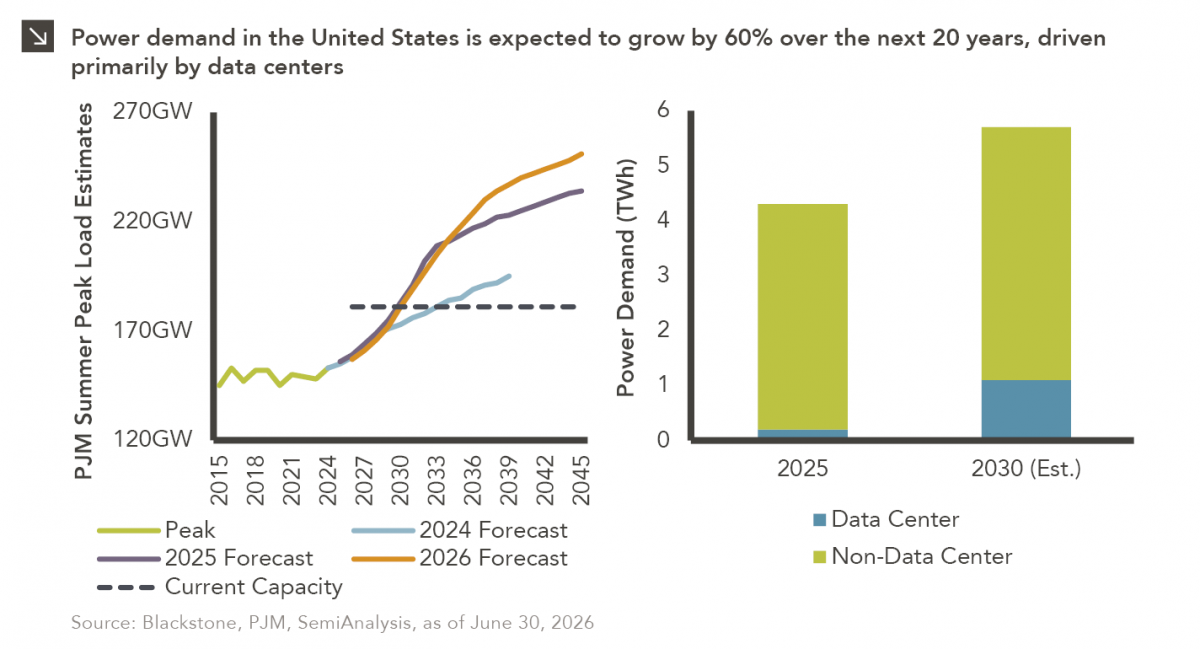
This week’s chart highlights the accelerating growth of electricity demand in the U.S., which has been driven primarily by the…

10.08.2026
LIVE WEBINAR — OCTOBER 22 Please join Marquette’s research team for our 3Q 2026 Market Insights Webinar…
10.05.2026
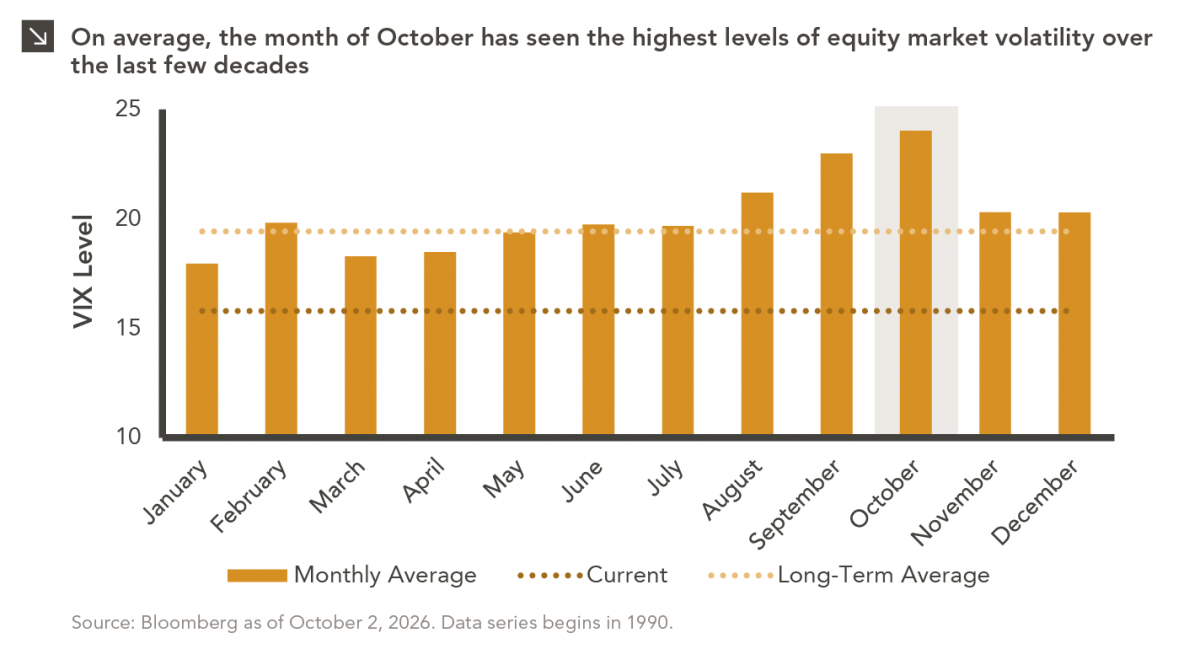
For investors, the spookiest thing about October might not be the ghosts and monsters that are bound to show up…
09.28.2026
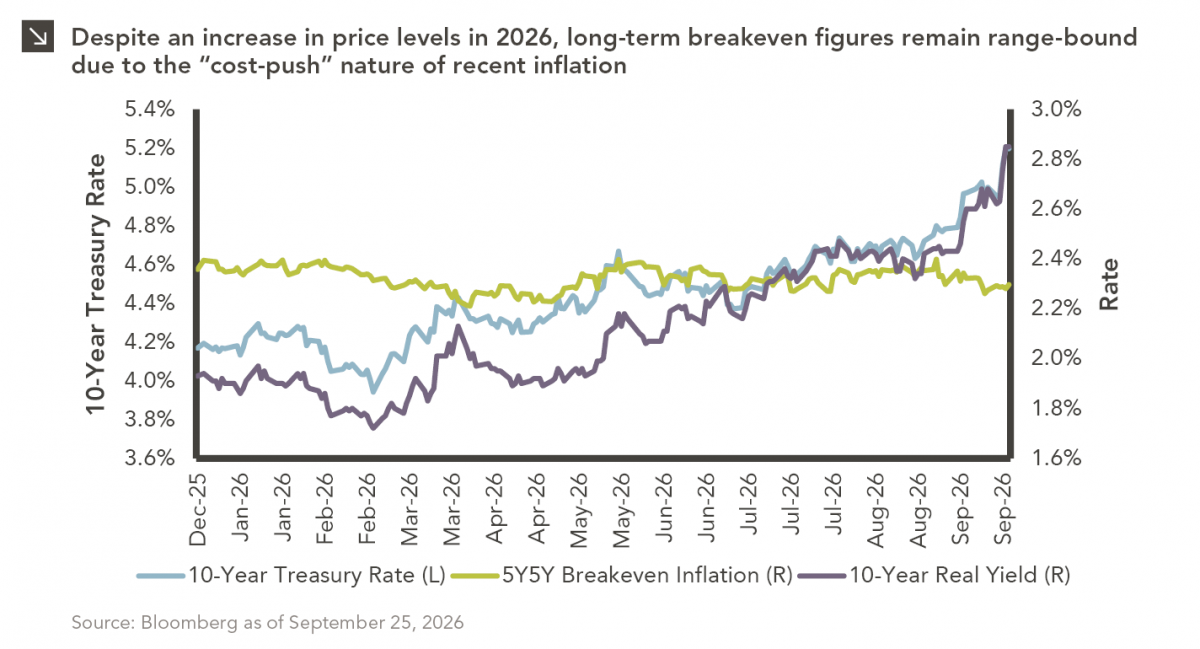
The phrase “expectations of higher inflation” has become a staple in financial news to explain the increase in nominal U.S….
09.21.2026
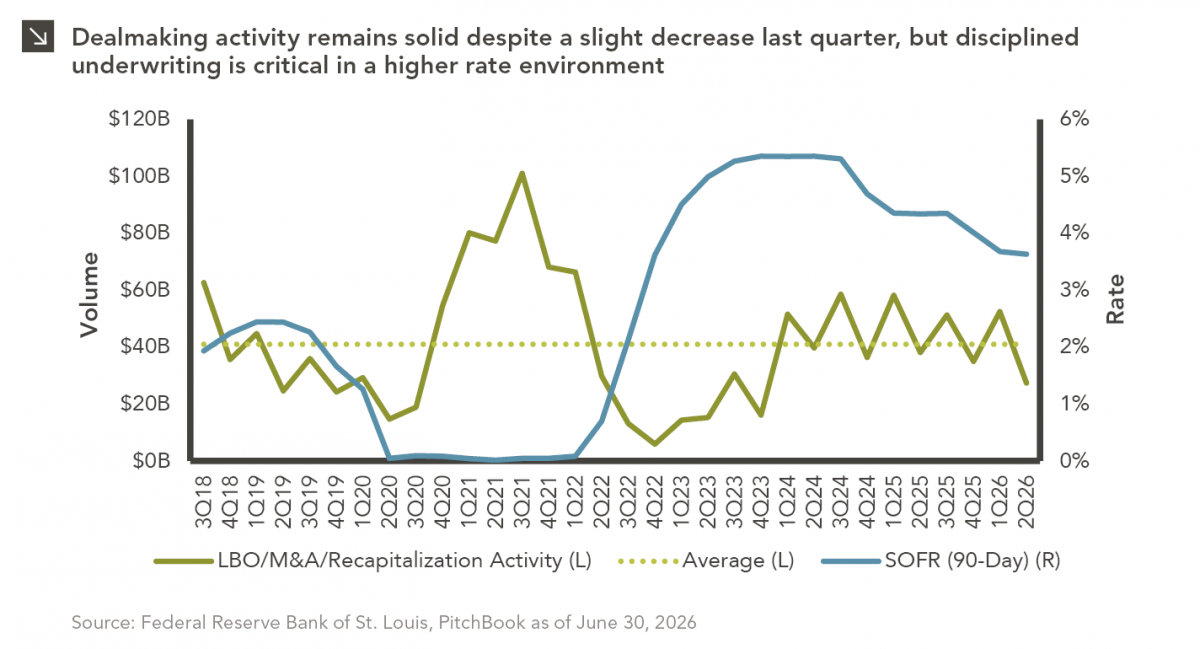
For much of the past several years, the conventional view has been that higher interest rates and stretched valuations would…
09.14.2026
There are many great things about working at Marquette Associates, but “Free Lunch Tuesday” is right at the top of…
Research alerts keep you updated on our latest research publications. Simply enter your contact information, choose the research alerts you would like to receive and click Subscribe. Alerts will be sent as research is published.
We respect your privacy. We will never share or sell your information.
If you have questions or need further information, please contact us directly and we will respond to your inquiry within 24 hours.
Contact Us >