Tom Salemy, CFA, CAIA
Partner


This week’s Chart of the Week covers increased correlations among asset classes. Correlation is a statistical measure showing how two variables move in relation to each other. It can range anywhere from -1 to1, and refers only to the direction of changes. Perfect negative correlation (-1), implies that two items move in completely opposite directions and perfect positive correlation (+1), implies that two items move in lock-step. The chart above shows the five-year correlations between the S&P 500 and a broad set of sample asset classes. As evident, all risk-assets have had a very high positive correlation to the S&P 500 over the past five years. Referring to the chart, aside from the three Treasury indices, no other asset class has a correlation less than .90, which is extremely high.
However, correlation only tells part of the story: just because two asset classes have high correlation does not mean that their returns will end up being the same. In fact, this will most likely never be the case. For example, over the time-frame captured above, despite very high correlations, emerging markets, the S&P 500, and the REIT index have annualized returns of 2.8%, -.56% and -3.48% respectively. Over the past five years, as globalization has become more pronounced and economies more intertwined, correlations have certainly increased to all time high levels. But since correlation does not capture magnitude of returns, investors should continue to utilize an asset allocation model that takes potential risk and return into account.

The opinions expressed herein are those of Marquette Associates, Inc. (“Marquette”), and are subject to change without notice. This material is not financial advice or an offer to purchase or sell any product. Marquette reserves the right to modify its current investment strategies and techniques based on changing market dynamics or client needs.
10.19.2026
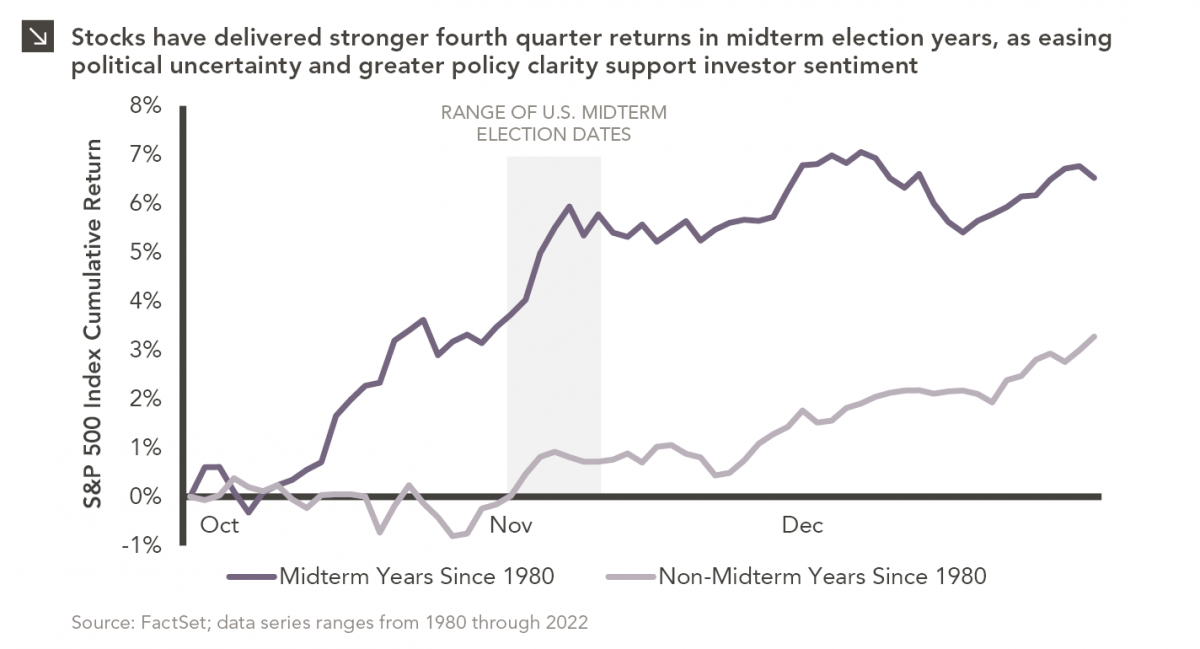
Since 1980, the S&P 500 Index has generally performed well in the weeks surrounding U.S. midterm elections. Specifically, the index…
10.12.2026
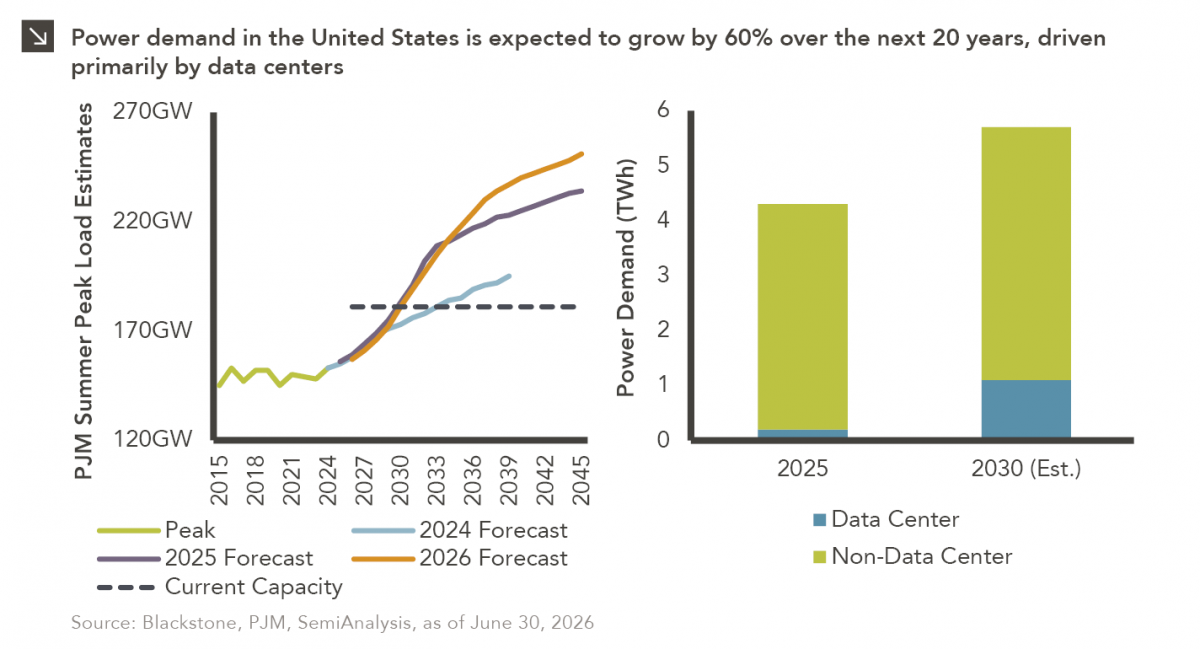
This week’s chart highlights the accelerating growth of electricity demand in the U.S., which has been driven primarily by the…

10.08.2026
LIVE WEBINAR — OCTOBER 22 Please join Marquette’s research team for our 3Q 2026 Market Insights Webinar…
10.05.2026
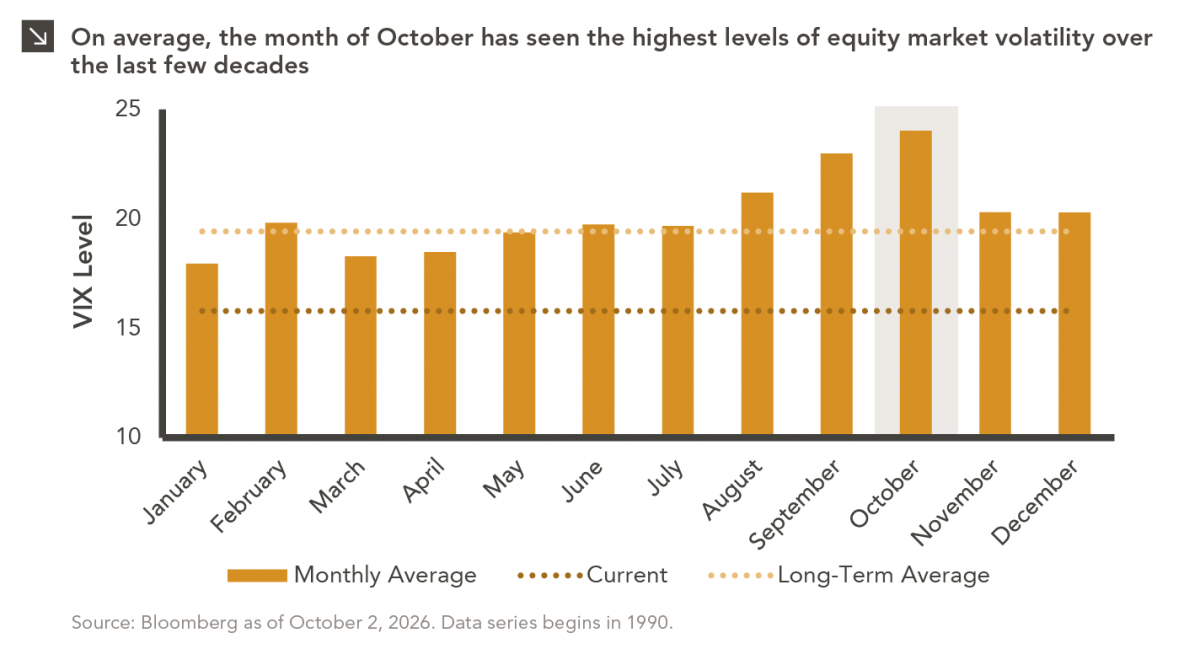
For investors, the spookiest thing about October might not be the ghosts and monsters that are bound to show up…
09.28.2026
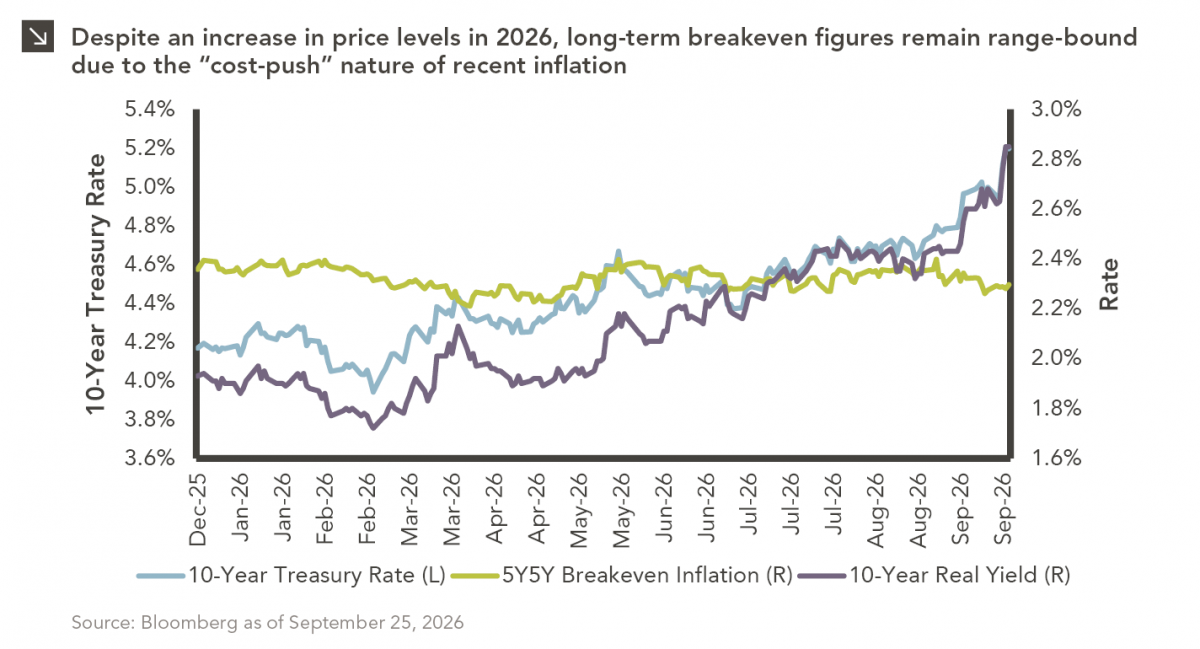
The phrase “expectations of higher inflation” has become a staple in financial news to explain the increase in nominal U.S….
09.21.2026
For much of the past several years, the conventional view has been that higher interest rates and stretched valuations would…
Research alerts keep you updated on our latest research publications. Simply enter your contact information, choose the research alerts you would like to receive and click Subscribe. Alerts will be sent as research is published.
We respect your privacy. We will never share or sell your information.
If you have questions or need further information, please contact us directly and we will respond to your inquiry within 24 hours.
Contact Us >