Nic Solecki, CBDA
Research Analyst


In 2023, managing uncertainty and risk is top of mind as markets continue to grapple with inflation, a potential recession, and ongoing geopolitical conflict. Increasing allocations to investment-grade fixed income may be one way investors can better position their portfolios to navigate the current environment.
The chart above illustrates return outcomes for two portfolios based on a Monte Carlo simulation of portfolio returns over a forward-looking ten-year investment horizon. As a baseline, the 60-40 portfolio consists of a 60% allocation to U.S. equities (the S&P 500) and a 40% allocation to investment-grade fixed income (the Bloomberg U.S. Aggregate). Alternatively, the 50-50 portfolio shifts an incremental 10% from equities to IG fixed income. Benefitting from today’s elevated yields and lower volatility inherent to fixed income, the 50-50 portfolio projects a greater concentration of outcomes centered around the 7% target rate of return with less volatility than the 60-40 baseline portfolio. Although the expected return decreased slightly, portfolio risk decreased by roughly 1.5 percentage points, creating a more favorable risk-adjusted return. As described in Marquette’s latest white paper, The 60/40 Portfolio Revisited: Back from the Dead?, the rise in yields in 2022 has made fixed income a more attractive investment relative to prior years and reduced the expected return differential between stocks and bonds. For many investors, the 60/40 portfolio seems poised to meet their long-term risk and return goals, but for those looking to remove additional risk from their portfolios, the new yield environment makes further de-risking more of an option than it has been over the past decade.
Print PDF > De-risking at a Lower Price
Disclosure > Hypothetical Performance

The opinions expressed herein are those of Marquette Associates, Inc. (“Marquette”), and are subject to change without notice. This material is not financial advice or an offer to purchase or sell any product. Marquette reserves the right to modify its current investment strategies and techniques based on changing market dynamics or client needs.
10.12.2026
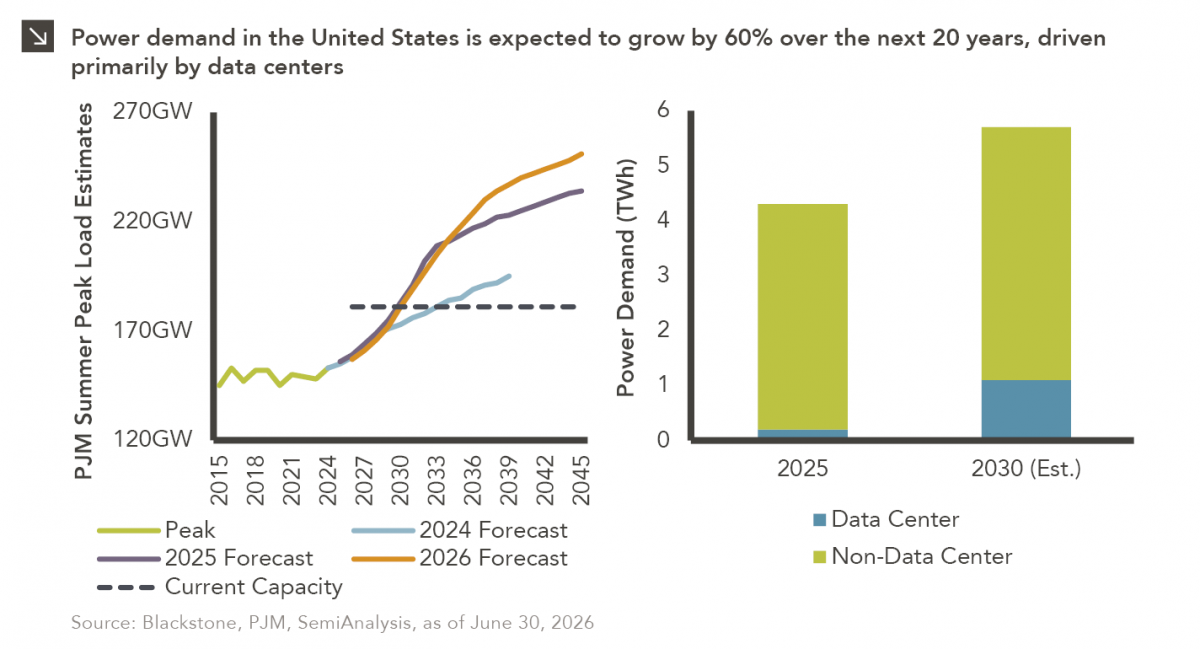
This week’s chart highlights the accelerating growth of electricity demand in the U.S., which has been driven primarily by the…

10.08.2026
LIVE WEBINAR — OCTOBER 22 Please join Marquette’s research team for our 3Q 2026 Market Insights Webinar…
10.05.2026
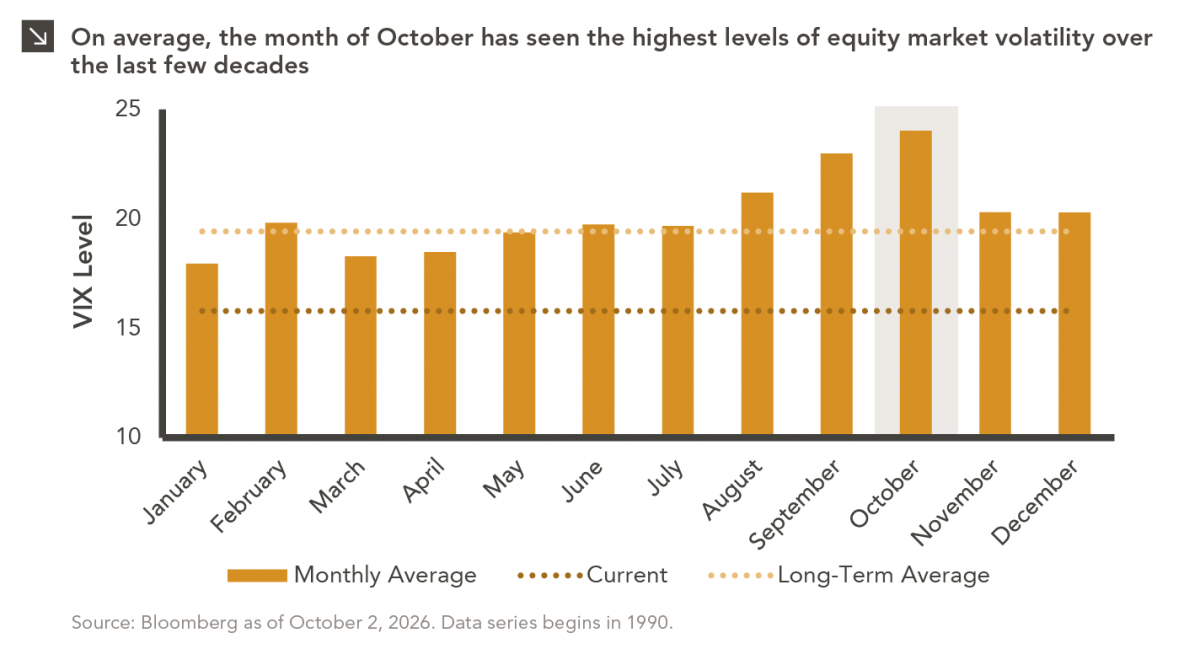
For investors, the spookiest thing about October might not be the ghosts and monsters that are bound to show up…
09.28.2026
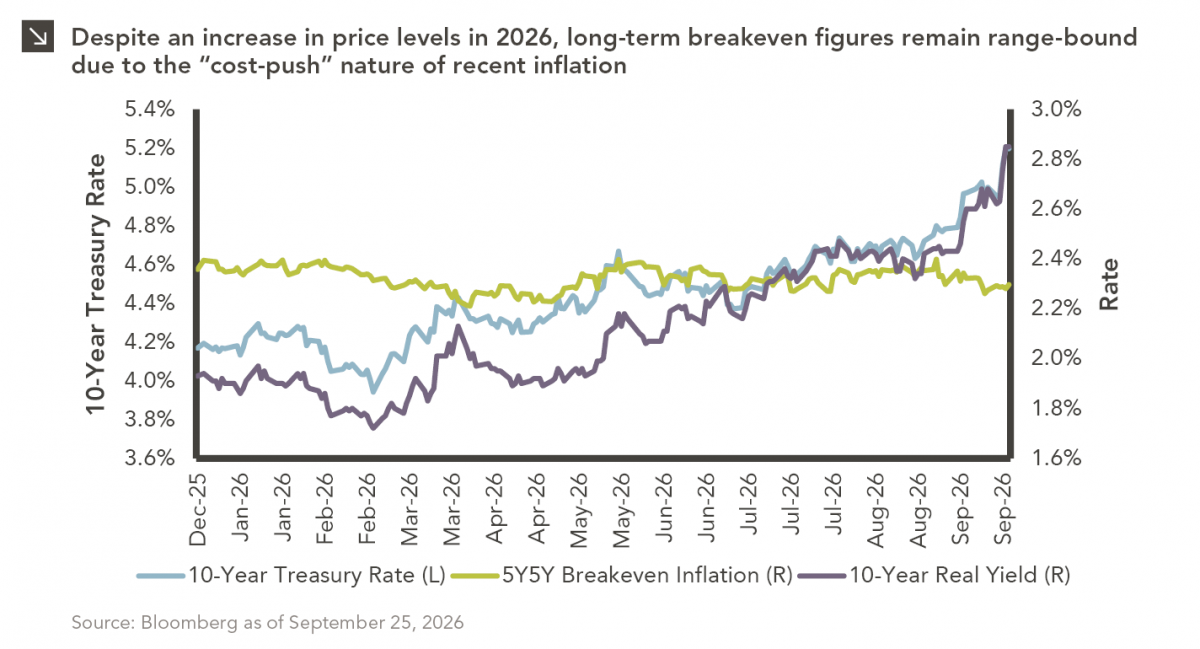
The phrase “expectations of higher inflation” has become a staple in financial news to explain the increase in nominal U.S….
09.21.2026
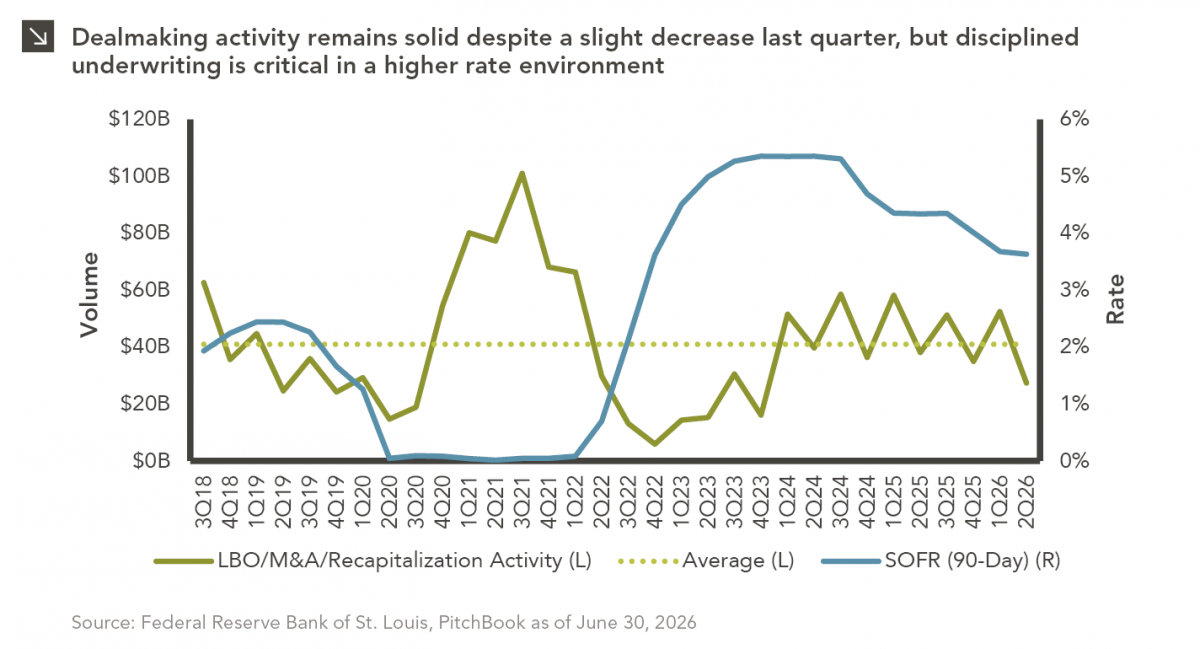
For much of the past several years, the conventional view has been that higher interest rates and stretched valuations would…
09.14.2026
There are many great things about working at Marquette Associates, but “Free Lunch Tuesday” is right at the top of…
Research alerts keep you updated on our latest research publications. Simply enter your contact information, choose the research alerts you would like to receive and click Subscribe. Alerts will be sent as research is published.
We respect your privacy. We will never share or sell your information.
If you have questions or need further information, please contact us directly and we will respond to your inquiry within 24 hours.
Contact Us >