Nic Solecki, CBDA
Research Analyst


With inflation a top concern for investors, digital assets and cryptocurrencies have reemerged in several narratives as a potential inflation hedge. Crypto proponents have long purported bitcoin as deflationary, citing the crypto’s finite supply and diminishing mining rewards. This week’s chart looks at daily market values of the S&P 500, CPI, bitcoin, and the Cryptocurrencies Index 30 (CCi30), supplemented with correlations. The CCi30 is an index of the top 30 free-floating digital assets by market capitalization, designed to objectively measure the performance of blockchain-based assets, excluding pegged assets known as stablecoins.
Typically, an inflation hedge should correlate and increase in value as inflation increases. The data suggest digital asset performance relative to inflation is intermittent with negligible correlations ranging between -0.02 and 0.03 over the trailing 1-, 3-, 5- and 10-year periods. Although there have been several periods – April 2020 and May 2021 – where digital assets moved in step with inflation, there are just as many divergent periods – May 2017 or January 2022. With U.S. adoption of crypto prior to 2020 largely driven by retail investors and opportunistic hedge funds, it is possible that the observed crypto-inflation correlations were the result of short-term momentum and investor sentiment. Looking ahead, advances in institutional adoption could change the crypto-inflation dynamic, with implications for market behavior, volatility, and portfolio application. At this point, however, there is little evidence that cryptocurrencies offer a hedge against inflation, but given the limited data available, this is worth monitoring over the coming years.
Print PDF > Digital Assets as an Inflation Hedge

The opinions expressed herein are those of Marquette Associates, Inc. (“Marquette”), and are subject to change without notice. This material is not financial advice or an offer to purchase or sell any product. Marquette reserves the right to modify its current investment strategies and techniques based on changing market dynamics or client needs.
10.12.2026
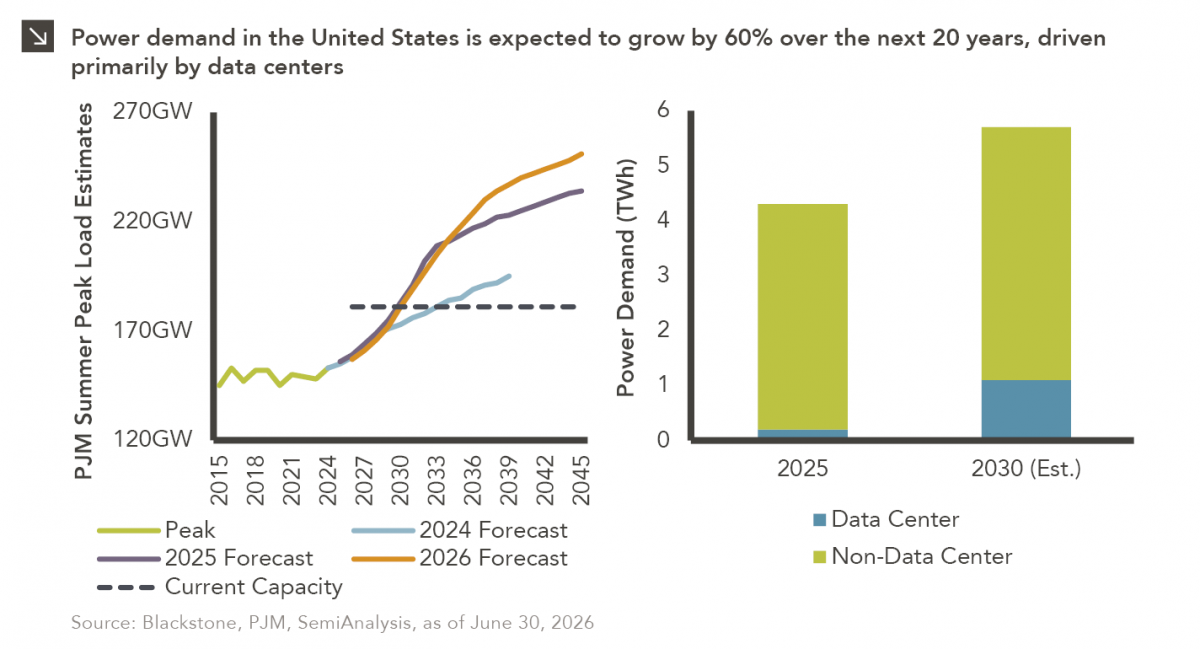
This week’s chart highlights the accelerating growth of electricity demand in the U.S., which has been driven primarily by the…
10.08.2026
LIVE WEBINAR — OCTOBER 22 Please join Marquette’s research team for our 3Q 2026 Market Insights Webinar…
10.05.2026
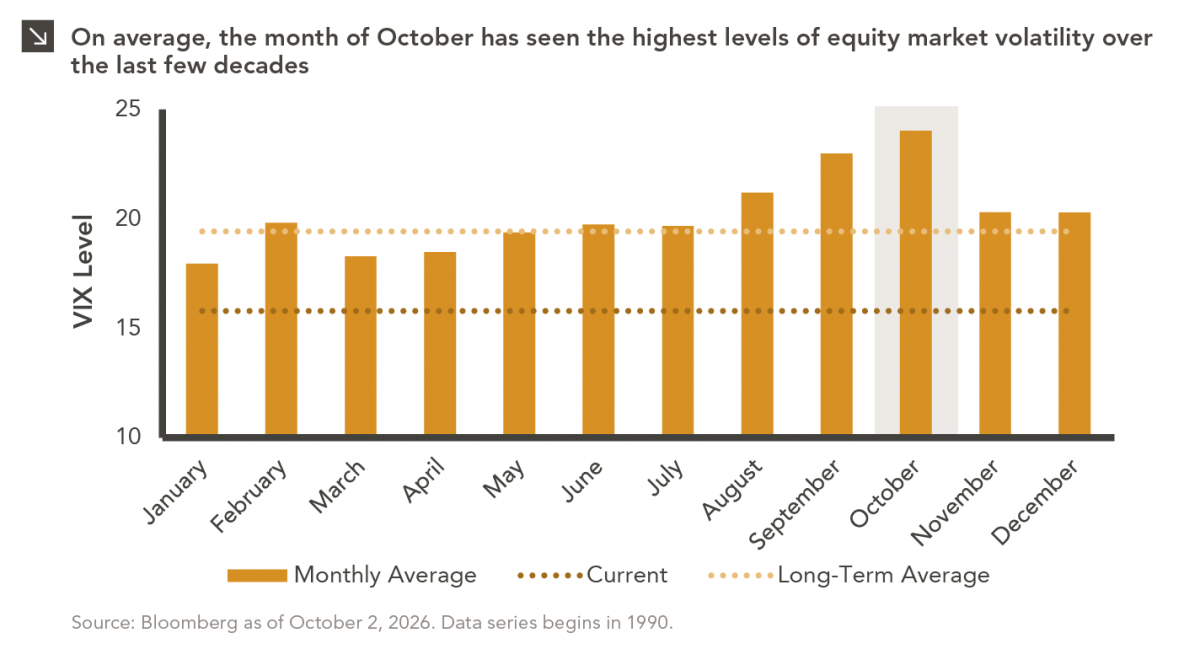
For investors, the spookiest thing about October might not be the ghosts and monsters that are bound to show up…
09.28.2026
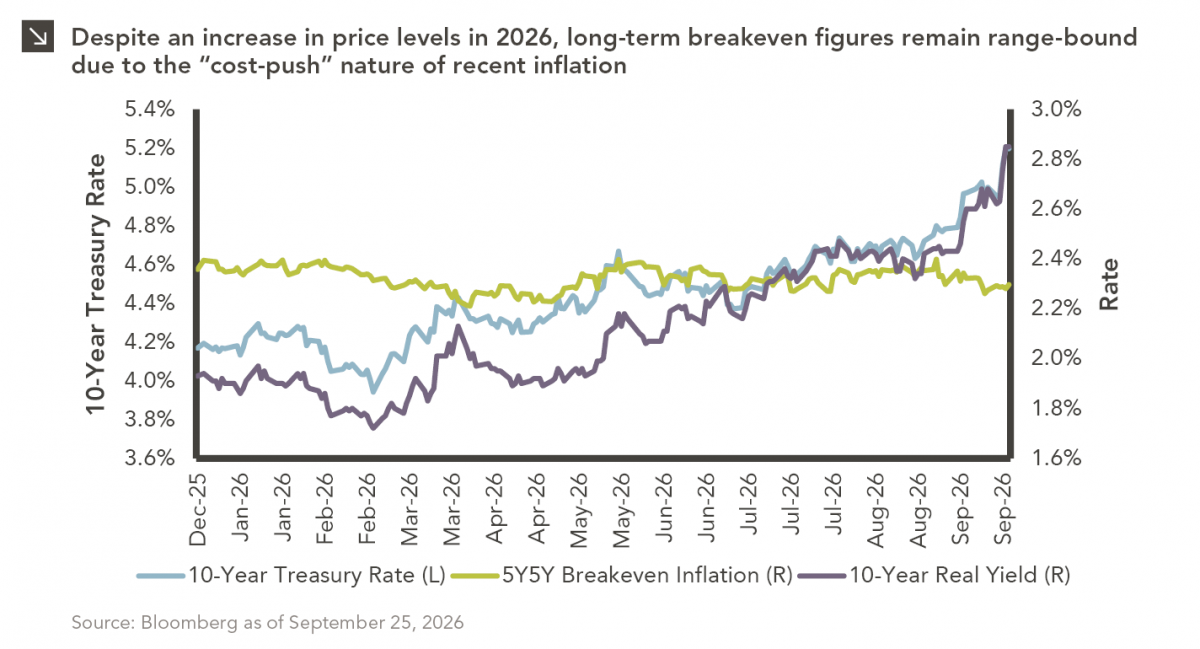
The phrase “expectations of higher inflation” has become a staple in financial news to explain the increase in nominal U.S….
09.21.2026
For much of the past several years, the conventional view has been that higher interest rates and stretched valuations would…
09.14.2026
There are many great things about working at Marquette Associates, but “Free Lunch Tuesday” is right at the top of…
Research alerts keep you updated on our latest research publications. Simply enter your contact information, choose the research alerts you would like to receive and click Subscribe. Alerts will be sent as research is published.
We respect your privacy. We will never share or sell your information.
If you have questions or need further information, please contact us directly and we will respond to your inquiry within 24 hours.
Contact Us >