10.08.2026
3Q 2026 Market Insights
This video is a recording of a live webinar held October 22 by Marquette’s research team analyzing the third quarter…


As some readers may recall, members of the Marquette Research Team presented a flash talk on deglobalization at our 2023 Investment Symposium given the proliferation of trends including onshoring and reshoring over the last several years. Another trend that supports the idea of reduced global integration is the drop in foreign direct investment (“FDI”) that has occurred in recent time. Indeed, according to The Economist and IMF, when compared to the six years leading up to the pandemic, average FDI flows dropped by nearly 20% from 2020 through 2022. A variety of factors have contributed to these dynamics, including supply chain disruptions caused by the COVID-19 outbreak, the Russian invasion of Ukraine, and trade tensions between major economic powers.
It may be of particular interest to readers to examine the extent to which capital flows between certain countries have shifted since the start of the pandemic. Perhaps unsurprisingly, the IMF notes that these shifts have been asymmetrical across geographic regions, with Asian countries bearing the brunt of the overall decline in FDI. For instance, both the U.S. and countries in Europe have materially decreased levels of FDI to China since the start of 2020. These dynamics are outlined in this week’s chart.
The Economist notes that geopolitical alignment has served as a major driver of the recent diverting of capital flows and is also a key factor in cross-border bank lending and portfolio flows. To that point, the upcoming presidential contest in the U.S., as well as other high-profile elections across the globe, may be crucial in determining the flow of capital over the coming years, as well as the extent to which deglobalization trends persist. Marquette will continue to closely monitor the impact of geopolitics on the global economic landscape and provide counsel to clients accordingly.
Print PDFThe opinions expressed herein are those of Marquette Associates, Inc. (“Marquette”), and are subject to change without notice. This material is not financial advice or an offer to purchase or sell any product. Marquette reserves the right to modify its current investment strategies and techniques based on changing market dynamics or client needs.

10.08.2026
This video is a recording of a live webinar held October 22 by Marquette’s research team analyzing the third quarter…

10.22.2026
Anyone who has run a marathon knows the last six miles are brutal — no matter how well the first…
10.19.2026
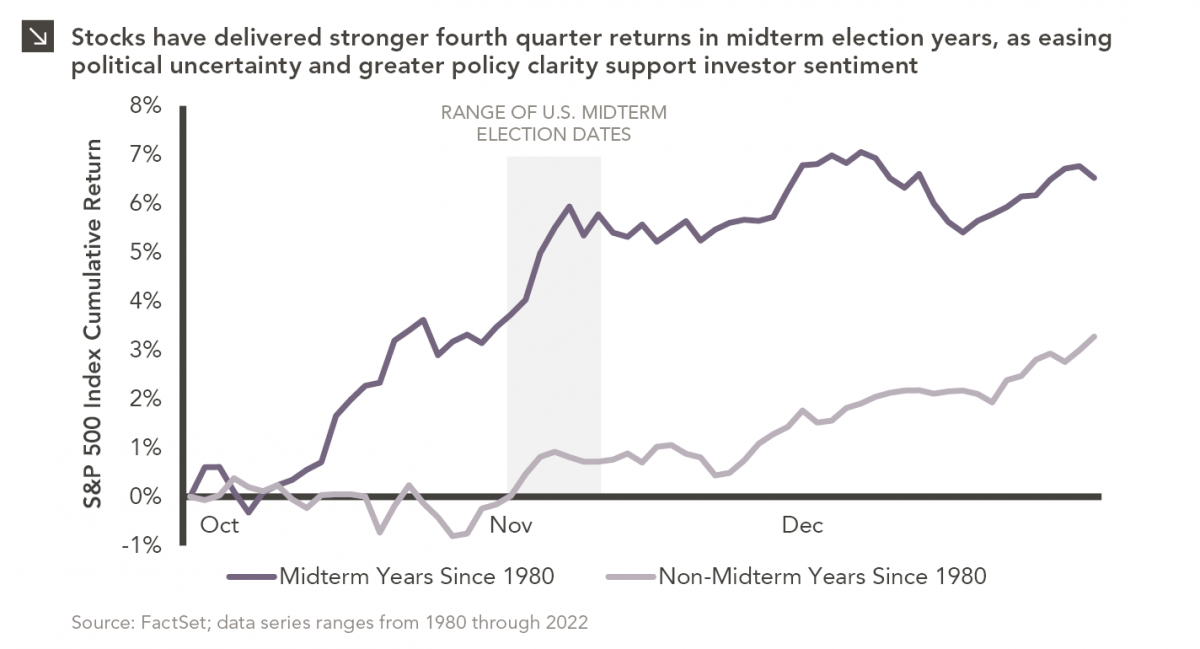
Since 1980, the S&P 500 Index has generally performed well in the weeks surrounding U.S. midterm elections. Specifically, the index…
10.12.2026
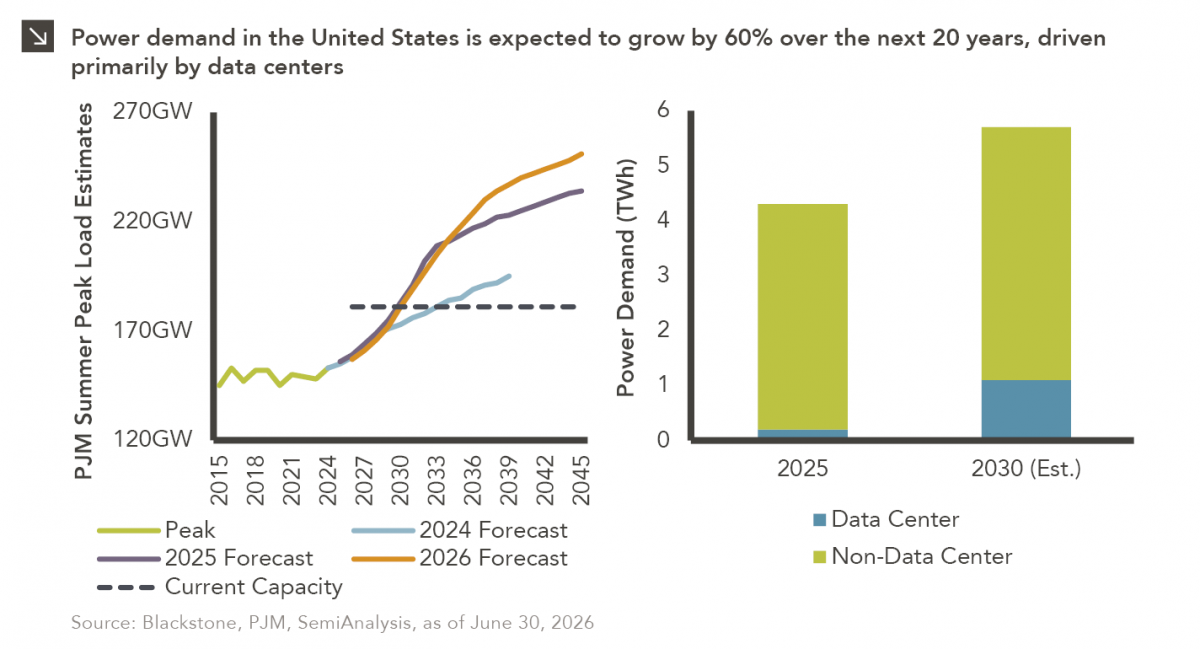
This week’s chart highlights the accelerating growth of electricity demand in the U.S., which has been driven primarily by the…
10.05.2026
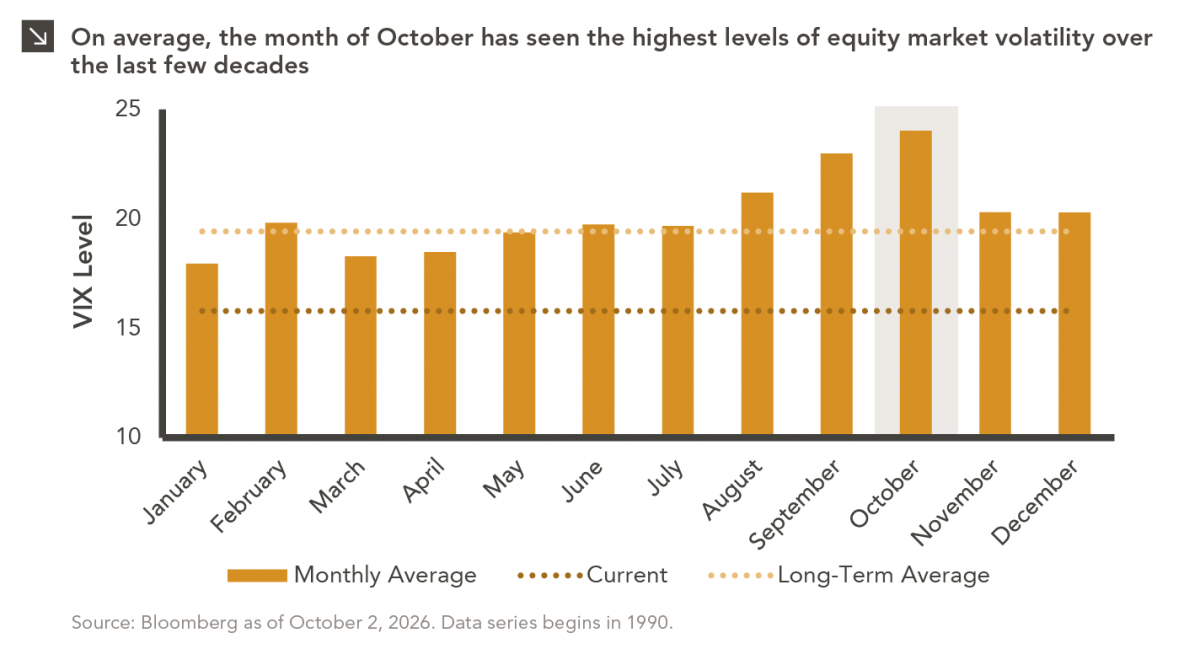
For investors, the spookiest thing about October might not be the ghosts and monsters that are bound to show up…
09.28.2026
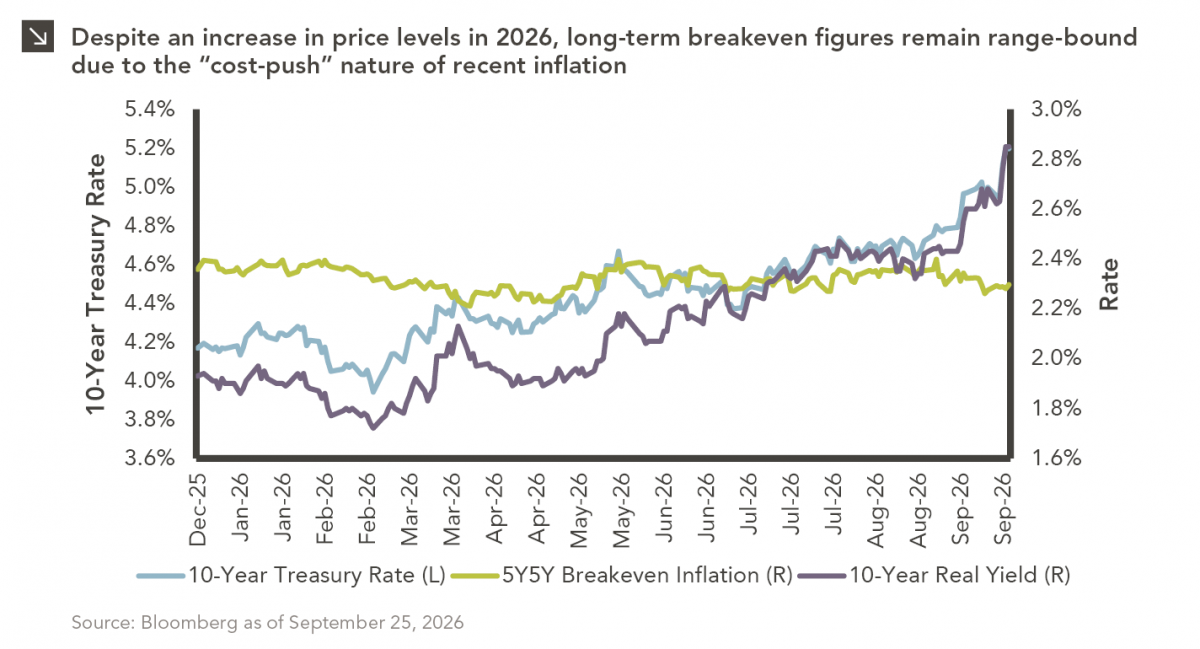
The phrase “expectations of higher inflation” has become a staple in financial news to explain the increase in nominal U.S….
Research alerts keep you updated on our latest research publications. Simply enter your contact information, choose the research alerts you would like to receive and click Subscribe. Alerts will be sent as research is published.
We respect your privacy. We will never share or sell your information.
If you have questions or need further information, please contact us directly and we will respond to your inquiry within 24 hours.
Contact Us >