10.19.2026
Divided We Rise?
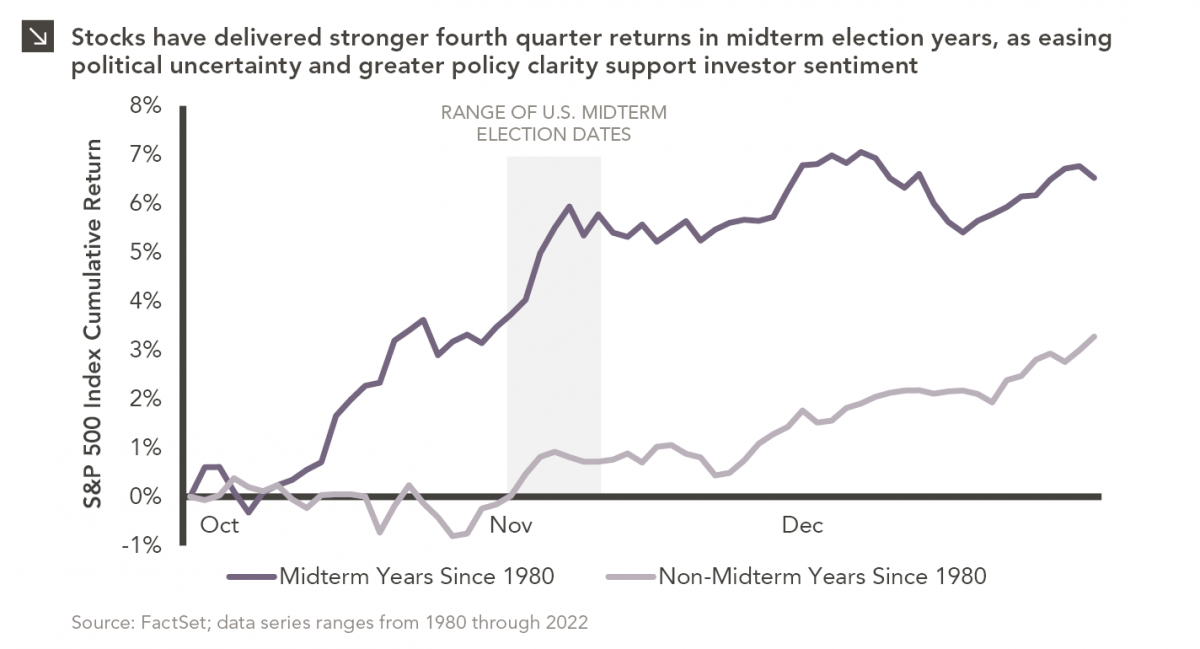
Since 1980, the S&P 500 Index has generally performed well in the weeks surrounding U.S. midterm elections. Specifically, the index…


Liquid alternative1 assets, as defined by Morningstar, have continued to grow since 2009 and by the end of 2014, reached nearly $158 billion, up 11% from the previous year. The top 2014 fund flows within Morningstar’s liquid alternative category were concentrated across multi-alternatives (+$9.8B), long/short equity (+$6.5B), and managed futures strategies (+$2.3B). Additionally, multi-alternative flows have already totaled $1 billion in the first month of 2015, continuing to lead all other categories.
Before jumping on the bandwagon, it is important to take a step back and analyze how some of the liquid alternative strategies have performed compared to their private counterparts. Although not an exact apples-to-apples comparison, this week’s chart of the week compares the growth of $1 since January 2000 of the HFR equity hedge index (private) vs. the Morningstar long/short category (liquid). Interestingly, while the liquid long/short equity strategies outperformed private HFR equity hedge from early 2001 through mid-2003, private funds have beaten their liquid counterparts by a significant margin over the long run. Although liquid alternatives offer an attractive liquidity profile, they come with all the restrictions of a 40 Act mutual fund which limit illiquid holdings and leverage. When it comes to investing in alternative strategies, this is one reason we believe that private vehicles are most appropriate for institutional investors.
1Liquid alternatives encompass non-traditional investment strategies or asset classes (beyond equities and bonds) such as REITs, MLPs, commodities, currencies, distressed debt, or hedge fund strategies in a mutual fund format.
The opinions expressed herein are those of Marquette Associates, Inc. (“Marquette”), and are subject to change without notice. This material is not financial advice or an offer to purchase or sell any product. Marquette reserves the right to modify its current investment strategies and techniques based on changing market dynamics or client needs.
10.19.2026
Since 1980, the S&P 500 Index has generally performed well in the weeks surrounding U.S. midterm elections. Specifically, the index…
10.12.2026
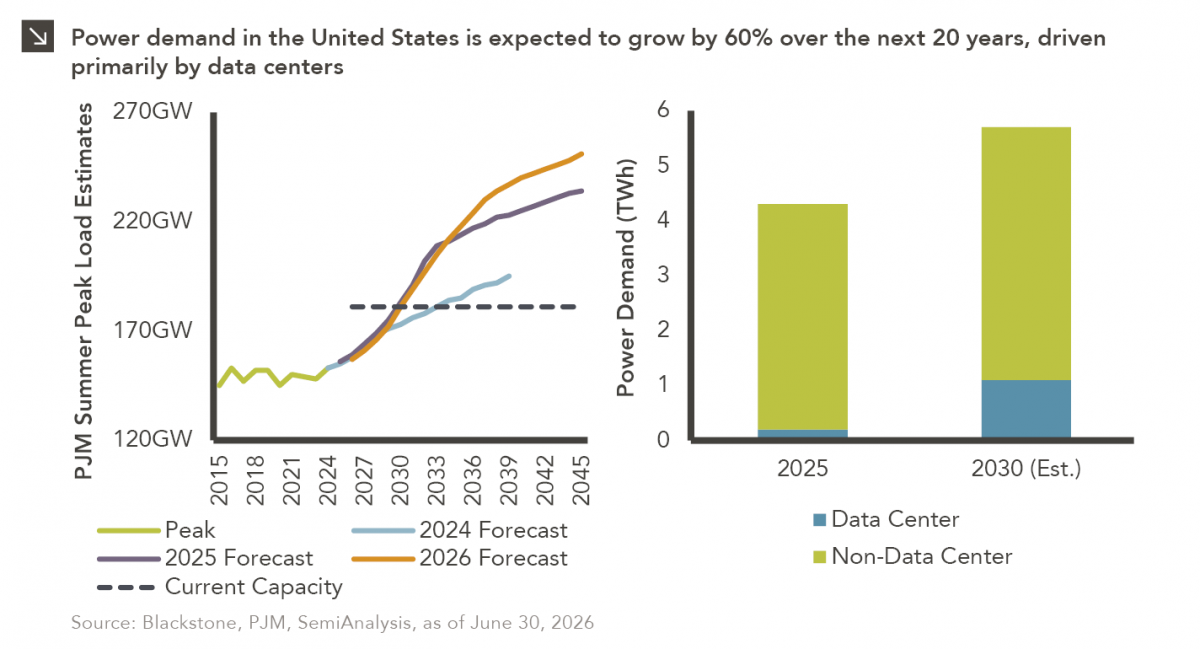
This week’s chart highlights the accelerating growth of electricity demand in the U.S., which has been driven primarily by the…

10.08.2026
LIVE WEBINAR — OCTOBER 22 Please join Marquette’s research team for our 3Q 2026 Market Insights Webinar…
10.05.2026
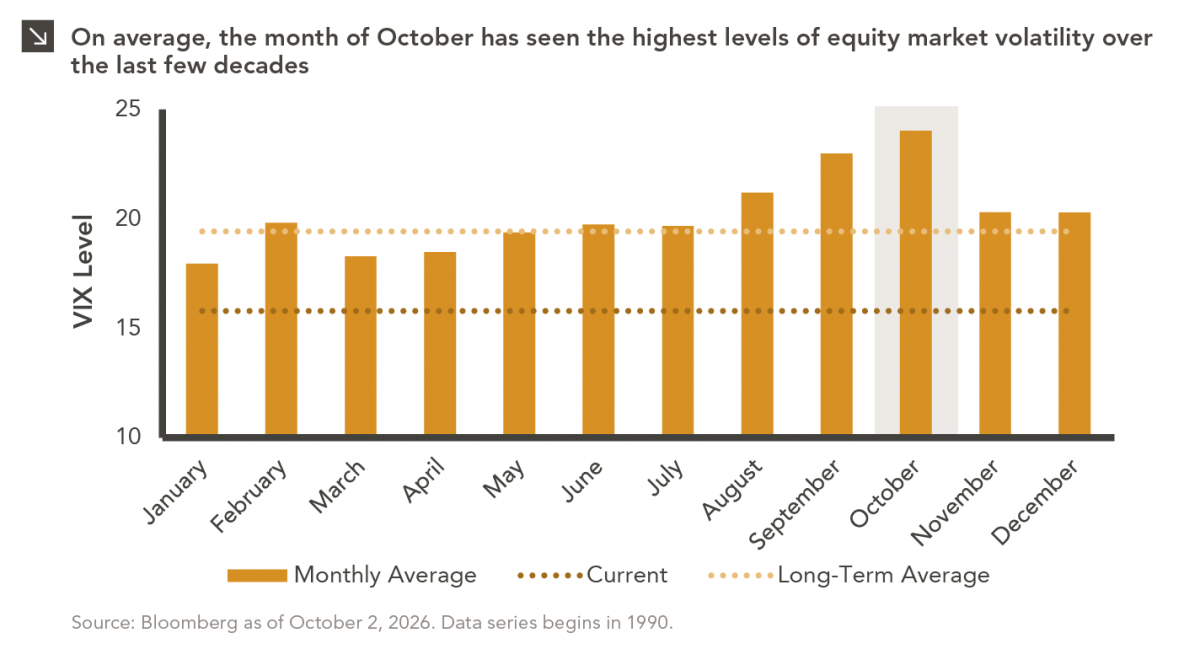
For investors, the spookiest thing about October might not be the ghosts and monsters that are bound to show up…
09.28.2026
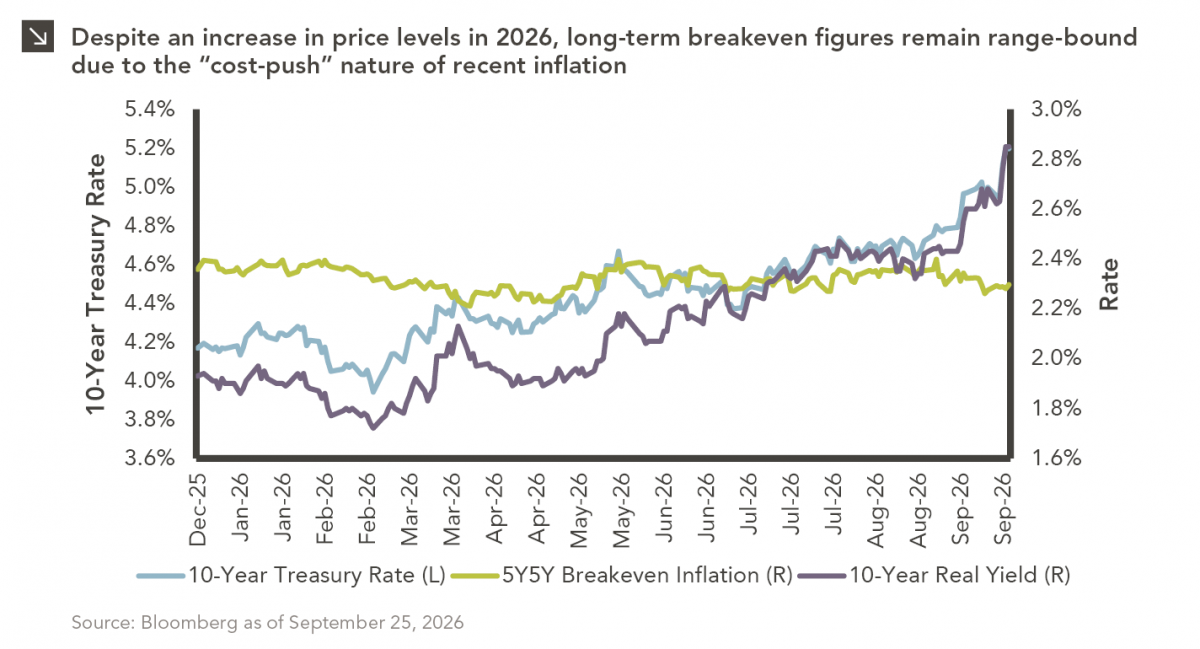
The phrase “expectations of higher inflation” has become a staple in financial news to explain the increase in nominal U.S….
09.21.2026
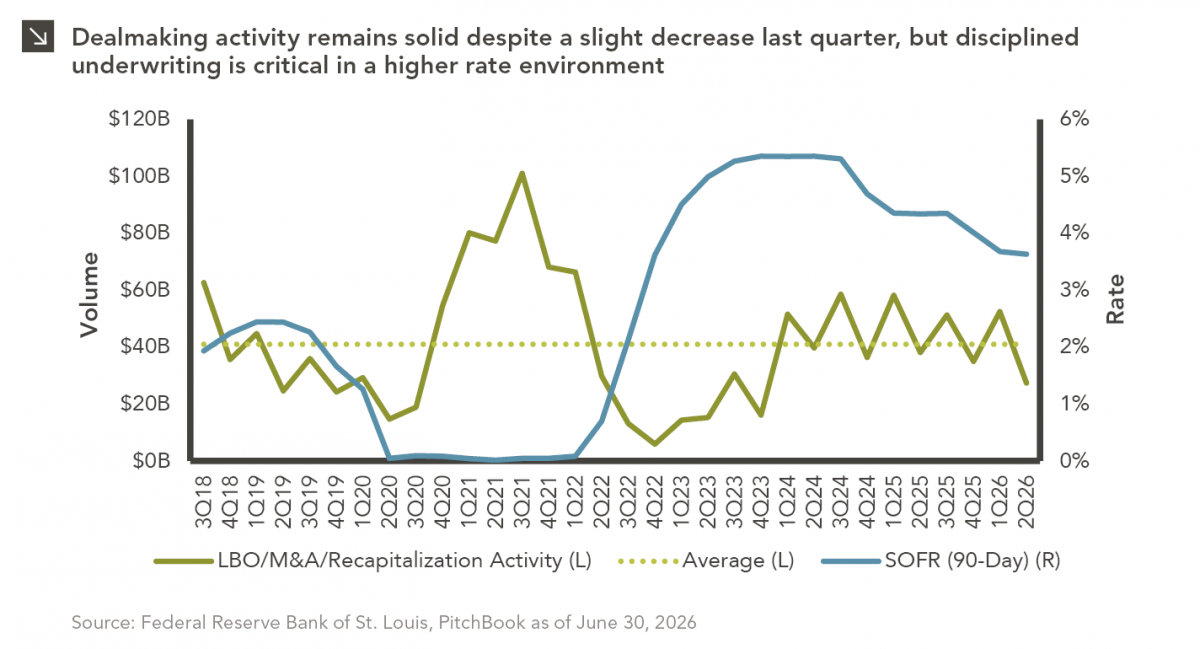
For much of the past several years, the conventional view has been that higher interest rates and stretched valuations would…
Research alerts keep you updated on our latest research publications. Simply enter your contact information, choose the research alerts you would like to receive and click Subscribe. Alerts will be sent as research is published.
We respect your privacy. We will never share or sell your information.
If you have questions or need further information, please contact us directly and we will respond to your inquiry within 24 hours.
Contact Us >