10.08.2026
3Q 2026 Market Insights
This video is a recording of a live webinar held October 22 by Marquette’s research team analyzing the third quarter…


In 2023, investors were stunned by the robust performance of seven prominent mega-cap stocks deemed the “Magnificent Seven.” Largely beneficiaries of the AI craze, these seven companies comprised almost 28% of the S&P 500 at the end of 2023. This narrow breadth and concentration within the market posed challenges for active large-cap managers who struggled to keep pace with benchmarks without matching the weight of this group in their portfolios. While market breadth has started to improve among large caps, a similar trend is now emerging in the small-cap universe with just two stocks, Super Micro Computers and MicroStrategy — now the two largest companies and weights in the Russell 2000, spearheading the majority of the index’s returns this year.
Since the onset of 2023, Super Micro and MicroStrategy have posted remarkable returns of 1,093% and 936%, respectively, driving up their weights in the Russell 2000 to 1.94% and 0.85%. For perspective, prior to this year, the index’s most substantial single weight since 1985 was 1.45%, at the peak of the dot-com bubble. Like the Magnificent Seven, these two firms have profited from the proliferation of AI. MicroStrategy has also capitalized on the recent cryptocurrency surge over the past six months.
While the performance of these stocks captivates attention, they have become a pain point for active small-cap managers trying to outperform the Russell 2000. Leaving aside fundamental underwriting, many small-cap managers are constrained by prudent limits on market capitalization for the companies they can invest in, and these two outsized outperformers fall far beyond those. As of March 18, Super Micro had a market cap of $55.5 billion and MicroStrategy stood at $25.3 billion, both in large-cap territory. While the Russell 2000 maintains a $6 billion market capitalization threshold for small-cap stocks, the index is only reconstituted once annually, and both companies fell within the limit in April 2023 when FTSE Russell last evaluated index characteristics. Despite their stellar performance, many managers will be unable to allocate to these companies due to their size. Though managers with prior allocations may be able to hold their positions, it could prompt scrutiny regarding the discipline of their investment approach. This predicament mimics the struggles seen in the large-cap space last year, where a select few companies drove much of the market’s performance and active manager relative weights dictated attribution. With the next Russell reconstitution not slated until June 28 of this year, active small-cap managers may have to get creative in order to navigate these challenges.
Print PDFThe opinions expressed herein are those of Marquette Associates, Inc. (“Marquette”), and are subject to change without notice. This material is not financial advice or an offer to purchase or sell any product. Marquette reserves the right to modify its current investment strategies and techniques based on changing market dynamics or client needs.

10.08.2026
This video is a recording of a live webinar held October 22 by Marquette’s research team analyzing the third quarter…

10.22.2026
Anyone who has run a marathon knows the last six miles are brutal — no matter how well the first…
10.19.2026
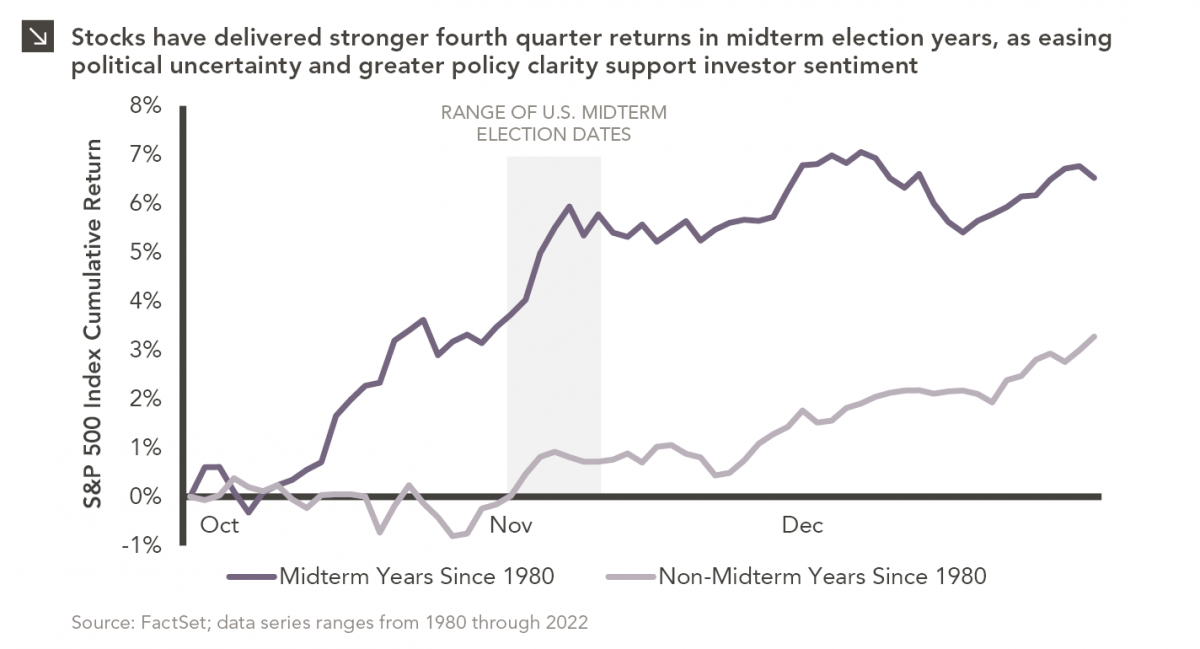
Since 1980, the S&P 500 Index has generally performed well in the weeks surrounding U.S. midterm elections. Specifically, the index…
10.12.2026
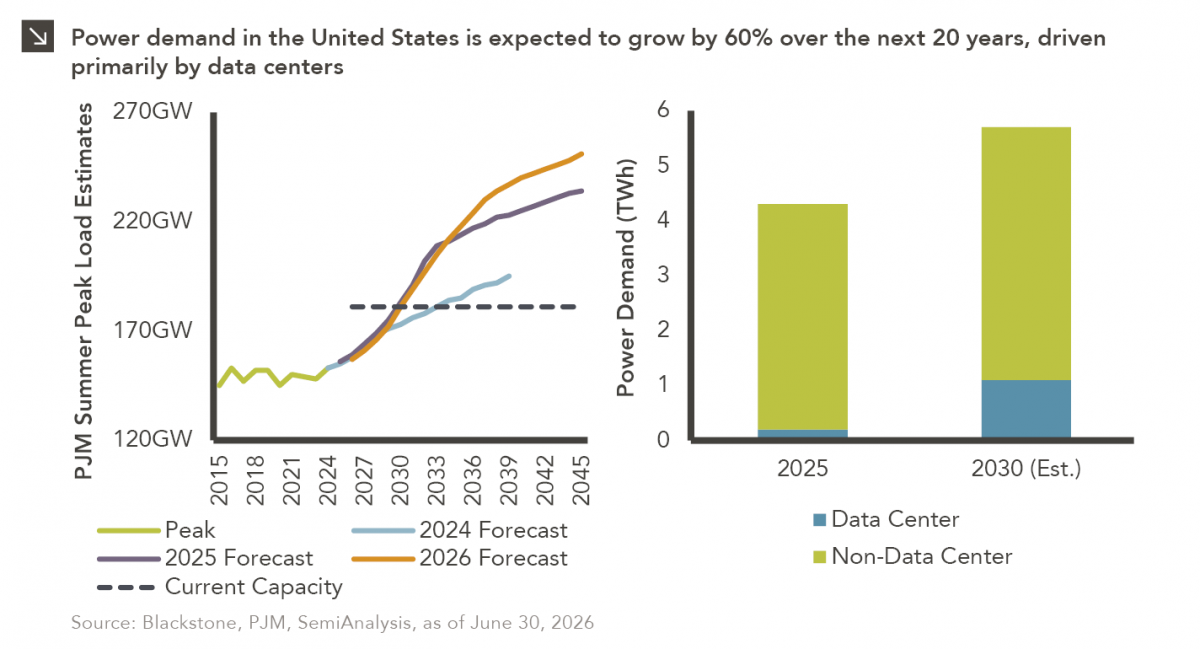
This week’s chart highlights the accelerating growth of electricity demand in the U.S., which has been driven primarily by the…
10.05.2026
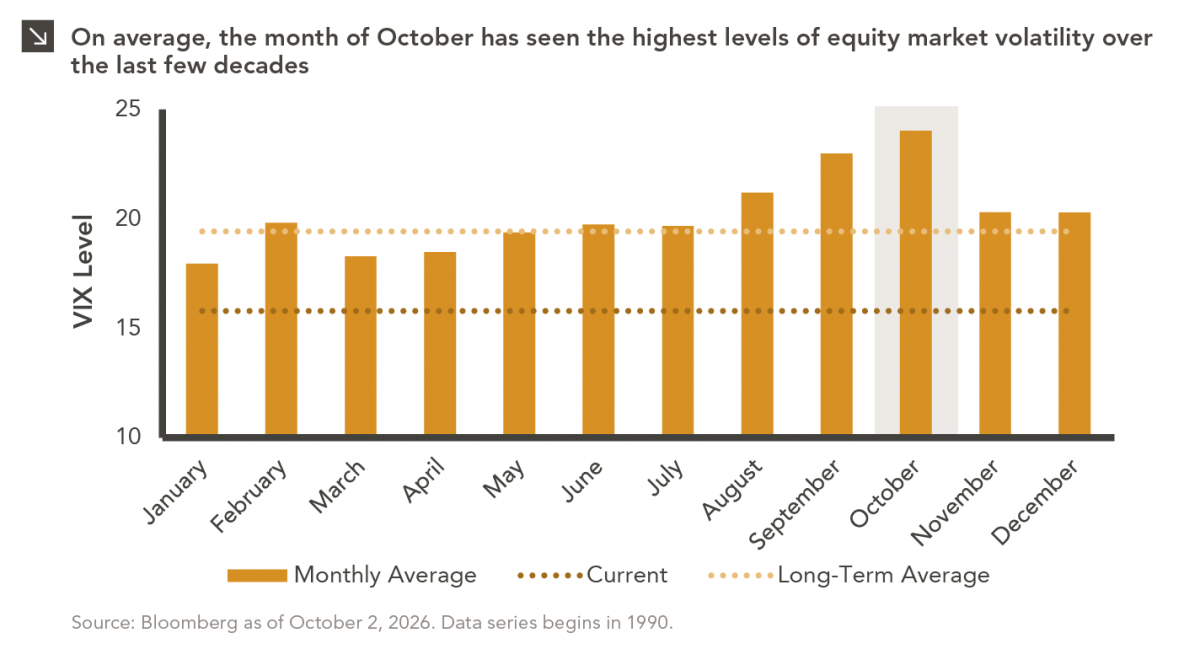
For investors, the spookiest thing about October might not be the ghosts and monsters that are bound to show up…
09.28.2026
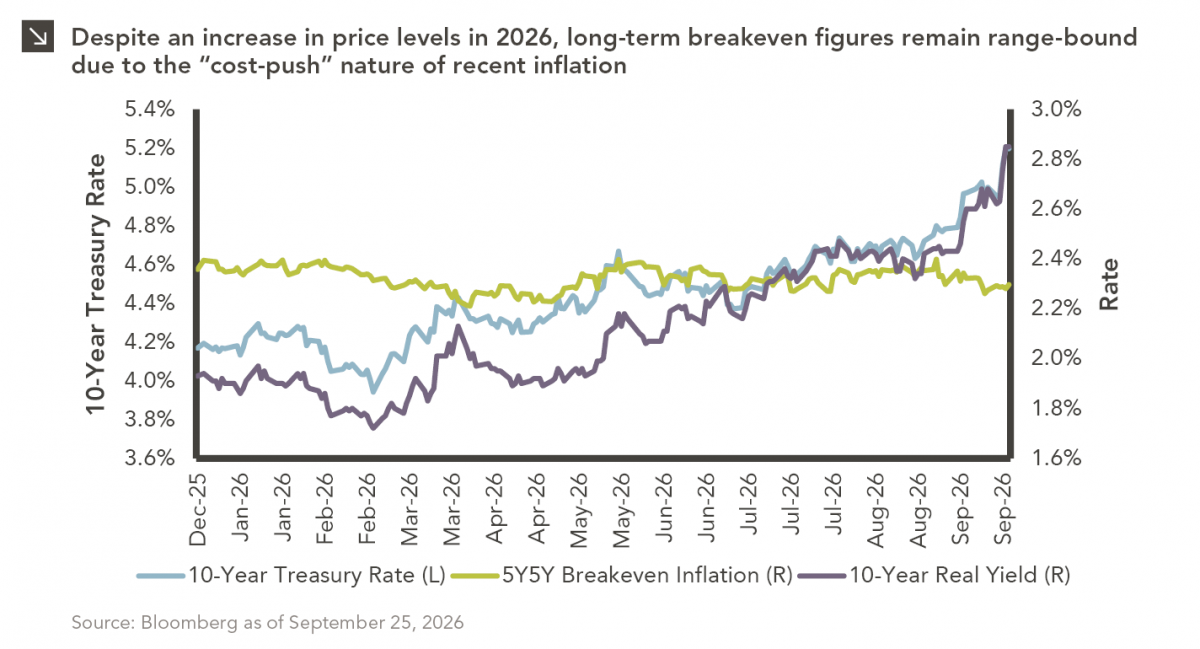
The phrase “expectations of higher inflation” has become a staple in financial news to explain the increase in nominal U.S….
Research alerts keep you updated on our latest research publications. Simply enter your contact information, choose the research alerts you would like to receive and click Subscribe. Alerts will be sent as research is published.
We respect your privacy. We will never share or sell your information.
If you have questions or need further information, please contact us directly and we will respond to your inquiry within 24 hours.
Contact Us >