Jessica Noviskis, CFA
Portfolio Strategist, OCIO Services


The U.S. debt ceiling was initially established in 1917 as a limit on how much the federal government was allowed to borrow. At the time, the ceiling was enacted to simplify the borrowing process, but more recently, it has become a political tool that can threaten the stability of our economy and financial markets. Modifying the debt ceiling began as a routine act of Congress — there have been more than 100 changes to the debt limit since the end of World War II, with “clean” increases enacted under both Democratic and Republican leadership. Since 1980, however, increases to the debt ceiling have been increasingly intertwined with partisan spending and deficit reduction initiatives, with the eleventh-hour agreement in 2011 the most extreme example to date of how far parties are willing to go.
This newsletter places the 2023 debt ceiling crisis into historical context, analyzing what outcomes are likely from here and potential impacts on the government, markets, businesses, and consumers.
Read > Is the Sky Falling? An Early Analysis of the 2023 Debt Ceiling Crisis

The opinions expressed herein are those of Marquette Associates, Inc. (“Marquette”), and are subject to change without notice. This material is not financial advice or an offer to purchase or sell any product. Marquette reserves the right to modify its current investment strategies and techniques based on changing market dynamics or client needs.

10.08.2026
LIVE WEBINAR — OCTOBER 22 Please join Marquette’s research team for our 3Q 2026 Market Insights Webinar…
10.05.2026
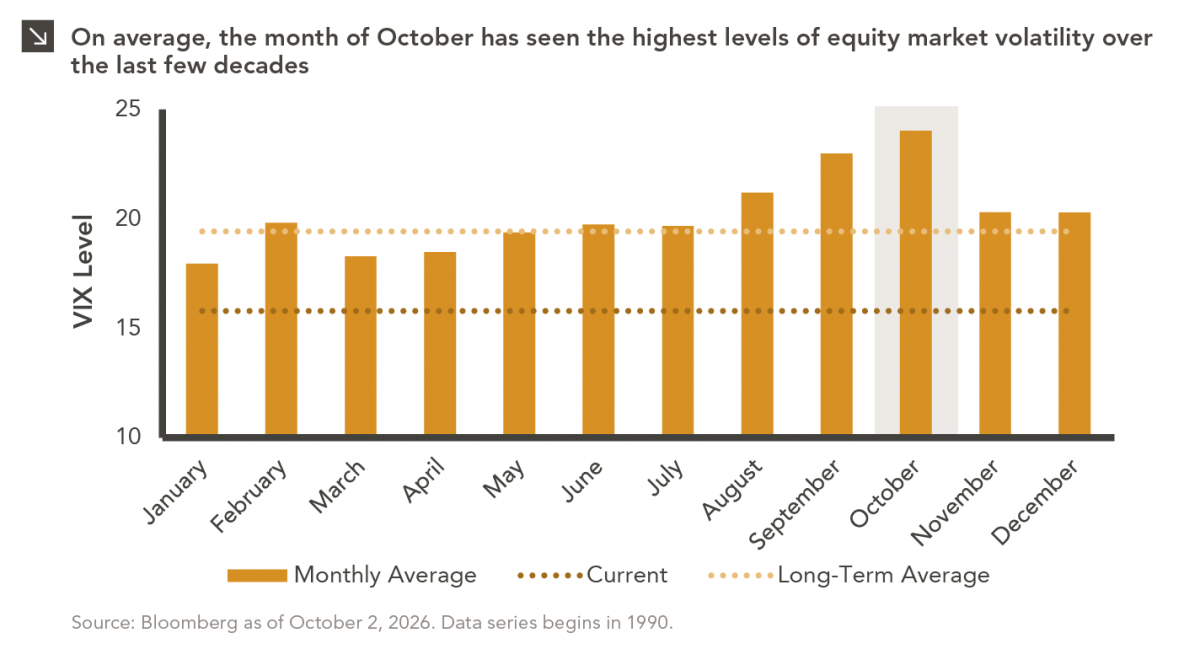
For investors, the spookiest thing about October might not be the ghosts and monsters that are bound to show up…
09.28.2026
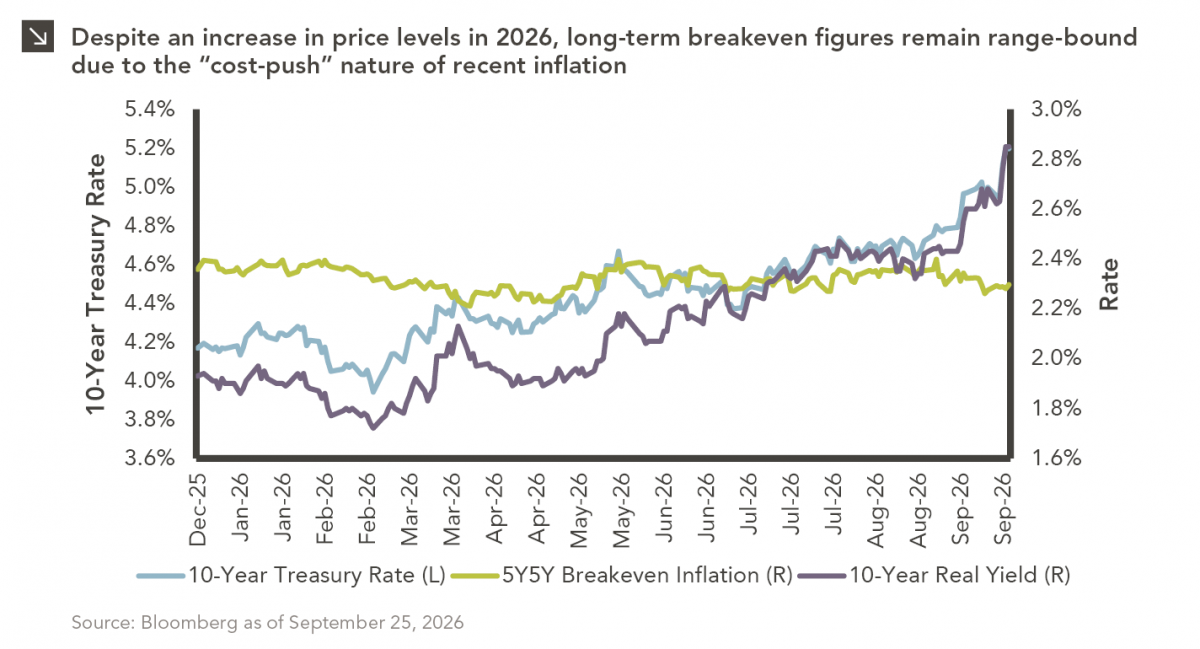
The phrase “expectations of higher inflation” has become a staple in financial news to explain the increase in nominal U.S….
09.15.2026
Over the past decade, continuation vehicles (“CV”) have become one of the fastest-growing trends in private equity. Private equity funds…
09.14.2026
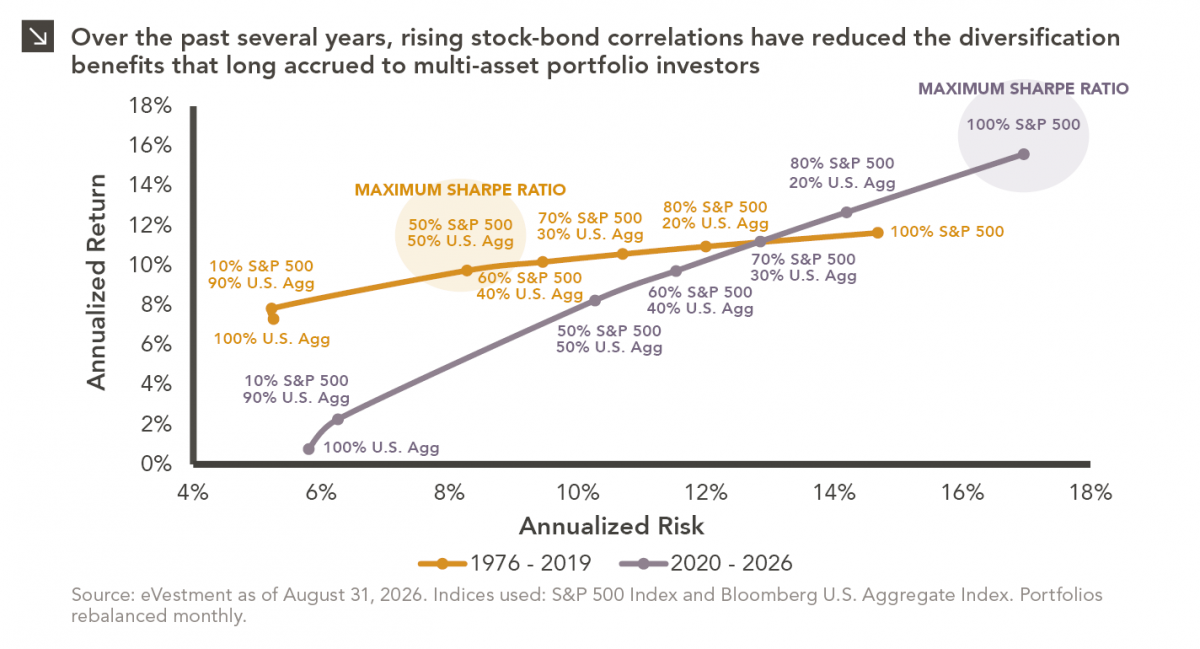
There are many great things about working at Marquette Associates, but “Free Lunch Tuesday” is right at the top of…
08.10.2026
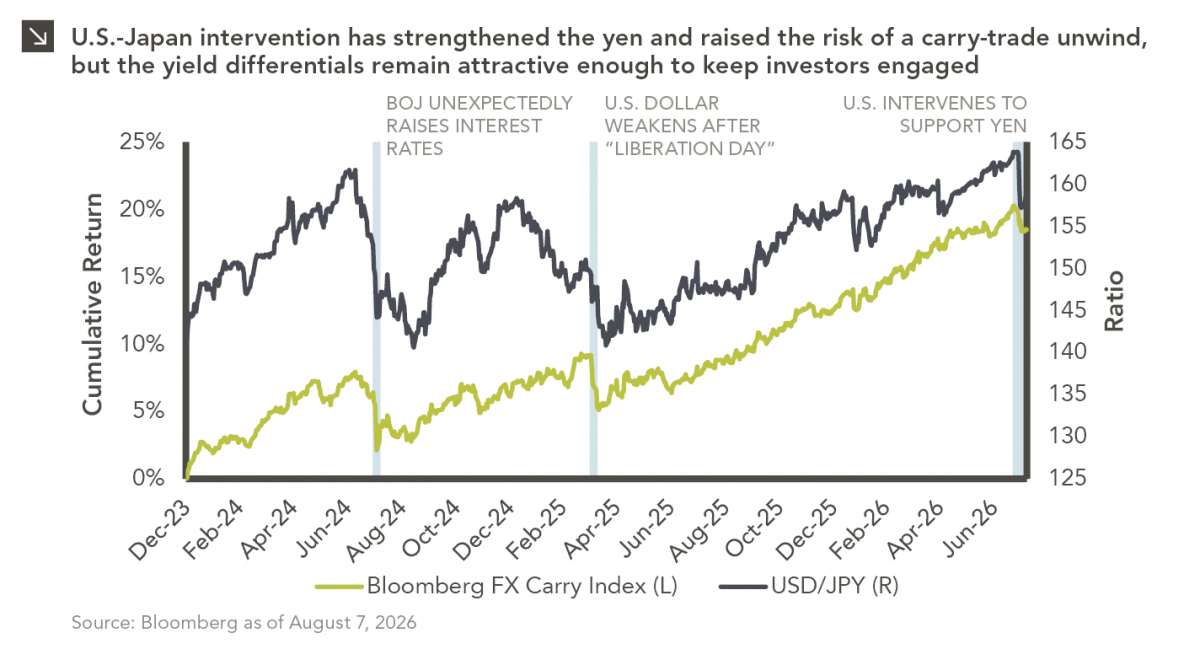
After reaching nearly ¥164 per dollar, its weakest level in roughly four decades, the yen had become a source of…
Research alerts keep you updated on our latest research publications. Simply enter your contact information, choose the research alerts you would like to receive and click Subscribe. Alerts will be sent as research is published.
We respect your privacy. We will never share or sell your information.
If you have questions or need further information, please contact us directly and we will respond to your inquiry within 24 hours.
Contact Us >