Jessica Noviskis, CFA
Portfolio Strategist, OCIO Services


Of the many reasons the 2020 election may make history, expected record voter turnout is perhaps the best. By October 22nd, early votes via mail-in ballots and early in-person voting had already surpassed all early voting done in the 2016 general election. Based on last night’s latest estimates, almost 100 million have already voted nationwide, more than 70% of 2016’s high water mark of almost 139 million. Key battleground states Texas, Florida, North Carolina, Georgia, and Nevada have already collected more than 90% of 2016’s total vote.
For states that compare ballots to a voter’s party registration, 45% of early voters have been Democrat and 31% Republican, with the remainder registered with a minor party or without party affiliation. Polls generally report that Republicans are more likely to vote in person on Election Day, so early takeaways are limited.
As we anxiously await election results tonight and over the following days (hopefully not weeks), we can at least be celebratory about how many citizens have performed their civic duty in this election.
Please follow Marquette Research for additional election updates in the coming days, including our take on impacts across asset classes.
Print PDF > Early Voter Turnout

The opinions expressed herein are those of Marquette Associates, Inc. (“Marquette”), and are subject to change without notice. This material is not financial advice or an offer to purchase or sell any product. Marquette reserves the right to modify its current investment strategies and techniques based on changing market dynamics or client needs.
10.12.2026
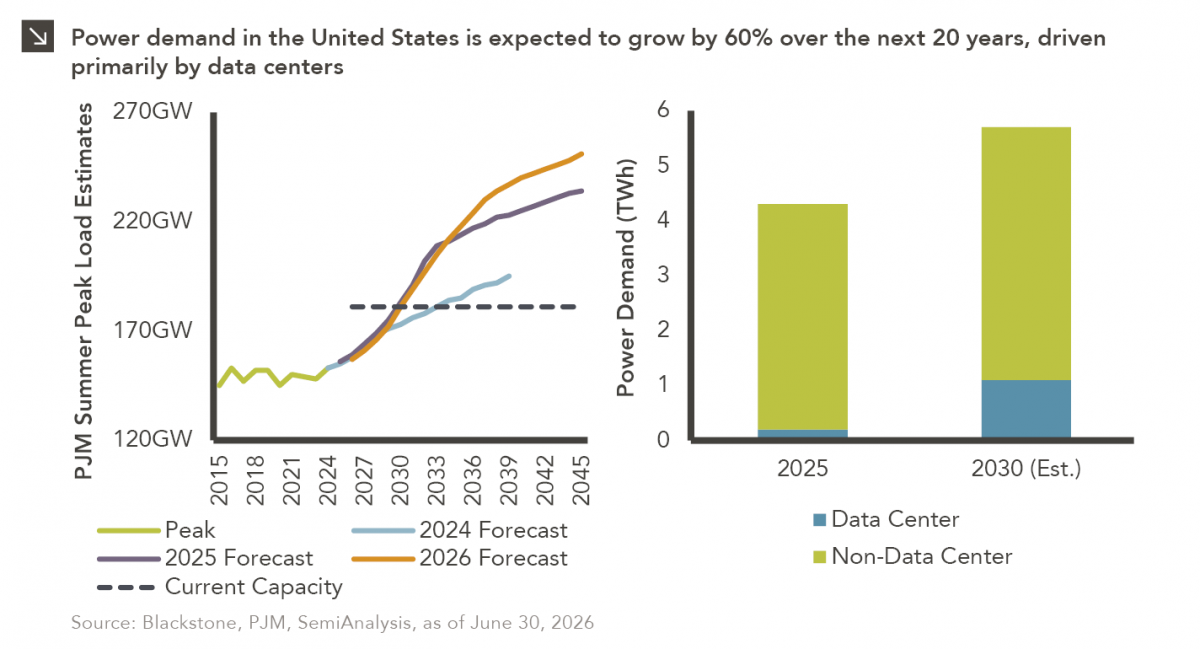
This week’s chart highlights the accelerating growth of electricity demand in the U.S., which has been driven primarily by the…

10.08.2026
LIVE WEBINAR — OCTOBER 22 Please join Marquette’s research team for our 3Q 2026 Market Insights Webinar…
10.05.2026
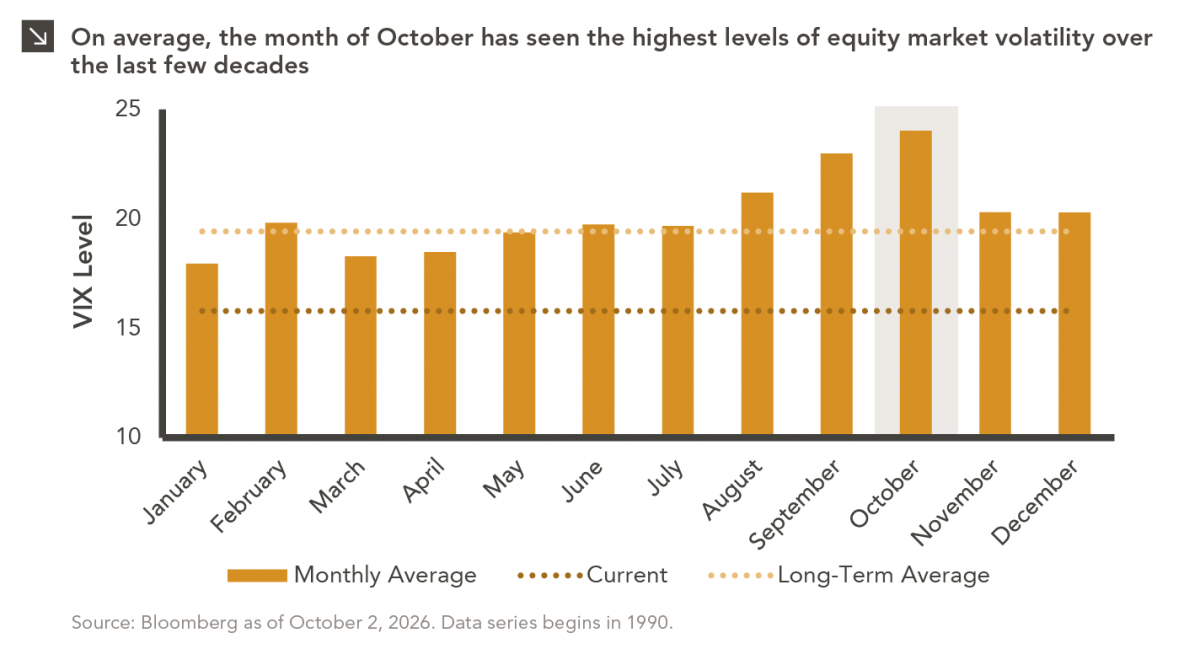
For investors, the spookiest thing about October might not be the ghosts and monsters that are bound to show up…
09.28.2026
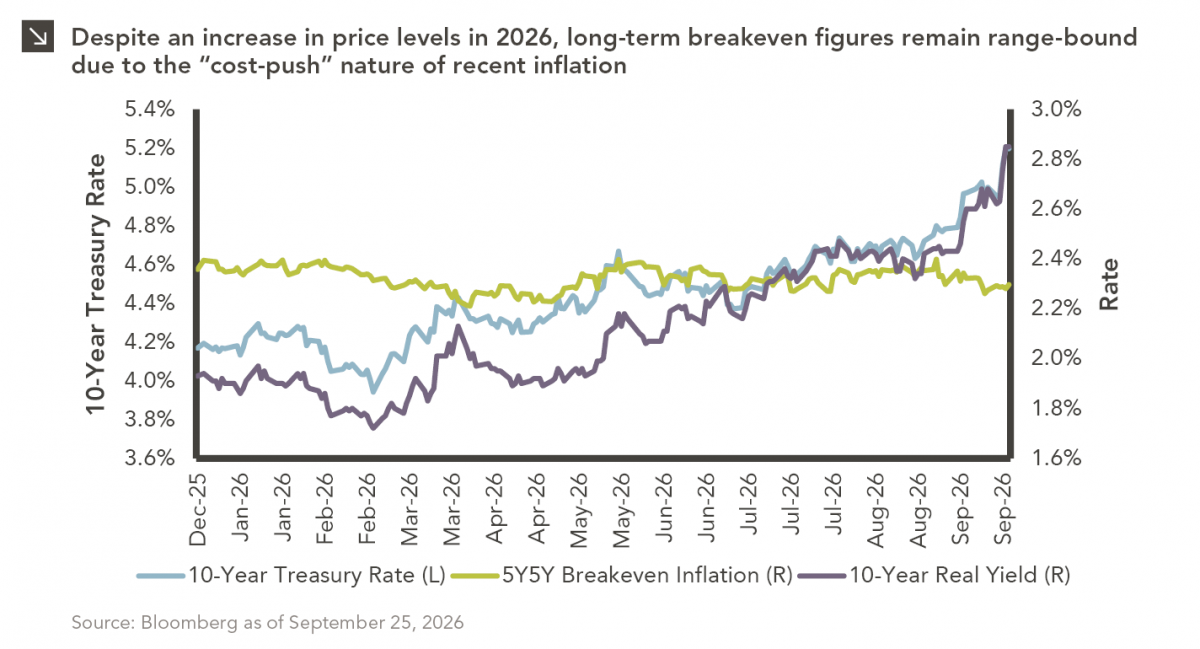
The phrase “expectations of higher inflation” has become a staple in financial news to explain the increase in nominal U.S….
09.21.2026
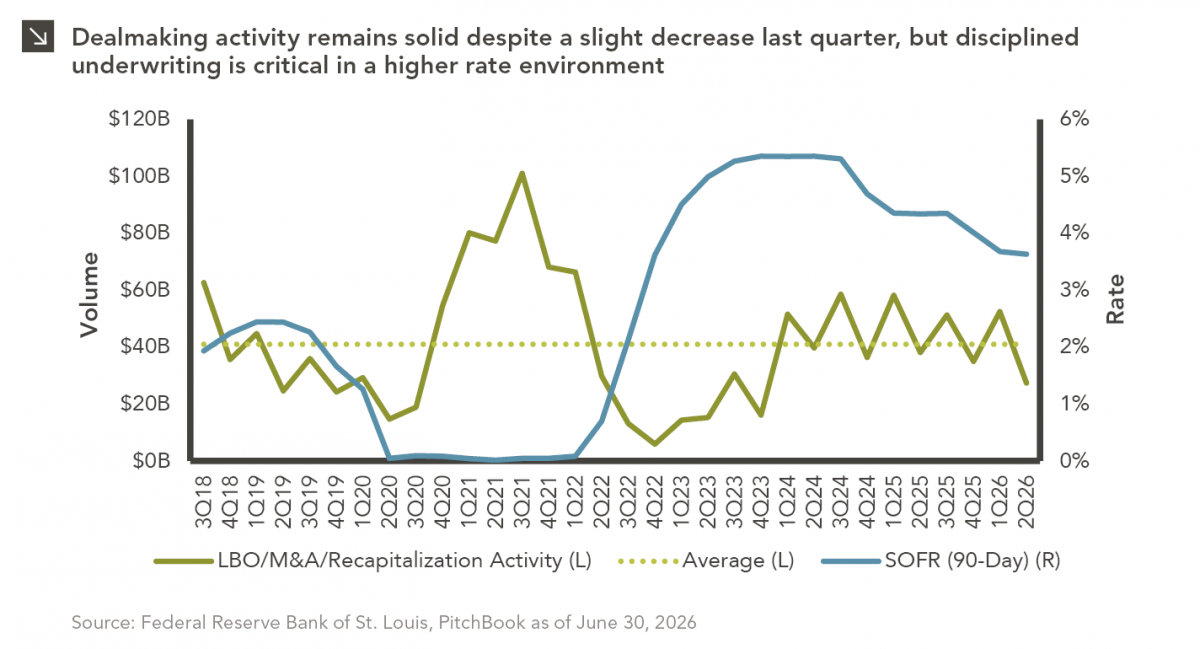
For much of the past several years, the conventional view has been that higher interest rates and stretched valuations would…
09.14.2026
There are many great things about working at Marquette Associates, but “Free Lunch Tuesday” is right at the top of…
Research alerts keep you updated on our latest research publications. Simply enter your contact information, choose the research alerts you would like to receive and click Subscribe. Alerts will be sent as research is published.
We respect your privacy. We will never share or sell your information.
If you have questions or need further information, please contact us directly and we will respond to your inquiry within 24 hours.
Contact Us >