10.19.2026
Divided We Rise?
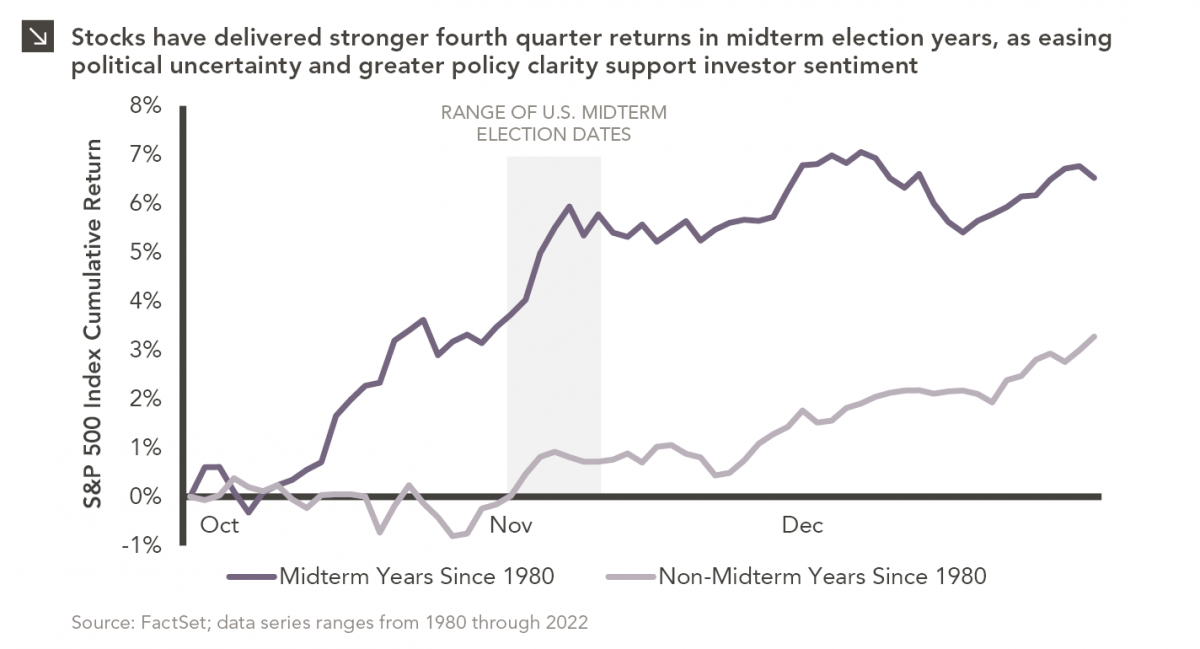
Since 1980, the S&P 500 Index has generally performed well in the weeks surrounding U.S. midterm elections. Specifically, the index…


The economic impact of falling oil prices has been a common discussion point for investors over the past few months. Who benefits? Who doesn’t? In this week’s Chart of the Week, we look at what different oil prices mean to various parties.
Oil prices fell by more than 40% in 2014 as a result of strong production and OPEC’s refusal to support prices. Brent crude, the international benchmark for oil, began the year at $110, which is significantly less than the level necessary for certain countries like Venezuela and Iran to balance their budgets. Earlier this week, Brent crude fell to less than $47. According to the Financial Times, an oil price of $90 is necessary for Saudi Arabia to balance its budget, while Kuwait would be happy with levels above $50. In the U.S., the outlook for operators of shale oil developments will be heavily dependent on their cost structures — an oil price of $115 is needed for high-cost producers to break even, but low-cost producers can break even with prices as low as $40. A major beneficiary of the slippery slope in oil prices is the airline industry. With oil at the level of $95, they would see a boost to 2015 operating profits of approximately $15 billion.
The takeaway is that the economic impact of the slide in oil prices is not the same for all market participants. As such, this environment presents interesting tactical opportunities for domestic and international investors with exposures to governments and corporations.
The opinions expressed herein are those of Marquette Associates, Inc. (“Marquette”), and are subject to change without notice. This material is not financial advice or an offer to purchase or sell any product. Marquette reserves the right to modify its current investment strategies and techniques based on changing market dynamics or client needs.
10.19.2026
Since 1980, the S&P 500 Index has generally performed well in the weeks surrounding U.S. midterm elections. Specifically, the index…
10.12.2026
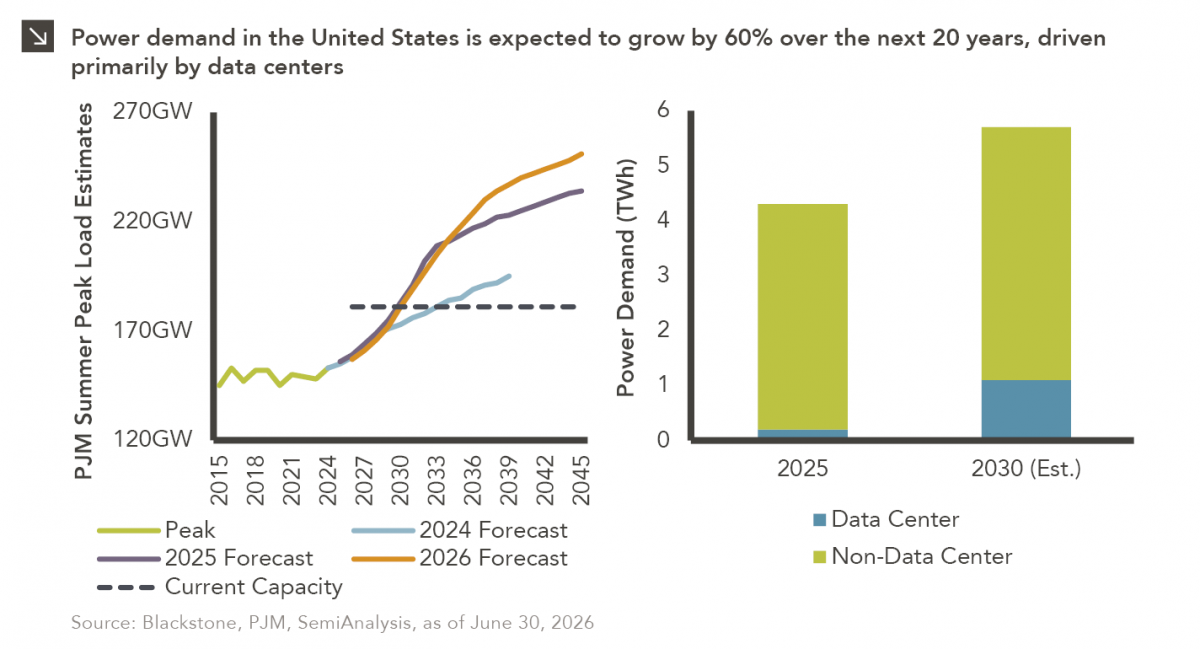
This week’s chart highlights the accelerating growth of electricity demand in the U.S., which has been driven primarily by the…
10.05.2026
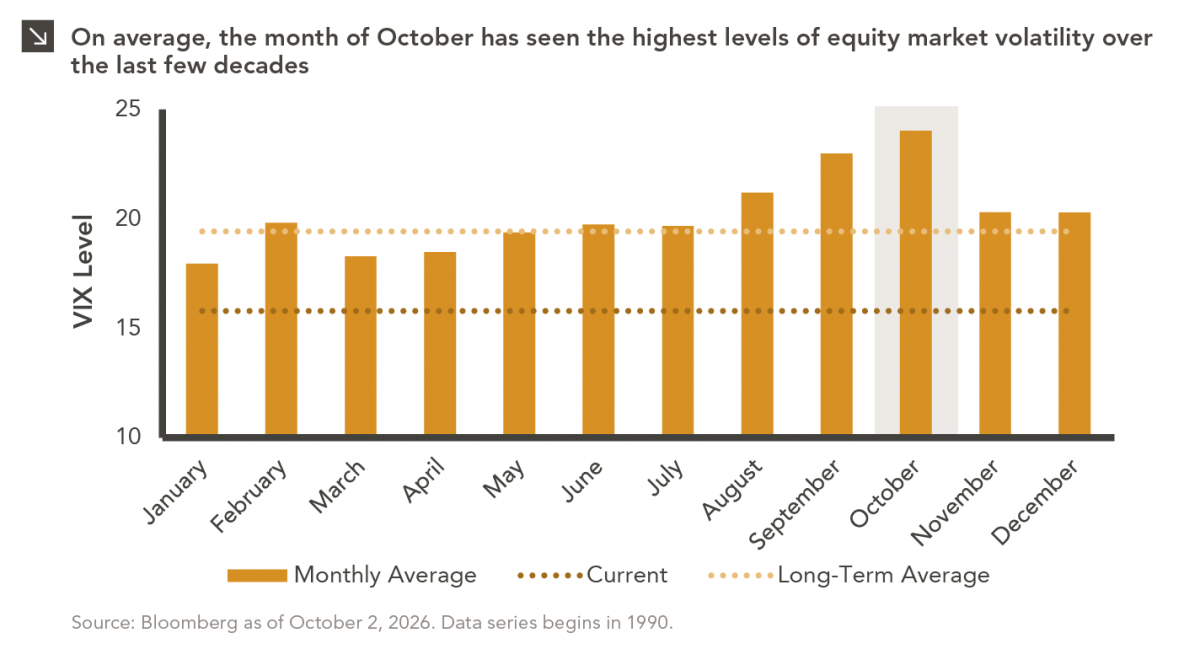
For investors, the spookiest thing about October might not be the ghosts and monsters that are bound to show up…
09.28.2026
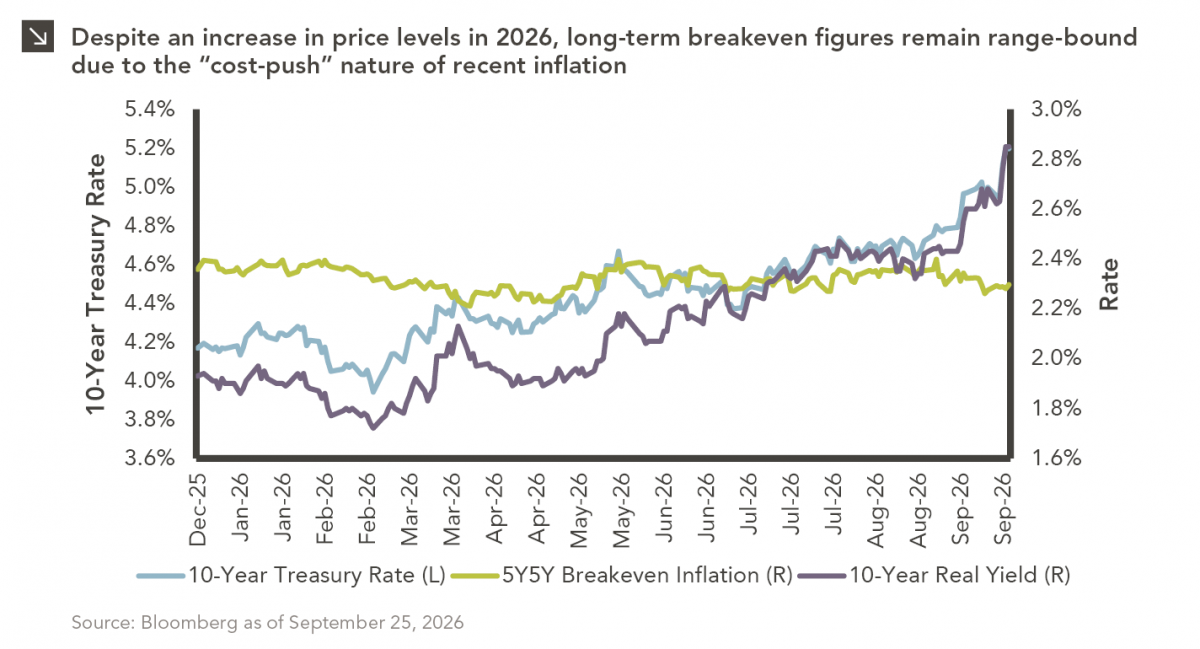
The phrase “expectations of higher inflation” has become a staple in financial news to explain the increase in nominal U.S….
09.21.2026
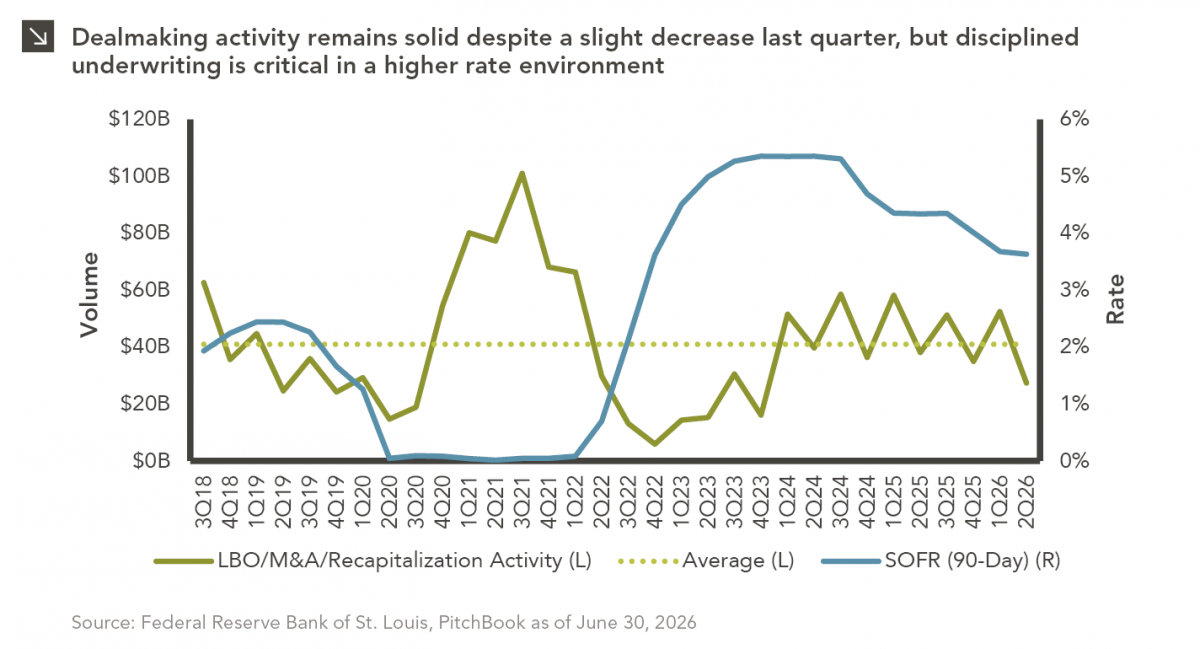
For much of the past several years, the conventional view has been that higher interest rates and stretched valuations would…
09.14.2026
There are many great things about working at Marquette Associates, but “Free Lunch Tuesday” is right at the top of…
Research alerts keep you updated on our latest research publications. Simply enter your contact information, choose the research alerts you would like to receive and click Subscribe. Alerts will be sent as research is published.
We respect your privacy. We will never share or sell your information.
If you have questions or need further information, please contact us directly and we will respond to your inquiry within 24 hours.
Contact Us >