10.08.2026
3Q 2026 Market Insights
This video is a recording of a live webinar held October 22 by Marquette’s research team analyzing the third quarter…


This week’s chart looks at price action of the Value Line Geometric Index. Originally launched in 1961, the Value Line Geometric Index provides exposure to North American equities. It is comprised of over 1,600 companies from the NYSE, Nasdaq, Toronto Stock Exchange, and various over-the-counter markets. The index is equally weighted, and thus can provide insight into the health or breadth of the overall equity market relative to more commonly referenced market cap weighted indices. Market cap weighted indices, by design, are disproportionately driven by their larger market cap weighted components. Thus, an examination of equally weighted indices can shed light on trends often missed when focused solely on the actions of market cap weighted indices.
As seen in the chart above, the Value Line index has historically encountered resistance at the $500 price level. The index traded near this key resistance level in 1998, 2007, and 2015. More recently, the index was able to break out above this resistance level beginning in December 2016. Following the 2016 election, the index saw broad market participation as a result of the current administration’s pro-growth narrative and late cycle fiscal stimulus effects. A host of factors contributed to the recent retracement of the index below this $500 level starting in mid-2018 including concerns over rising interest rates, slowing global growth, trade/tariff effects, and various political uncertainties.
From a technical analysis standpoint, if the index can maintain a sustained breakout above this level then this would be a bullish signal for equities. However, a failure to retest and breach this level could signify further downside risk and warrant a cautious stance within equities.
The opinions expressed herein are those of Marquette Associates, Inc. (“Marquette”), and are subject to change without notice. This material is not financial advice or an offer to purchase or sell any product. Marquette reserves the right to modify its current investment strategies and techniques based on changing market dynamics or client needs.
The opinions expressed herein are those of Marquette Associates, Inc. (“Marquette”), and are subject to change without notice. This material is not financial advice or an offer to purchase or sell any product. Marquette reserves the right to modify its current investment strategies and techniques based on changing market dynamics or client needs.

10.08.2026
This video is a recording of a live webinar held October 22 by Marquette’s research team analyzing the third quarter…

10.22.2026
Anyone who has run a marathon knows the last six miles are brutal — no matter how well the first…
10.19.2026
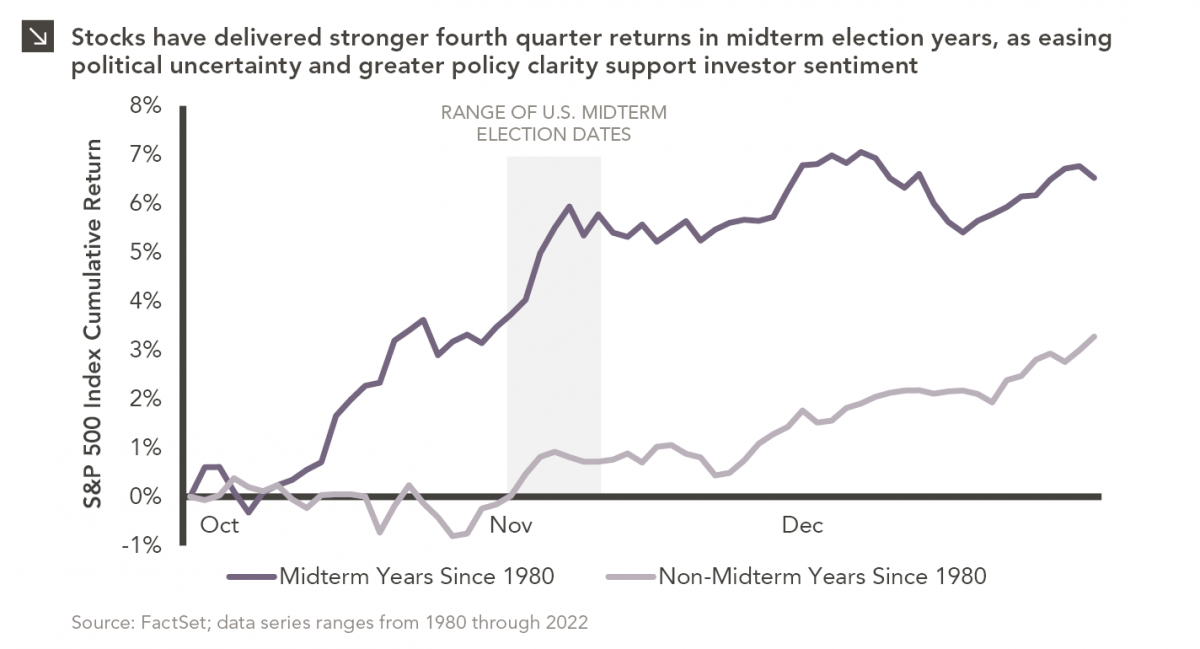
Since 1980, the S&P 500 Index has generally performed well in the weeks surrounding U.S. midterm elections. Specifically, the index…
10.12.2026
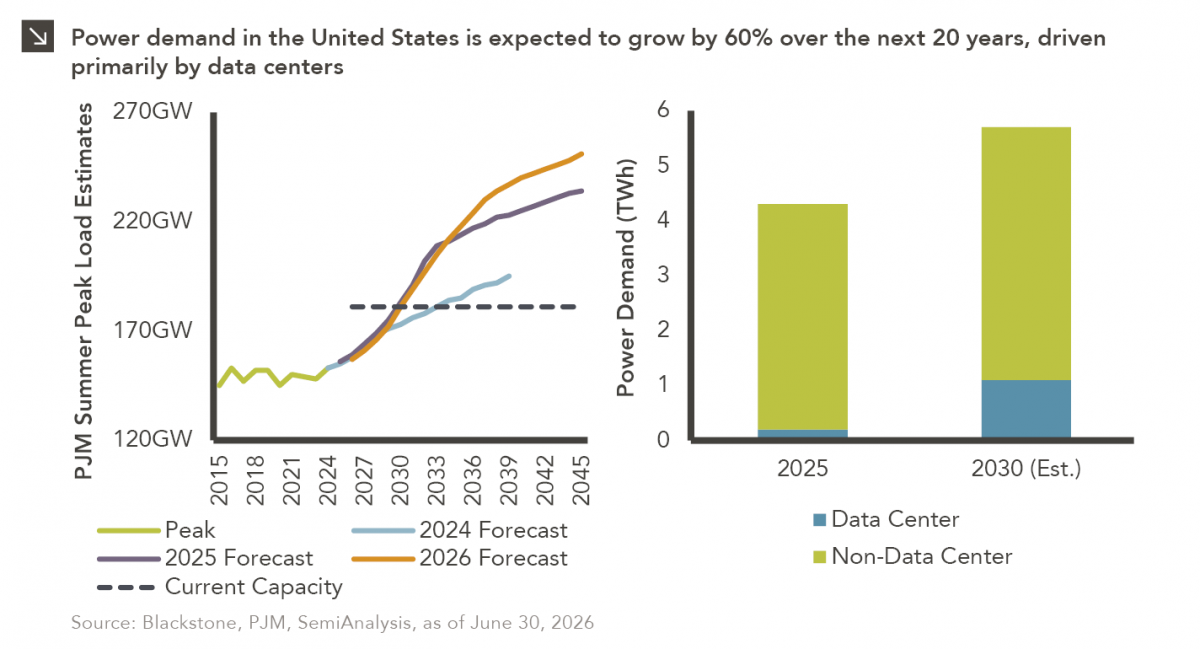
This week’s chart highlights the accelerating growth of electricity demand in the U.S., which has been driven primarily by the…
10.05.2026
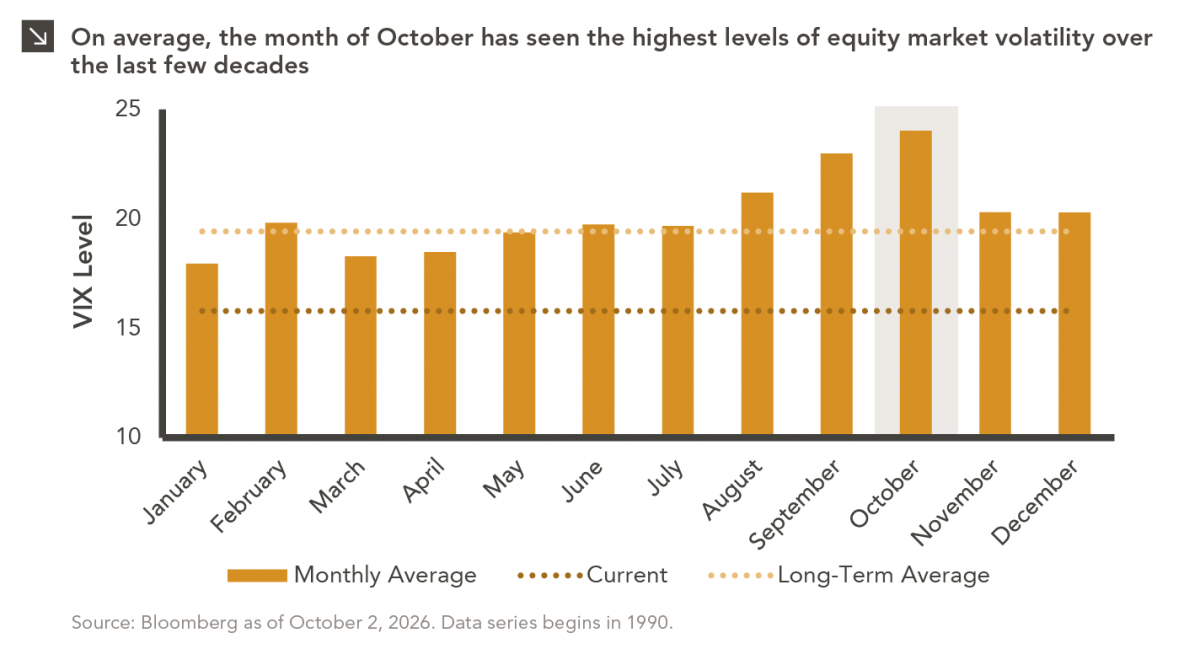
For investors, the spookiest thing about October might not be the ghosts and monsters that are bound to show up…
09.28.2026
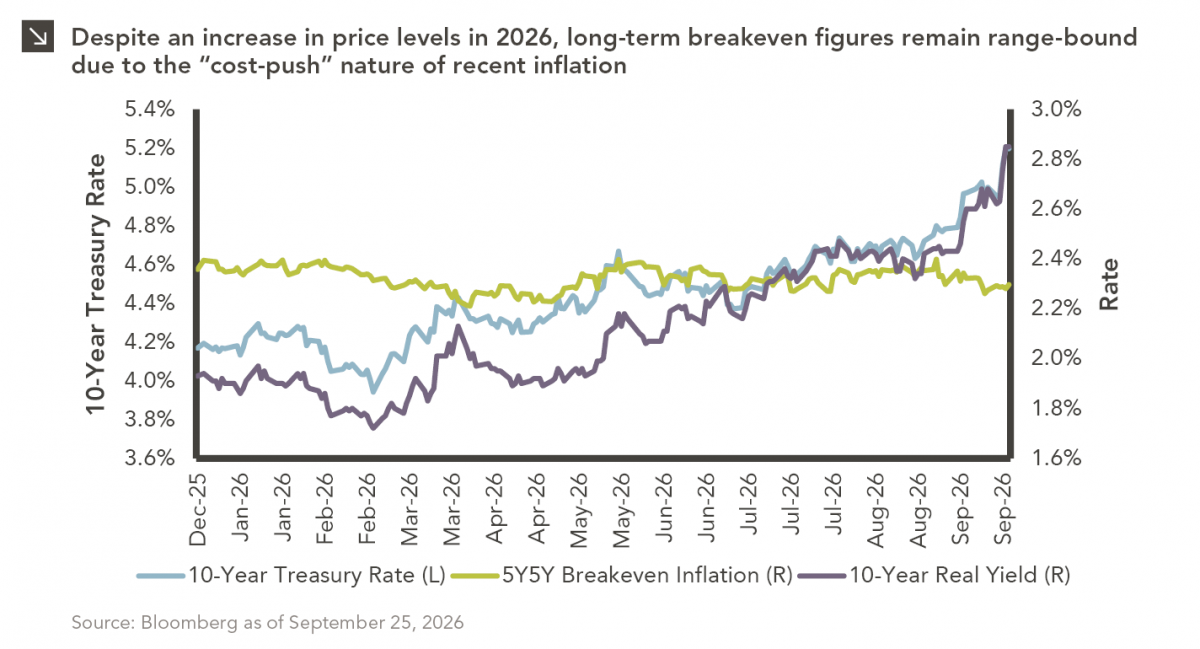
The phrase “expectations of higher inflation” has become a staple in financial news to explain the increase in nominal U.S….
Research alerts keep you updated on our latest research publications. Simply enter your contact information, choose the research alerts you would like to receive and click Subscribe. Alerts will be sent as research is published.
We respect your privacy. We will never share or sell your information.
If you have questions or need further information, please contact us directly and we will respond to your inquiry within 24 hours.
Contact Us >