10.08.2026
3Q 2026 Market Insights
This video is a recording of a live webinar held October 22 by Marquette’s research team analyzing the third quarter…


It has been a wild ride since the equity market peaked on September 20th. Almost three months later, the S&P 500 is down 14.0%, marking the second market correction this year. Corrections occur when the market falls more than 10% from its market peak. Investors have been caught off-guard by this year’s volatility given last year’s slow and steady rise. While we predicted that 2018 would most likely be more eventful than 2017’s record-breaking tranquility, we could not predict to what extent. Year to date, we have seen market movements in excess of 1% in one out of every five days this year, and four of the five largest Dow Jones Industrials Average point drops ever despite strong positive economic data within the United States.
Market pauses occur frequently. Since 1920, the S&P 500 has on average experienced a 5% pullback 3 times a year, a 10% correction once a year, and a 20% bear market decline every 3 years.¹ What’s important is that corrections are merely temporary movements and have little impact on returns over the long-term. Since the bottom of the market in 2009, the S&P 500 has returned over 350% cumulatively and 15% annualized. The chart above shows the S&P 500’s cumulative returns after every correction this market cycle.
Markets are constantly under pressure from external events; recent history includes 2010’s Sovereign Debt Crisis, the 2011 U.S. debt downgrade, and fear of slowing Chinese growth in the winter of 2016. Today, market returns are almost flat since February’s market correction. Returns have eventually rebounded after each correction (including the global Financial Crisis) due to the underlying fundamentals of the economy and not elements of fear.
We acknowledge that while global growth did not meet investors’ expectations in 2018, the United States continues to meet or even exceed expectations. Third quarter GDP came in at 3.5%, unemployment is a low 3.7%, personal income is up, corporate earnings are strong, and inflation is a healthy 2.2%. The fundamental backdrop is still positive for the U.S. and is a stark contrast to the market’s performance quarter-to-date. While the recent volatility can be uncomfortable, waiting for market performance to realign with economic fundamentals can be rewarding over the long-term.
¹ Fidelity Investments, Viewpoints, November 5, 2018
The opinions expressed herein are those of Marquette Associates, Inc. (“Marquette”), and are subject to change without notice. This material is not financial advice or an offer to purchase or sell any product. Marquette reserves the right to modify its current investment strategies and techniques based on changing market dynamics or client needs.
The opinions expressed herein are those of Marquette Associates, Inc. (“Marquette”), and are subject to change without notice. This material is not financial advice or an offer to purchase or sell any product. Marquette reserves the right to modify its current investment strategies and techniques based on changing market dynamics or client needs.

10.08.2026
This video is a recording of a live webinar held October 22 by Marquette’s research team analyzing the third quarter…

10.22.2026
Anyone who has run a marathon knows the last six miles are brutal — no matter how well the first…
10.19.2026
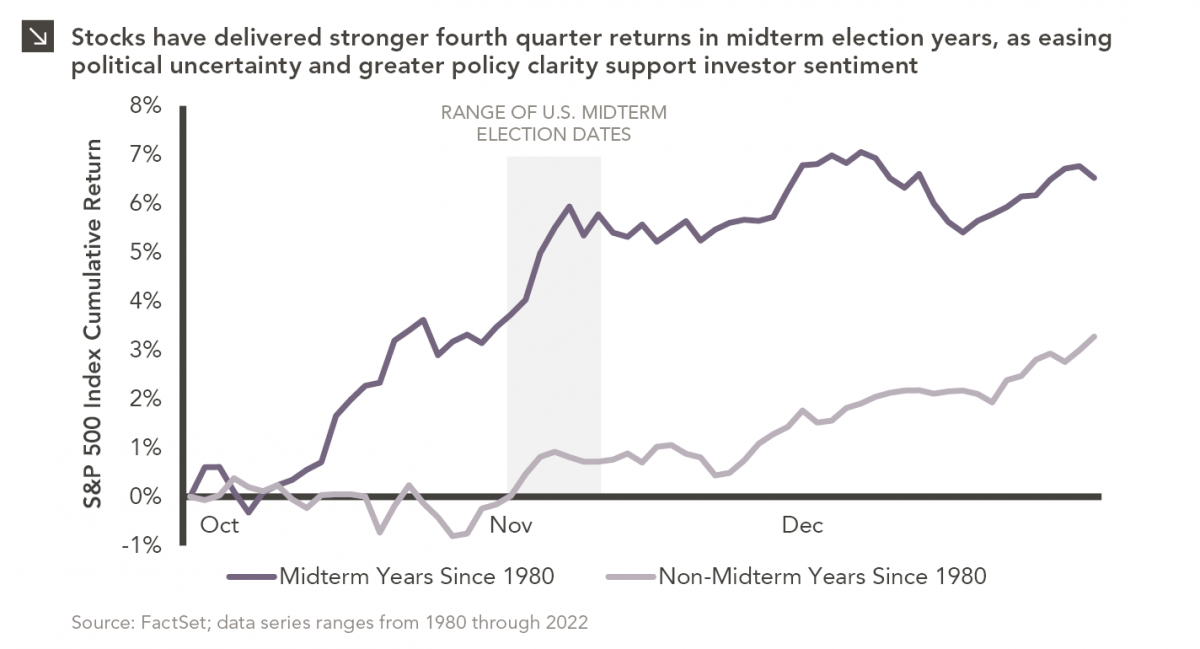
Since 1980, the S&P 500 Index has generally performed well in the weeks surrounding U.S. midterm elections. Specifically, the index…
10.12.2026
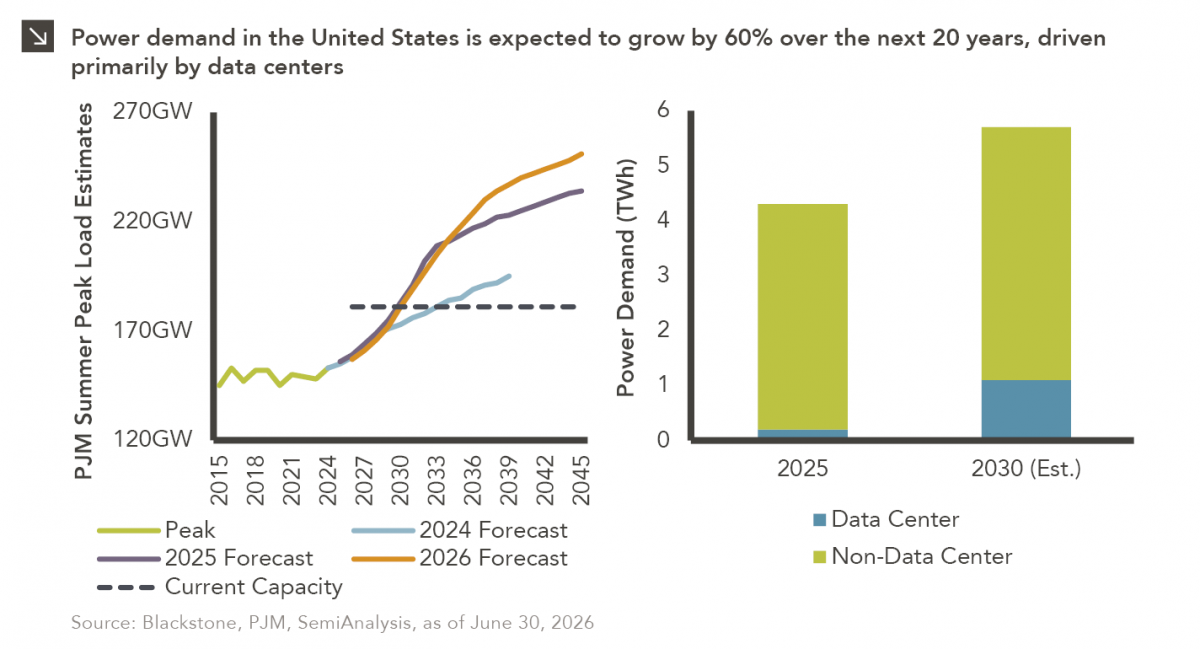
This week’s chart highlights the accelerating growth of electricity demand in the U.S., which has been driven primarily by the…
10.05.2026
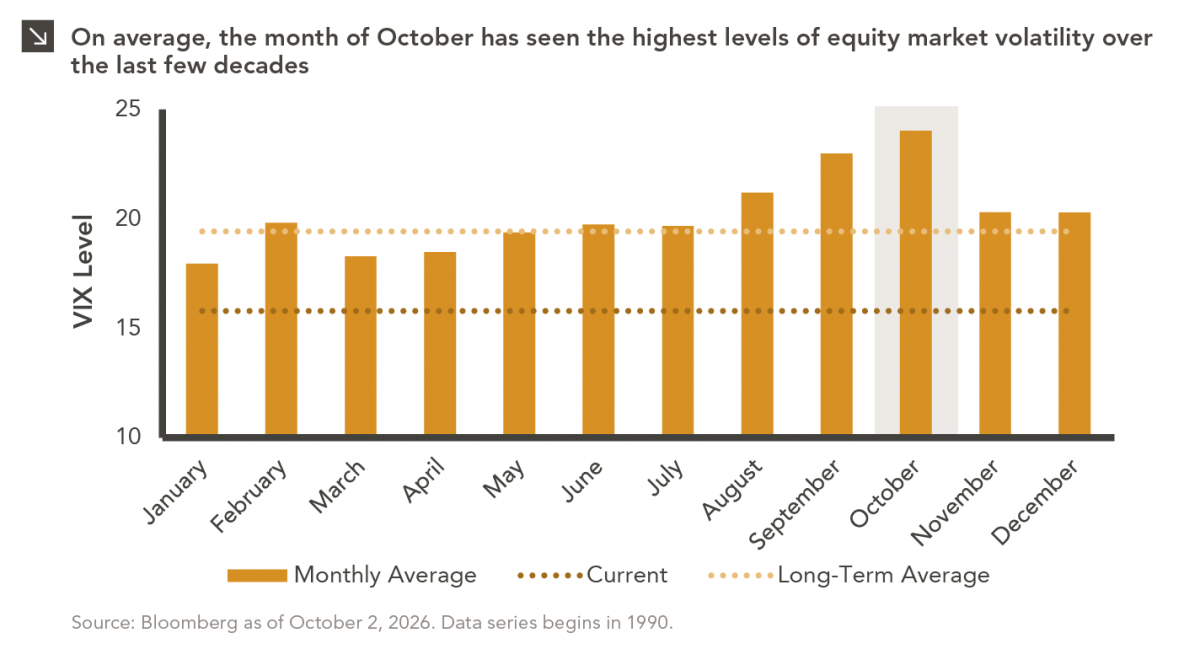
For investors, the spookiest thing about October might not be the ghosts and monsters that are bound to show up…
09.28.2026
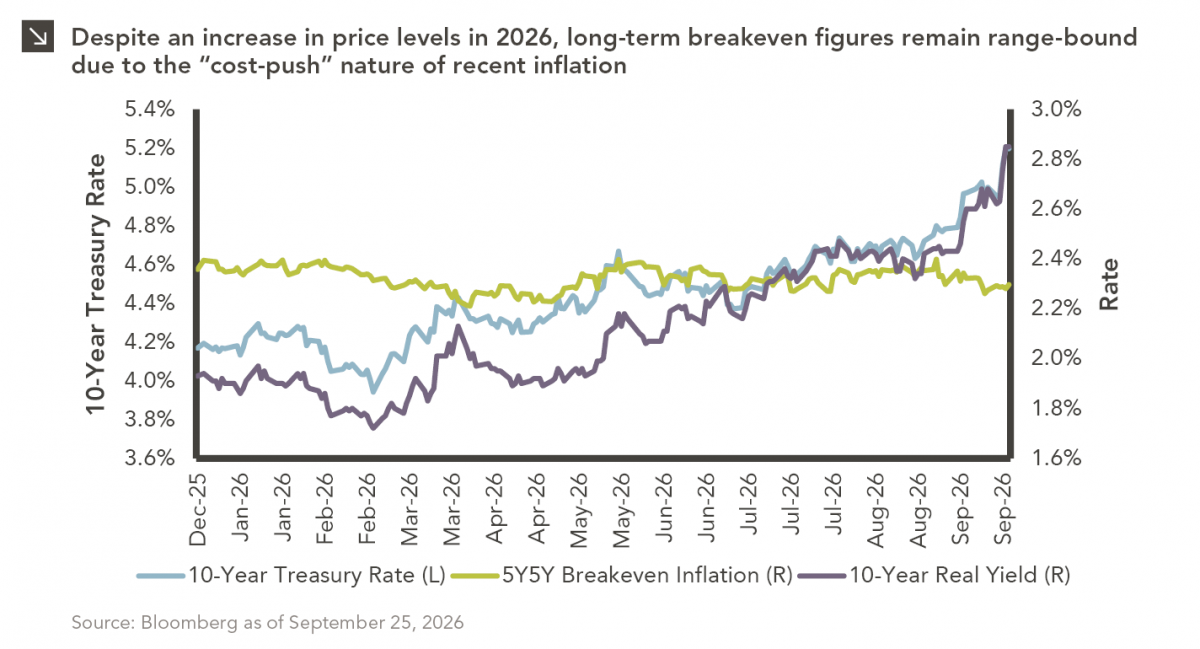
The phrase “expectations of higher inflation” has become a staple in financial news to explain the increase in nominal U.S….
Research alerts keep you updated on our latest research publications. Simply enter your contact information, choose the research alerts you would like to receive and click Subscribe. Alerts will be sent as research is published.
We respect your privacy. We will never share or sell your information.
If you have questions or need further information, please contact us directly and we will respond to your inquiry within 24 hours.
Contact Us >