10.22.2026
Will Higher Rates Cramp the Markets?
Anyone who has run a marathon knows the last six miles are brutal — no matter how well the first…


After hitting an all-time closing high on January 26th, the S&P 500 officially entered correction territory over the span of nine trading days with a 10% pullback. Since the February 8th low, price levels for the S&P 500 have shown signs of stabilization but have yet to fully recover. Through May 8th, the S&P 500’s year-to-date return was +0.55%. This headline number, however, masks the dispersion of returns among sectors and individual stocks so far this year. Despite the index being slightly positive year-to-date, many individual stocks within the index are in negative territory.
This week’s chart shows the S&P 500 price level along with the percentage of S&P 500 stocks trading above their 200-day moving averages. The 200-day moving average is a popular technical indicator used to gauge price trends in equity markets. This same indicator can also be applied to individual securities within an index to assess the level of participation or breadth.
The chart above highlights the narrow participation of securities within the S&P 500 since the prior all-time closing high. 83% of stocks in the S&P 500 were trading above their 200-day moving averages as of January 26th. This number fell to 56% by May 8th, indicating that price levels are being supported by a smaller percentage of individual stocks within the index. For example, the popular mega-cap acronym FAANG (Facebook, Apple, Amazon, Netflix, and Google/Alphabet) has been a key driver for equity returns this year. These five stocks account for over 11% of the S&P 500’s total weight and as a group have generated an average year-to-date return of +20%. While higher market cap stocks have supported overall equity returns year-to-date, such narrow market participation creates concerns should sentiment change among these stocks.
The opinions expressed herein are those of Marquette Associates, Inc. (“Marquette”), and are subject to change without notice. This material is not financial advice or an offer to purchase or sell any product. Marquette reserves the right to modify its current investment strategies and techniques based on changing market dynamics or client needs.
The opinions expressed herein are those of Marquette Associates, Inc. (“Marquette”), and are subject to change without notice. This material is not financial advice or an offer to purchase or sell any product. Marquette reserves the right to modify its current investment strategies and techniques based on changing market dynamics or client needs.

10.22.2026
Anyone who has run a marathon knows the last six miles are brutal — no matter how well the first…
10.19.2026
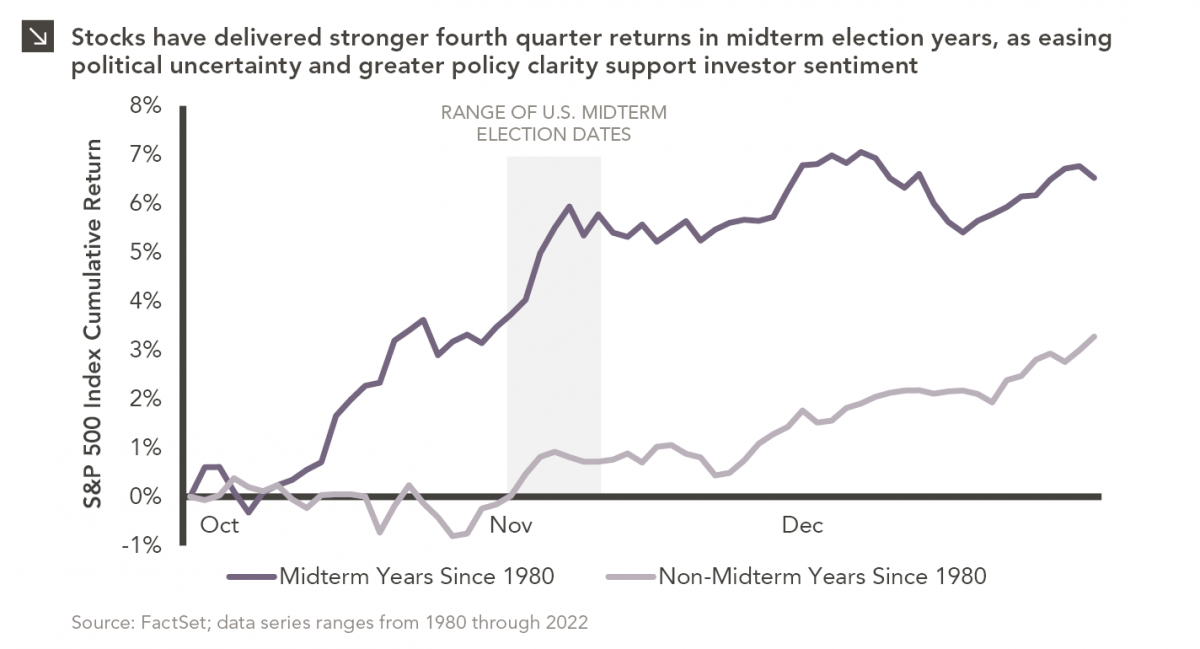
Since 1980, the S&P 500 Index has generally performed well in the weeks surrounding U.S. midterm elections. Specifically, the index…
10.12.2026
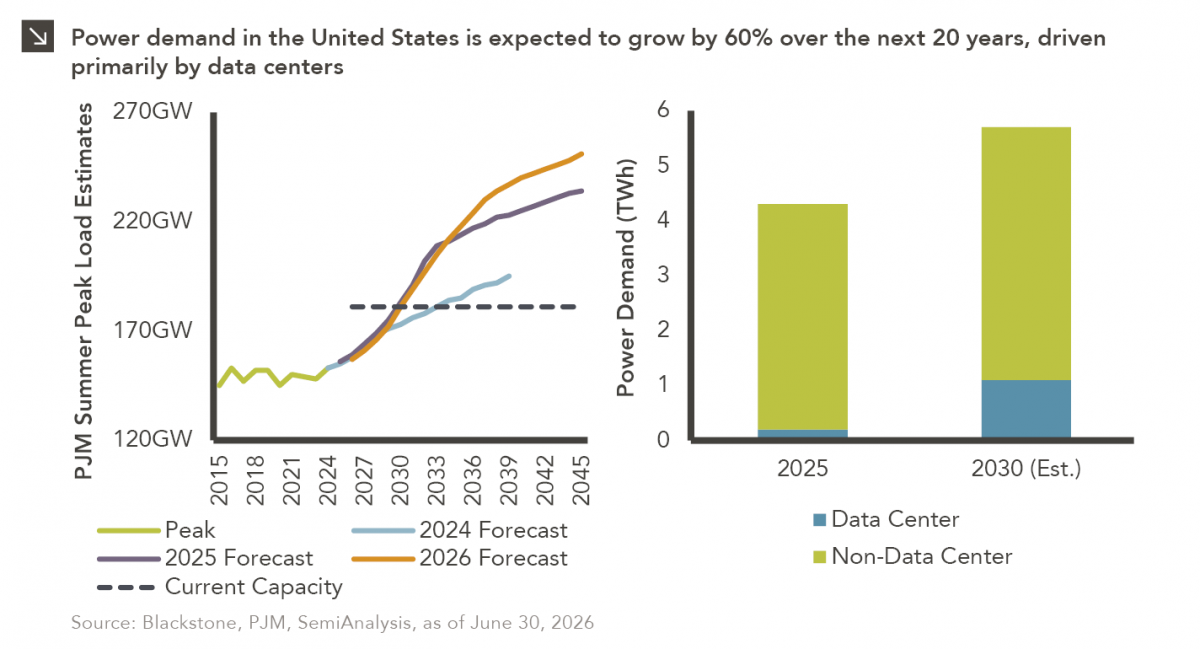
This week’s chart highlights the accelerating growth of electricity demand in the U.S., which has been driven primarily by the…

10.08.2026
LIVE WEBINAR — OCTOBER 22 Please join Marquette’s research team for our 3Q 2026 Market Insights Webinar…
10.05.2026
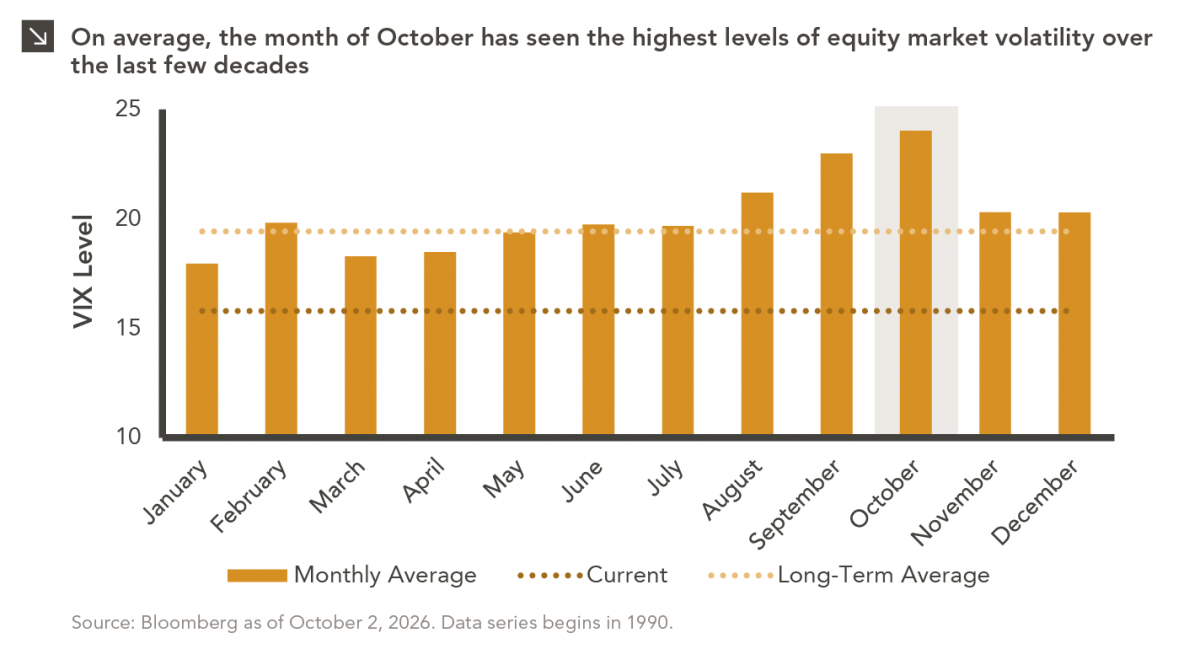
For investors, the spookiest thing about October might not be the ghosts and monsters that are bound to show up…
09.28.2026
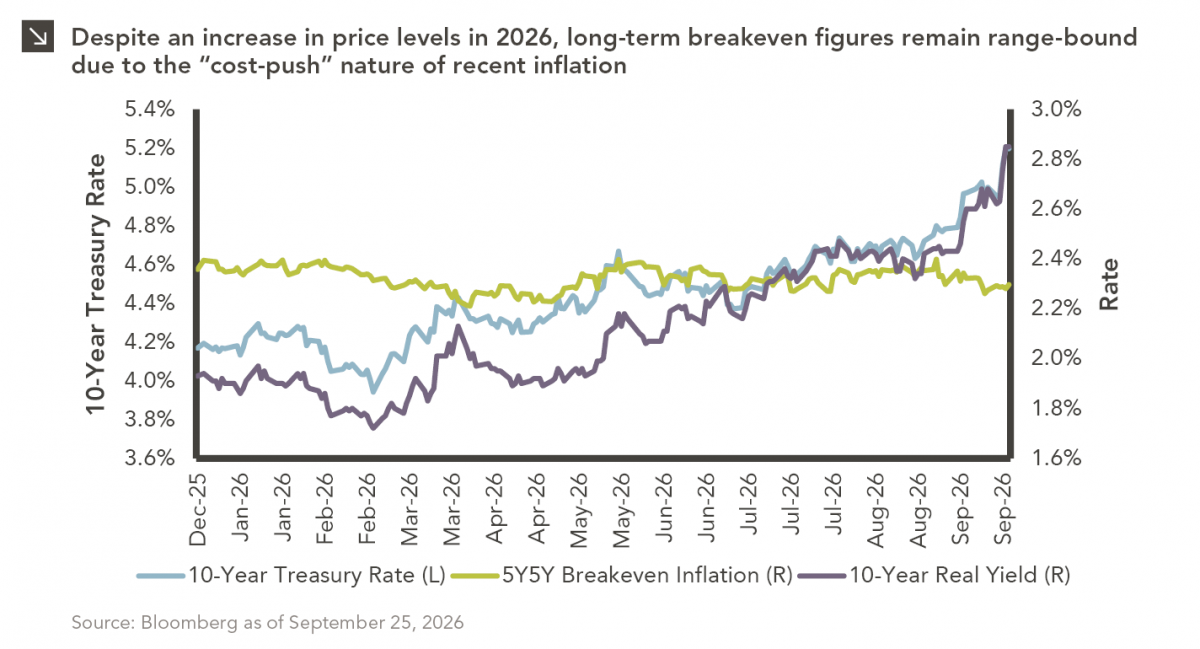
The phrase “expectations of higher inflation” has become a staple in financial news to explain the increase in nominal U.S….
Research alerts keep you updated on our latest research publications. Simply enter your contact information, choose the research alerts you would like to receive and click Subscribe. Alerts will be sent as research is published.
We respect your privacy. We will never share or sell your information.
If you have questions or need further information, please contact us directly and we will respond to your inquiry within 24 hours.
Contact Us >