11.09.2026
C’s Get Degrees (of Pain)
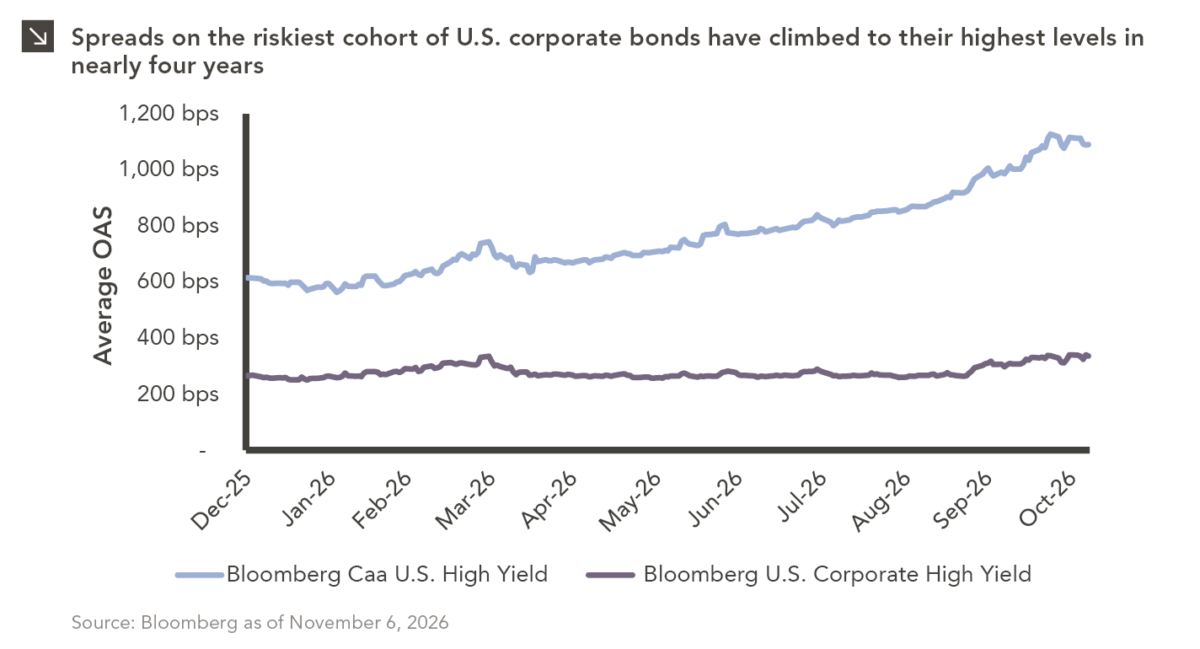
The U.S. distressed debt market is showing increasingly pronounced signs of stress. As of this writing, option-adjusted spreads on CCC-rated…


The demand for — and supply of — ESG investment opportunities has surged over the past several years. This week’s chart depicts the rise in U.S. based ESG assets. After doubling in size between 2012 and 2016, the value of sustainable, responsible and impact investing assets grew by another 38% from 2016 to 2018. These investments now account for more than ¼th of total U.S. assets under professional management.
From the demand side, signatories to the Principles for Responsible Investment, a set of investment principles that enables the incorporation of ESG considerations into investment practices, grew in combined assets from less than $6 trillion in 2006 to over $81 trillion by the end of April 2018. In response, the supply of ESG strategies in the market continues to increase as well, with investment firms offering ESG products in both the traditional and alternative asset classes.
Regulatory changes, new research, and shifting investor demographics continue to foster increased interest in ESG investing, and plan sponsors should be prepared to adapt their investment options to accommodate the changing landscape.
Print PDF> ESG Assets Continue Their Dramatic Rise
The opinions expressed herein are those of Marquette Associates, Inc. (“Marquette”), and are subject to change without notice. This material is not financial advice or an offer to purchase or sell any product. Marquette reserves the right to modify its current investment strategies and techniques based on changing market dynamics or client needs.
The opinions expressed herein are those of Marquette Associates, Inc. (“Marquette”), and are subject to change without notice. This material is not financial advice or an offer to purchase or sell any product. Marquette reserves the right to modify its current investment strategies and techniques based on changing market dynamics or client needs.
11.09.2026
The U.S. distressed debt market is showing increasingly pronounced signs of stress. As of this writing, option-adjusted spreads on CCC-rated…
11.02.2026
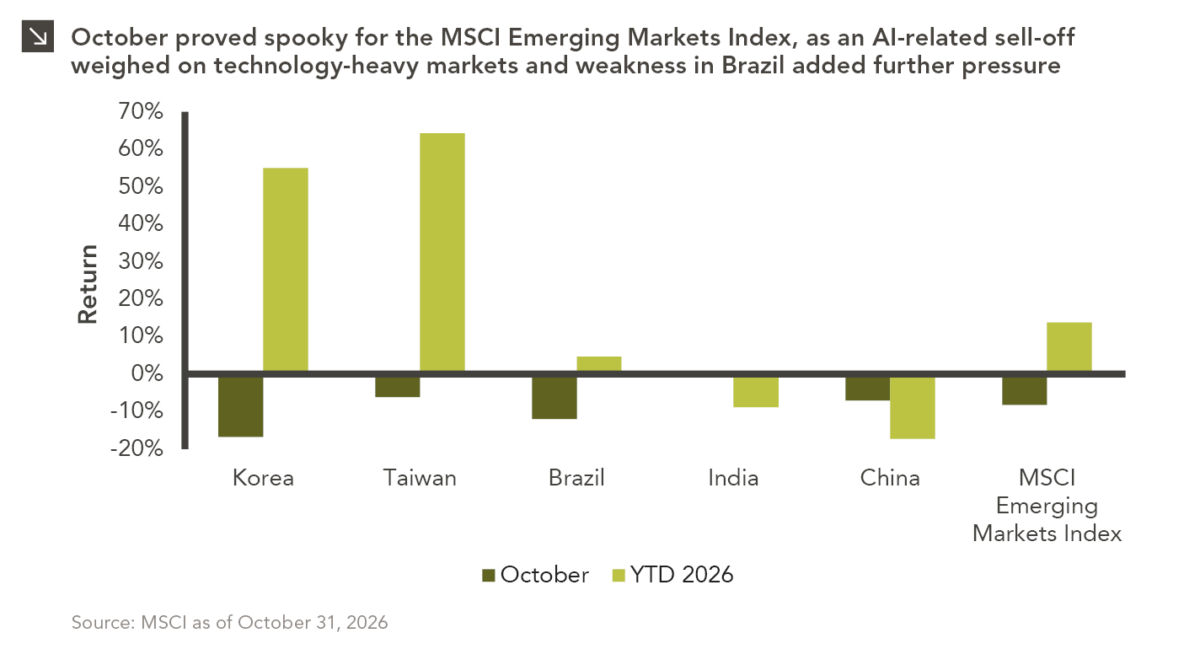
Emerging markets faced a challenging October, with the space declining by around 8.3% amid renewed concerns over the sustainability of…
10.26.2026
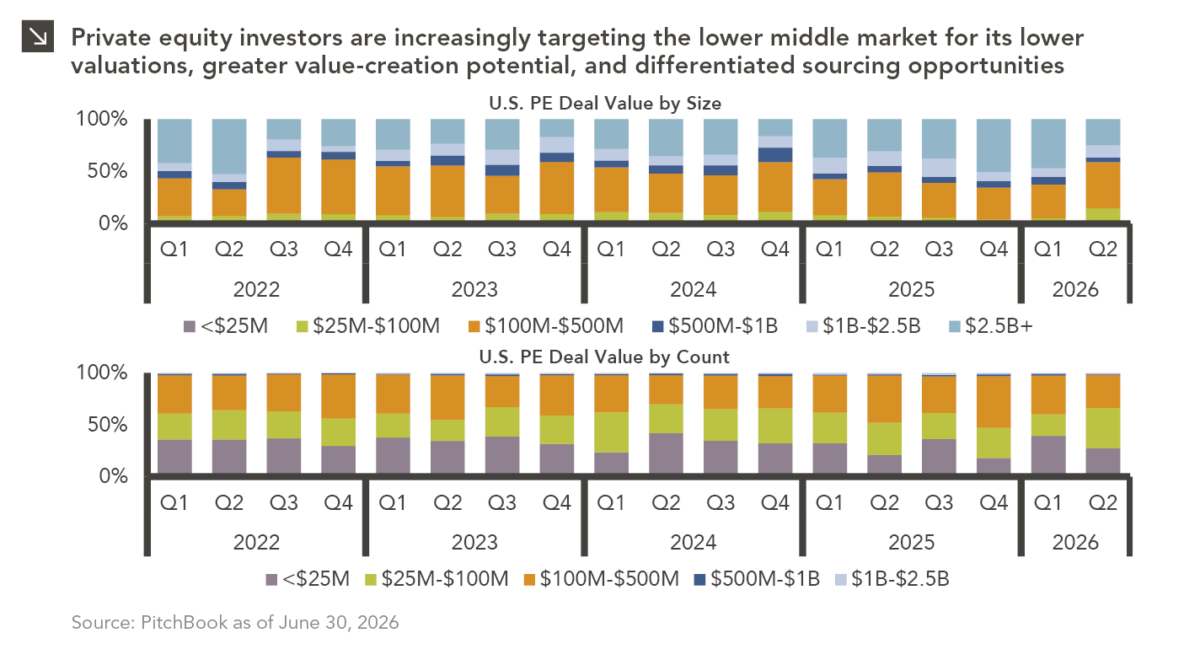
Private equity activity is increasingly shifting toward smaller transactions, with total deal value for transactions of $100 million or less…

10.08.2026
This video is a recording of a live webinar held October 22 by Marquette’s research team analyzing the third quarter…

10.22.2026
Anyone who has run a marathon knows the last six miles are brutal — no matter how well the first…
10.19.2026
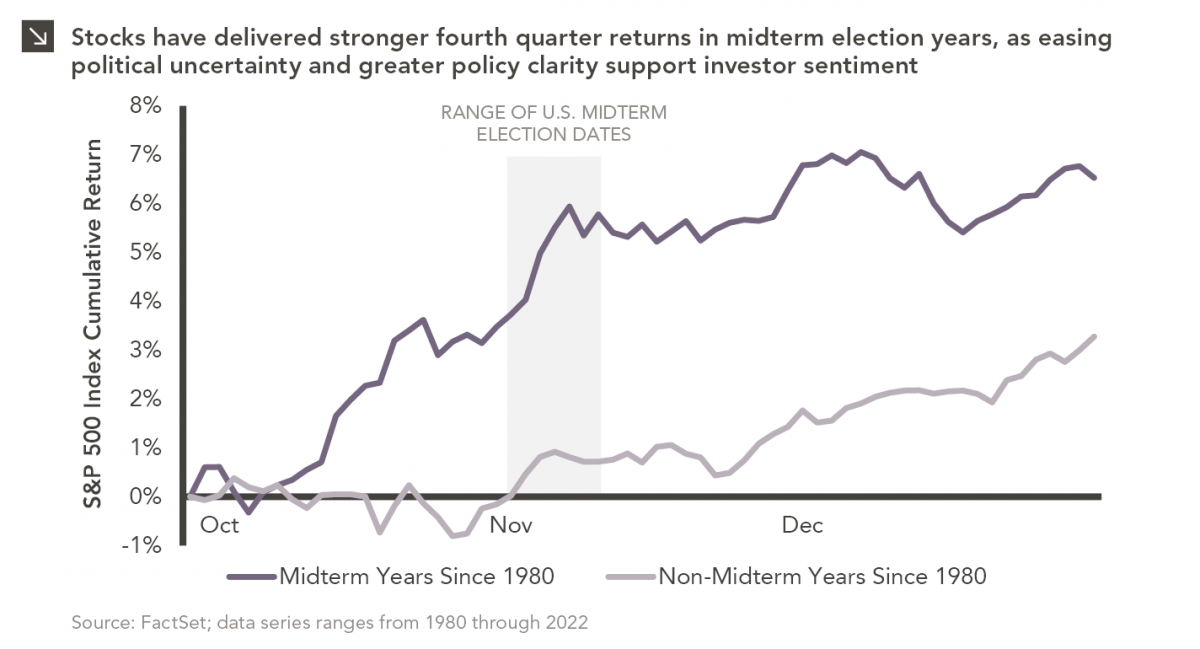
Since 1980, the S&P 500 Index has generally performed well in the weeks surrounding U.S. midterm elections. Specifically, the index…
Research alerts keep you updated on our latest research publications. Simply enter your contact information, choose the research alerts you would like to receive and click Subscribe. Alerts will be sent as research is published.
We respect your privacy. We will never share or sell your information.
If you have questions or need further information, please contact us directly and we will respond to your inquiry within 24 hours.
Contact Us >