10.08.2026
3Q 2026 Market Insights
This video is a recording of a live webinar held October 22 by Marquette’s research team analyzing the third quarter…


Lower oil prices, primarily via lower gasoline prices, were a key contributor to headline CPI moving off peak in July and August. Since late September, however, oil and gasoline prices have started to rise again. In early October, OPEC+ — comprised of the 13 OPEC members and 10 additional major oil-exporting countries, including Russia — agreed to steep oil production cuts, decreasing supply in an already stressed market. The total production cut is estimated to be around 2 million barrels per day (bpd), approximately 2% of global supply and the biggest production cut since the start of the COVID pandemic.
The move is expected to prop oil prices back up — as similar production cuts have done historically — after the commodity had fallen considerably over the last three months amid fears of a global recession, the stronger dollar, and higher interest rates. Higher energy prices would weigh on European countries, which are more heavily reliant on Russian oil and already facing recession, as well as the U.S. consumer, with oil accounting for roughly half of the retail price of gasoline. Earlier this year Federal Reserve Chair Jerome Powell quantified the impact of higher oil prices, noting every $10 per barrel increase in the price of crude raises inflation by 0.2% and sets back economic growth by 0.1%. The decision also adds to already heightened geopolitical tensions, with President Biden pursuing consequences for Saudi Arabia, the de facto leader of OPEC, following the announcement. This evolving situation is one more unknown variable to monitor as we look for macroeconomic clarity.
Print PDF > Fighting Fire With Oil
The opinions expressed herein are those of Marquette Associates, Inc. (“Marquette”), and are subject to change without notice. This material is not financial advice or an offer to purchase or sell any product. Marquette reserves the right to modify its current investment strategies and techniques based on changing market dynamics or client needs.

10.08.2026
This video is a recording of a live webinar held October 22 by Marquette’s research team analyzing the third quarter…

10.22.2026
Anyone who has run a marathon knows the last six miles are brutal — no matter how well the first…
10.19.2026
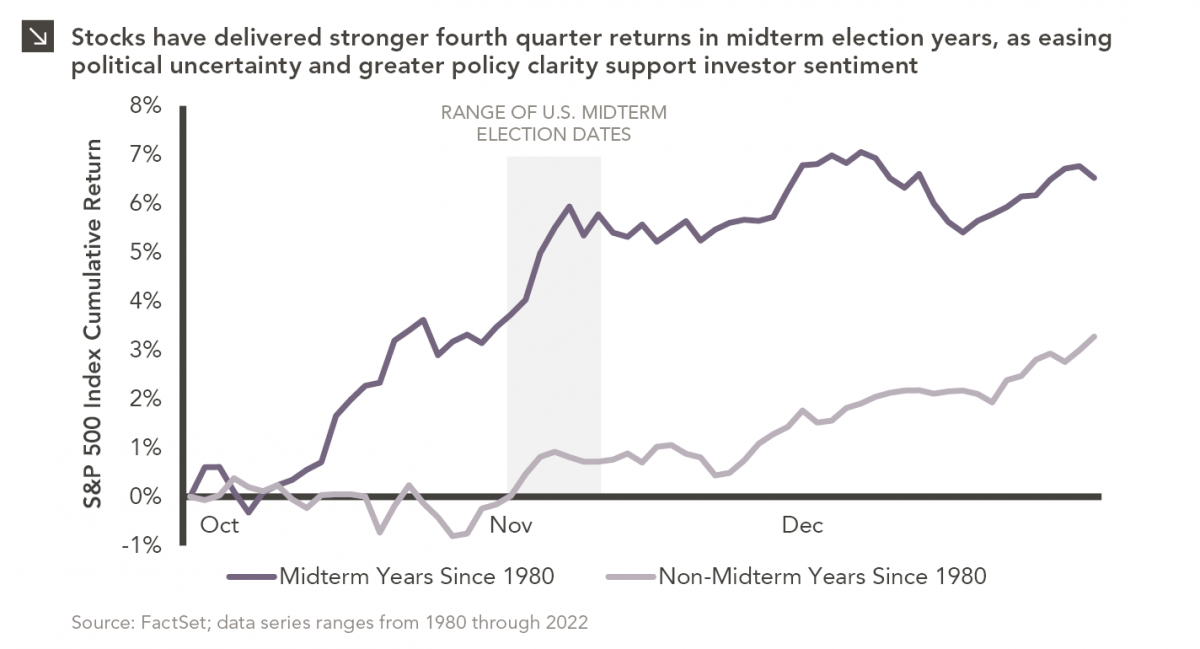
Since 1980, the S&P 500 Index has generally performed well in the weeks surrounding U.S. midterm elections. Specifically, the index…
10.12.2026
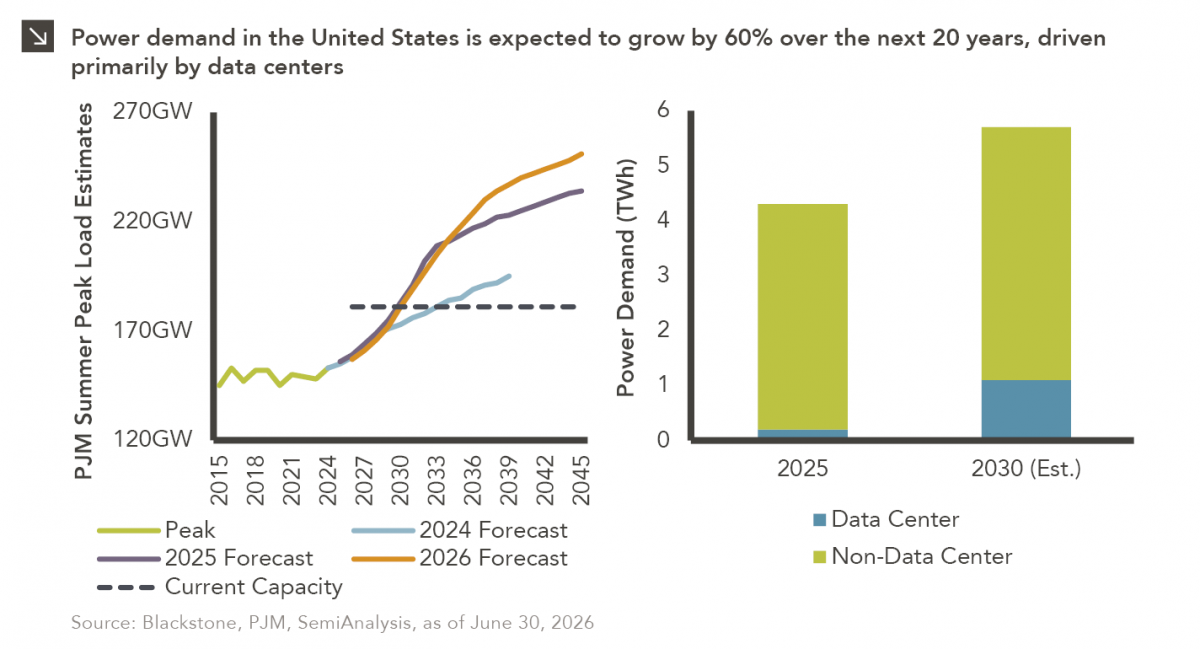
This week’s chart highlights the accelerating growth of electricity demand in the U.S., which has been driven primarily by the…
10.05.2026
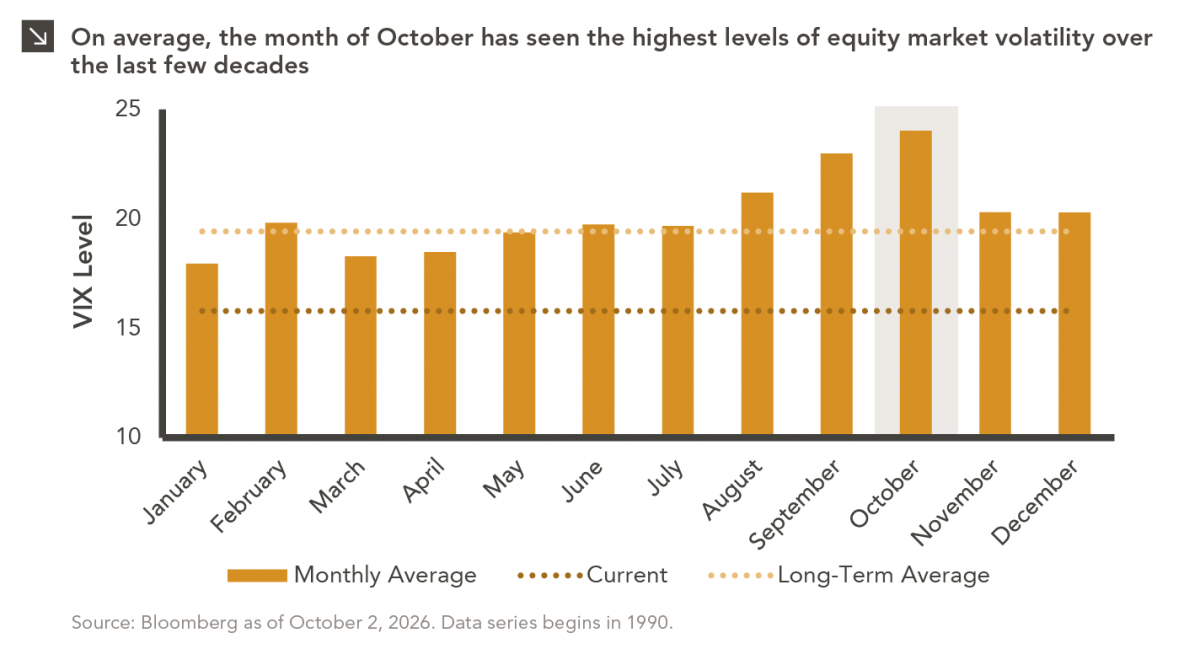
For investors, the spookiest thing about October might not be the ghosts and monsters that are bound to show up…
09.28.2026
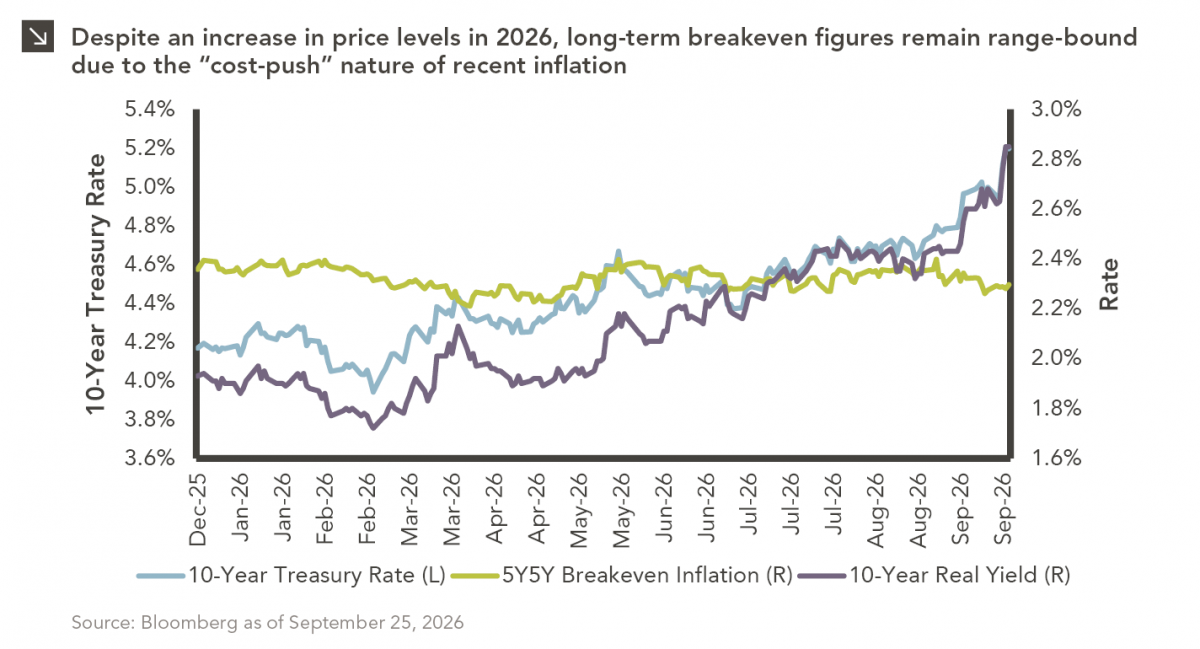
The phrase “expectations of higher inflation” has become a staple in financial news to explain the increase in nominal U.S….
Research alerts keep you updated on our latest research publications. Simply enter your contact information, choose the research alerts you would like to receive and click Subscribe. Alerts will be sent as research is published.
We respect your privacy. We will never share or sell your information.
If you have questions or need further information, please contact us directly and we will respond to your inquiry within 24 hours.
Contact Us >