Nat Kellogg, CFA
President


This week’s chart looks at the CBO’s updated fiscal projections for the U.S. federal government published on May 14th (the red line on this chart is the updated deficit/GDP estimate). These projections are an update from the last set of projections made in February (gray line) and include the full effect of the tax increases implemented on January 1, 2013 and the budget cuts mandated by sequestration, which began on March 1st. These updated projections show a $642 billion drop in the expected federal budget deficit in 2013, and over a $6 trillion reduction in the expected deficit over the next decade. The bars on this chart show the projected improvement in the deficit (higher revenue or lower expenditures) compared to the previous projections. Interestingly, a large part of the improvement in 2013 is driven by payments to the U.S. Treasury from Fannie Mae and Freddie Mac, which have recently returned to profitability after being taken over by the federal government during the credit crisis. While the deficit-to-GDP ratio is now expected to shrink substantially over the next few years, the CBO projections still show the U.S. federal government running a structural deficit of 3%-4% of GDP indefinitely. This is because the recent improvement in the deficit has been driven by a cyclical recovery in the U.S. economy and fiscal austerity, but the long term problem of entitlements remains unsolved. These updated projections are clearly good news for the economy and the market in the near term, but until the long term structural deficits are addressed, investors are unlikely to view the U.S. as back to full fiscal health.

The opinions expressed herein are those of Marquette Associates, Inc. (“Marquette”), and are subject to change without notice. This material is not financial advice or an offer to purchase or sell any product. Marquette reserves the right to modify its current investment strategies and techniques based on changing market dynamics or client needs.
10.19.2026
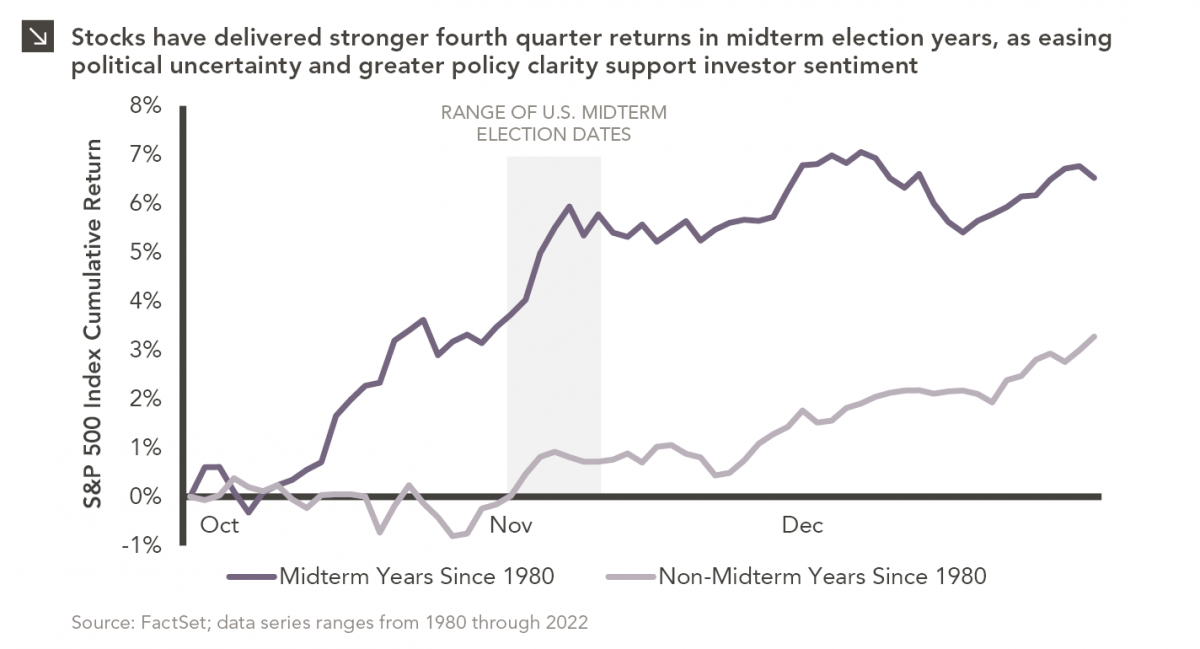
Since 1980, the S&P 500 Index has generally performed well in the weeks surrounding U.S. midterm elections. Specifically, the index…
10.12.2026
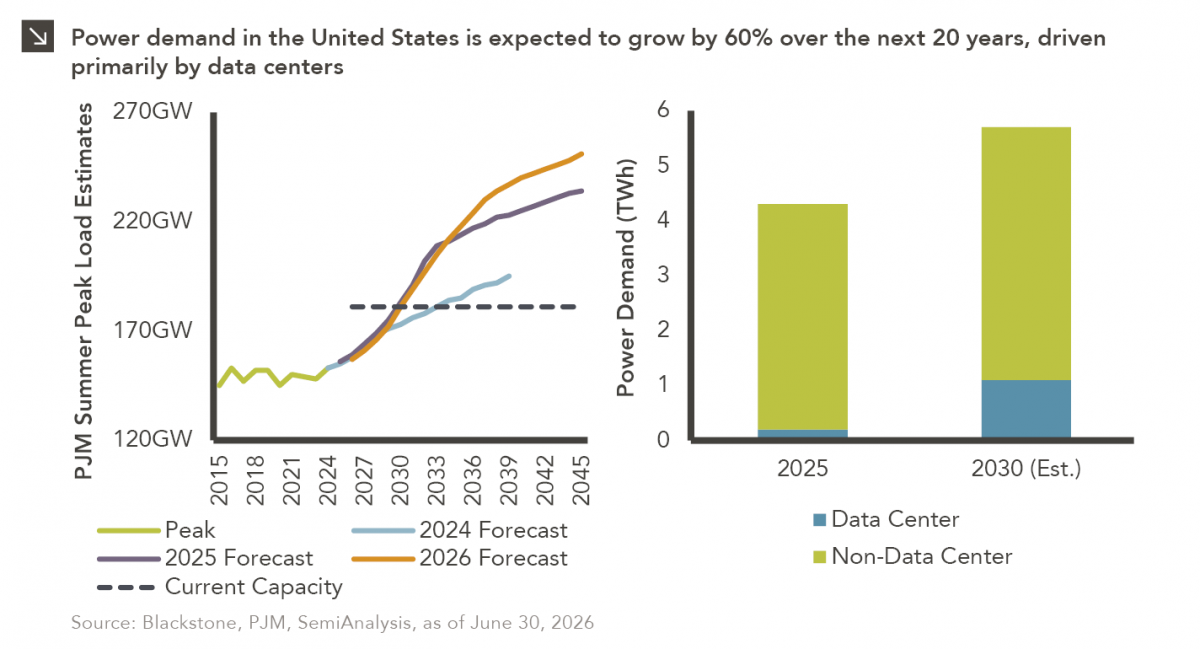
This week’s chart highlights the accelerating growth of electricity demand in the U.S., which has been driven primarily by the…

10.08.2026
LIVE WEBINAR — OCTOBER 22 Please join Marquette’s research team for our 3Q 2026 Market Insights Webinar…
10.05.2026
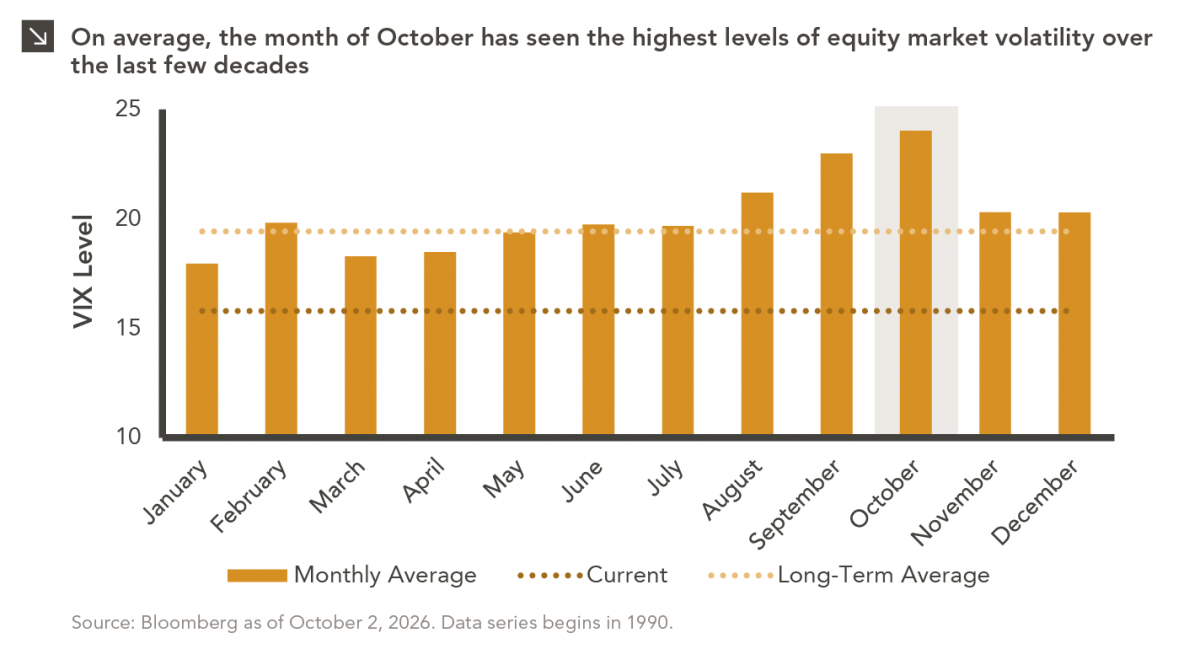
For investors, the spookiest thing about October might not be the ghosts and monsters that are bound to show up…
09.28.2026
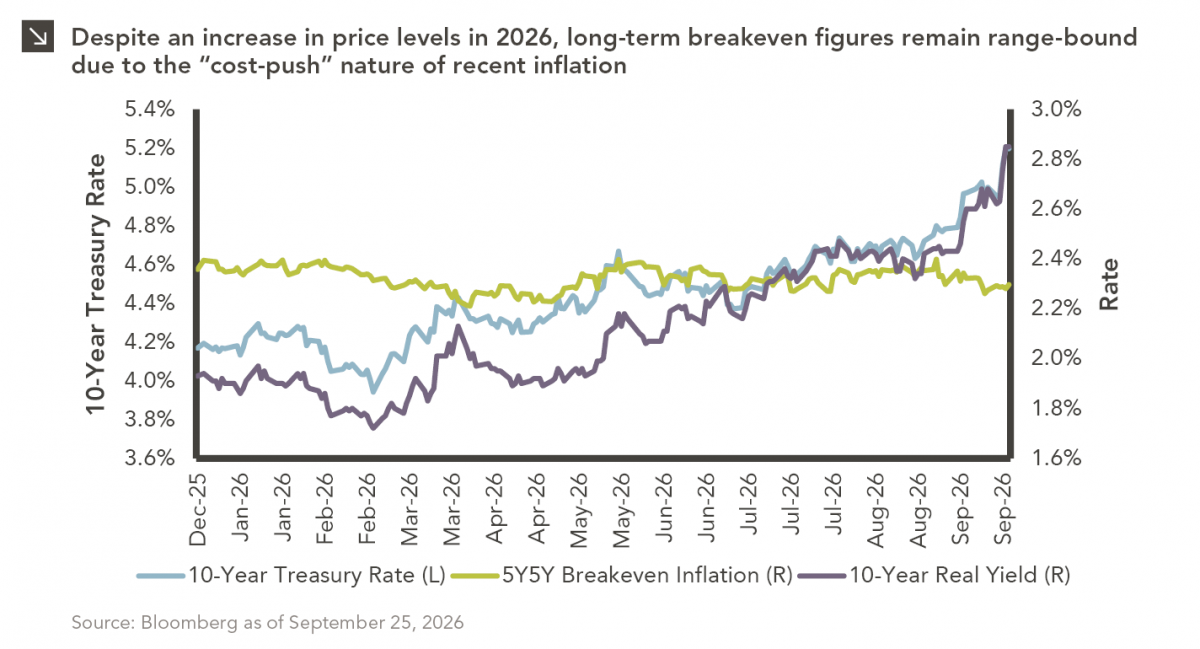
The phrase “expectations of higher inflation” has become a staple in financial news to explain the increase in nominal U.S….
09.21.2026
For much of the past several years, the conventional view has been that higher interest rates and stretched valuations would…
Research alerts keep you updated on our latest research publications. Simply enter your contact information, choose the research alerts you would like to receive and click Subscribe. Alerts will be sent as research is published.
We respect your privacy. We will never share or sell your information.
If you have questions or need further information, please contact us directly and we will respond to your inquiry within 24 hours.
Contact Us >