10.22.2026
Will Higher Rates Cramp the Markets?
Anyone who has run a marathon knows the last six miles are brutal — no matter how well the first…


Our chart this week shows the five largest bond markets in the world. We will focus on China and highlight a few reasons why the Chinese bond market is projected to overtake Japan in the next few years.
For starters, up until last year capital controls put in place by the Chinese government were designed to limit foreign investment. As a result of some newly implemented reforms since then, international investors have slowly been allowed direct access to the Chinese domestic bond market. For example, on July 3, 2017 Beijing and Hong Kong opened a trading link which will allow investors based in Hong Kong to trade directly in the Chinese bond market.
Additionally, in March Citigroup announced the inclusion of Chinese onshore bonds in several of its market indices and more recently Bloomberg announced similar plans. Inclusion in multiple market indices will aid in growth while increasing foreign investment.
Finally, new rules recently implemented in China require the country’s 22 provinces to borrow in the local government bond market instead of seeking out bank financing which had previously been the preferred route. This change should also contribute positively to the continued expansion of China’s bond market and will offer greater access to more investors.
The opinions expressed herein are those of Marquette Associates, Inc. (“Marquette”), and are subject to change without notice. This material is not financial advice or an offer to purchase or sell any product. Marquette reserves the right to modify its current investment strategies and techniques based on changing market dynamics or client needs.

10.22.2026
Anyone who has run a marathon knows the last six miles are brutal — no matter how well the first…
10.19.2026
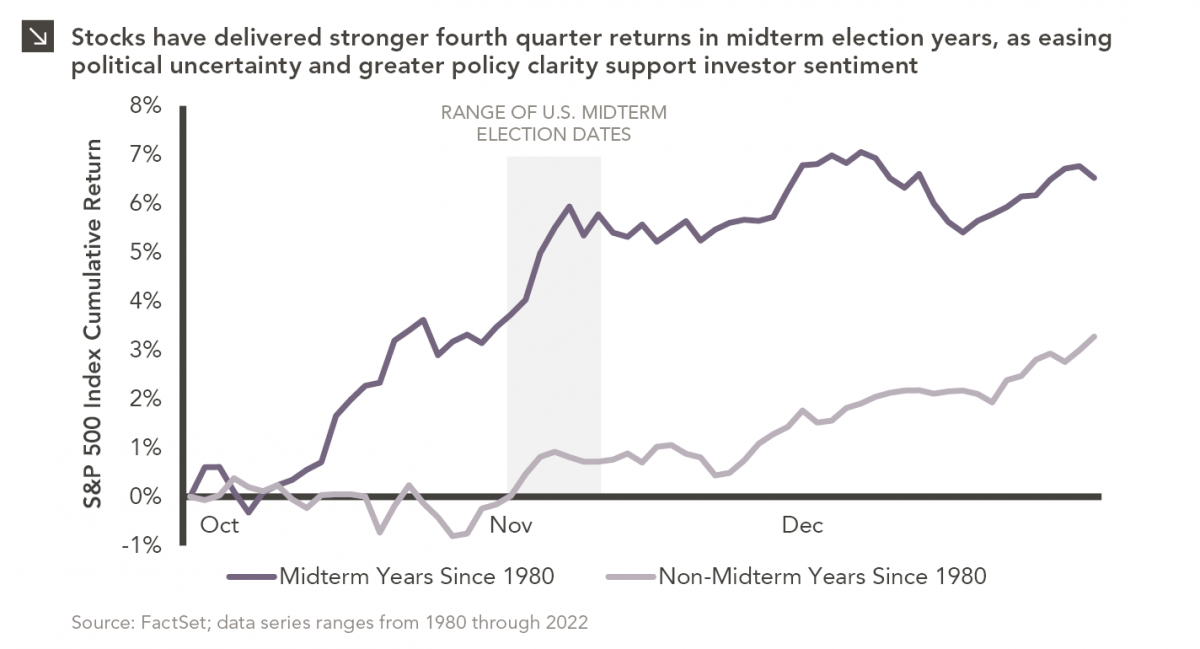
Since 1980, the S&P 500 Index has generally performed well in the weeks surrounding U.S. midterm elections. Specifically, the index…
10.12.2026
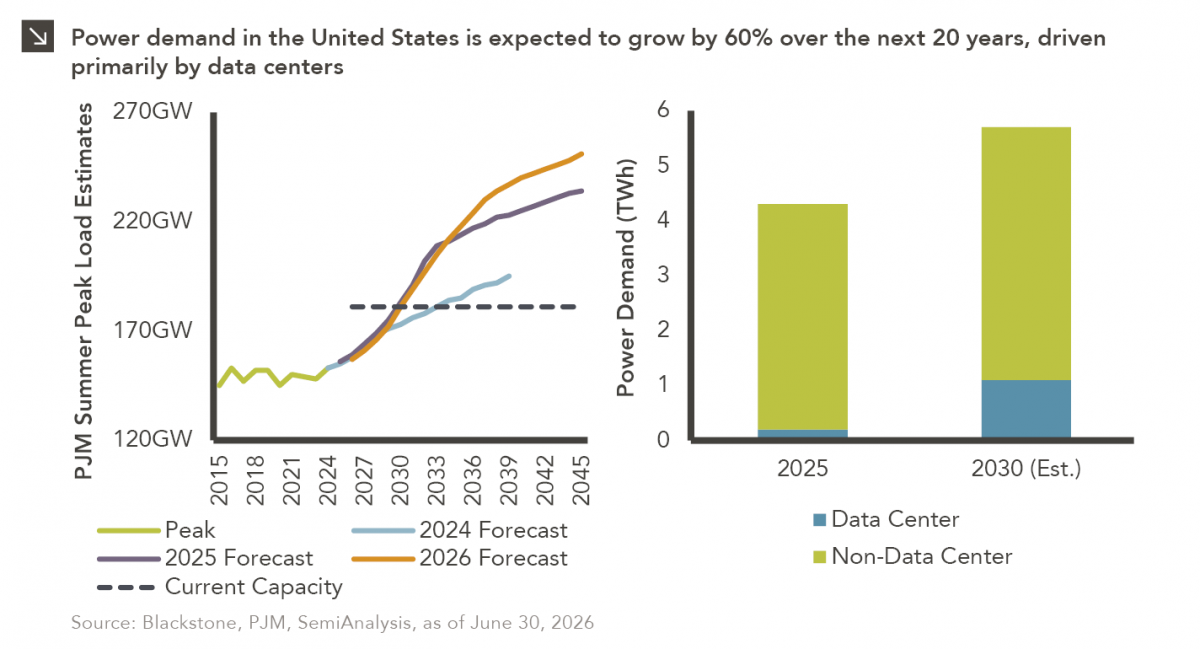
This week’s chart highlights the accelerating growth of electricity demand in the U.S., which has been driven primarily by the…

10.08.2026
LIVE WEBINAR — OCTOBER 22 Please join Marquette’s research team for our 3Q 2026 Market Insights Webinar…
10.05.2026
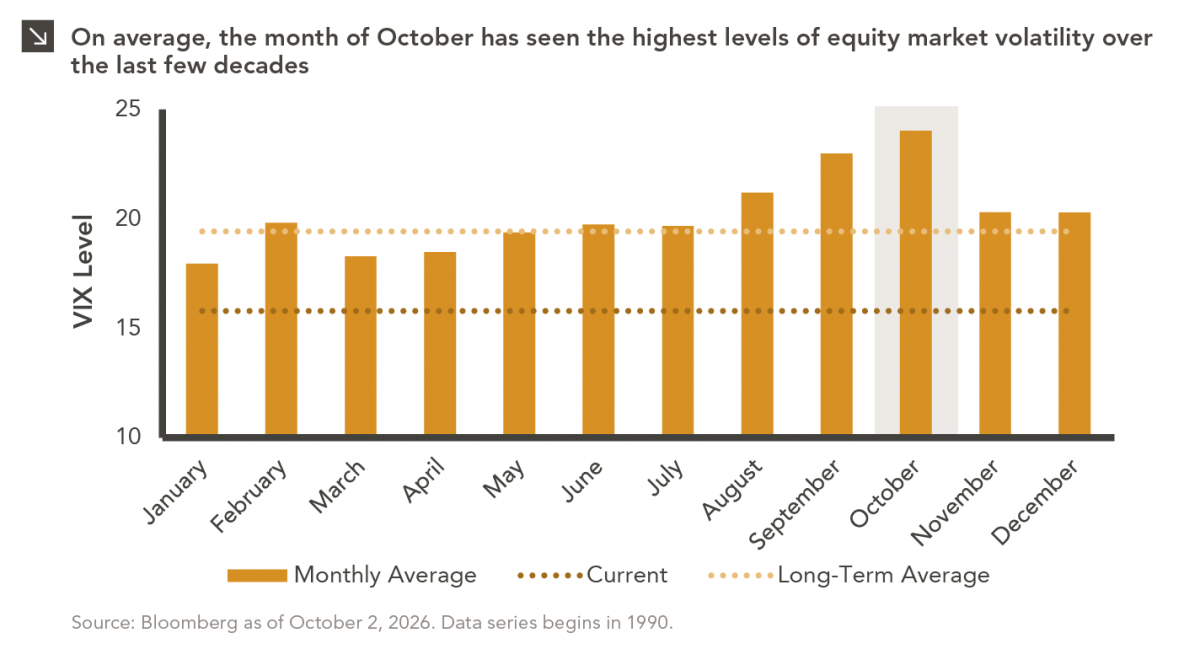
For investors, the spookiest thing about October might not be the ghosts and monsters that are bound to show up…
09.28.2026
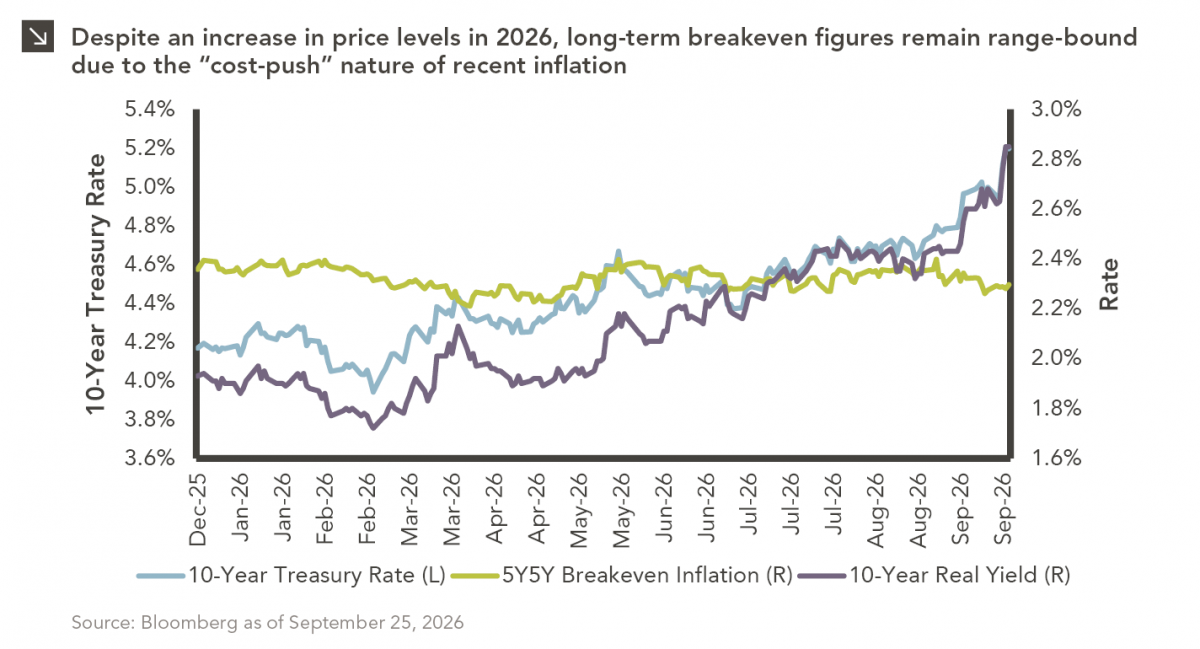
The phrase “expectations of higher inflation” has become a staple in financial news to explain the increase in nominal U.S….
Research alerts keep you updated on our latest research publications. Simply enter your contact information, choose the research alerts you would like to receive and click Subscribe. Alerts will be sent as research is published.
We respect your privacy. We will never share or sell your information.
If you have questions or need further information, please contact us directly and we will respond to your inquiry within 24 hours.
Contact Us >