Jesus Jimenez
Partner


This week’s chart of the week examines the difference in private non-financial sector debt levels as a percentage of GDP for the United States and China. Private non-financial sector includes non-financial corporations (both private-owned and public-owned), households, and non-profit institutions serving households. Rising debt levels are a concern to any economy, as higher debt as a percentage of GDP is a potential drag on growth.
In the chart above, the most striking development is that China’s debt (as a percentage of GDP) is now higher than the U.S. There are a variety of reasons for this, including deleveraging in the U.S. in the wake of the Great Recession, as well as easy credit coupled with massive infrastructure spending in China. Collectively, these trends have driven the relative debt in China higher than the U.S., which is especially worrisome for future growth prospects in China, and by extension, investments in the country. It is not surprising that investor sentiment has cooled regarding China as of late, and investors will closely watch the growing debt level in the coming years.

The opinions expressed herein are those of Marquette Associates, Inc. (“Marquette”), and are subject to change without notice. This material is not financial advice or an offer to purchase or sell any product. Marquette reserves the right to modify its current investment strategies and techniques based on changing market dynamics or client needs.
10.12.2026
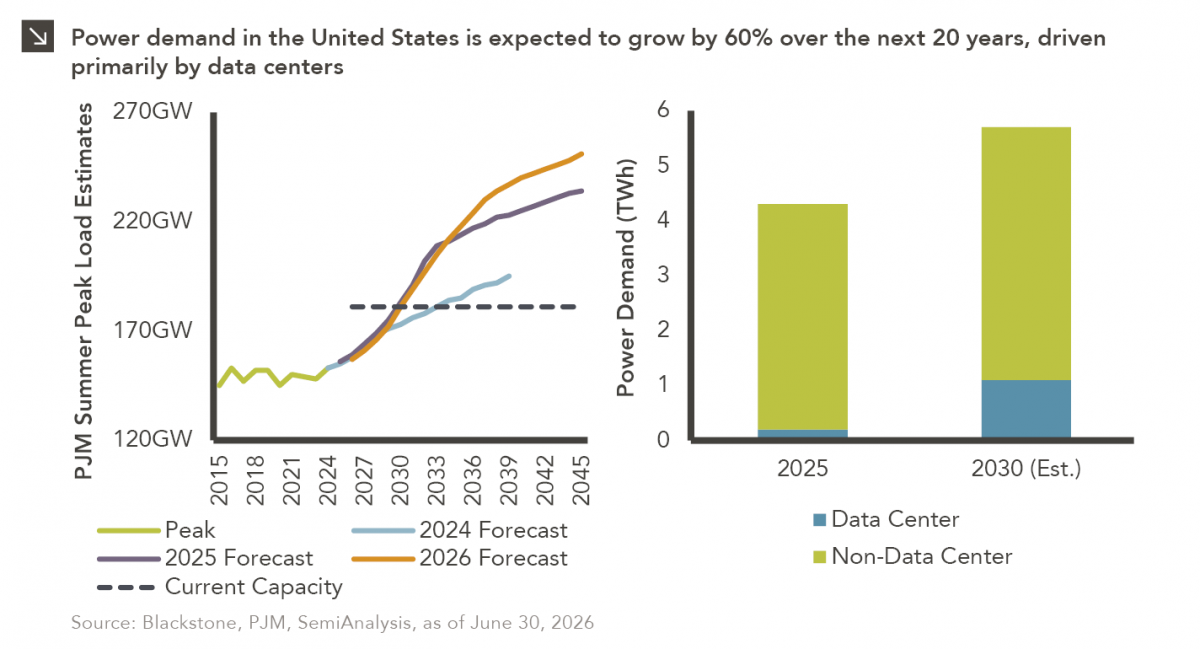
This week’s chart highlights the accelerating growth of electricity demand in the U.S., which has been driven primarily by the…

10.08.2026
LIVE WEBINAR — OCTOBER 22 Please join Marquette’s research team for our 3Q 2026 Market Insights Webinar…
10.05.2026
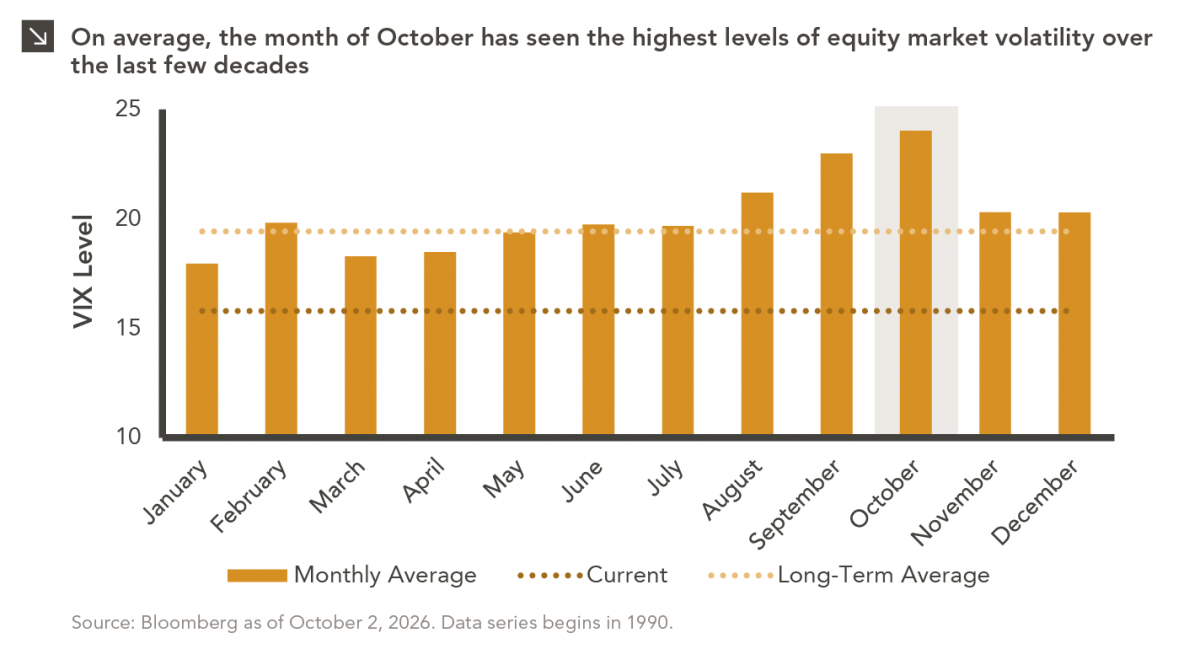
For investors, the spookiest thing about October might not be the ghosts and monsters that are bound to show up…
09.28.2026
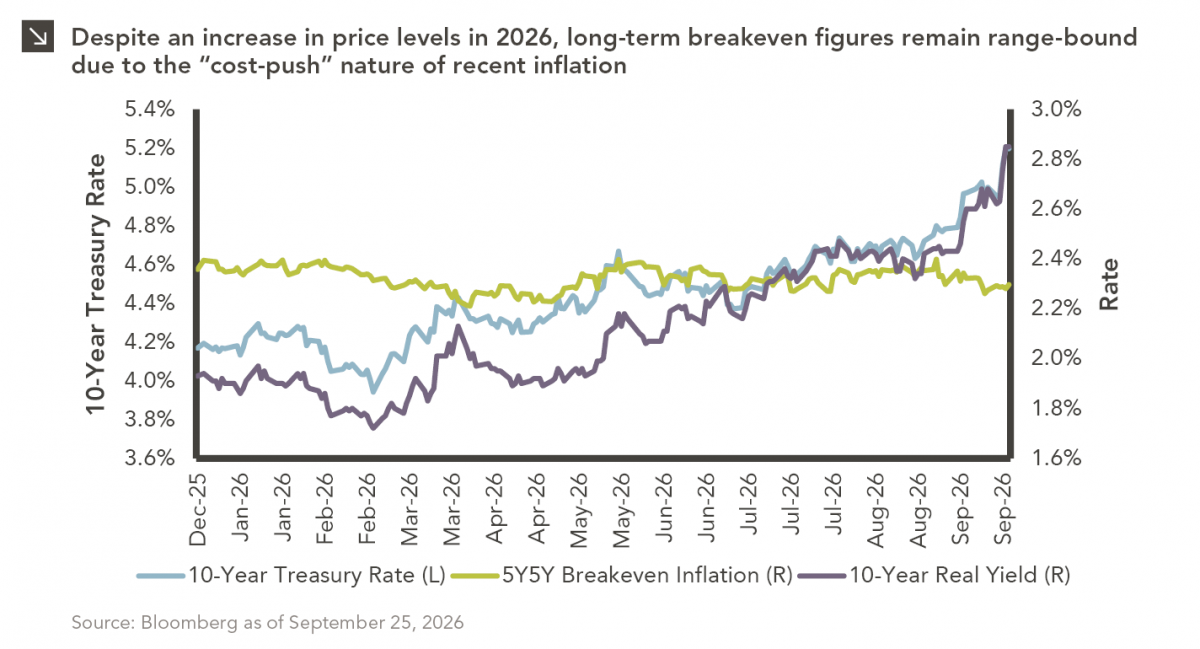
The phrase “expectations of higher inflation” has become a staple in financial news to explain the increase in nominal U.S….
09.21.2026
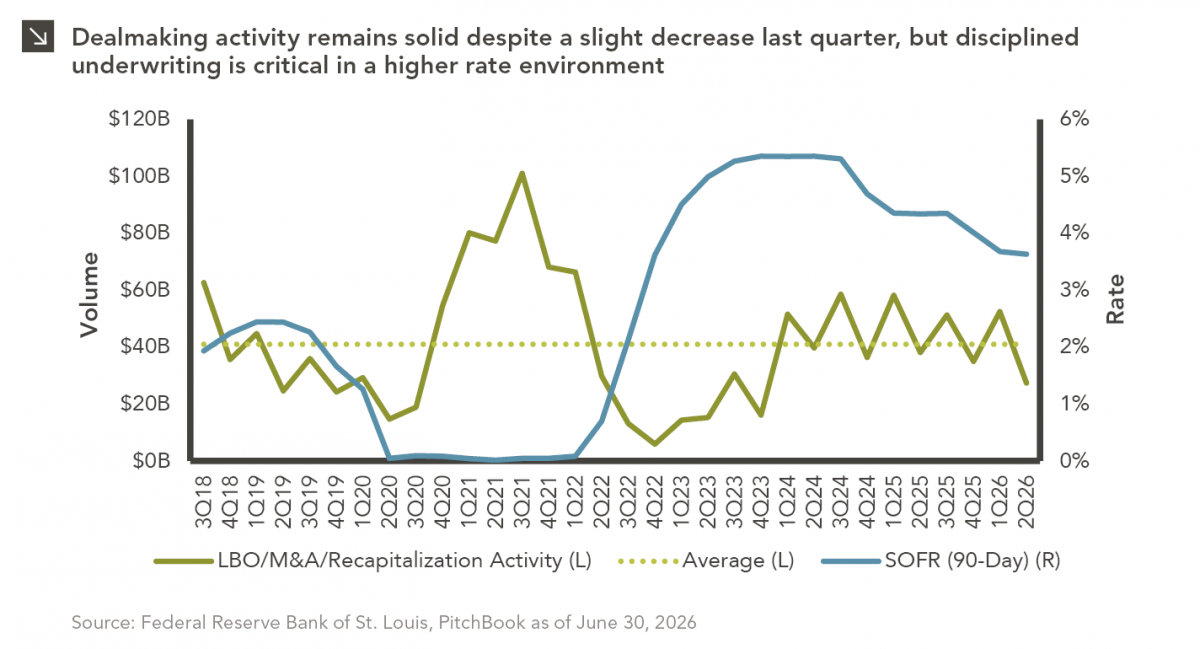
For much of the past several years, the conventional view has been that higher interest rates and stretched valuations would…
09.14.2026
There are many great things about working at Marquette Associates, but “Free Lunch Tuesday” is right at the top of…
Research alerts keep you updated on our latest research publications. Simply enter your contact information, choose the research alerts you would like to receive and click Subscribe. Alerts will be sent as research is published.
We respect your privacy. We will never share or sell your information.
If you have questions or need further information, please contact us directly and we will respond to your inquiry within 24 hours.
Contact Us >