10.22.2026
Will Higher Rates Cramp the Markets?
Anyone who has run a marathon knows the last six miles are brutal — no matter how well the first…


This week’s chart shows the significant growth in direct lending over the last decade, as indicated by the number of funds and amount of capital raised.
Direct lending is defined as a loan made by a private entity to a small–medium size company which generally carries a floating interest rate. The loans have a 3- to 5-year term and are in most cases held to maturity. For some perspective, this space was largely dominated by commercial banks and proprietary trading desks at investment banks leading up to the global financial crisis of 2008 when private lenders had little market share. The landscape has changed since then as banks now face significant regulatory pressure as a result of the Basel III and Dodd-Frank bills, which call for higher risk-based capital charges for non-rated loans and an increase of 25% or more in Tier 1 capital ratios by 2018, making the practice of direct lending an increasingly inefficient use of bank balance sheet capital.
As a result, banks today are virtually inactive in this area and direct lending by private investment managers has emerged as a natural structural replacement. On the demand side, the current low global interest rate environment is fueling increased appetite for this strategy as investors continue to search for yield and diversification in their portfolios.
The opinions expressed herein are those of Marquette Associates, Inc. (“Marquette”), and are subject to change without notice. This material is not financial advice or an offer to purchase or sell any product. Marquette reserves the right to modify its current investment strategies and techniques based on changing market dynamics or client needs.

10.22.2026
Anyone who has run a marathon knows the last six miles are brutal — no matter how well the first…
10.19.2026
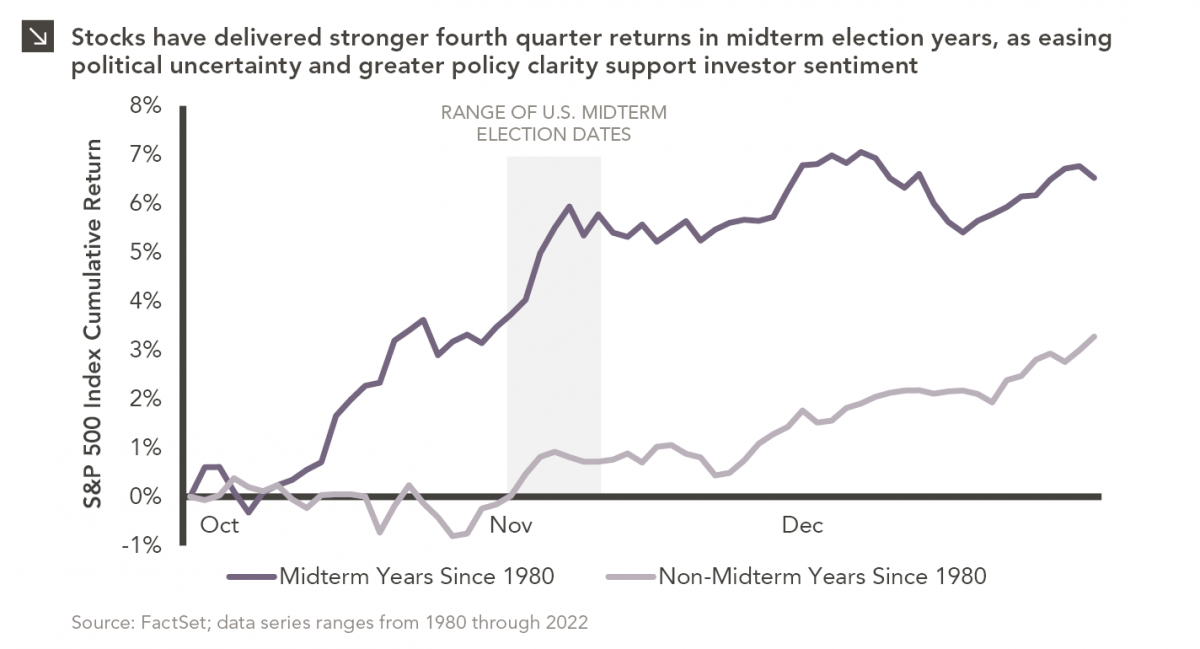
Since 1980, the S&P 500 Index has generally performed well in the weeks surrounding U.S. midterm elections. Specifically, the index…
10.12.2026
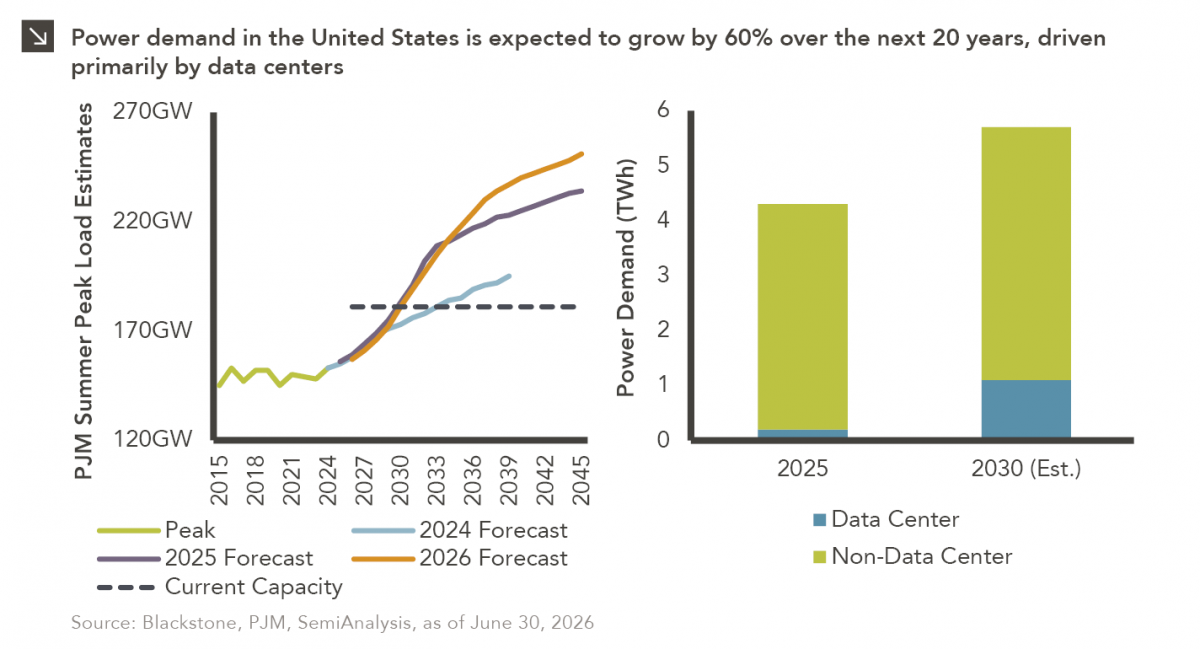
This week’s chart highlights the accelerating growth of electricity demand in the U.S., which has been driven primarily by the…

10.08.2026
LIVE WEBINAR — OCTOBER 22 Please join Marquette’s research team for our 3Q 2026 Market Insights Webinar…
10.05.2026
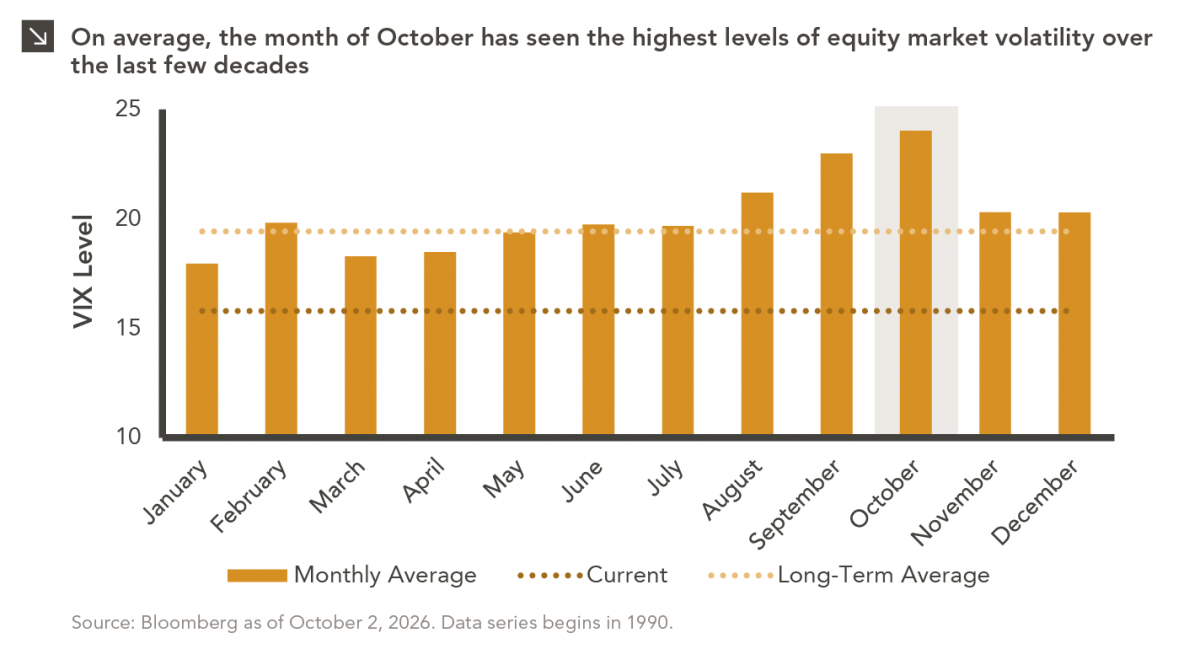
For investors, the spookiest thing about October might not be the ghosts and monsters that are bound to show up…

09.28.2026
The phrase “expectations of higher inflation” has become a staple in financial news to explain the increase in nominal U.S….
Research alerts keep you updated on our latest research publications. Simply enter your contact information, choose the research alerts you would like to receive and click Subscribe. Alerts will be sent as research is published.
We respect your privacy. We will never share or sell your information.
If you have questions or need further information, please contact us directly and we will respond to your inquiry within 24 hours.
Contact Us >