10.22.2026
Will Higher Rates Cramp the Markets?
Anyone who has run a marathon knows the last six miles are brutal — no matter how well the first…


The wait for the Federal Reserve to raise interest rates seems to be endless. Unemployment has fallen below the Fed’s desired level and inflation — when adjusted for the drop in oil prices — is just under target. At the beginning of this year, many predicted September would be the right time for it to finally happen. Even with bad news coming out of China and other parts of the world hurting domestic financial markets, until the actual meeting, economists were still split on whether there would be a rate increase. But, clearly, there wasn’t.
Data suggests that a rate hike by the Fed in September would have been poor timing. Initial rate increases generally occur during periods of strong earnings growth. But for the past year, earnings have been relatively flat, and with global economies struggling this trend doesn’t seem likely to change. Additionally, after a rate increase valuations tend to fall. With the trailing 12-month P/E ratio for the S&P 500 dropping from 18.6x to just under 17x in the last two months stock prices have already undergone a sizeable correction. Any Fed action at this point in time would likely only lead to further losses.
The opinions expressed herein are those of Marquette Associates, Inc. (“Marquette”), and are subject to change without notice. This material is not financial advice or an offer to purchase or sell any product. Marquette reserves the right to modify its current investment strategies and techniques based on changing market dynamics or client needs.

10.22.2026
Anyone who has run a marathon knows the last six miles are brutal — no matter how well the first…
10.19.2026
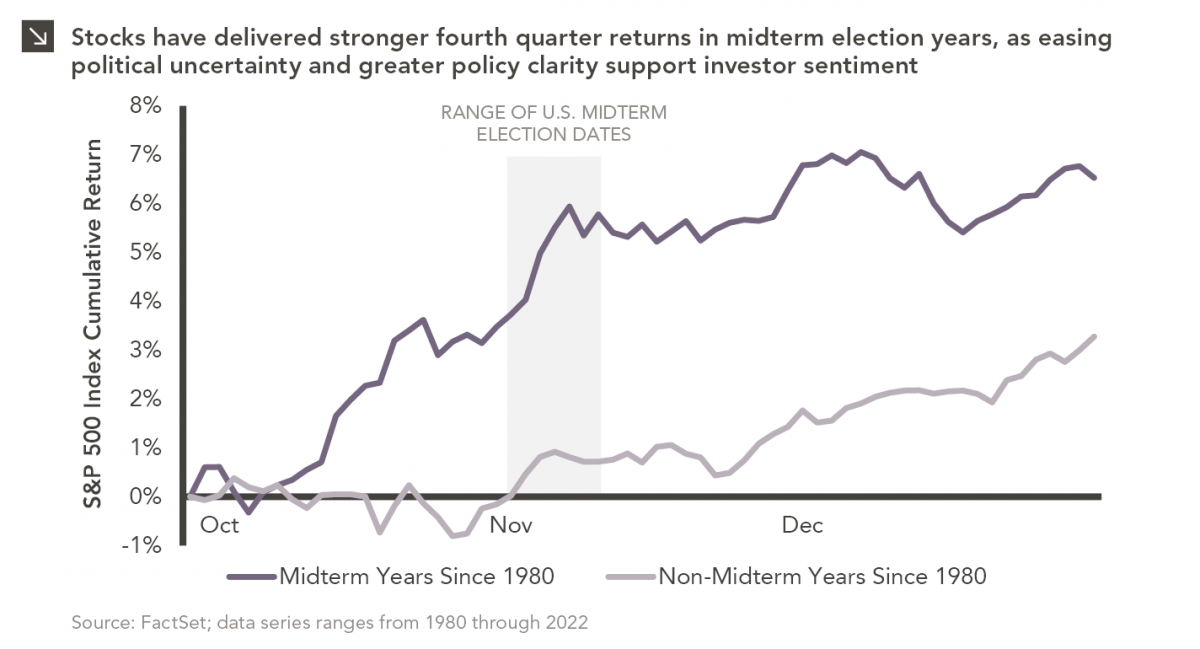
Since 1980, the S&P 500 Index has generally performed well in the weeks surrounding U.S. midterm elections. Specifically, the index…
10.12.2026
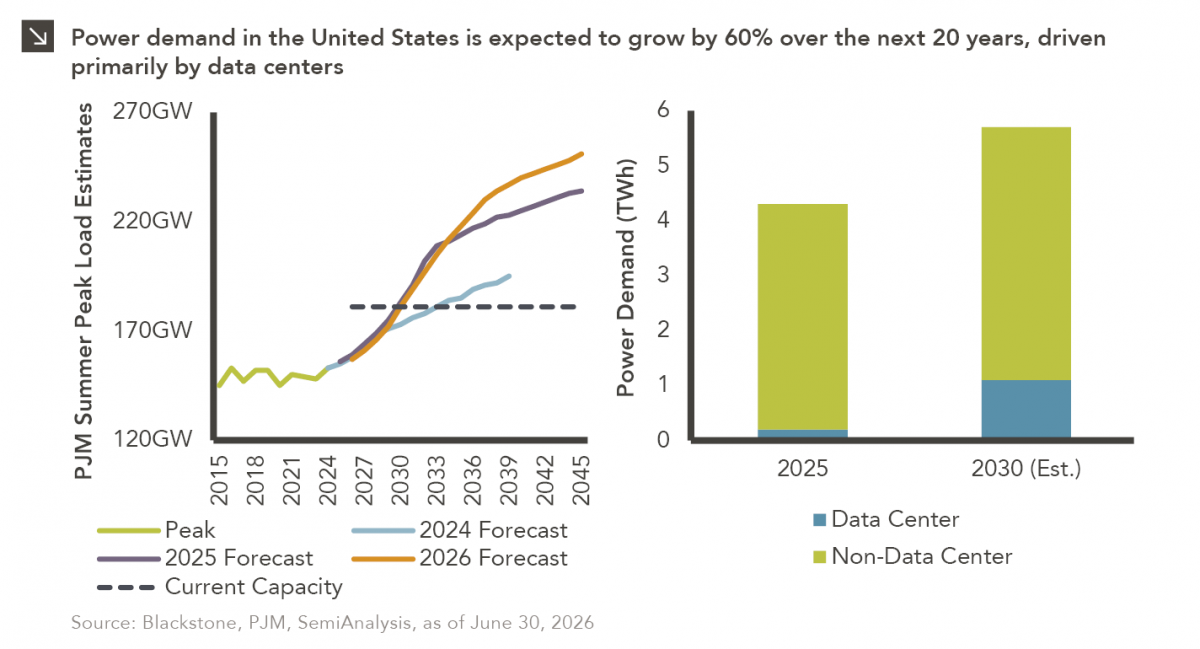
This week’s chart highlights the accelerating growth of electricity demand in the U.S., which has been driven primarily by the…

10.08.2026
LIVE WEBINAR — OCTOBER 22 Please join Marquette’s research team for our 3Q 2026 Market Insights Webinar…
10.05.2026
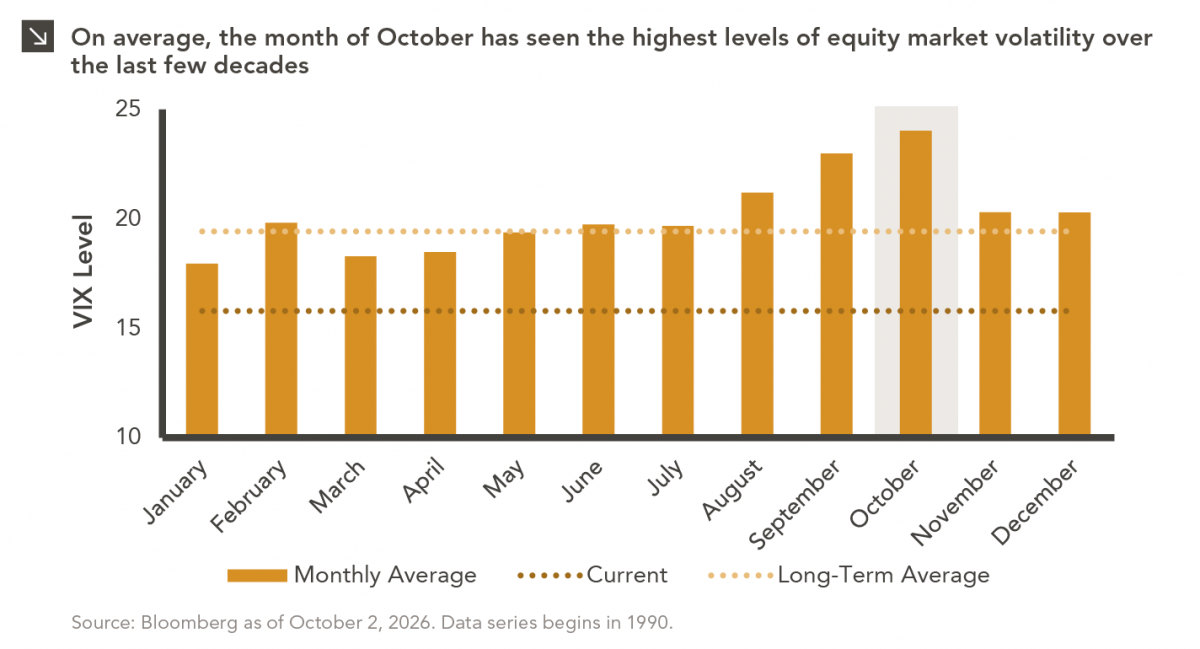
For investors, the spookiest thing about October might not be the ghosts and monsters that are bound to show up…
09.28.2026
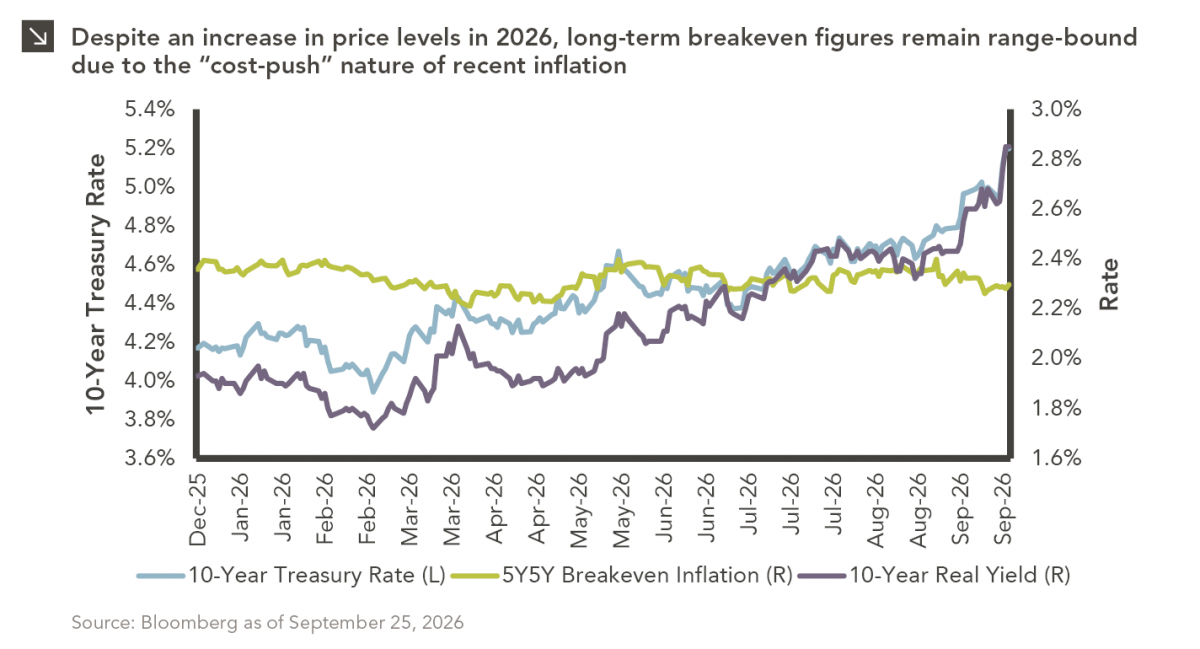
The phrase “expectations of higher inflation” has become a staple in financial news to explain the increase in nominal U.S….
Research alerts keep you updated on our latest research publications. Simply enter your contact information, choose the research alerts you would like to receive and click Subscribe. Alerts will be sent as research is published.
We respect your privacy. We will never share or sell your information.
If you have questions or need further information, please contact us directly and we will respond to your inquiry within 24 hours.
Contact Us >