10.08.2026
3Q 2026 Market Insights
This video is a recording of a live webinar held October 22 by Marquette’s research team analyzing the third quarter…


With U.S. equities enjoying the second longest bull market run on record, it has become a frequent occurrence to see equity indices hit new closing highs. The S&P 500 has recorded 39 new closing highs during the first three quarters of 2017 alone. A noteworthy milestone recently occurred for the S&P 500 Information Technology (“IT”) sector. This sector now trades at levels above its prior March 2000 dot-com peak. IT is the best performing sector of the S&P 500 thus far in 2017 with a year-to-date return of +27.4% through September and is now the largest weighted sector in the S&P 500 with a weight of 23.2%. Like most sectors of U.S. equities, the information technology sector trades near the high end of its historical valuation range. Strong performance from this sector in recent years has led to comparisons with the prior dot-com bubble, but is this time different?
While few would disagree that we are nearing the later stages of the current market cycle, the typical excess and euphoria seen in prior market peaks do not appear to be present. Compared to the prior dot-com peak, the information technology sector today is on noticeably better footing. Companies in this sector today tend to have healthier balance sheets and hold greater cash levels. Valuations, while elevated, are not nearly as overvalued as the prior peak. On a 12-month forward P/E basis, the IT sector trades at 19.5x versus a level of 56x seen in March 2000. There are certainly individual cases of overvalued securities, but in aggregate the sector is valued much more reasonably than during 2000. Additionally, the main driver of long-term stock returns has historically been growth in corporate earnings. Today, the IT sector generates healthy levels of earnings growth and cash flows; many companies during the dot-com era did not have actual earnings to justify their lofty valuations. While market bubbles are only identified on a post-mortem basis, investors today can at least take comfort in knowing that the IT sector possesses healthier fundamentals and less euphoric valuations than seen in the past.
The opinions expressed herein are those of Marquette Associates, Inc. (“Marquette”), and are subject to change without notice. This material is not financial advice or an offer to purchase or sell any product. Marquette reserves the right to modify its current investment strategies and techniques based on changing market dynamics or client needs.
The opinions expressed herein are those of Marquette Associates, Inc. (“Marquette”), and are subject to change without notice. This material is not financial advice or an offer to purchase or sell any product. Marquette reserves the right to modify its current investment strategies and techniques based on changing market dynamics or client needs.

10.08.2026
This video is a recording of a live webinar held October 22 by Marquette’s research team analyzing the third quarter…

10.22.2026
Anyone who has run a marathon knows the last six miles are brutal — no matter how well the first…
10.19.2026
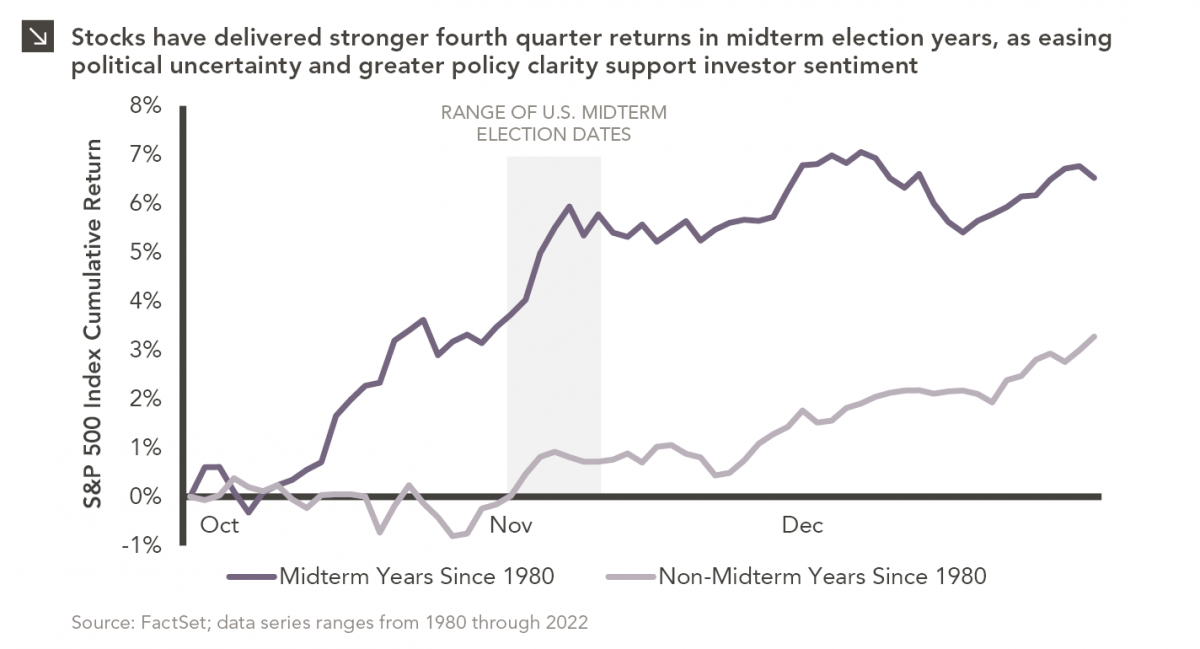
Since 1980, the S&P 500 Index has generally performed well in the weeks surrounding U.S. midterm elections. Specifically, the index…
10.12.2026
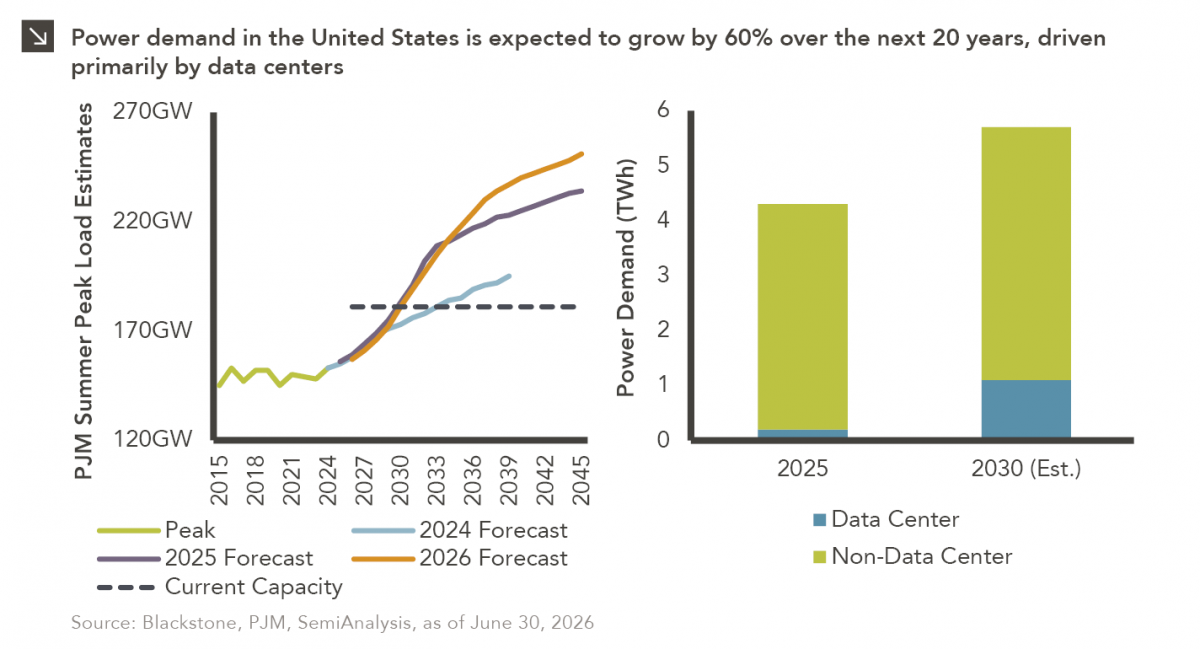
This week’s chart highlights the accelerating growth of electricity demand in the U.S., which has been driven primarily by the…
10.05.2026
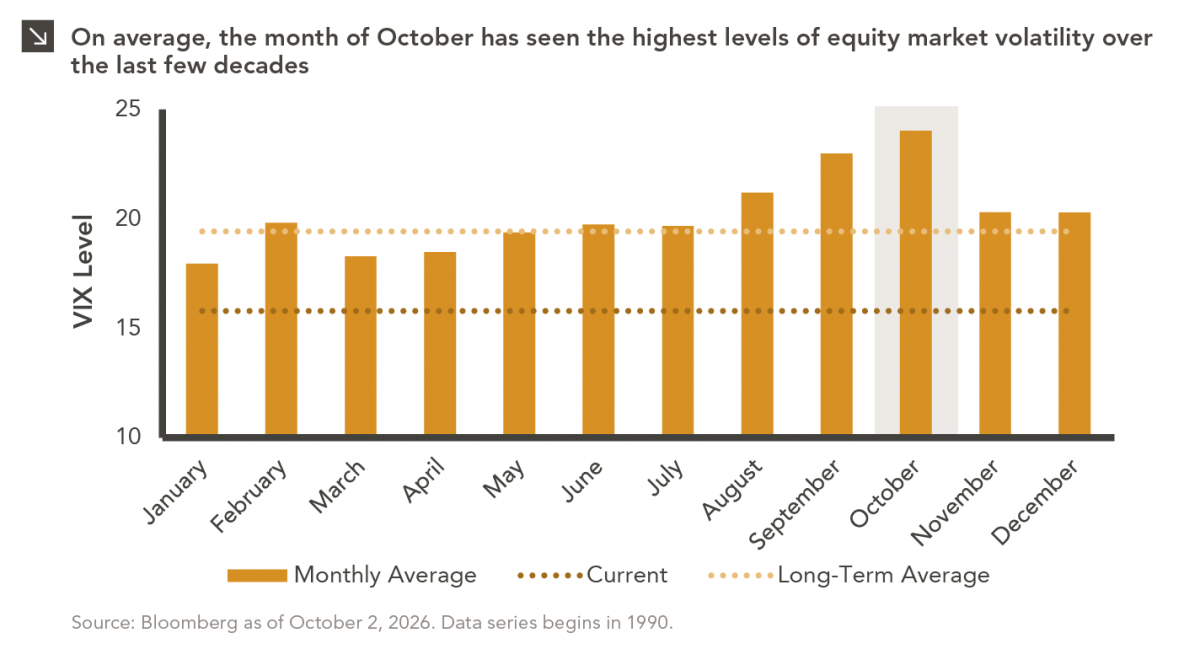
For investors, the spookiest thing about October might not be the ghosts and monsters that are bound to show up…
09.28.2026
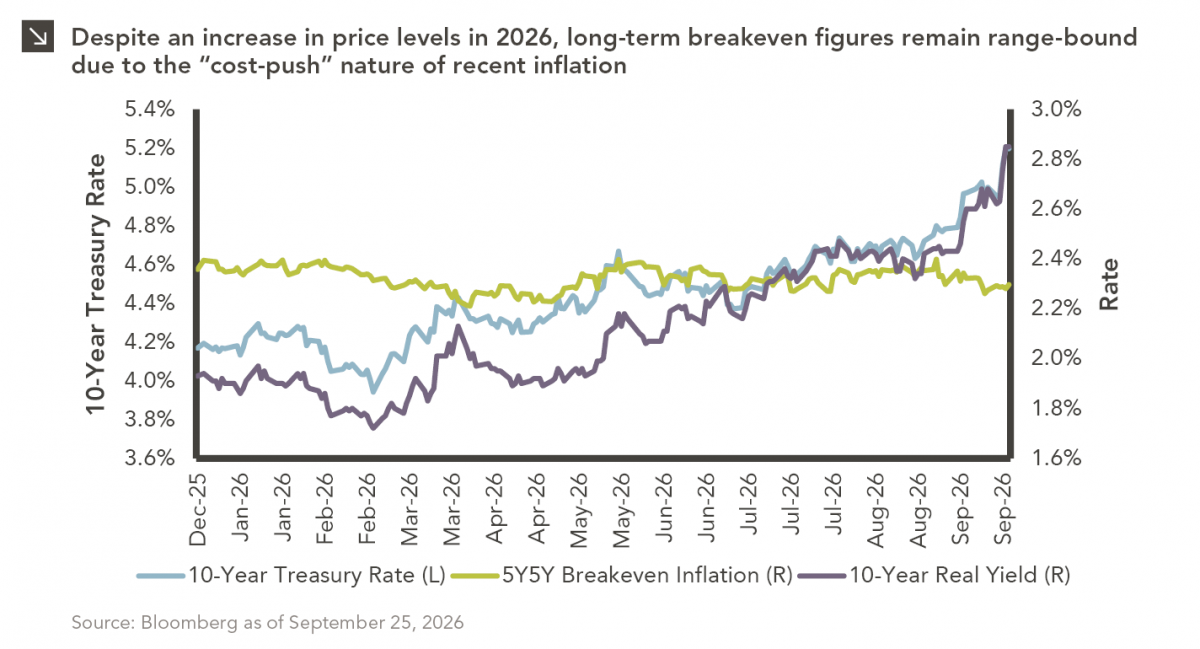
The phrase “expectations of higher inflation” has become a staple in financial news to explain the increase in nominal U.S….
Research alerts keep you updated on our latest research publications. Simply enter your contact information, choose the research alerts you would like to receive and click Subscribe. Alerts will be sent as research is published.
We respect your privacy. We will never share or sell your information.
If you have questions or need further information, please contact us directly and we will respond to your inquiry within 24 hours.
Contact Us >