10.08.2026
3Q 2026 Market Insights
This video is a recording of a live webinar held October 22 by Marquette’s research team analyzing the third quarter…


This special second edition Chart of the Week shows weekly initial jobless claims going back to 2007. Last week’s number came in at an unprecedented 3.3 million people, a near 12x increase from the previous week and 5x the previous largest jump in unemployment. Perhaps more alarming is that this number might not tell the whole story of the unemployment picture.
Ten states saw more than 100,000 people file for unemployment this week; however, due to low staffing and budgets, many claims could not be properly processed and included in the data. Granted, the number is likely higher as multiple states — Illinois included — have issued a stay-at-home order for non-essential employees due to COVID-19. The restaurant, airline, retail, and hotel industries have been hit especially hard with many Americans depending on a stimulus package to tide them over until the virus can be effectively tamed. Many small businesses have been forced to let employees go as they have been unable to generate cash flow.
On a more positive note, Amazon, CVS, and Walmart have been looking to hire thousands of employees as they receive increased demand from customers looking to purchase more goods as a result of being at home. If the virus is contained, the hope is that jobs will pick back up and companies will re-hire relatively quickly, though the question on when that might happen is one that is yet to be answered.
Print PDF > Initial Weekly Jobless Claims Surge Due to COVID-19
The opinions expressed herein are those of Marquette Associates, Inc. (“Marquette”), and are subject to change without notice. This material is not financial advice or an offer to purchase or sell any product. Marquette reserves the right to modify its current investment strategies and techniques based on changing market dynamics or client needs.

10.08.2026
This video is a recording of a live webinar held October 22 by Marquette’s research team analyzing the third quarter…

10.22.2026
Anyone who has run a marathon knows the last six miles are brutal — no matter how well the first…
10.19.2026
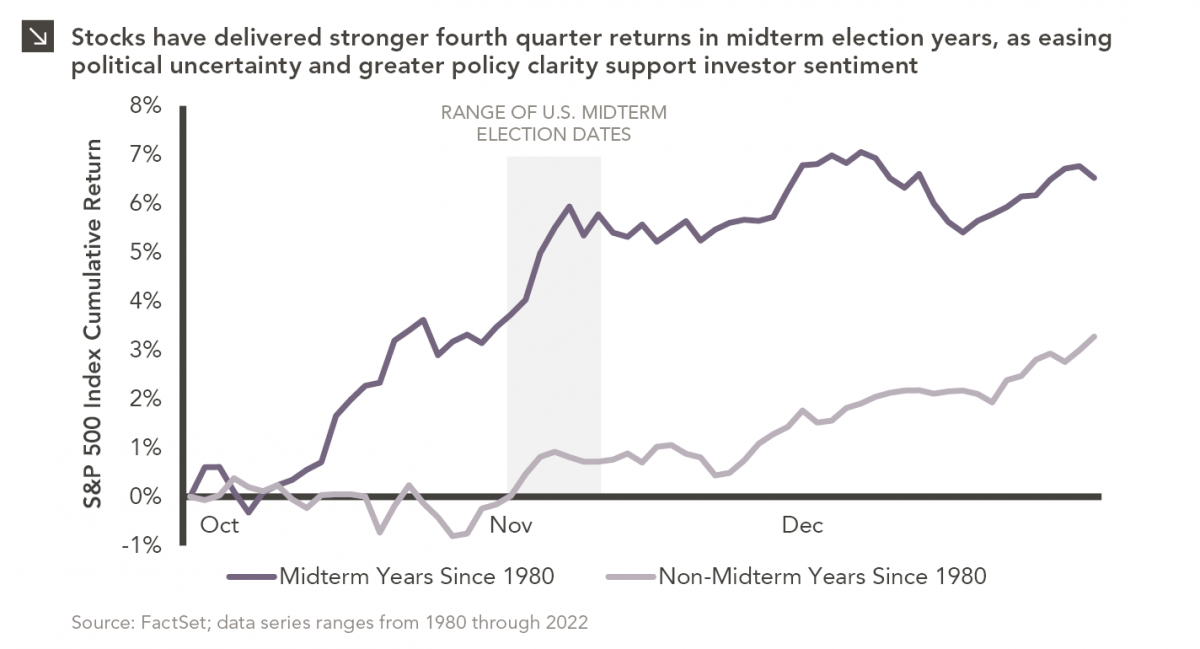
Since 1980, the S&P 500 Index has generally performed well in the weeks surrounding U.S. midterm elections. Specifically, the index…
10.12.2026
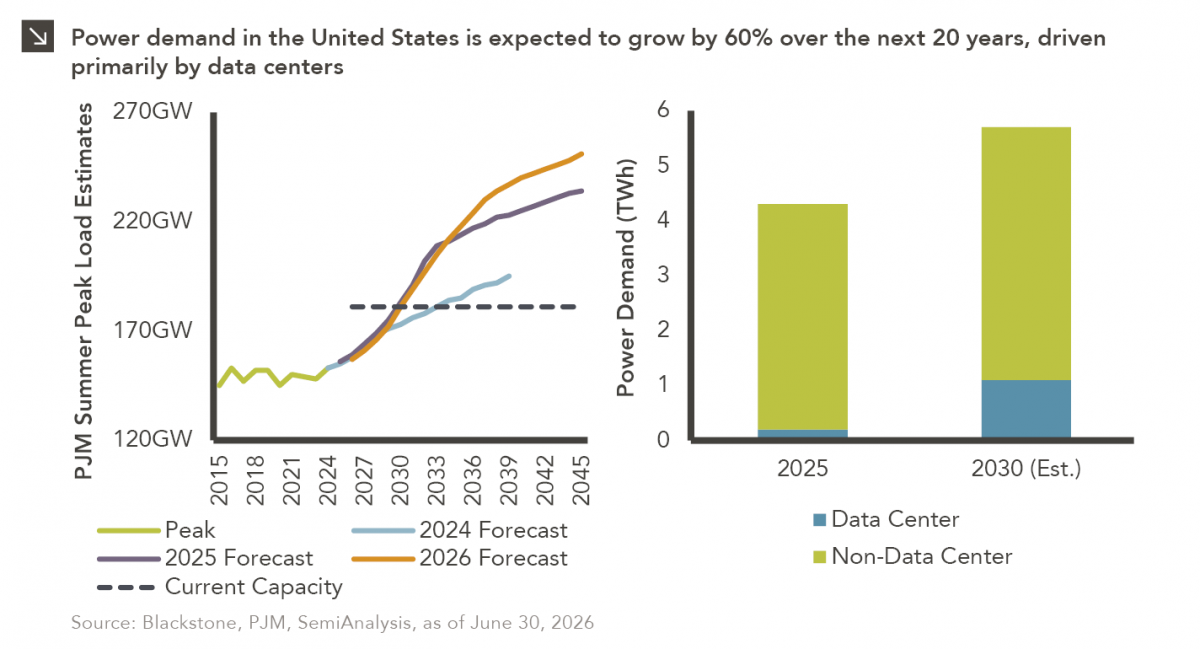
This week’s chart highlights the accelerating growth of electricity demand in the U.S., which has been driven primarily by the…
10.05.2026
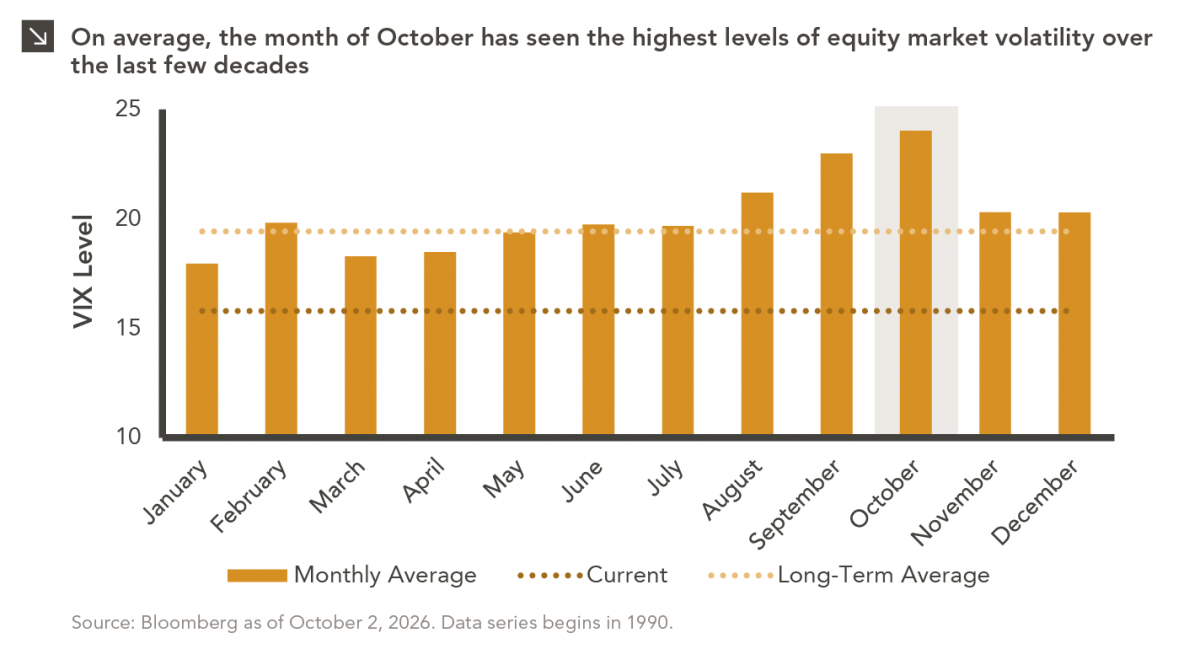
For investors, the spookiest thing about October might not be the ghosts and monsters that are bound to show up…
09.28.2026
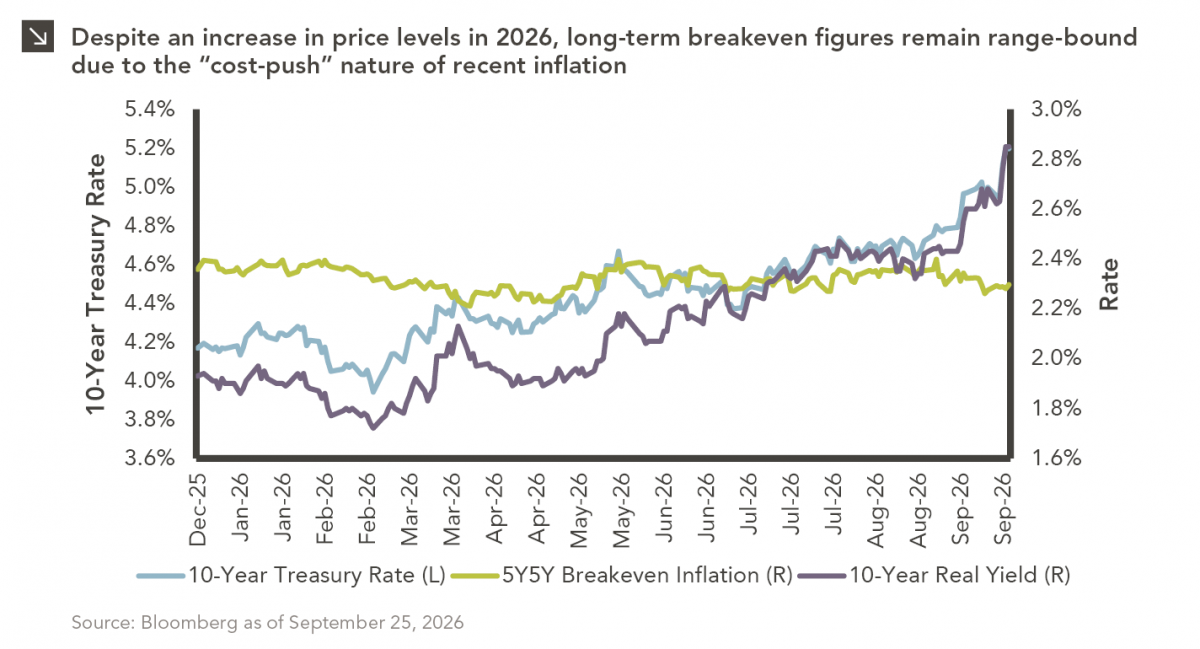
The phrase “expectations of higher inflation” has become a staple in financial news to explain the increase in nominal U.S….
Research alerts keep you updated on our latest research publications. Simply enter your contact information, choose the research alerts you would like to receive and click Subscribe. Alerts will be sent as research is published.
We respect your privacy. We will never share or sell your information.
If you have questions or need further information, please contact us directly and we will respond to your inquiry within 24 hours.
Contact Us >