11.09.2026
C’s Get Degrees (of Pain)
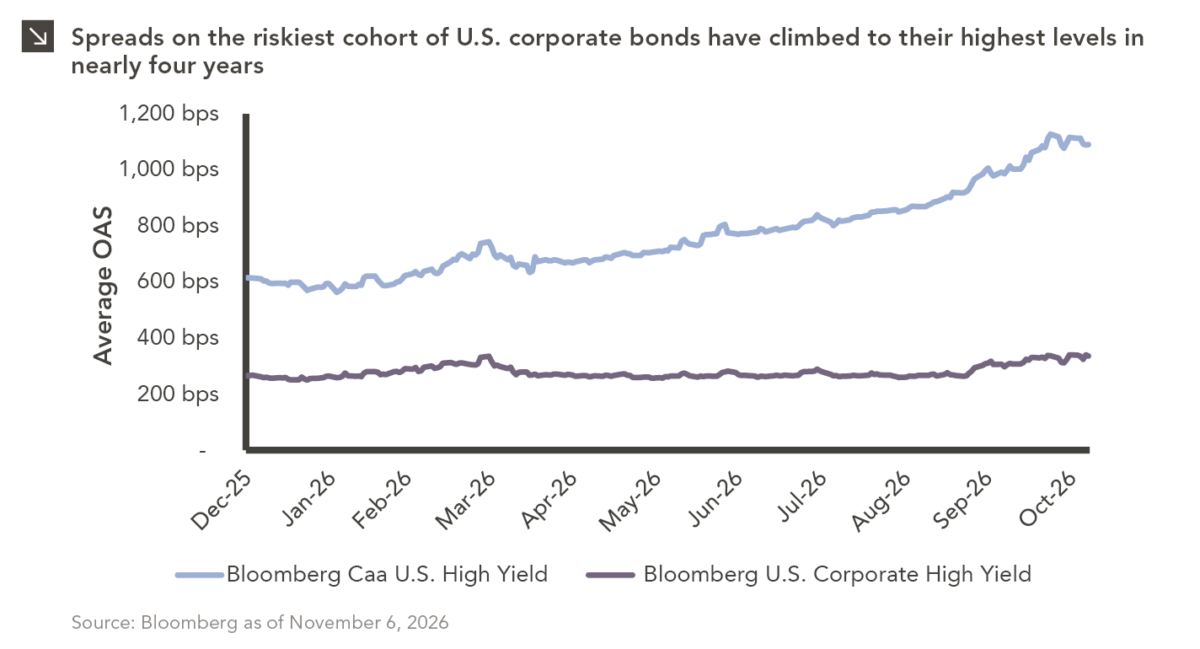
The U.S. distressed debt market is showing increasingly pronounced signs of stress. As of this writing, option-adjusted spreads on CCC-rated…


Recent events have strengthened the case for Emerging Markets Debt (EMD). Our chart of the week shows how yields for local and hard currency strategies are above their historical averages and are an attractive opportunity as we begin 2017.
The European Central Bank extended stimulus by nine months, albeit at €60 billion per month instead of the original €80 billion per month. Trump’s trade policy proposal is largely isolated to China, and his immigration policy may have a positive effect on Mexico given that its consumer pool and labor force may grow as a result. Lastly, the price of oil is on the rise with the recent OPEC deal, which is a positive for EM oil exporters. All of these facts support an allocation to EMD.
If Trump’s infrastructure policy is enacted we would expect commodity prices to rise, which would be a tailwind for EM commodity exporters. If Trump’s trade policy is adopted, it should be a headwind for EM manufacturers. But overall, EMD fundamentals are attractive. Current accounts of EM countries are stronger and leverage is still low relative to developed market countries. Spreads are at wide levels and yields are high, which provide a cushion for any downside. In total, EMD offers diversification, yield, and upside potential and should contribute to positive returns for investors in 2017.
The opinions expressed herein are those of Marquette Associates, Inc. (“Marquette”), and are subject to change without notice. This material is not financial advice or an offer to purchase or sell any product. Marquette reserves the right to modify its current investment strategies and techniques based on changing market dynamics or client needs.
11.09.2026
The U.S. distressed debt market is showing increasingly pronounced signs of stress. As of this writing, option-adjusted spreads on CCC-rated…
11.02.2026
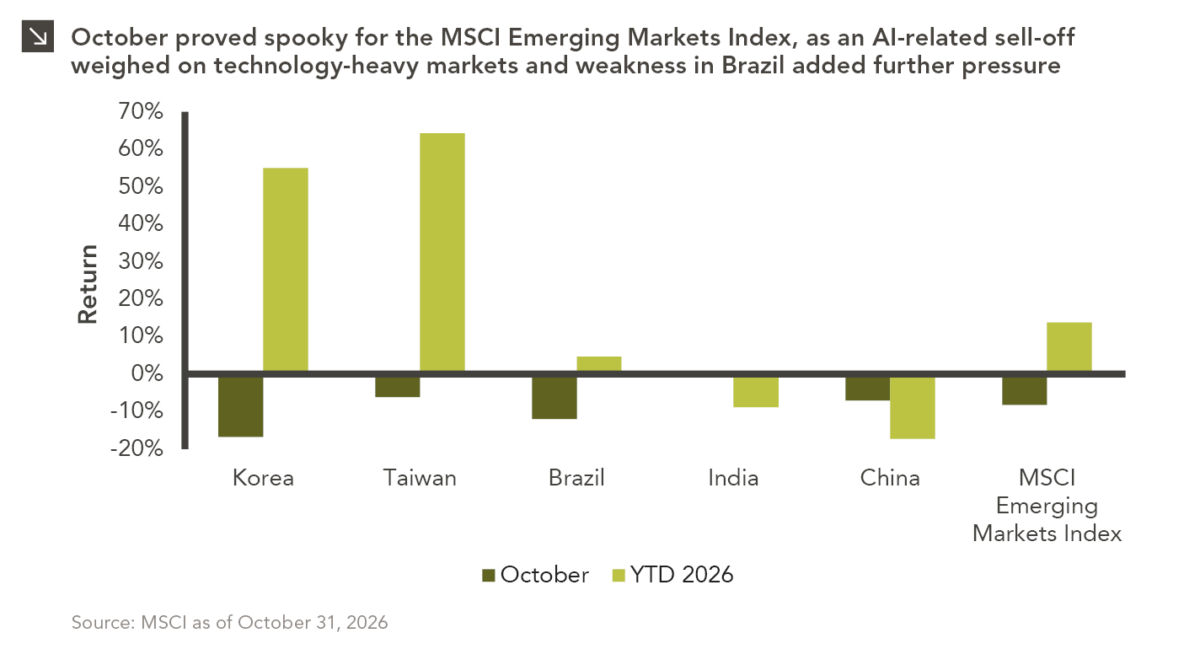
Emerging markets faced a challenging October, with the space declining by around 8.3% amid renewed concerns over the sustainability of…
10.26.2026
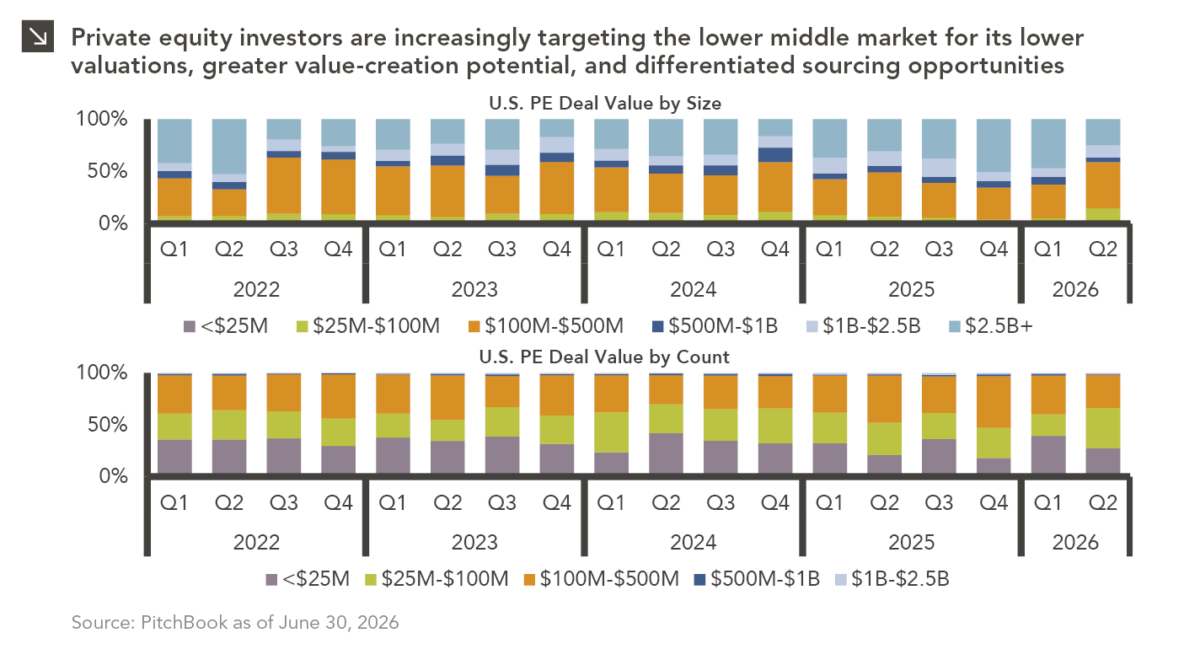
Private equity activity is increasingly shifting toward smaller transactions, with total deal value for transactions of $100 million or less…
10.19.2026
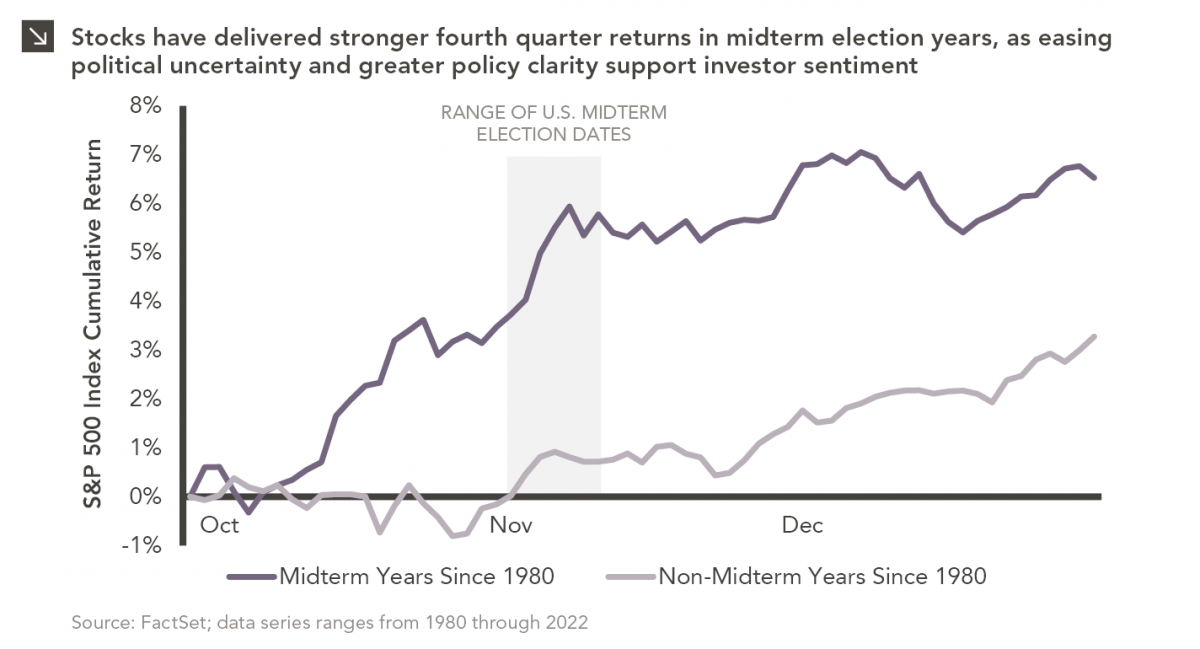
Since 1980, the S&P 500 Index has generally performed well in the weeks surrounding U.S. midterm elections. Specifically, the index…
10.12.2026
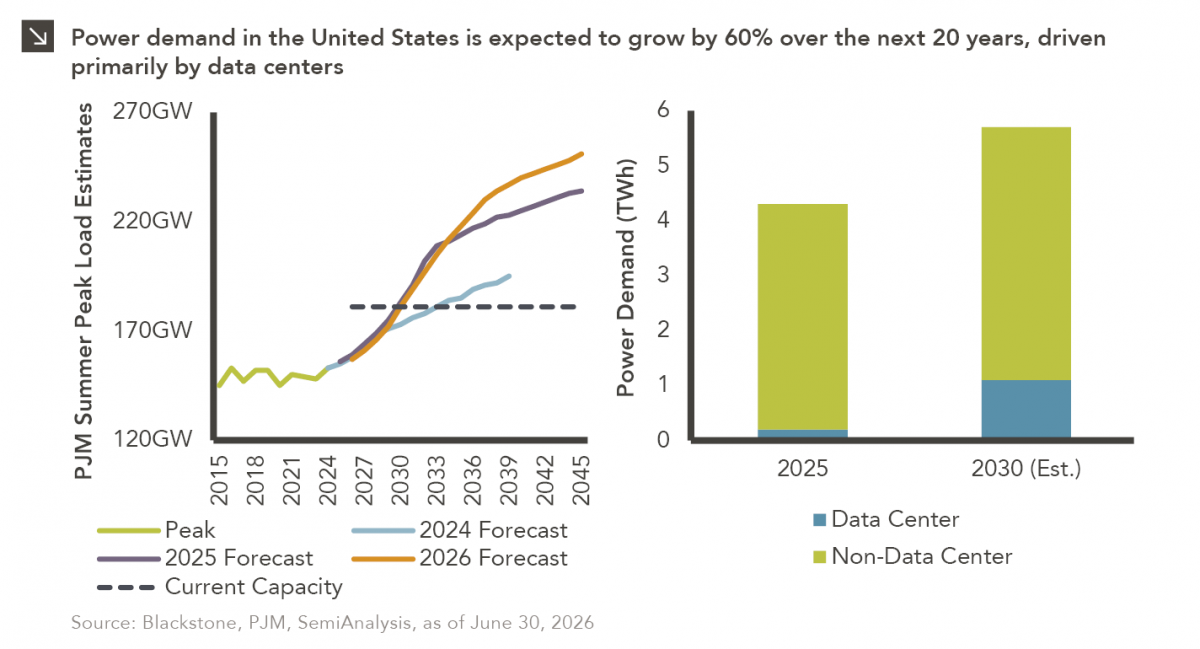
This week’s chart highlights the accelerating growth of electricity demand in the U.S., which has been driven primarily by the…
10.05.2026
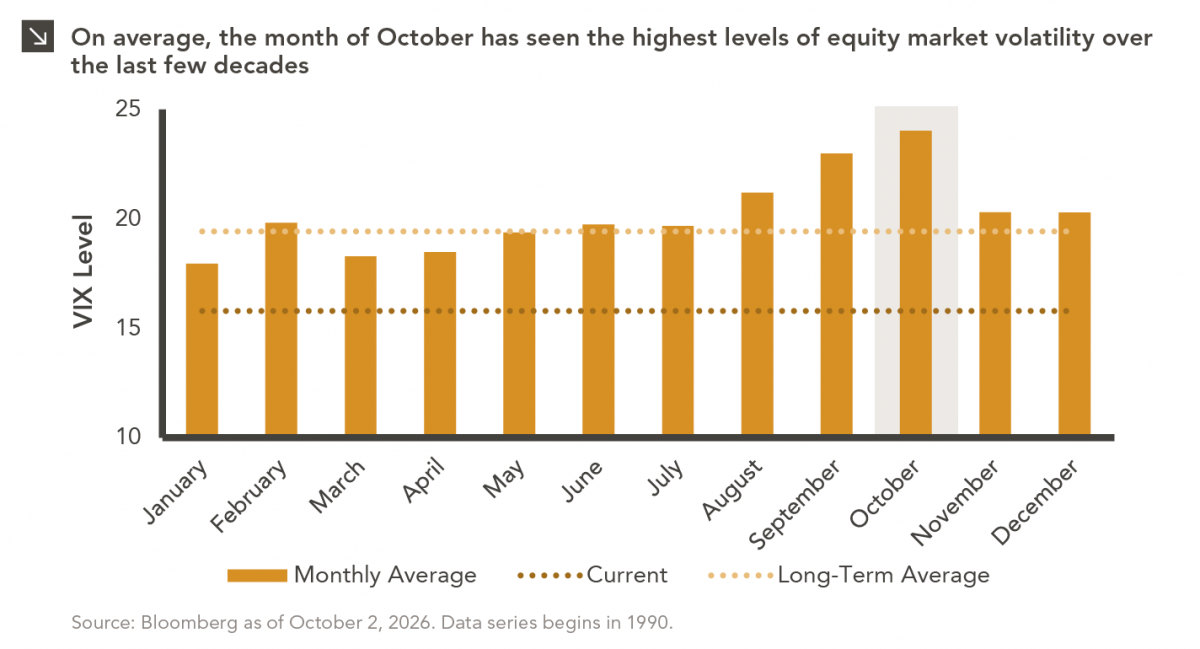
For investors, the spookiest thing about October might not be the ghosts and monsters that are bound to show up…
Research alerts keep you updated on our latest research publications. Simply enter your contact information, choose the research alerts you would like to receive and click Subscribe. Alerts will be sent as research is published.
We respect your privacy. We will never share or sell your information.
If you have questions or need further information, please contact us directly and we will respond to your inquiry within 24 hours.
Contact Us >