Nic Solecki, CBDA
Research Analyst


Despite mixed performance to start 2024, bitcoin finished the first quarter up roughly 68%. Buoyed by a broad weakening of foreign currencies, persistent inflationary pressures, and the January launch of almost a dozen U.S. spot-based ETFs, an extended February rally drove bitcoin’s market value to several all-time highs, peaking around $73,000 in mid-March. In the face of a relatively remarkable ascension, observers may find themselves wondering if bitcoin’s recent values are fundamentally justified or if they are simply the latest bout of speculative frenzy.
Before delving in, it’s crucial to understand the distinction between market values and fair values. Market values are the day-to-day prices of an asset that tend to fluctuate due to a dynamic interplay of supply, demand, immediate market conditions, and investor behavior. Fair values, on the other hand, represent the intrinsic worth of an asset based on its underlying economic fundamentals. In the context of a currency, inflation rates provide insight into current and future purchasing power, while yields help assess the potential attractiveness and risk of an investment. By analyzing the relative differences in these factors for a currency pair at a given point in time, investors can gauge whether a currency is relatively overvalued or undervalued.
While it is debatable whether bitcoin can be truly be labeled as a currency, we approach this analysis with that presumption, and readily recognize that the infancy of bitcoin and the broader cryptocurrency market lends itself to a wide measure of valuation methods. That said, illustrated above in blue is the discounted value of bitcoin, flanked by its implied fair value range in light teal.¹ Since currencies are free-floating and often subjected to speculative short-term shocks, and because rate environments can shift relatively quickly, fair value ranges tend to be more useful for analysis than a single point-in-time value. As such, the fair value range highlighted in teal reflects the historical variance of discounted values. Critically, the spot price of bitcoin consistently falls within the fair values computed by the model, which allows us to assess today’s price versus the range computed by our model.
So, is bitcoin overvalued or undervalued? Based on the ranges and values implied by the terminal discounted cash flow method, bitcoin appears to have closed the first quarter at elevated levels and moderated near its discounted fair value in April. It is important to reiterate several points. The discounted cash flow method used in this analysis is one of several potential methods for valuation, and other conclusions will likely vary. Floating currency and cryptocurrency valuations are dynamic, constantly shifting with inflation, real yields, and other factors. The fair values illustrated above are exclusive to the U.S. dollar and bitcoin; their bearing on the relative valuations of other currencies has not been expressed or implied. This point-in-time analysis should not be interpreted as forward-looking as past performance trends do not guarantee future results. Ultimately, this is one take on analyzing the price of bitcoin within a historical context and an eye on forward price behavior. Future price behavior will provide further opportunities to validate this approach to pricing.
¹The discounted terminal values of bitcoin are based on a discounted cashflow model that incorporates U.S. Treasury rates and bitcoin mining rewards with an imputed risk premium.
Print PDF
The opinions expressed herein are those of Marquette Associates, Inc. (“Marquette”), and are subject to change without notice. This material is not financial advice or an offer to purchase or sell any product. Marquette reserves the right to modify its current investment strategies and techniques based on changing market dynamics or client needs.
10.12.2026
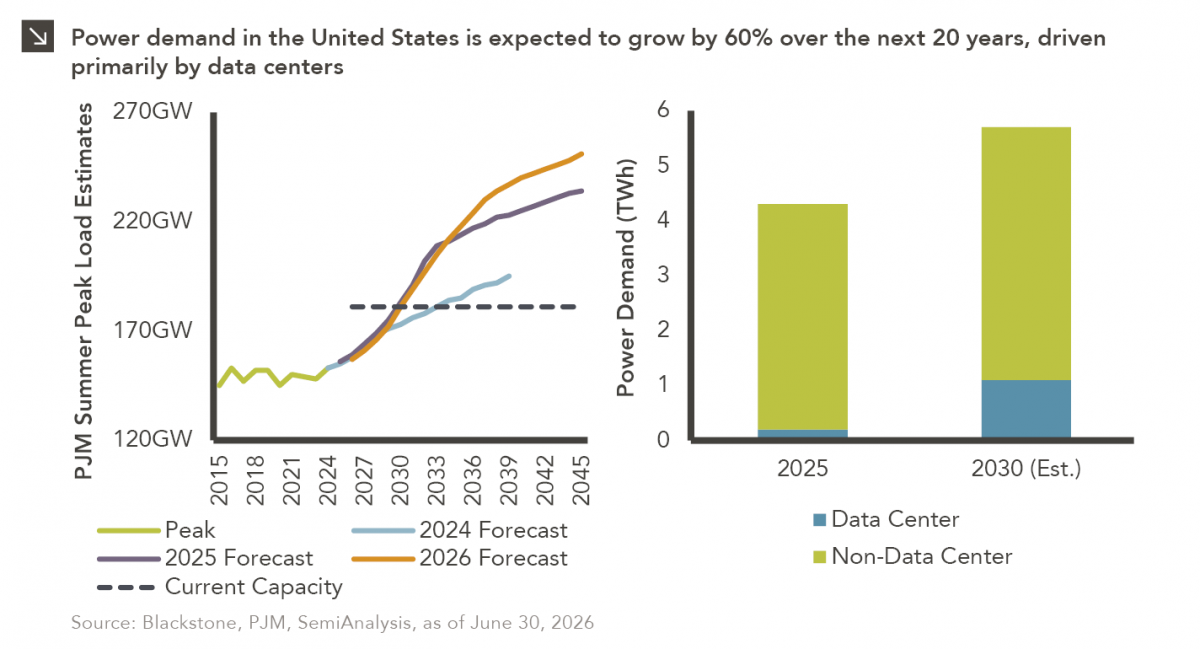
This week’s chart highlights the accelerating growth of electricity demand in the U.S., which has been driven primarily by the…
10.05.2026
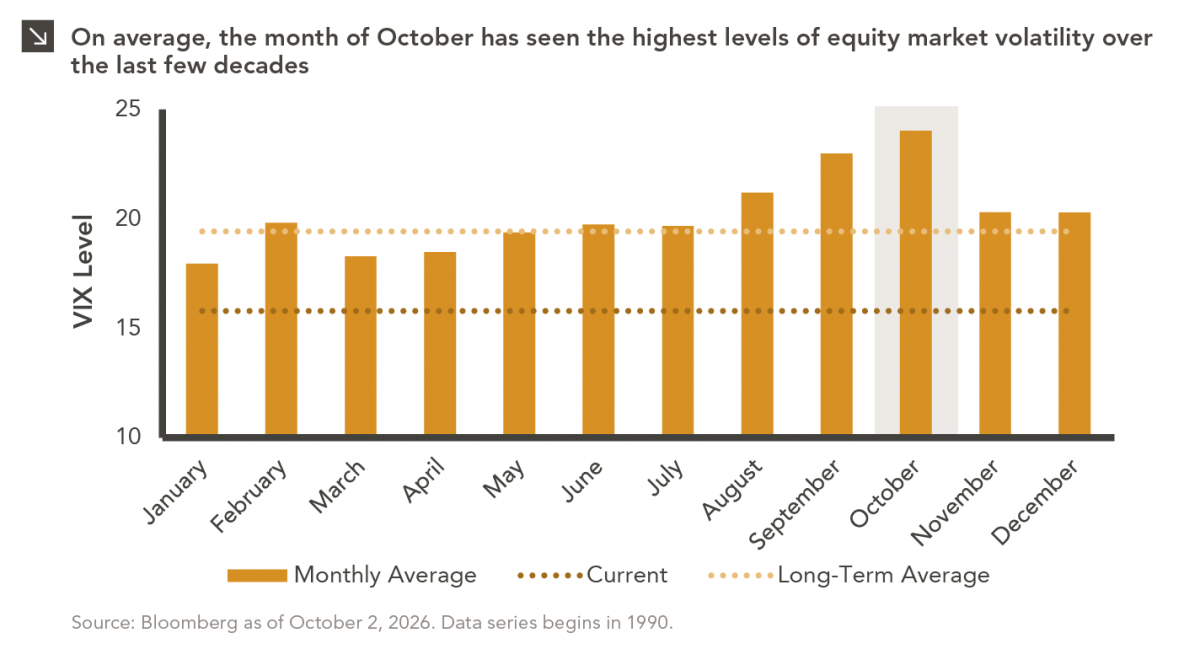
For investors, the spookiest thing about October might not be the ghosts and monsters that are bound to show up…

09.28.2026
The phrase “expectations of higher inflation” has become a staple in financial news to explain the increase in nominal U.S….
09.21.2026
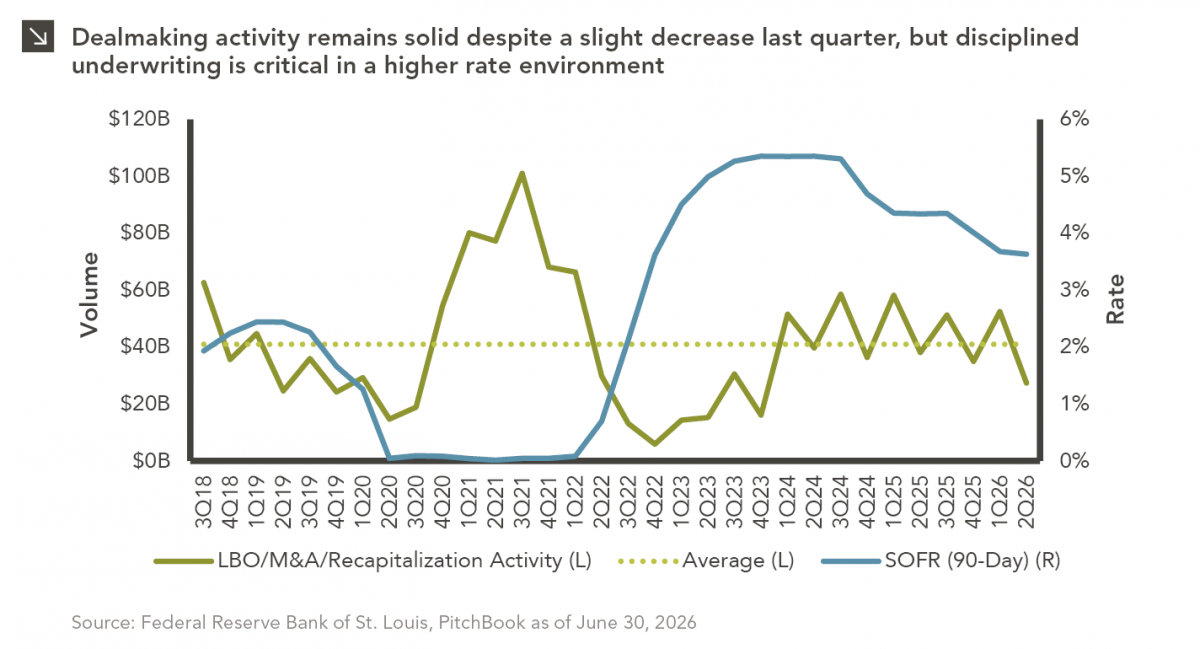
For much of the past several years, the conventional view has been that higher interest rates and stretched valuations would…
09.14.2026
There are many great things about working at Marquette Associates, but “Free Lunch Tuesday” is right at the top of…
09.08.2026
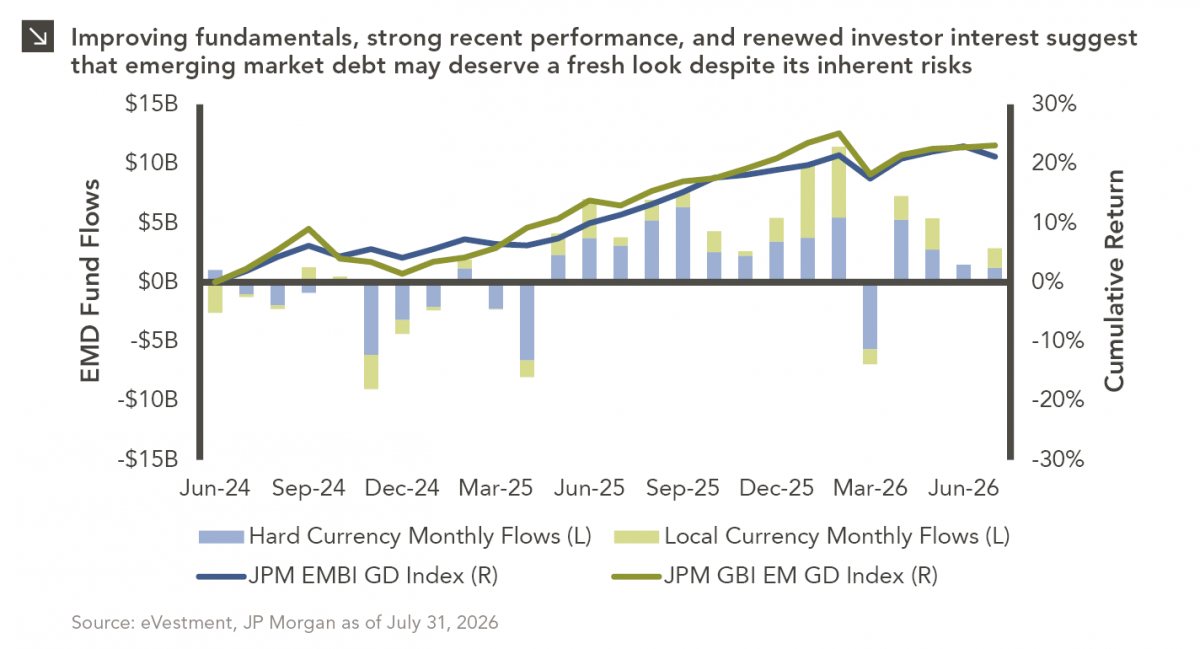
Over the last several years, emerging market debt (EMD) has faced several headwinds, with rising yields across other fixed income…
Research alerts keep you updated on our latest research publications. Simply enter your contact information, choose the research alerts you would like to receive and click Subscribe. Alerts will be sent as research is published.
We respect your privacy. We will never share or sell your information.
If you have questions or need further information, please contact us directly and we will respond to your inquiry within 24 hours.
Contact Us >