Christopher Caparelli, CFA
Partner


In testimony before the House Financial Services Committee on November 4, Federal Reserve Chairwoman Janet Yellen remarked that a rate hike was still a “live possibility” in December, should economic data remain supportive. Prior to that comment, the market was unsure of any policy change at the Fed’s December meeting, with the Fed Fund’s Futures market implying a 50% probability of a rake hike. After Yellen’s comments, the probability of a hike in December jumped to nearly 70%, and currently sits at 80%, thanks to strong payroll reports over the last two months and further hawkish comments from FOMC members.
Despite this guesswork, Yellen and other members of the FOMC have stressed that the timing of the first rate hike in over nine years is less important that the pace of successive increases. While the futures market hasn’t been an overly reliable predictor of the future path of the Fed Funds rate, it is worth noting that the market appears to accept the Fed’s pledge to enact future increases in a slow and steady manner. Assuming a 0.25% increase on December 16 as a near certainty, the futures market doesn’t imply any meaningful probability of the next increase until the March 2016 meeting, with the most likely landing spot of the Fed Funds rate to be between 0.75% and 1.00% at the end of 2016. While a Fed Funds rate of 1.00% would be a notable shift from the Fed’s post-crisis zero interest rate policy, it would still be seen as highly accommodative in a historical context, and supportive of future economic growth.

The opinions expressed herein are those of Marquette Associates, Inc. (“Marquette”), and are subject to change without notice. This material is not financial advice or an offer to purchase or sell any product. Marquette reserves the right to modify its current investment strategies and techniques based on changing market dynamics or client needs.

10.22.2026
Anyone who has run a marathon knows the last six miles are brutal — no matter how well the first…
10.19.2026
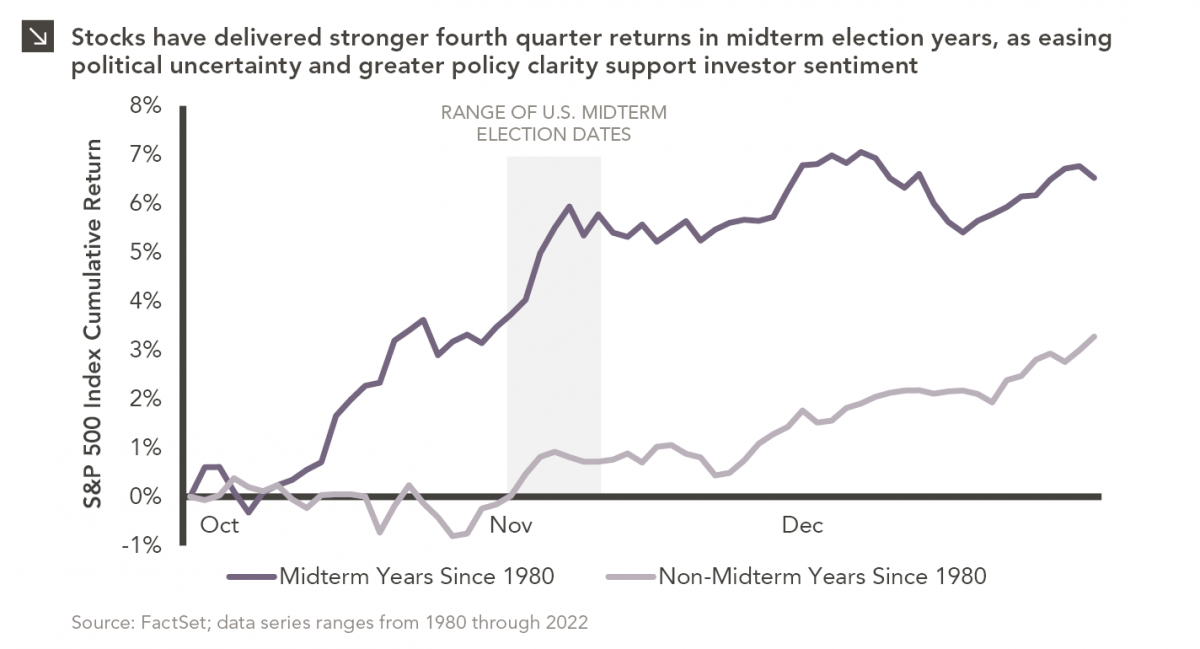
Since 1980, the S&P 500 Index has generally performed well in the weeks surrounding U.S. midterm elections. Specifically, the index…
10.12.2026
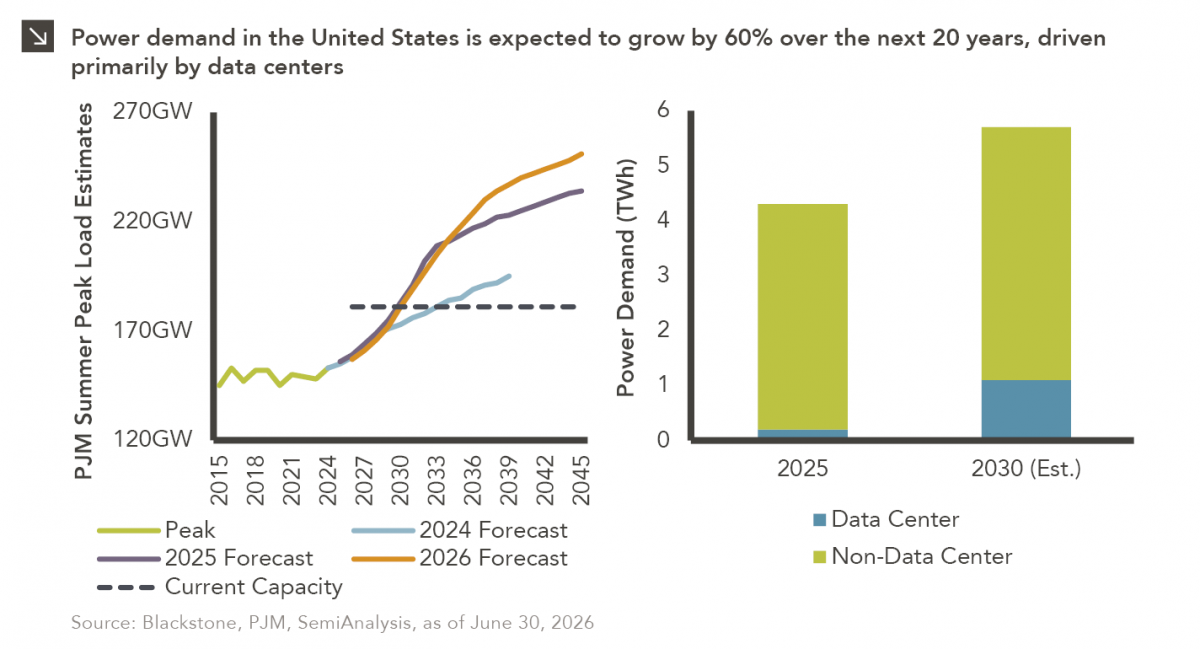
This week’s chart highlights the accelerating growth of electricity demand in the U.S., which has been driven primarily by the…
10.08.2026
LIVE WEBINAR — OCTOBER 22 Please join Marquette’s research team for our 3Q 2026 Market Insights Webinar…
10.05.2026
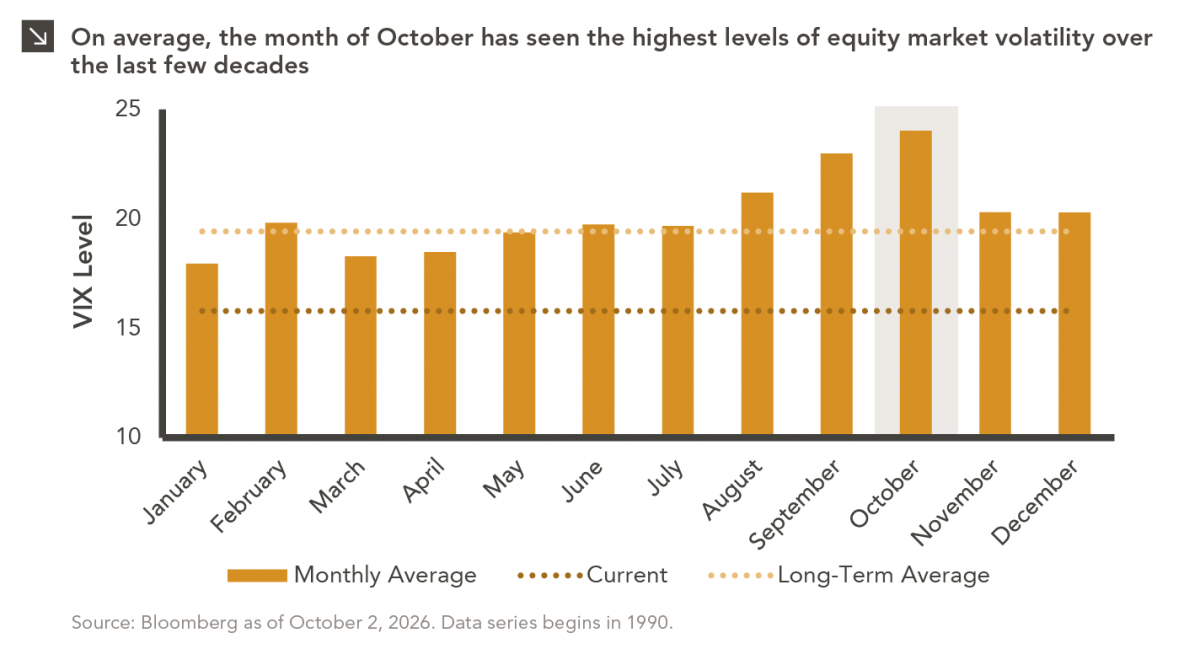
For investors, the spookiest thing about October might not be the ghosts and monsters that are bound to show up…
09.28.2026
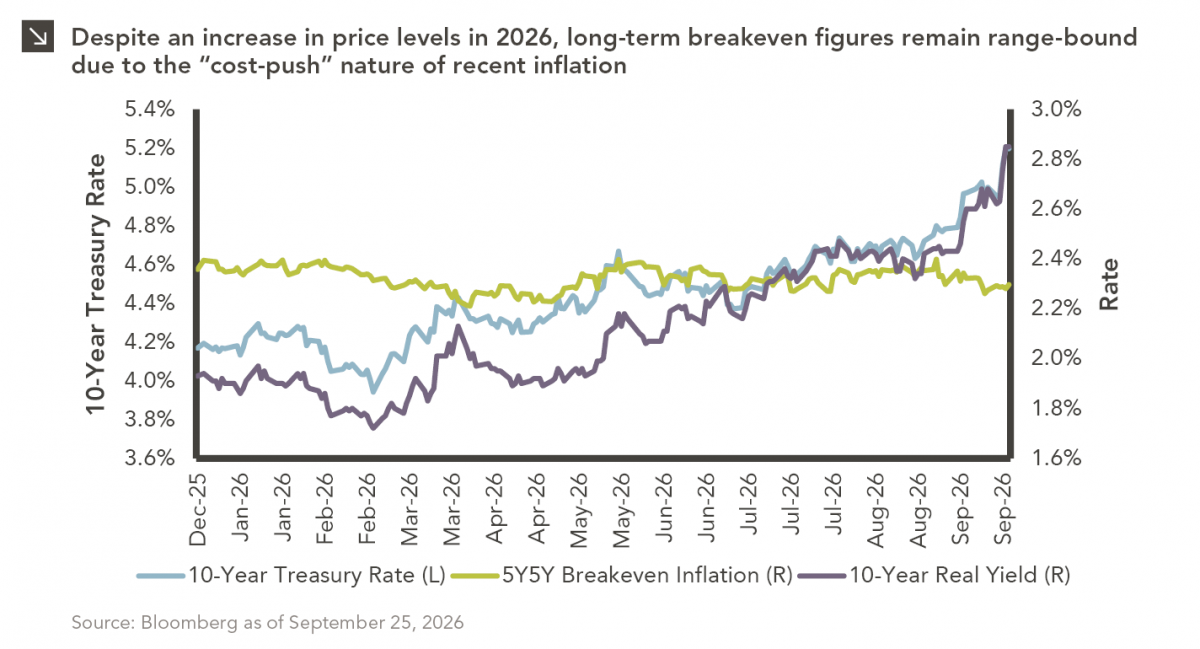
The phrase “expectations of higher inflation” has become a staple in financial news to explain the increase in nominal U.S….
Research alerts keep you updated on our latest research publications. Simply enter your contact information, choose the research alerts you would like to receive and click Subscribe. Alerts will be sent as research is published.
We respect your privacy. We will never share or sell your information.
If you have questions or need further information, please contact us directly and we will respond to your inquiry within 24 hours.
Contact Us >