10.08.2026
3Q 2026 Market Insights
This video is a recording of a live webinar held October 22 by Marquette’s research team analyzing the third quarter…


The core real estate market has enjoyed a solid run over the last five years. However, outsized returns do not last forever and for this reason, investors are starting to question future return prospects for the asset class. There are several metrics to consider when answering such a question and this week’s Chart of the Week looks at one such metric: new supply.
The chart above compares new supply as a percentage of existing stock across the four main property sectors. As the chart indicates, current levels of new supply remain below the pre-recession averages for three out of the four sectors. That affords some comfort. However, new supply of apartment properties has exceeded its pre-recession average. Indeed, a lot of the supply in apartments has been driven by an increase in true rental demand, but the data suggests that the apartment sector may come under pressure in the near- to medium-term if new supply continues to rise. According to this metric, opportunity still remains in the retail, office, and industrial sectors. Ultimately, though, new supply is just one metric to consider when gauging the current state of the real estate market. Other important items to monitor include performance, valuation, debt, income, and capital flows. Our recently released newsletter, The State of Real Estate: Is the Run Over?, analyzes these metrics to formulate a view on future return prospects for the asset class.
The opinions expressed herein are those of Marquette Associates, Inc. (“Marquette”), and are subject to change without notice. This material is not financial advice or an offer to purchase or sell any product. Marquette reserves the right to modify its current investment strategies and techniques based on changing market dynamics or client needs.

10.08.2026
This video is a recording of a live webinar held October 22 by Marquette’s research team analyzing the third quarter…
10.19.2026
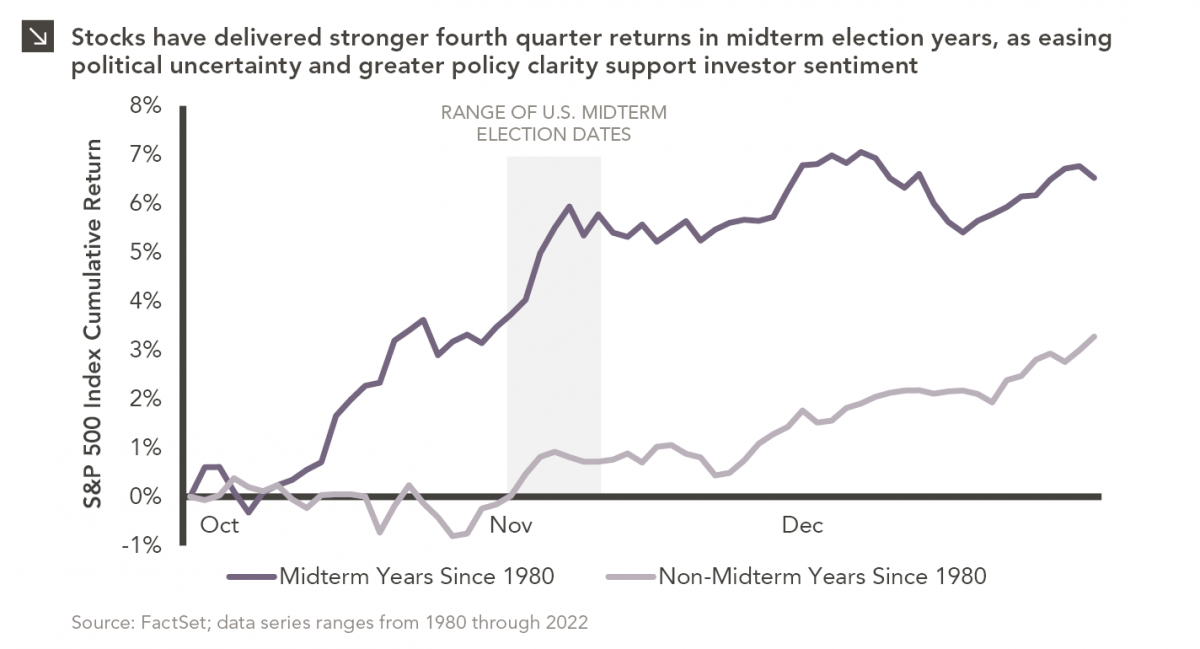
Since 1980, the S&P 500 Index has generally performed well in the weeks surrounding U.S. midterm elections. Specifically, the index…
10.12.2026
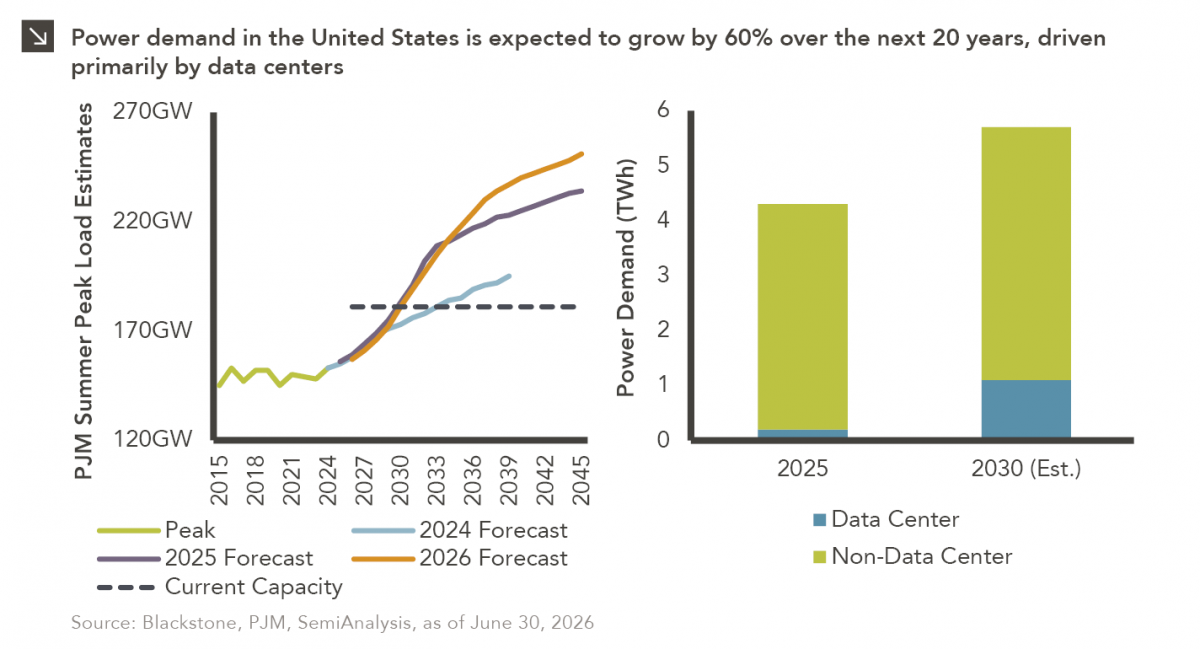
This week’s chart highlights the accelerating growth of electricity demand in the U.S., which has been driven primarily by the…
10.05.2026
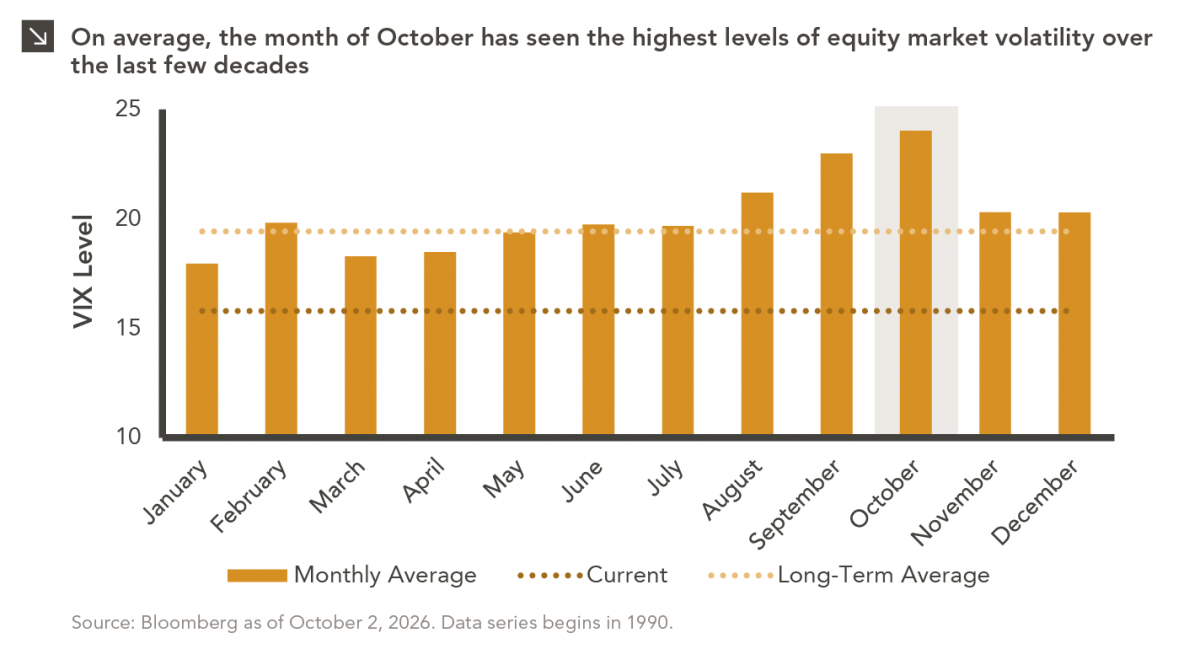
For investors, the spookiest thing about October might not be the ghosts and monsters that are bound to show up…
09.28.2026
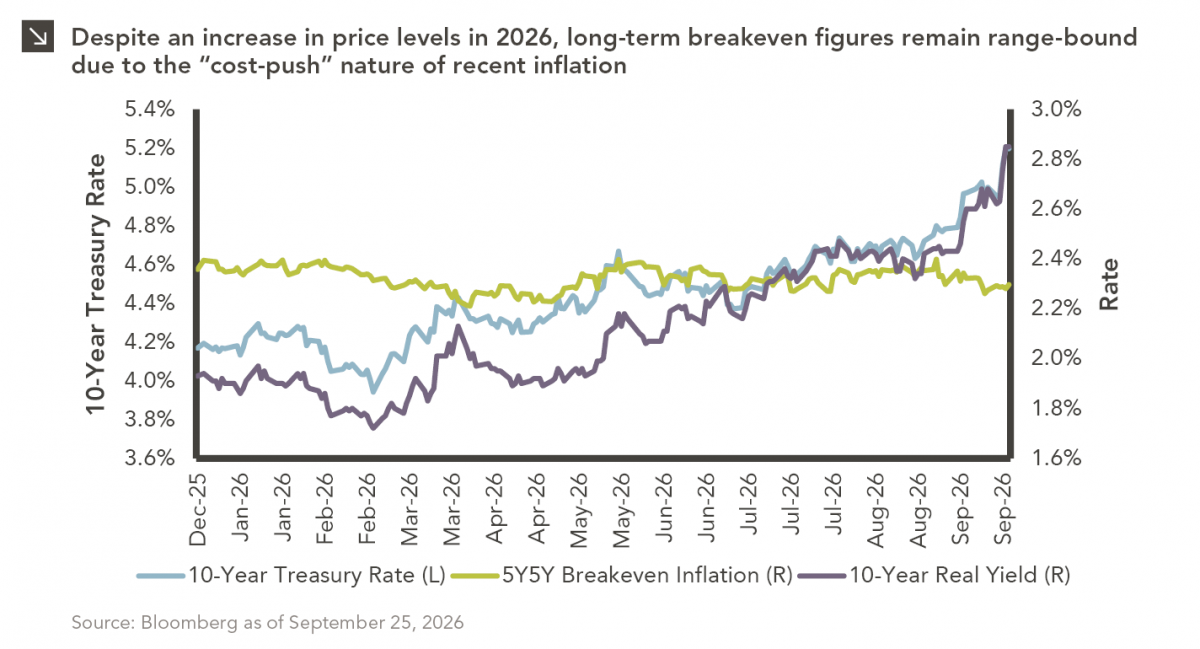
The phrase “expectations of higher inflation” has become a staple in financial news to explain the increase in nominal U.S….
09.21.2026
For much of the past several years, the conventional view has been that higher interest rates and stretched valuations would…
Research alerts keep you updated on our latest research publications. Simply enter your contact information, choose the research alerts you would like to receive and click Subscribe. Alerts will be sent as research is published.
We respect your privacy. We will never share or sell your information.
If you have questions or need further information, please contact us directly and we will respond to your inquiry within 24 hours.
Contact Us >