Evan Frazier, CFA, CAIA
Senior Research Analyst


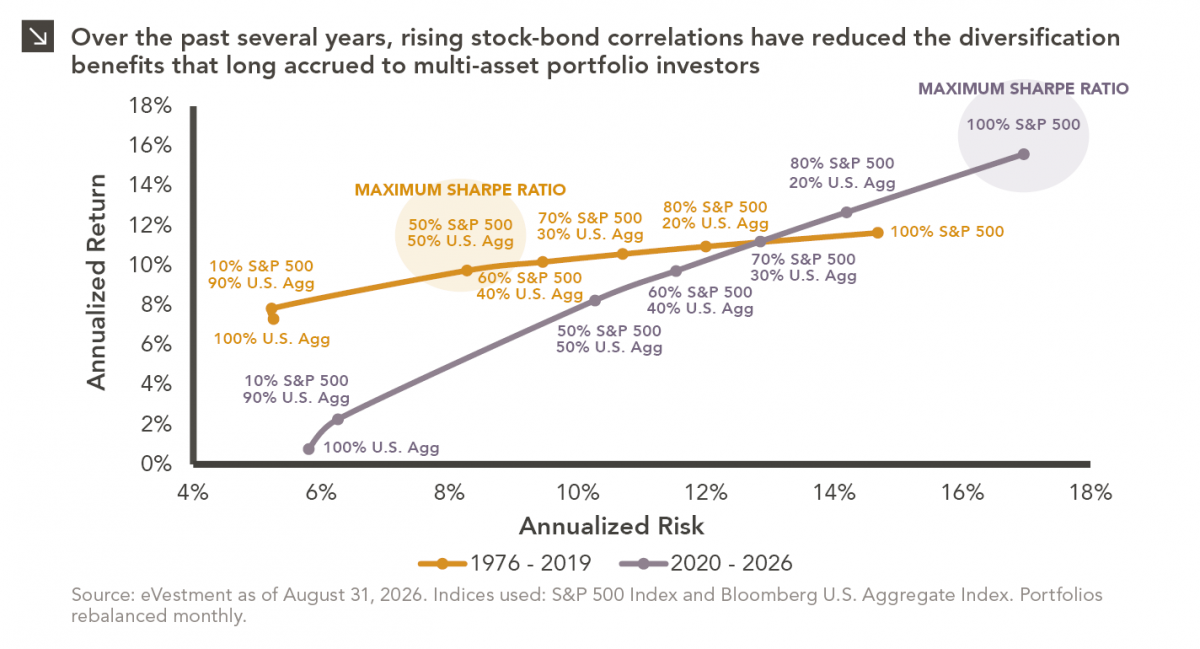
Model portfolios — or those which adhere to a specific set of guidelines surrounding asset allocation and rebalancing — are often utilized by investors because of their rules-based nature, which eliminates the need for constant monitoring. One such model is the “60/40 portfolio,” which consists of a 60% allocation to diversified equities and a 40% allocation to a broad basket of fixed income securities. Due to the imperfect correlation between stock and bond returns, the 60/40 model has enjoyed decades of success at both providing its users with strong absolute returns and suitable protection during market drawdowns. Additionally, there is an intuitive attraction of the 60/40 portfolio due to its relative simplicity of holding just stocks and bonds as its underlying investments. That said, skepticism abounds regarding the model’s viability going forward in light of the current interest rate environment and low forecasted equity returns, particularly for those investors like endowments and foundations with specified spending requirements.
The aim of this paper is to assess the effectiveness of the 60/40 model going forward and provide guidance to investors whose spending targets require an expected return that is consistent with the historical performance of 60/40 portfolios, which has typically hovered around 8%.
Read > Is the 60/40 Portfolio Dead Forever?


The opinions expressed herein are those of Marquette Associates, Inc. (“Marquette”), and are subject to change without notice. This material is not financial advice or an offer to purchase or sell any product. Marquette reserves the right to modify its current investment strategies and techniques based on changing market dynamics or client needs.

10.08.2026
LIVE WEBINAR — OCTOBER 22 Please join Marquette’s research team for our 3Q 2026 Market Insights Webinar…
10.05.2026
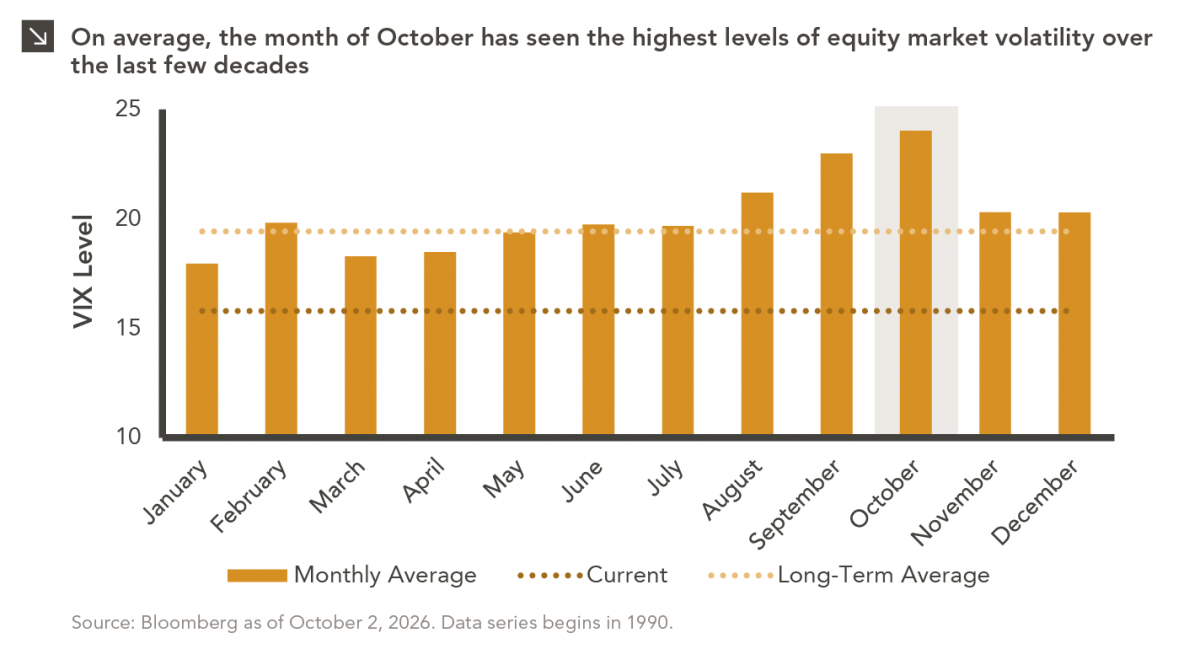
For investors, the spookiest thing about October might not be the ghosts and monsters that are bound to show up…
09.28.2026
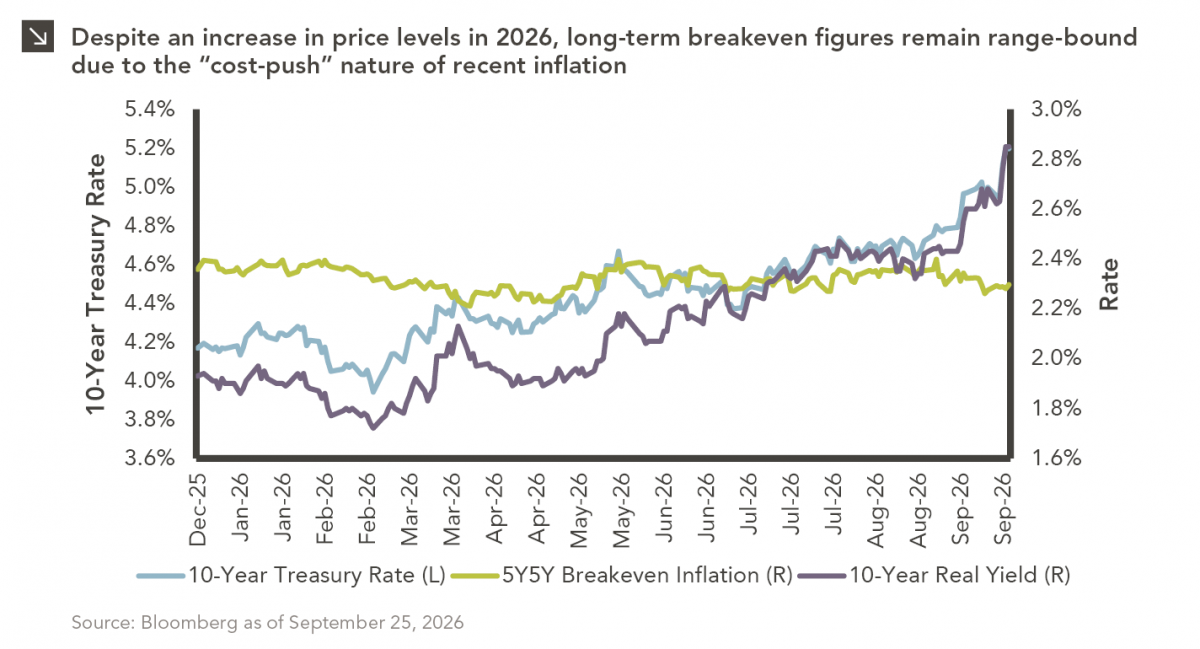
The phrase “expectations of higher inflation” has become a staple in financial news to explain the increase in nominal U.S….

09.15.2026
Over the past decade, continuation vehicles (“CV”) have become one of the fastest-growing trends in private equity. Private equity funds…
09.14.2026
There are many great things about working at Marquette Associates, but “Free Lunch Tuesday” is right at the top of…
08.24.2026
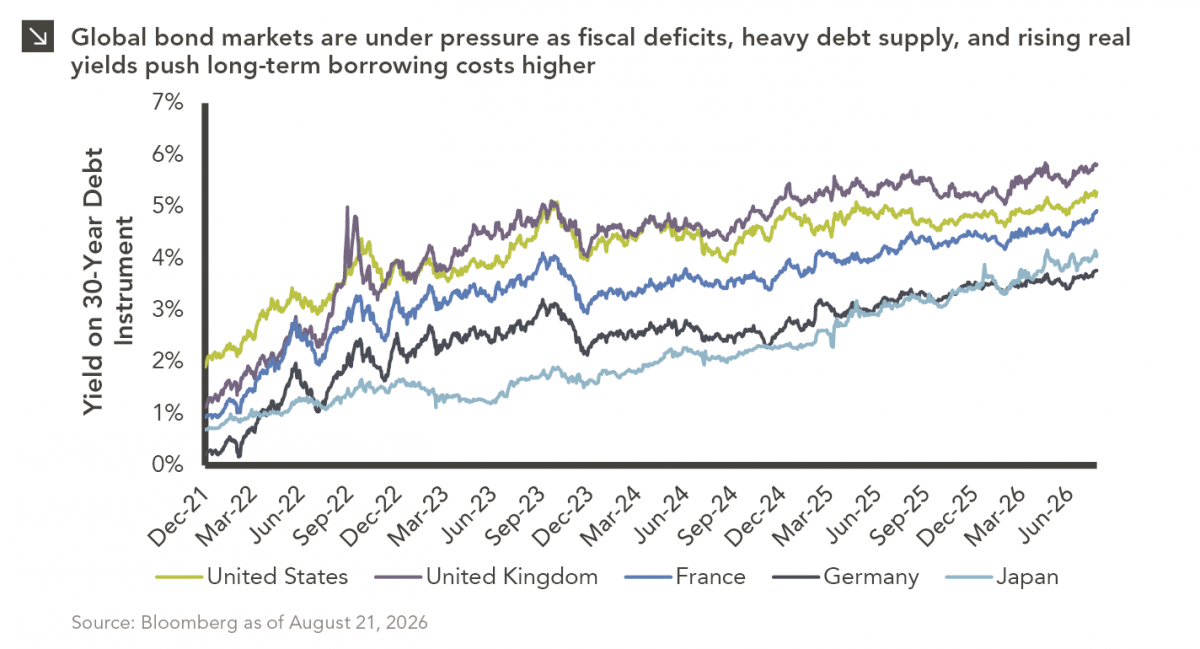
The global bond market is facing renewed pressure as investors demand higher yields to hold long-dated government debt, pushing borrowing…
Research alerts keep you updated on our latest research publications. Simply enter your contact information, choose the research alerts you would like to receive and click Subscribe. Alerts will be sent as research is published.
We respect your privacy. We will never share or sell your information.
If you have questions or need further information, please contact us directly and we will respond to your inquiry within 24 hours.
Contact Us >