10.12.2026
The Power Demand Supercycle
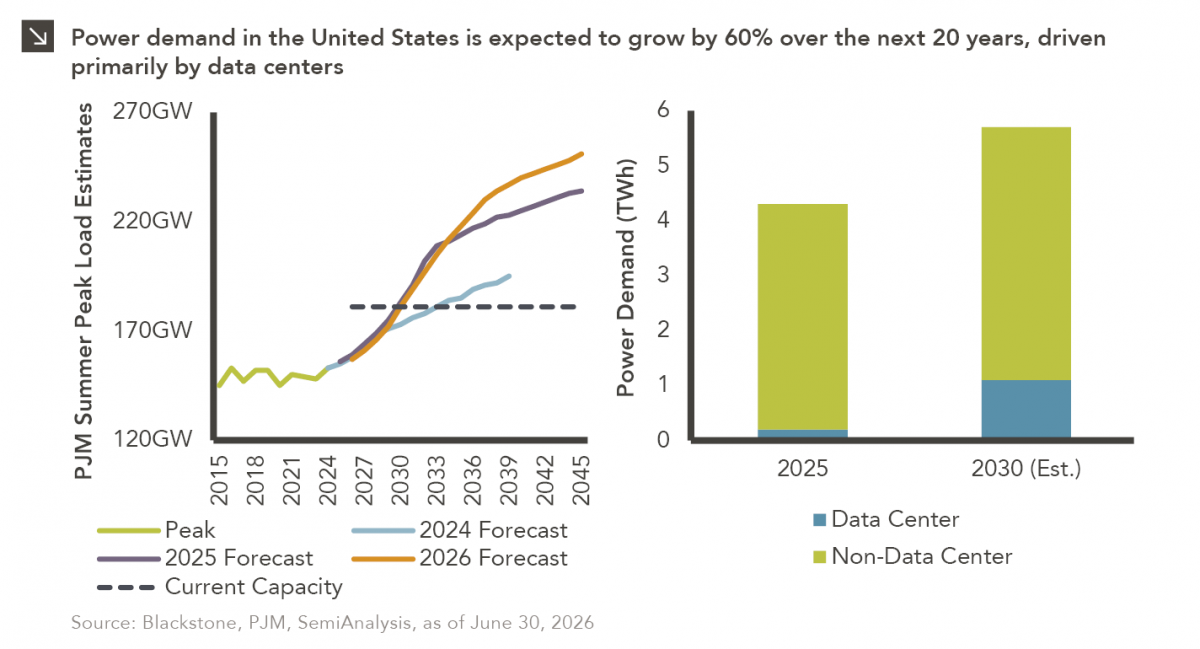
This week’s chart highlights the accelerating growth of electricity demand in the U.S., which has been driven primarily by the…


Between August 17th and 25th, the U.S. equity market — as represented by the S&P 500 Index — declined 11%. The pace and magnitude of the market drop came as a shock to many and left investors pondering how they should react to this swift downdraft. While some may be looking to underlying fundamentals or economic data for guidance, one could simply point to history as an indicator. This week’s chart looks at the maximum intra-year drawdown for the S&P 500 Index over the last 30 years.
While this recent decline is notable, it is not unusual for the market to experience a significant intra-year drawdown. Over the last 30 years, returns for the S&P 500 have only been negative five times. However, 15 of these 30 years have featured max intra-year drawdowns greater than 10%, with 10 of those years actually posting a gain for the year. In other words, the S&P 500 has shown resiliency over the long term, and the recent 12.4% drawdown for 2015 does not automatically translate to a negative year for U.S. equity investments. In fact, the last two days have seen an impressive rebound in the markets, and when markets closed on August 27th, the S&P 500 index was down only 2.1% for the year.
For more information on the recent market volatility as well as what to expect in the coming months, please read our U.S. equity market update which was released earlier this week.
The opinions expressed herein are those of Marquette Associates, Inc. (“Marquette”), and are subject to change without notice. This material is not financial advice or an offer to purchase or sell any product. Marquette reserves the right to modify its current investment strategies and techniques based on changing market dynamics or client needs.
10.12.2026
This week’s chart highlights the accelerating growth of electricity demand in the U.S., which has been driven primarily by the…

10.08.2026
LIVE WEBINAR — OCTOBER 22 Please join Marquette’s research team for our 3Q 2026 Market Insights Webinar…
10.05.2026
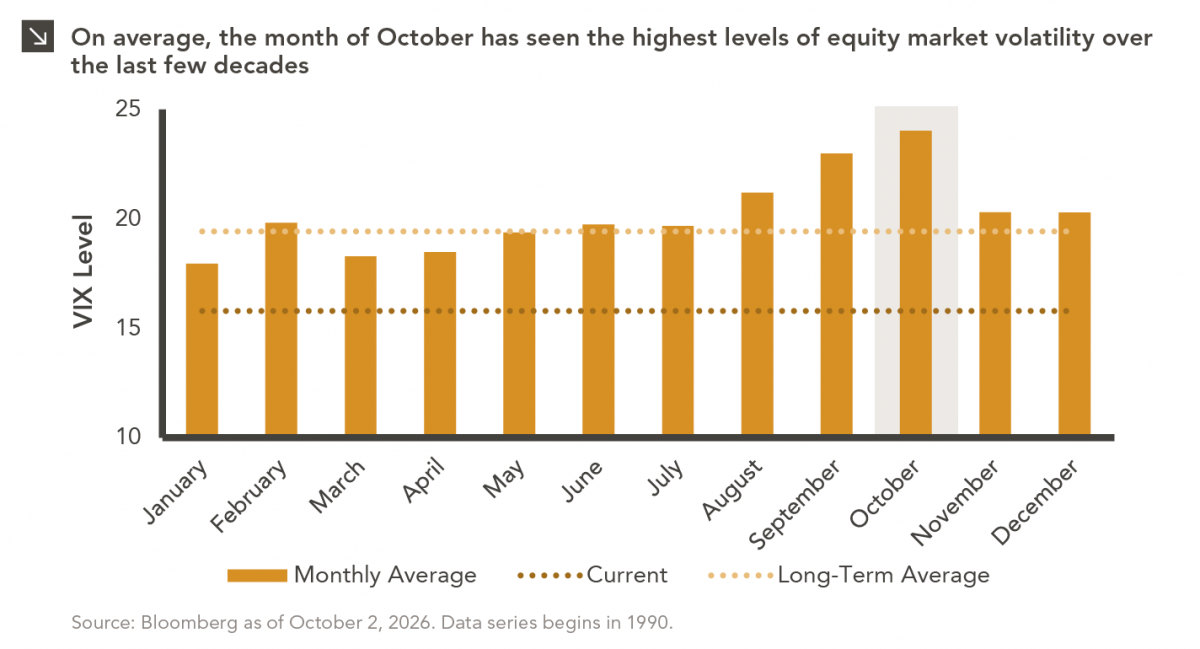
For investors, the spookiest thing about October might not be the ghosts and monsters that are bound to show up…
09.28.2026
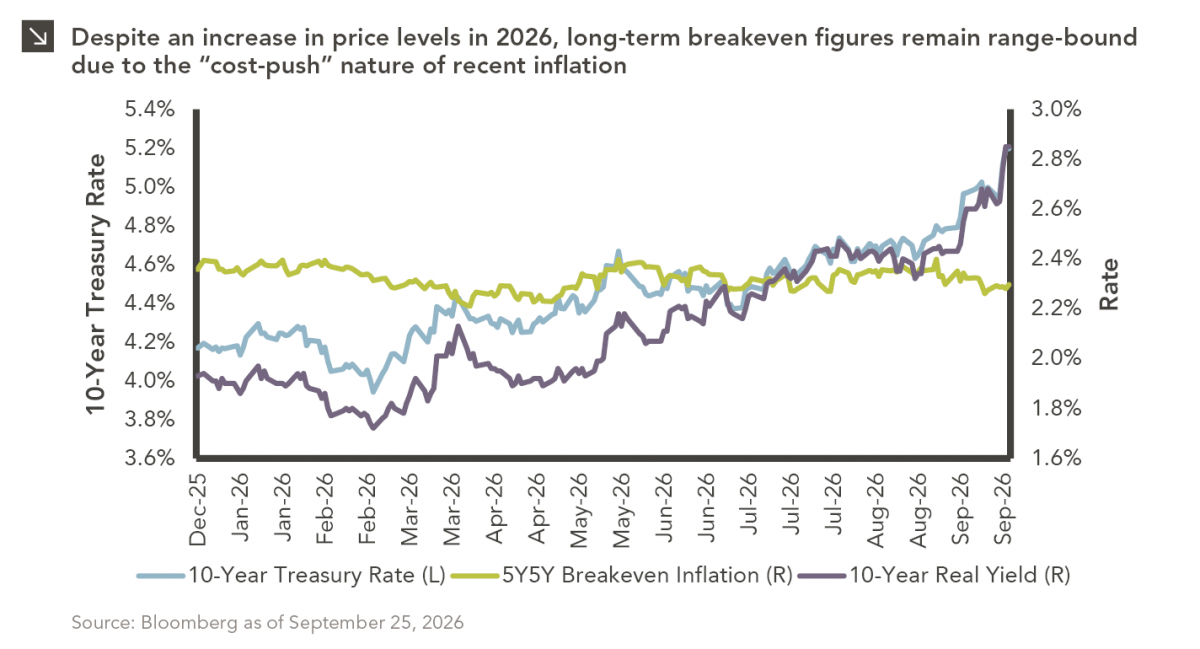
The phrase “expectations of higher inflation” has become a staple in financial news to explain the increase in nominal U.S….
09.21.2026
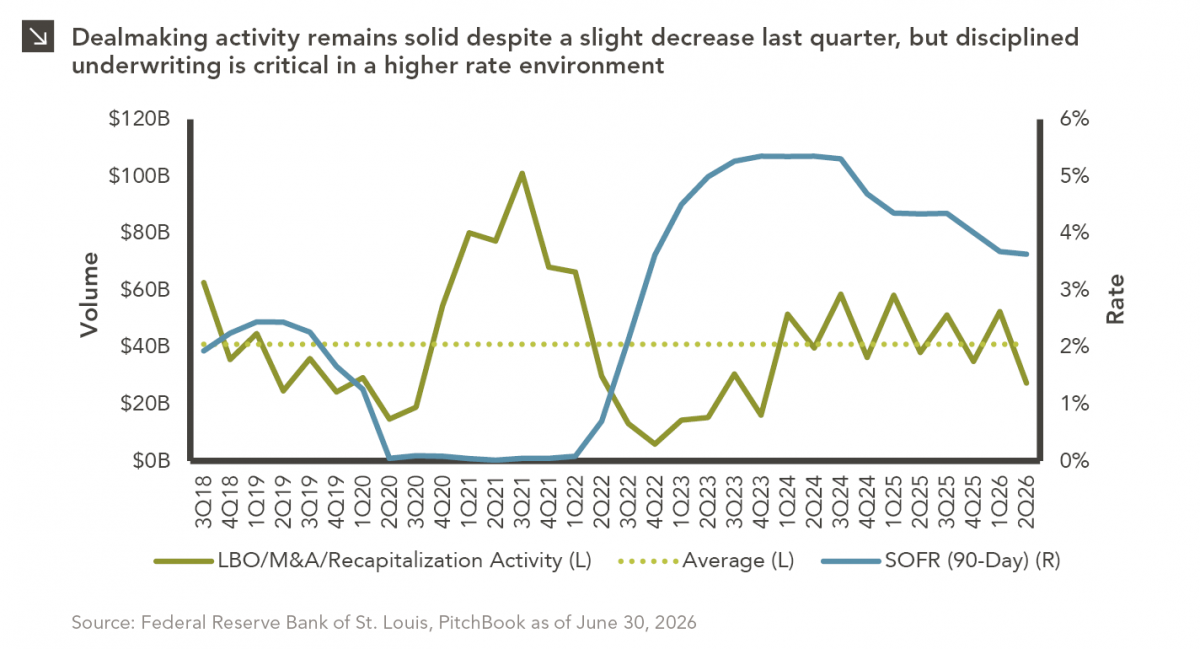
For much of the past several years, the conventional view has been that higher interest rates and stretched valuations would…
09.14.2026
There are many great things about working at Marquette Associates, but “Free Lunch Tuesday” is right at the top of…
Research alerts keep you updated on our latest research publications. Simply enter your contact information, choose the research alerts you would like to receive and click Subscribe. Alerts will be sent as research is published.
We respect your privacy. We will never share or sell your information.
If you have questions or need further information, please contact us directly and we will respond to your inquiry within 24 hours.
Contact Us >